
Your cart is currently empty!
Tesla’s Rocket-Powered Roadster Has One Wild Catch: Its Thrusters Could Take Hours to Refill
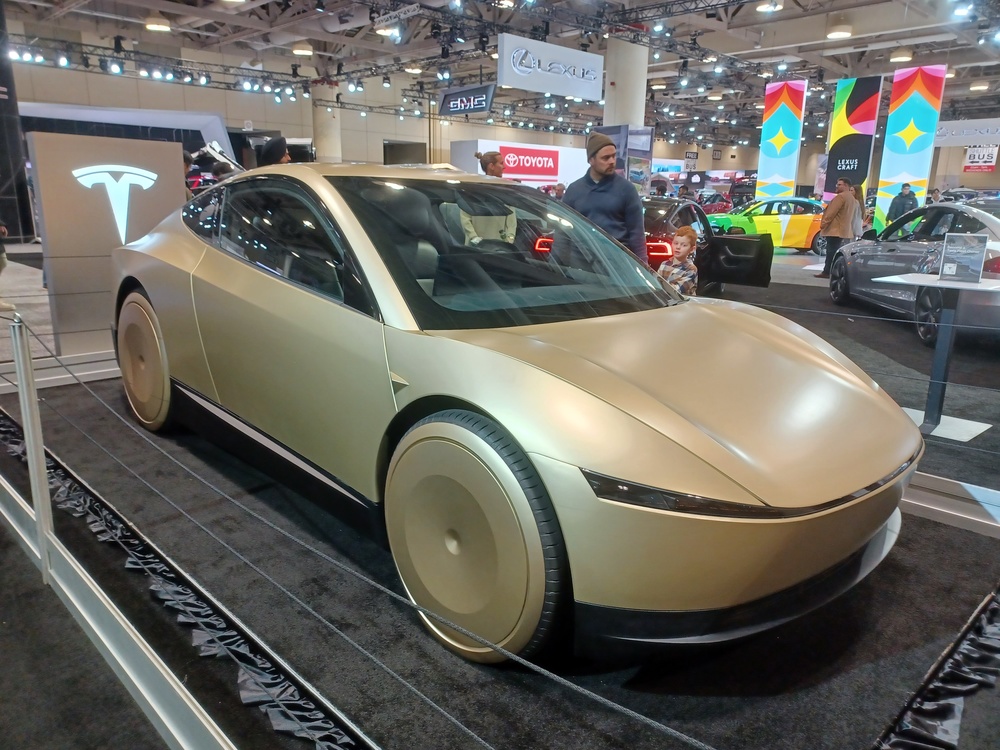
Tesla has spent years promising a sports car that sounds more like something from a science-fiction film than a vehicle you would see on a highway. Now, the latest details about its rocket-inspired technology have revealed a rather inconvenient catch.
Contents
show
The Roadster’s optional thrusters are designed to deliver a burst of extraordinary acceleration. But according to Tesla’s engineering leadership, replenishing the gas supply could take between two and six hours, depending on the configuration. That is a lot of waiting for a feature that may only provide seconds of thrust.
Tesla’s Rocket-Powered Car Comes With A Catch
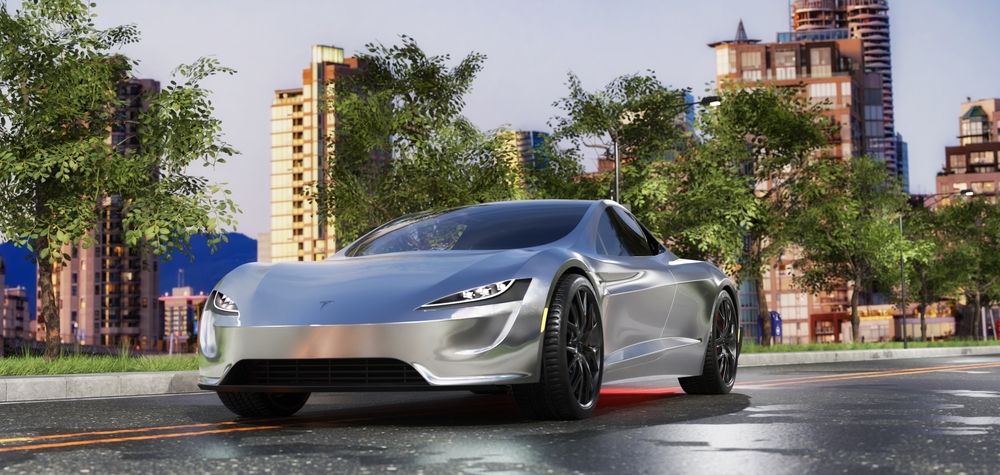
The next-generation Tesla Roadster has attracted attention for its proposed combination of electric performance and aerospace-inspired engineering.
The company’s official Roadster website lists three configurations: Performance, Thrust, and Rocket. The latter two incorporate cold-gas thrusters, with the Rocket version intended to support additional movements, including upward acceleration and airborne maneuvers.
Tesla describes the vehicle as a major step beyond conventional sports cars. Yet the details surrounding its propulsion system reveal a practical limitation that could shape how owners actually use it.
According to InsideEVs, Tesla vice president of vehicle engineering Lars Moravy discussed the system’s refill requirements during a walkaround interview with Top Gear. He explained that the current process could take between two and six hours.
Tesla hopes to bring that time down to less than 30 minutes.
That target would represent a substantial improvement. However, it remains a goal rather than a confirmed capability available to customers.
For anyone imagining repeated bursts of rocket-assisted acceleration during a spirited drive, the refill process raises an obvious question: how often could the system realistically be used?
Five Seconds Of Thrust Could Mean Hours Of Waiting
The reported figures create an unusual contrast between the Roadster’s performance ambitions and the practicalities of operating its thrusters.
According to InsideEVs, the Thrust configuration’s system is designed to provide approximately five seconds of boost before the gas supply needs replenishing.
That sounds brief, especially when compared with the hours potentially required to refill it.
The important distinction is that the reported refill time concerns the thruster system. It does not mean the Roadster’s main electric battery takes hours to recharge after every burst.
The vehicle’s electric propulsion and its cold-gas thrusters perform different jobs. Understanding that distinction helps explain why the technology could deliver spectacular performance while creating an entirely separate logistical challenge.
What The Reported Numbers Tell Us
Here are the key figures currently associated with the system:
- Around five seconds: The reported duration of thrust available from the Thrust configuration.
- Two to six hours: The current estimated refill window described by Moravy, depending on the system and configuration.
- Under 30 minutes: Tesla’s stated goal for reducing refill time.
- Up to 10,000 psi: The reported pressure capacity of the nitrogen tank used in the Thrust configuration.
- 200 liters: The reported capacity of that configuration’s pressure vessel.
These figures come from reporting on the engineering system and interviews with Tesla personnel. They should not be confused with independently verified performance measurements from a production vehicle.
The difference between the five-second burst and the lengthy refill is what makes the technology particularly intriguing. It is also what could determine whether the feature becomes a genuinely useful performance tool or an occasional party trick.
How The Roadster’s Cold-Gas Thrusters Work
The idea behind the system is relatively straightforward, even if the engineering required to package it inside a sports car is complex.
Conventional rocket engines burn propellant to generate thrust. Cold-gas thrusters operate differently by releasing stored, pressurized gas through a nozzle.
As the gas escapes in one direction, the vehicle experiences a force in the opposite direction. The principle follows Newton’s third law of motion.
The system does not need to burn fuel inside a combustion chamber to create that force.
Why Nitrogen Is Stored Under Extreme Pressure
The reported Roadster Thrust setup uses a high-pressure nitrogen supply stored in a specialized pressure vessel.
Compressing gas allows a substantial quantity to be stored in a limited space. When released through the thrusters, that gas can generate a powerful, short-lived burst of force.
The challenge is that delivering thrust consumes the stored gas. Once the supply has been depleted to the point that the system can no longer provide its intended performance, it needs to be replenished.
That requires more than plugging the car into an ordinary electric charger.
According to the engineering details reported by InsideEVs, the current arrangement involves an external high-pressure nitrogen supply. Tesla has not fully clarified how the final customer refill process will work.
The technology therefore introduces an entirely different infrastructure requirement from the charging stations already used by electric vehicles.
The Roadster Has More Than One Performance Trick
The thrusters are only part of Tesla’s ambitious plans for the Roadster.
The company’s official website also describes a multi-mode suction system designed to generate downforce. The technology is intended to pull air from beneath the car, helping it remain firmly planted on the road.
Downforce is especially valuable at high speeds because it can increase tire grip without simply relying on the vehicle’s weight.
Fans And Thrusters Have Different Jobs
The two systems should not be confused. The cold-gas thrusters provide short bursts of force for acceleration and, in the Rocket configuration, additional movement and control.
The suction system uses powered fans to generate aerodynamic grip. Its operation does not depend on the nitrogen supply used by the thrusters.
That distinction matters because exhausting the thruster supply would not automatically mean the car loses all its other performance features.
The vehicle would still have its electric drivetrain and its separate systems, subject to their own operating limits.
Tesla’s official website presents the Rocket version as a single-seat configuration capable of forward and upward acceleration, as well as lateral rotational movement. The company also states that the Rocket trim is not approved for public-road use.
Those are ambitious claims. Their practical significance will depend on the final vehicle, its operating restrictions, and how much of the announced technology makes it into production.
Tesla Wants To Make Refilling Much Faster
A refill window of several hours could make the thruster system difficult to use repeatedly during a single outing.
Tesla appears to recognize that limitation.
Moravy’s reported target is to reduce the current two-to-six-hour refill process to less than 30 minutes. If achieved, that would make the system considerably more convenient.
However, the engineering challenge goes beyond simply making a connection and pumping gas into a tank.
The system must handle extremely high pressures safely. Any equipment used to replenish the supply would need to meet the relevant technical and safety requirements.
The Self-Refilling Question Remains Unanswered
There is another complication.
During the Roadster’s unveiling, Elon Musk suggested that the vehicle could replenish its own air supply. That description appears different from the external high-pressure nitrogen refill process discussed by Moravy.
As InsideEVs noted, the relationship between these explanations has not been fully clarified.
One possibility is that the comments refer to different stages of development. Another is that the proposed self-refilling arrangement involves technology that has yet to be explained in sufficient detail.
Without a clear technical explanation, it would be premature to assume the final system will work exactly as either description suggests.
Tesla will need to clarify how the supply is replenished, what equipment owners will need, and whether the faster refill target can be achieved reliably.
The Three Roadster Versions Offer Different Experiences
Tesla’s planned configurations suggest that the company is targeting different types of buyers rather than offering the same thruster package across the entire range.
The distinctions also help explain why refill times and available functions may vary.
Performance
The Performance configuration focuses on the Roadster’s electric drivetrain, active aerodynamics, and suction system.
Tesla’s website does not list cold-gas thrusters as a standard feature of this version. That makes it the more conventional option for buyers interested in electric sports-car performance without the additional propulsion hardware.
Thrust
The Thrust configuration adds rear-mounted cold-gas thrusters intended to improve acceleration.
The reported setup includes a 200-liter pressure vessel, with the system designed to provide a short burst of additional force.
This is the configuration most directly associated with the five-second boost and the reported two-to-six-hour refill window.
Rocket
The Rocket configuration takes the concept further by adding thrusters intended to provide additional directions of movement.
According to Tesla, this version can support upward acceleration and rotational maneuvers. The additional hardware also changes the vehicle’s packaging, with the company describing it as a single-seater.
Tesla lists the Rocket version as invite-only and says it is not approved for public-road use.
The three configurations underline an important point: the most unusual technology will not necessarily be available in every Roadster, and its operating requirements will depend on the version chosen.
Can A Five-Second Boost Justify The Complexity?
The answer depends on what buyers expect from the car.
For someone who wants an electric sports car with extraordinary acceleration, the standard electric drivetrain and aerodynamic systems may already offer plenty of appeal.
For buyers drawn to the idea of rocket-inspired propulsion, the thrusters could be the main attraction.
Yet the refill requirement introduces practical questions that do not apply to ordinary electric performance features.
Owners would need to know where the system could be replenished, how much the process would cost, and whether suitable facilities would be available nearby.
They would also need clarity on how frequently the thrusters could be used and whether the advertised performance depends on specific operating conditions.
Until those details are confirmed, the full ownership experience remains difficult to judge.
The same caution applies to Tesla’s headline performance figures. The company’s website advertises exceptionally aggressive acceleration targets for the thrust-equipped versions, but announced specifications should not be treated as independently verified production results.
A demonstration can show what a prototype is capable of under particular circumstances. It cannot, by itself, establish how consistently the same performance will be delivered in a finished vehicle.
The Real Test Will Come When Customers Can Use It
Tesla’s Roadster sits at an unusual intersection of electric-car engineering and aerospace-inspired technology.
Its proposed thrusters could deliver a burst of force that conventional electric drivetrains cannot provide in quite the same way. The suction system adds another layer of engineering aimed at improving grip.
But a feature designed for seconds of use must also fit into the practical realities of owning a car.
A refill process that takes hours could limit repeated use. A successful reduction to under 30 minutes would help, although owners would still need clear answers about equipment, access, safety, and running costs.
Those questions are especially relevant because the Roadster remains an ambitious project whose advertised capabilities must ultimately be demonstrated in a production vehicle.
For now, the headline figures tell a story of extremes: a few seconds of rocket-inspired thrust, followed by a potentially lengthy wait to restore the system.