
Your cart is currently empty!
The Amazon Fungus That Eats Plastic, and What It Can and Can’t Actually Do
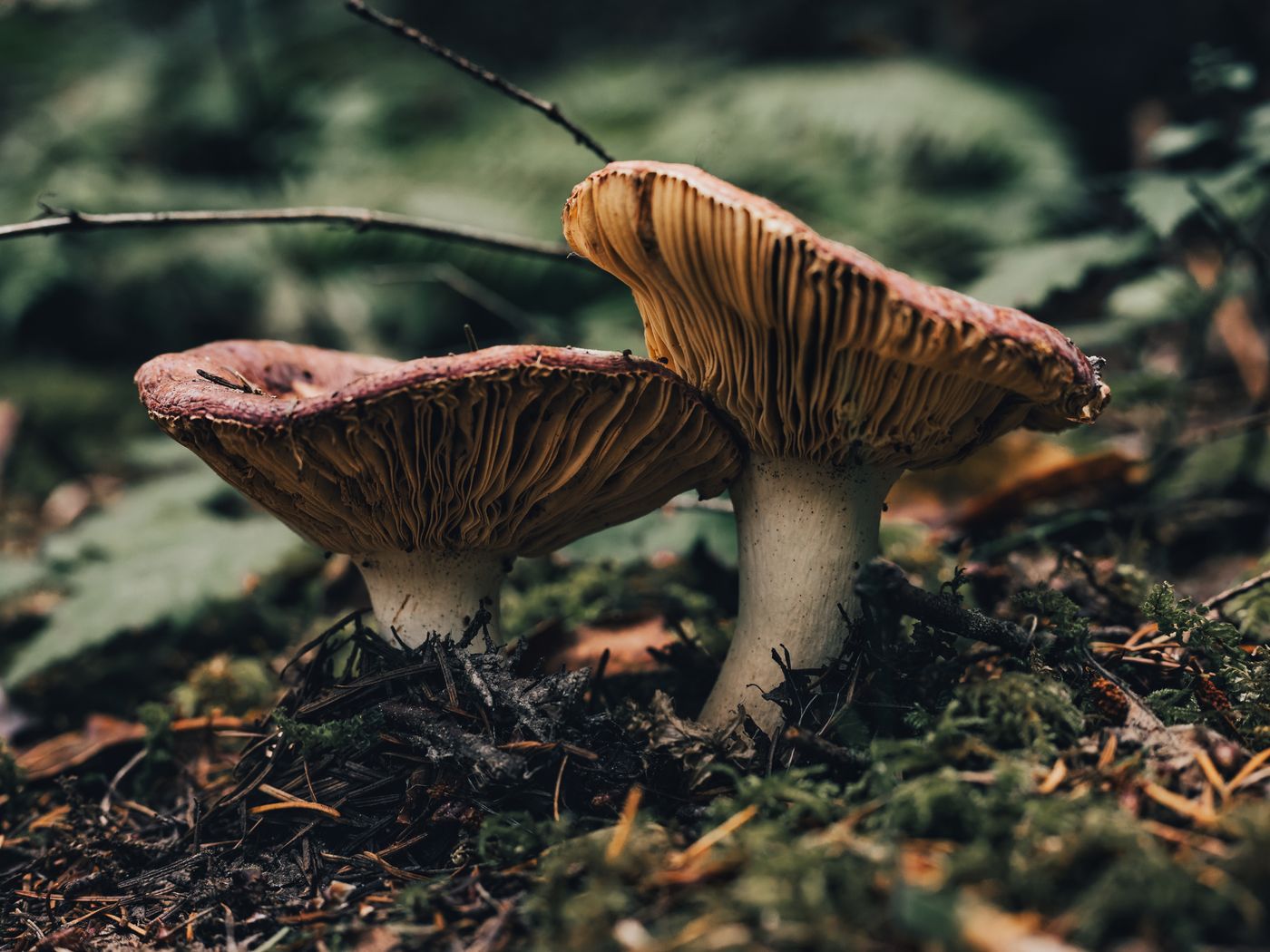
Deep in the rainforests of Ecuador, tucked inside the stems of ordinary plants, scientists found something that behaves in a way most living things simply do not. It treats plastic as food. Not as a surface to grow on, not as something to slowly weather away, but as an actual meal, a source of energy it can live on when nothing else is available.
Contents
show
Stranger still, it can do this in total darkness, sealed away from oxygen, in conditions where almost nothing else would bother to eat at all.
The organism is a fungus, and its appetite for a material humans have spent decades struggling to get rid of has made it one of the more tantalizing discoveries in the long search for a way out of the plastic mess. But the full story is more complicated, and more interesting, than the headline version that has circulated for years. There are real limits to what this fungus can do, a persistent confusion about whether you could ever eat it, and a gap between what the lab actually showed and what the internet later claimed. All of it is worth understanding.
Where It Was Found, and How
The discovery came out of a 2011 study led by researchers at Yale, carried out in part through a program designed to get undergraduate students doing real, hands-on science. The team traveled to Yasuni National Forest in the Ecuadorian Amazon and gathered samples from woody plants, some chosen for their traditional medicinal uses and others picked more or less at random.
What they were after lives hidden inside plants rather than out in the open. These are called endophytes, microbes, both fungi and bacteria, that quietly reside within a plant’s internal tissues without making it sick. The rainforest is the ideal hunting ground for them, because their variety explodes in tropical climates. A single tree can shelter hundreds of different endophyte species, and many of them have never been catalogued by science at all.
The logic behind the search was clever. Fungi that live inside plants routinely break down some of nature’s toughest materials, the fibrous polymers that make up wood and plant matter. If an organism can dismantle something as stubborn as that, the researchers reasoned, it might have the machinery to take on the stubborn synthetic polymers we call plastic.
Meet the Fungus
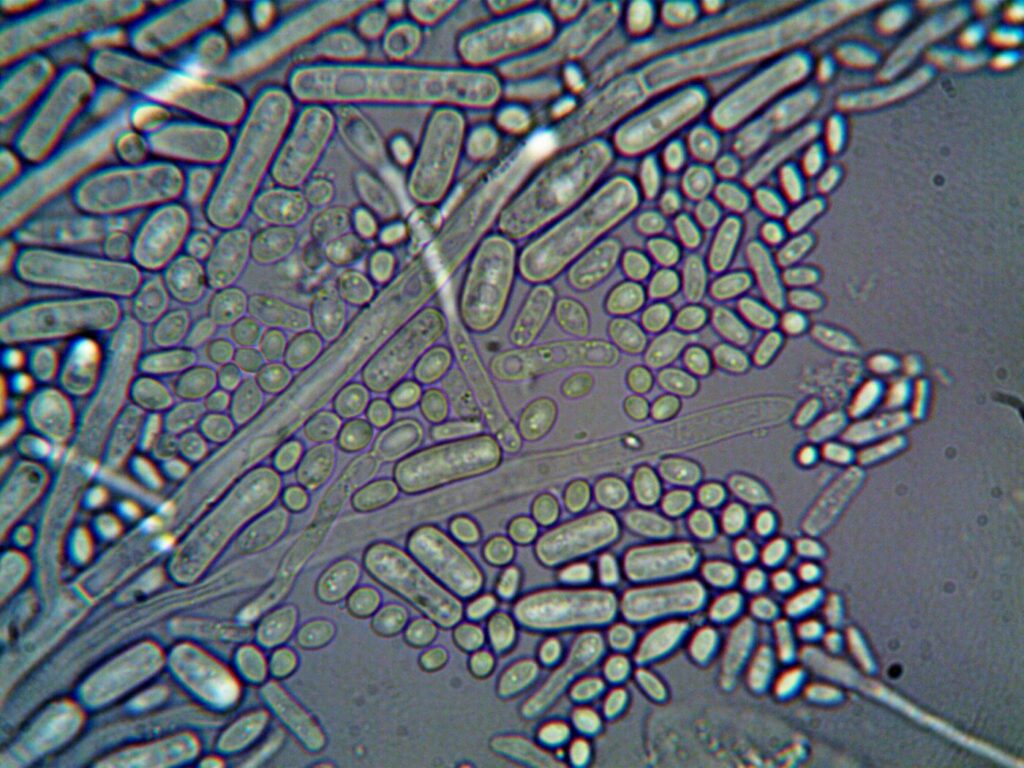
The standout performer turned out to be a fungus called Pestalotiopsis microspora. In its ordinary life, this genus is better known as a troublemaker, a group of fungi that can cause rot and disease across a wide range of plants. But the versions collected in Ecuador were living peacefully inside their hosts, causing no visible harm.
There’s a quirk to this fungus that may help explain its unusual talents. Pestalotiopsis has a documented habit of picking up genes from other organisms, a process that lets it acquire abilities it wasn’t born with. In one famous instance, a strain living inside a particular tree had somehow gained the ability to produce taxol, a valuable compound normally made by the plant itself. That knack for acquiring new tricks may be part of why certain strains developed the rare ability to make a meal out of plastic.
The One Plastic It Actually Eats
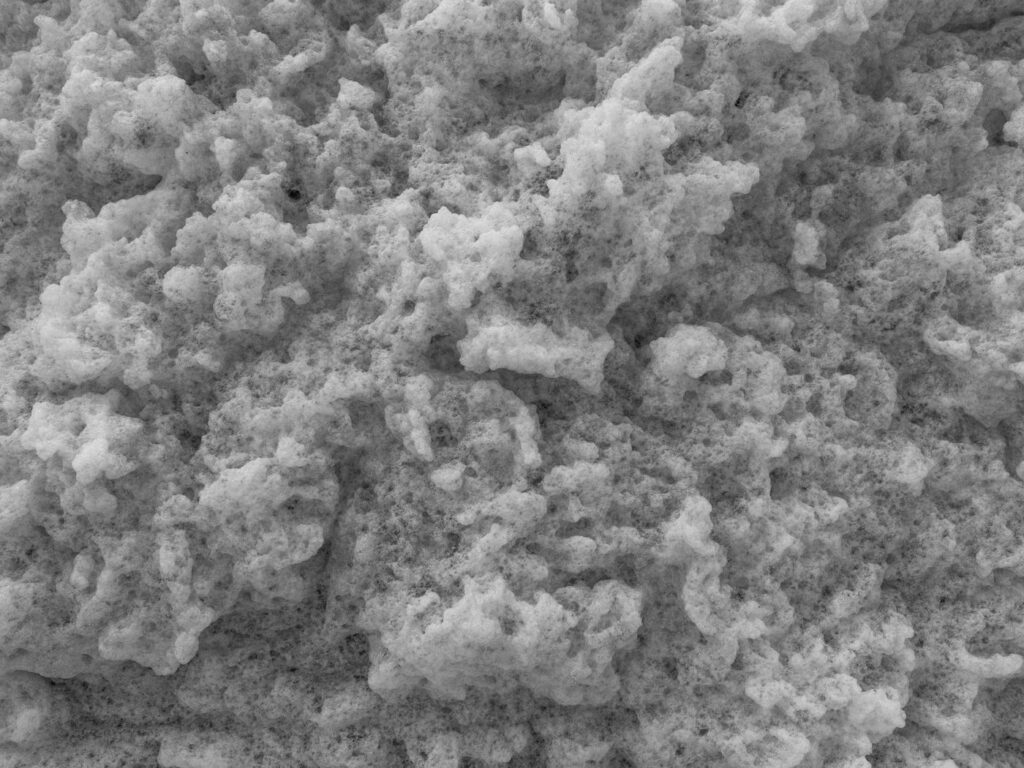
Here is the first place where the popular story needs correcting. This fungus does not eat plastic in general. It eats one specific kind, a material called polyester polyurethane, or PUR, which shows up in textiles, coatings, foams, and all sorts of manufactured goods. It is not going to dissolve your water bottle or your grocery bags, which are made of entirely different plastics.
Within that narrow lane, though, the results were striking. The researchers tested 59 different fungi pulled from their rainforest samples, and nearly half showed at least some ability to attack the plastic. Eighteen of them cleared it noticeably, and several strains of Pestalotiopsis were among the most aggressive. Two isolates went further than the rest. They could survive on PUR as their only source of carbon, meaning the plastic alone was enough to keep them alive and growing, with no other food required. For an organism to live on plastic and nothing else is a genuinely uncommon thing.
How It Breaks Plastic Down
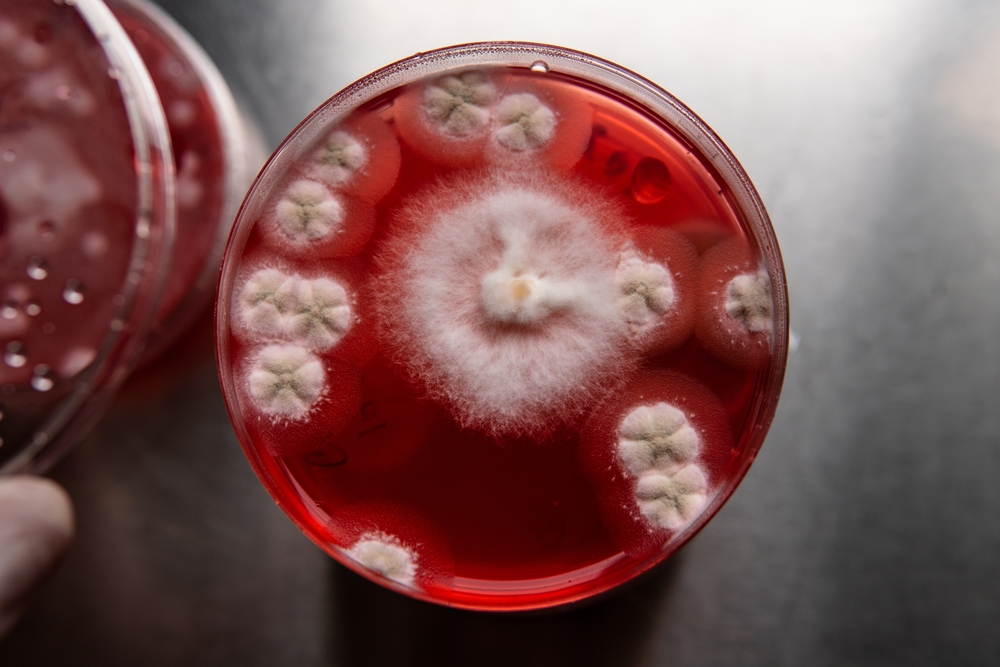
The mechanism behind all this is elegant in its simplicity. The fungus doesn’t have to physically wrap itself around every scrap of plastic. Instead, it releases an enzyme into its surroundings, a kind of chemical scissors that spreads outward and snips apart the bonds holding the plastic together. As the material breaks down, it shifts from a cloudy, opaque state to clear, which gives the scientists an easy visual signal that the process is working.
The proof that the enzyme was doing the work came from a neat experiment. The researchers filtered out the fungus entirely, leaving behind only the liquid it had been secreting, and that liquid alone cleared the plastic in under an hour. Even better, the enzyme only shows up when the fungus is actually exposed to plastic, as if the organism switches on a specialized tool exactly when it’s needed and leaves it dormant otherwise.
The Detail That Sets It Apart
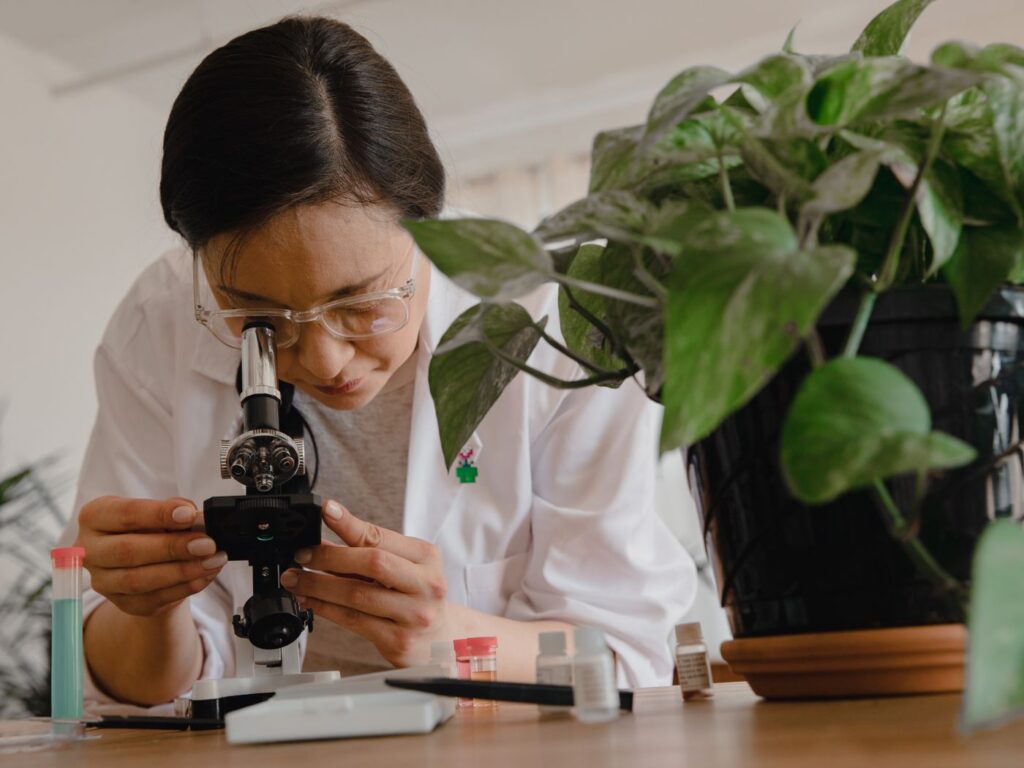
If the story stopped at “fungus eats plastic,” it would be a nice curiosity. What made this study stand out to scientists was something else entirely, and it has to do with oxygen.
Two of the Pestalotiopsis strains kept right on devouring the plastic even when the researchers sealed them away from air. They worked just as efficiently in an oxygen-free environment as they did in a normal one, which had never been documented for this kind of plastic breakdown before. A common lab fungus used for comparison, by contrast, slowed to a crawl the moment its oxygen was cut off.
This is not a trivial detail, because it points toward where such a fungus might actually be useful. Modern landfills are dark, packed, and starved of oxygen, which is precisely why so little inside them ever breaks down, organic garbage included. An organism that can keep working in those airless conditions is far more promising for real-world cleanup than one that needs a steady supply of fresh air to function.
From Lab Bench to Big Claims
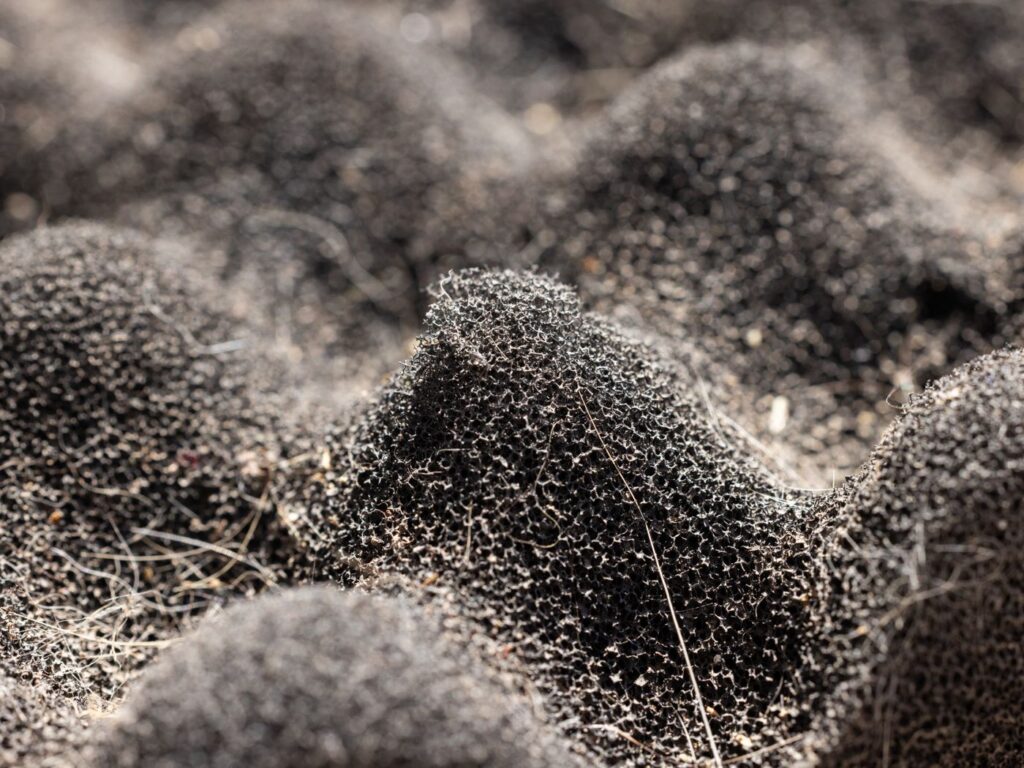
This is where a note of caution belongs, because the distance between what the study demonstrated and what later coverage claimed is considerable.
What the researchers actually showed was specific and measured. A fungus efficiently broke down one type of plastic in laboratory conditions, driven by an enzyme they identified and characterized, and it did so with or without oxygen. That’s it, and that’s plenty.
What came afterward, in various retellings, was a good deal grander. Some accounts suggested the fungus could be turned loose on landfills or deployed to clean up the Great Pacific Garbage Patch, the enormous swirl of plastic debris drifting in the ocean. Those are appealing ideas, but they were extrapolations layered on top of the science rather than conclusions the original work supported. The study itself stuck to careful language, noting only that the anaerobic ability might have practical value in certain controlled systems and that the same search method might turn up organisms capable of tackling other tough materials down the line.
The Plastic You Could Eat: A Separate Project
There’s a second thread tangled into this story that deserves to be pulled apart, because it involves eating the very fungus that ate the plastic, an idea that sounds either brilliant or stomach-turning depending on your disposition.
That concept came from an Austrian designer named Katharina Unger, who had previously made her name creating a device that raised fly larvae as human food, so she was not squeamish about unconventional cuisine. Working with a collaborator and a Dutch university, she built a prototype called the Fungi Mutarium. The design used little egg-shaped pods made of agar, a jelly derived from seaweed, which were loaded with plastic and then seeded with fungus. Over a period of months, the fungus consumed the plastic along with the starches and sugars in the pod, and what remained was a puffy, edible cup you could fill with other food or simply eat whole.
Unger described the flavor as varying by strain, sometimes landing on the sweet side. In one account, she summed it up as “sweet or licorice-like”, the sort of description that makes the whole thing sound a little more appetizing than you might expect.
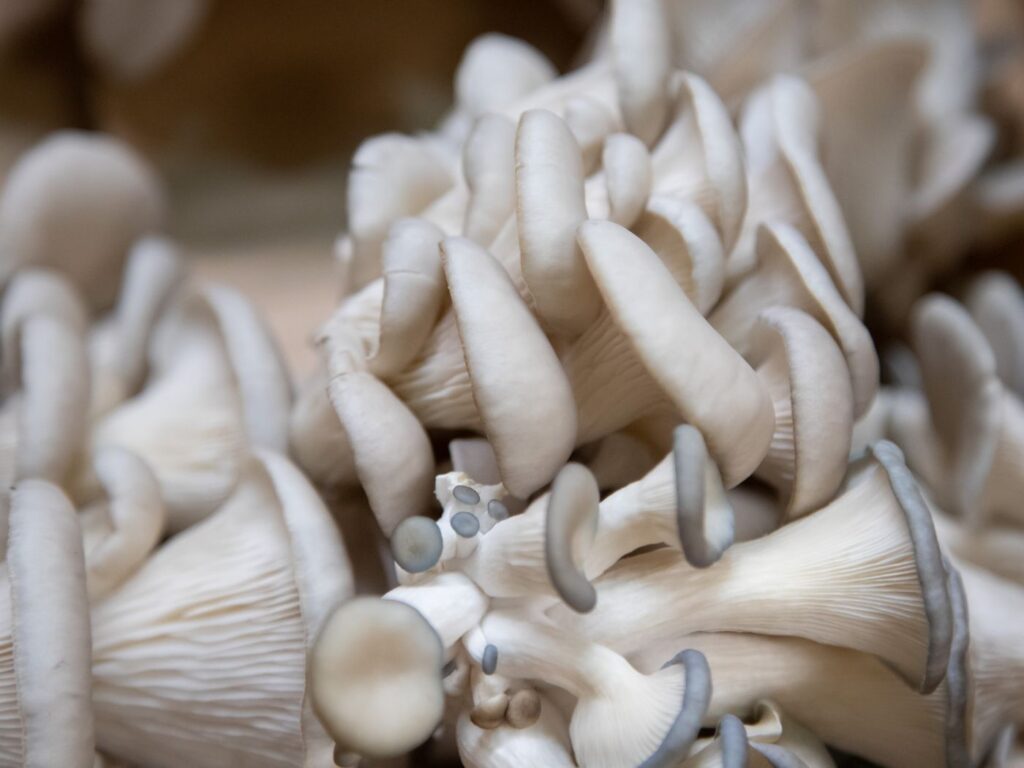
Here’s the catch, and the point where sources disagree. Early write-ups tied this edible-pod project to the Amazon fungus, but the fuller account tells a different story, that Unger’s working prototype actually relied on the common oyster mushroom, an ordinary edible fungus already found in grocery stores, rather than the rainforest species. That makes sense, since the Amazon fungus was never established as safe to eat. And either way, the Fungi Mutarium never left the prototype stage. You cannot buy these pods, and you won’t be able to any time soon.
Why Anyone Is Bothering
To understand why researchers chase discoveries like this one, it helps to sit with the scale of the problem. Since the 1950s, humanity has produced more than 8.3 billion tons of plastic, and a huge share of that has been packaging designed to be used once and thrown away. In the United States alone, landfills swallow tens of millions of tons of plastic every year. The stuff lingers because it was engineered to be durable, which is exactly what makes it so hard to get rid of once we’re done with it.
That durability is the whole reason a plastic-eating fungus turns heads. The approach it represents, using living organisms to break down pollution, offers a path that doesn’t rely on burning waste or burying it and hoping for the best.
What This Does and Doesn’t Mean
So where does this leave us? The discovery is real, and it genuinely mattered. It proved that an organism could live on plastic in conditions where cleanup is hardest, and it kicked off a wave of further research. Scientists have since identified other fungi capable of breaking down plastic, including edible ones, which opens up possibilities the original team may never have imagined.
But it is not a finished solution, and it would be a disservice to pretend otherwise. The fungus works on one type of plastic, but much of the work remains at the laboratory scale more than a decade later, and no one is currently deploying it to clean up oceans or landfills at any meaningful scale. It is a promising tool, not a cure.
The most honest takeaway is the one the sources themselves keep circling back to. The single most powerful thing any of us can do about plastic is to use less of it in the first place. A remarkable fungus quietly digesting polyurethane in a lab is a reason for hope about the plastic already choking the planet. It is not a permission slip to keep making more.
Study Source: Russell, J. R., Huang, J., Anand, P., Kucera, K., Sandoval, A. G., Dantzler, K. W., Hickman, D., Jee, J., Kimovec, F. M., Koppstein, D., Marks, D. H., Mittermiller, P. A., Núñez, S. J., Santiago, M., Townes, M. A., Vishnevetsky, M., Williams, N. E., Vargas, M. P. N., Boulanger, L., . . . Strobel, S. A. (2011b). Biodegradation of polyester polyurethane by endophytic fungi. Applied and Environmental Microbiology, 77(17), 6076–6084. https://doi.org/10.1128/aem.00521-11
Amazon rainforest, biodegradation, bioremediation, Ecuador, endophytes, Environmental Science, enzymes, fungi, Fungi Mutarium, Katharina Unger, mycology, oyster mushroom, Pestalotiopsis microspora, plastic decomposition, plastic pollution, plastic waste, plastic-eating fungus, polyurethane, sustainability, Yale study