
Your cart is currently empty!
The Man Who Gave Up Everything to Live Alone in a Forgotten Ghost Town
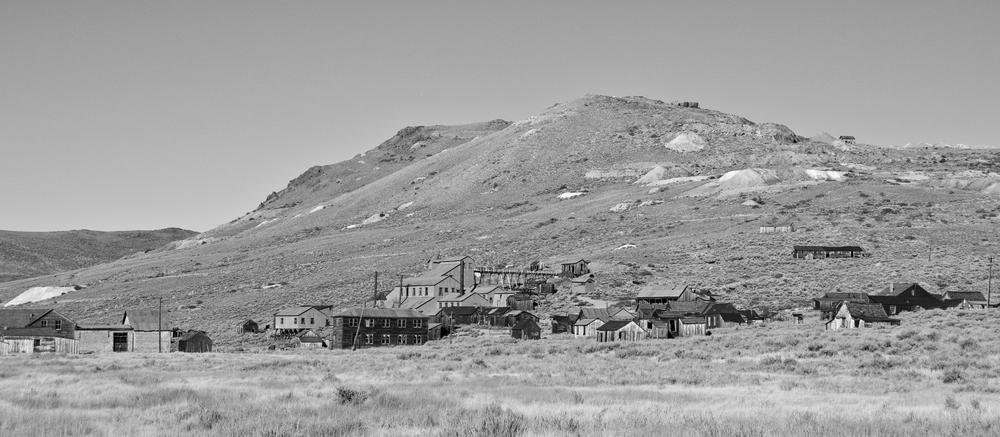
Most people would think twice about spending a weekend without cell service. Brent Underwood chose something far more extreme. He moved 8,200 feet into the California mountains, where he lives among the weathered remains of an abandoned 1800s mining town with no running water, a punishing mountain road, and winters capable of cutting him off from the outside world for days.
Contents
show
The 39-year-old left behind a comfortable apartment, close friends, and a supportive family to take on Cerro Gordo, a former silver-mining town sitting high above Death Valley. What began as an unusual real estate purchase has turned into a years-long mission to restore a place that most people would struggle to reach, let alone call home.
A Joke Text Led Him to Buy an Entire Town
Underwood had already spent years making his way west from his hometown of Tampa, Florida. He moved to New York City for graduate school and later settled in Austin, Texas, where he operated a bed-and-breakfast from a Victorian home dating back to the 1800s. In 2018, while searching for his next big project, a friend sent him a real estate listing for Cerro Gordo in the middle of the night. The message was partly a joke, but Underwood quickly became fascinated by what he saw and booked a flight to California to see the abandoned town for himself.
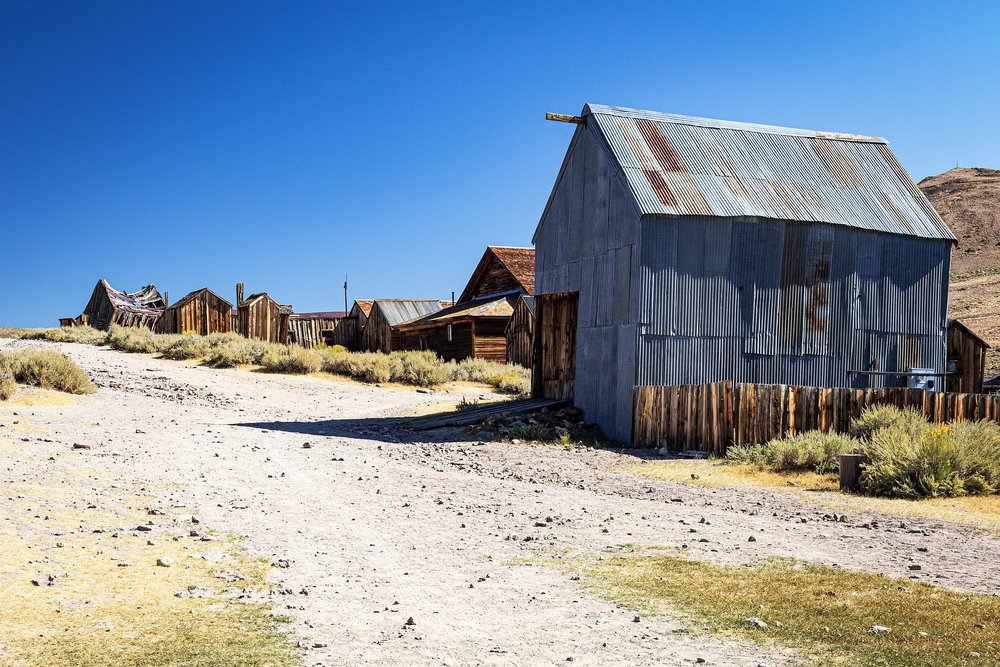
The photographs had not prepared him for the moment he rounded the final bend and saw Cerro Gordo appear in front of him. The collection of aging buildings looked as though it had been left behind by another century, sitting high in the mountains above Death Valley. The place also connected with a fascination he had carried since childhood. His grandfather loved Gunsmoke, and Underwood grew up captivated by stories of the American West, often pulling on cowboy boots and hats while exploring the swamps near his Florida home.
He eventually decided to buy Cerro Gordo for $1.4 million. At the time, the idea of becoming the owner of an abandoned mining town probably sounded like the kind of project that would remain a fascinating side adventure. Then the pandemic arrived in March 2020. Underwood headed to Cerro Gordo expecting to stay for a few months before returning to his normal life, but the temporary arrangement slowly became permanent.
Years later, he remains deeply connected to the town. “I left a comfortable life with a decent apartment, great friend group and supportive family to move to the middle of nowhere and try to figure it out,” he said. The romance of the Old West initially brought him there, but his reasons for staying have changed as the years have passed.
Life at 8,200 Feet Comes With Serious Problems
Cerro Gordo may offer spectacular views and a level of isolation few people ever experience, but daily life there requires constant planning. There is no running water, the nearest grocery store is about two hours away, and the road leading into town climbs nearly 5,000 feet in less than eight miles. A forgotten supply can turn into an all-day problem, while bad weather can make the road impossible to travel.
Winter brings an entirely different level of difficulty. Snowstorms can leave Underwood stranded for days, water lines can freeze, and internet access can disappear. Staying warm becomes a daily concern, while food and other supplies have to be carefully managed. The lack of cell service adds another layer to the isolation, making Cerro Gordo a place where the outside world can suddenly feel very far away.
Some of the biggest challenges include:
- Long supply trips: The nearest grocery store is around two hours away.
- Harsh winter weather: Snow can cut off access to the town for days.
- Frozen infrastructure: Water lines can freeze during extreme cold.
- Unreliable connectivity: Internet service can disappear when conditions worsen.
- No cell service: Communication is far more difficult than it would be in an ordinary town.
The hardest part, however, is often not one dramatic disaster. It is the steady accumulation of small problems. Equipment breaks, supplies run low, weather changes, and simple tasks require far more preparation than they would elsewhere. Living in a century-old mining town means that something almost always needs attention.
His Morning Starts With Animals and Heavy Labor
Despite the extreme setting, Underwood’s days are packed with work. He begins each morning by feeding his goats, alpacas, and chickens before moving on to physical projects around the property. The cooler morning hours are especially important because the heat can become intense later in the day. His current work includes shoveling rocks, insulating spaces, and backfilling the basement of the American Hotel, one of the most significant restoration projects in town.
The American Hotel once stood as the original hotel in Cerro Gordo before it burned down in 2020. Rebuilding it has become a major part of Underwood’s vision for the town’s future. Once the heat drives him indoors, his work shifts from manual labor to coordinating a huge number of people involved in the restoration, including contractors, designers, engineers, architects, builders, suppliers, and government officials.
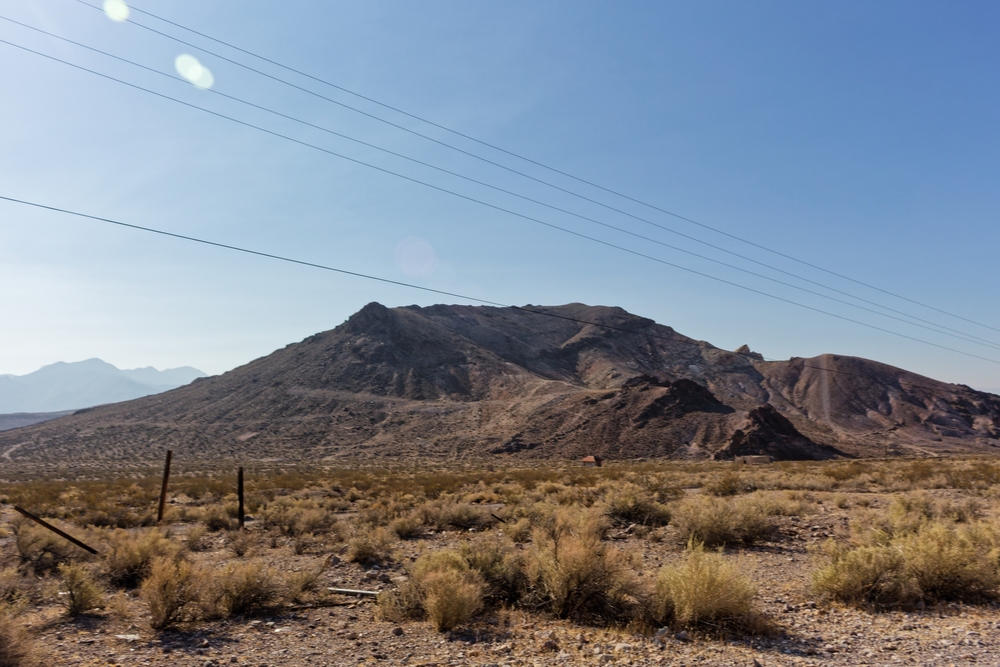
The contrast between his morning and evening routine is striking. After spending hours working on aging buildings and infrastructure, Underwood often takes his dirt bike to a peak above town to watch the sun go down. From there, he can see the Sierra Nevada and the snow-capped peaks surrounding Mt. Whitney to the west, while Death Valley stretches out to the east.
“One of my favorite scenes up here is watching the light chase the shadows down the Sierra Nevada across the valley and into the valley floor,” he said. For all the difficulties that come with the location, the landscape remains one of the reasons the place continues to hold such a powerful grip on him.
Living Alone Changed How He Thinks About Solitude
Underwood has always considered himself an introvert, but years in a ghost town have challenged some of the popular fantasies surrounding isolation. Many people imagine that escaping society would solve their problems or allow them to become a completely different version of themselves. Cerro Gordo strips away many distractions, but it does not remove whatever a person brings with them.
“At first it was the romance that drew me out here, the West, the mines, the abandoned buildings and possibility of adventure,” he said. “Six years later, the romance is still there, but what keeps me here has changed.” He now feels a responsibility to the history of the place, the people who helped build it, and the future he hopes to create there.
He has also reached a firm conclusion about the idea that solitude automatically fixes personal problems. “Solitude doesn’t fix anything,” he said. The isolation can remove distractions that people use to avoid difficult thoughts, but it also means there are fewer places to hide from those thoughts.
“The town can take away distractions you were using to avoid yourself, but up here it will just be you and that question, at 8,200 feet, in the winter, with no cell service,” he said. Some visitors find that experience clarifying, while others discover very quickly that complete isolation is far more difficult than they expected.
A Camera Turned His Isolated Life Into a Viral Story
Underwood did not arrive at Cerro Gordo intending to build a huge online following. During the pandemic, he borrowed a Sony A7 camera because he wanted to learn astrophotography. The town sits in a dark-sky area, and photographing the stars seemed like a natural hobby for someone suddenly living in such an isolated place.
He began filming other parts of his life as well. The abandoned buildings, restoration projects, remote landscape, and daily challenges gave him a unique perspective to share. “I realized it was a unique time in all our lives, so I started to capture some of it on video as well,” he said. He also discovered a creative side he had not explored much earlier in life.
One video eventually went viral, and the audience that followed changed the project in ways Underwood could not have predicted. He now has more than 3 million followers on TikTok and nearly half a million on Instagram, where he documents restoration work, explores abandoned mines, and shows what life in a remote ghost town actually looks like.
The internet created a strange contrast. A man living in one of the most isolated places imaginable was suddenly connected to millions of people around the world. Some of those viewers eventually decided that watching was not enough and began making the difficult journey to Cerro Gordo themselves.
Hundreds of People Are Bringing the Town Back
The project that once revolved around one man’s attempt to restore a forgotten place has gradually become a shared effort. More than 300 people recently gathered at Cerro Gordo for the Silver Run, an annual footrace that Underwood believes may have been the largest gathering in the town since its mining heyday. For a place once defined by silence and abandonment, the sight of hundreds of people arriving in the mountains represented a dramatic transformation.
The sense of community has also appeared during the restoration work itself. At one point, Underwood needed concrete poured for the new hotel, but no company was willing to make the difficult trip into Cerro Gordo. Instead, around a dozen volunteers from different backgrounds came together to do the work themselves, mixing and pouring 40 yards of concrete.
The task was exhausting, but Underwood remembered people laughing and singing while they worked. He stepped away at one point and watched the scene unfold around him. “What started off as a very solo and insular project has grown to a very shared project, and that gives me a lot of hope for the future of the town,” he said.
His personal relationships have also become part of the town’s strange new history. One of his close friends recently chose Cerro Gordo as the location for his wedding. “He could have gotten married anywhere and chose the ghost town,” Underwood said. For an afternoon, a place he had often experienced in near-total isolation was filled with people celebrating together.
He Wants Visitors Without Turning It Into a Theme Park
Underwood’s next goal is completing the American Hotel, which is expected to include eight rooms, a bar, and a restaurant. He also hopes to eventually add cabins around the main town site and dry campsites overlooking Death Valley. The plan would allow visitors to spend enough time there to experience the changing landscape at sunrise and sunset rather than simply arriving, taking photographs, and leaving.
Bringing more people to Cerro Gordo creates a difficult balancing act. Its remoteness is one of the main reasons it feels so different from an ordinary tourist destination. Making the town more accessible and comfortable could also risk removing the rough edges that make it memorable.
“I do not want Cerro Gordo to become some polished resort or theme park attempt at a ghost town,” Underwood said. He wants visitors to have enough comfort to enjoy their stay while still experiencing the isolation, history, and difficulty of being high in the mountains.
“The challenge is bringing the town back without erasing the edges that make it powerful,” he added. That may be the strangest part of Underwood’s story. He moved into Cerro Gordo looking for isolation, and now his biggest challenge is deciding how to bring the forgotten town back to life without changing the very thing that made him fall in love with it.