
Your cart is currently empty!
The New ‘DNA’ Law at US Airports Explained and Why Travelers Are Paying Attention
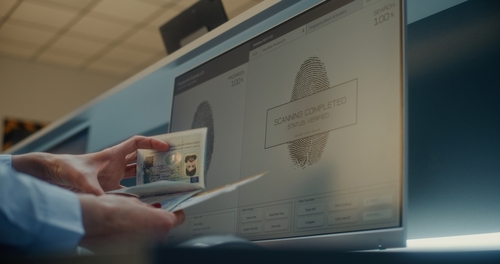
International travel to the United States has long involved layers of checks and procedures, but the experience facing travelers after December 26 marks a noticeable shift in how deeply governments can look into personal identity. What was once limited to passports, visas, and the occasional fingerprint has now expanded into a system that relies heavily on biometric technology, quietly reshaping the border experience for millions of people. For many travelers, the changes are not immediately obvious until they reach the airport gate and are asked to pause for a facial scan that instantly becomes part of a permanent government record.
Contents
show
The new policy, introduced under the Trump administration, has sparked widespread debate because of both its scope and its longevity. Facial recognition images collected at U.S. airports can now be stored for up to 75 years, effectively for the rest of a person’s life. In some circumstances, border officials may also request additional biometric data such as fingerprints or even DNA from non-U.S. citizens. While officials insist these measures are about efficiency and security, critics argue that the rules push the boundaries of privacy and raise serious questions about how much personal data travelers should be expected to surrender simply to cross a border.

What Actually Changed on December 26
The policy that came into effect on December 26 significantly expanded the federal government’s authority to collect biometric data from non-U.S. citizens entering or leaving the country. Facial recognition photos are now taken as part of routine airport screening, matched against existing government databases, and stored for decades. According to Reuters and Metro, this system is no longer optional or limited to pilot programs but is now embedded into standard border procedures.
For travelers, the process often happens quickly and without much explanation. A camera captures an image, software verifies identity, and the traveler moves on. What many do not realize is that this brief interaction creates a long term record that can follow them for the rest of their lives. Supporters of the system argue that it speeds up processing times and reduces fraud, but the permanence of the data has become one of the most controversial aspects of the policy.
The length of data retention has drawn particular scrutiny. Storing biometric information for up to 75 years means that a single international trip could result in lifelong inclusion in federal databases. Privacy advocates warn that once data exists for that long, it becomes vulnerable to misuse, mission creep, or future policy changes that expand how the information can be accessed or shared.

Why DNA is Suddenly Part of the Conversation
The mention of DNA in the new rules has alarmed many travelers, though officials stress that it is not intended for routine tourism screening. Under the expanded authority, the Department of Homeland Security can request additional biometric data from non-U.S. citizens in certain cases. This can include fingerprints, photographs, and in more extreme situations, DNA samples.
According to a government newsroom release, these biometrics will “generally” not be taken unless a person is in “removal proceedings” and has a pending case with the Executive Office for Immigration Review. However, civil liberties groups have pointed out that the wording leaves room for interpretation and future expansion, especially as immigration enforcement priorities shift.
Critics argue that even if DNA collection is rare, formally allowing it at ports of entry represents a significant legal and ethical step. Once the authority exists, they say, it becomes easier to broaden its use over time. The idea that genetic material could be requested at an airport has fueled fears that border control is moving toward an increasingly invasive model.

Children and elderly travelers are no longer exempt
One of the most striking changes in the new policy is the removal of age-based exemptions. Until now, travelers under the age of 14 and adults over the age of 79 were generally excluded from biometric data collection. Those protections have now been eliminated, meaning travelers of any age can be subject to facial recognition and other biometric screening.
For families, this change has been particularly unsettling. Parents have raised concerns about their children’s biometric data being collected and stored for decades, long before those children can understand or consent to how their information might be used in the future. The idea that a child’s face scan could remain in a government database well into adulthood has intensified privacy worries.
Elderly travelers and advocacy groups have also questioned the necessity of including every age group. They argue that removing exemptions may offer minimal security benefits while significantly expanding the scope of surveillance. The policy shift suggests a move toward universal biometric monitoring rather than targeted enforcement.

The Government’s Justification for the Policy
The Trump administration has defended the changes as a necessary modernization of the immigration system. In official statements, the policy is described as a way to “deter the filing of frivolous claims and provide operational consistency” across ports of entry. Officials argue that biometric verification reduces identity fraud and helps enforce visa rules more effectively.
Supporters say that facial recognition technology is already widely used in smartphones, airports, and private sector security systems, and that applying it to border control is a logical step. They also claim that automated systems can be more accurate and efficient than manual document checks, especially as international travel continues to rebound.
However, critics counter that efficiency should not come at the expense of transparency and accountability. They argue that travelers are often given little information about how their data will be used, who can access it, or what safeguards exist to prevent abuse. Without clear limits, they fear the system could quietly expand beyond its original purpose.
Civil Rights Concerns and Accuracy Issues
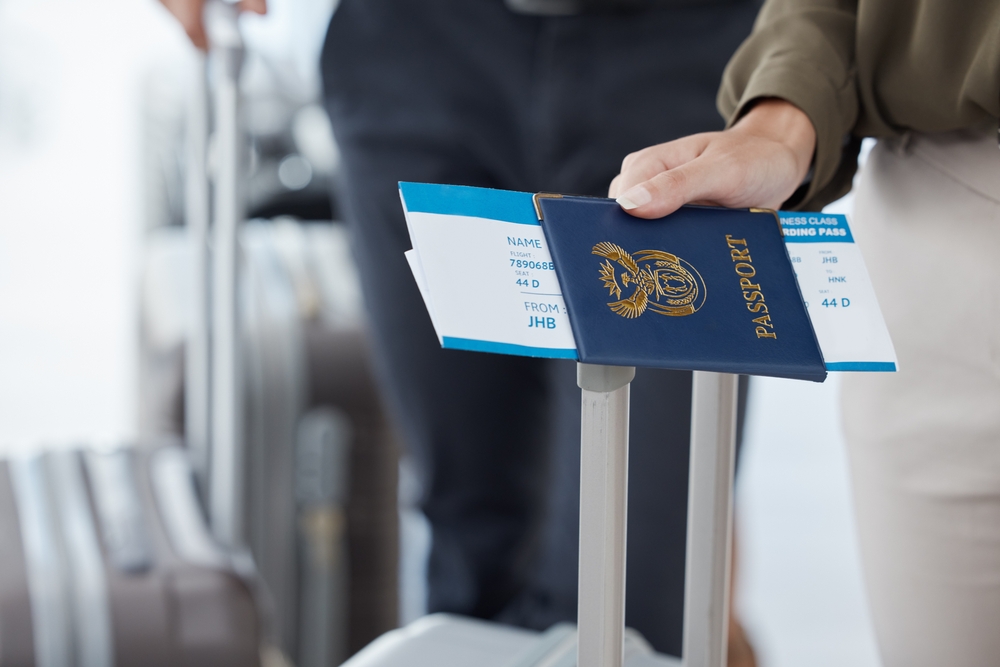
The expanded use of biometric technology has raised serious concerns among civil rights organizations. A 2024 report by the U.S. Commission on Civil Rights found that facial recognition software was more likely to misidentify Black people and other ethnic minority groups. These findings have fueled fears that the technology could disproportionately impact certain travelers.
Misidentification at a border crossing can have serious consequences, including additional questioning, delays, or even temporary detention. Advocates warn that errors in facial recognition systems could compound existing biases in immigration enforcement, leading to unequal treatment.
The long term storage of biometric data also amplifies these concerns. When data is retained for decades, even small error rates can affect large numbers of people over time. Critics argue that the risks associated with misidentification and bias should be addressed before such systems become universal.
A Broader Tightening of Travel Rules
The biometric expansion is part of a wider set of changes affecting international travelers to the United States. In recent months, the cost of the ESTA has been increased, and five new countries, Burkina Faso, Mali, Niger, South Sudan, and Syria, have been added to a travel ban set to take effect on January 1.
Together, these measures signal a broader effort to tighten immigration controls and reduce visa overstays. Supporters see them as necessary steps to protect national security, while critics argue they risk discouraging tourism and international cooperation.
Travel industry analysts have warned that increased costs and invasive screening could make the United States a less attractive destination, particularly for leisure travelers who have alternative options. The long term economic impact of these policies remains an open question.
Social Media and Personal Data Under Review
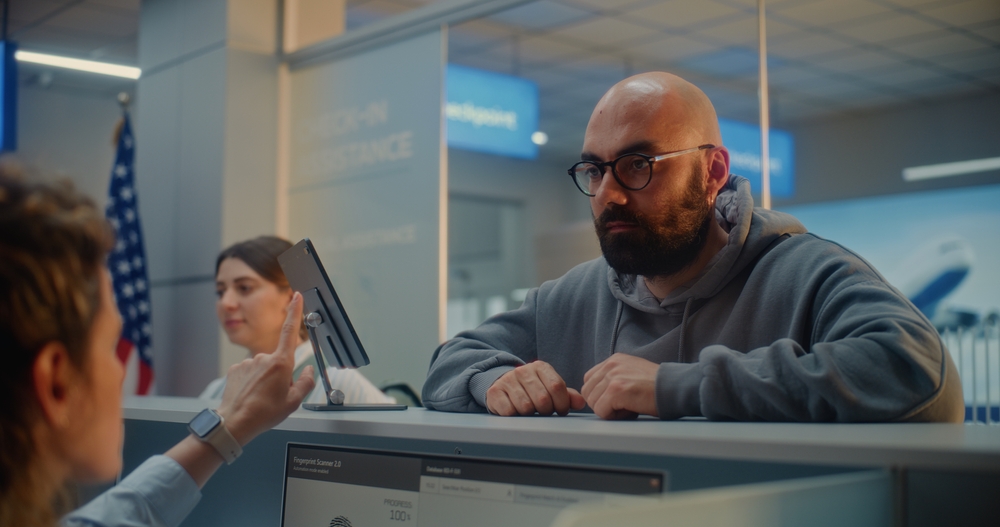
Biometric scans may not be the end of increased scrutiny for travelers. A proposal filed by U.S. Customs and Border Protection would require applicants for an ESTA to submit up to five years of social media history, along with phone numbers, email addresses, and the names of family members.
If approved, social media accounts would become a mandatory part of the travel authorization process for visitors from 42 countries. The proposal cites Executive Order 14161, which aims to “protect citizens from aliens who intend to commit terrorist attacks, threaten our national security, espouse hateful ideology, or otherwise exploit the immigration laws for malevolent purposes.”
Privacy experts warn that such requirements could chill free expression and create uncertainty about what online activity might trigger additional scrutiny. They argue that combining social media vetting with biometric data collection represents a significant expansion of government oversight into personal lives.
Public Reaction and Growing Unease
Public reaction to the new policy has been intense, particularly on social media. Some users have described the changes as “Unnecessary and dystopian,” while others said it feels like “something out of a sci-fi movie.” Another wrote that the administration is “actively trying to tank your own tourism industry.”
One user warned, “We are losing our autonomy slowly but surely. We shouldn’t force on other countries what we do not want in our own facial recognition, digital ID, trackers etc.” These comments reflect a broader anxiety about how quickly surveillance technologies are becoming normalized.
Others defend the policy, arguing that border security has always required trade-offs and that those with nothing to hide should not fear additional screening. The divide highlights a fundamental disagreement about privacy, security, and the role of technology in everyday life.
What Travelers Should Be Prepared For
For travelers planning trips to or through the United States, understanding the new rules is essential. Facial recognition scans are now a routine part of airport screening, and age exemptions no longer apply. In certain cases, officials are legally permitted to request additional biometric data from non-U.S. citizens.
Travelers should also be aware that refusing biometric screening may lead to delays or further questioning. While the government says additional biometrics are generally limited to specific cases, the authority to request them now exists.
Staying informed about ESTA changes, data requirements, and evolving policies can help travelers make informed decisions before booking a trip.
A New Era of Travel Surveillance
The introduction of expanded biometric screening at U.S. airports marks a significant moment in the evolution of global travel. What was once a straightforward exchange of documents has become a deeply data-driven process that captures faces, fingerprints, and in some cases genetic information.
Supporters see these measures as the future of secure and efficient travel. Critics see them as a warning sign that personal privacy is steadily eroding. As more countries explore similar technologies, travelers may increasingly be forced to confront how much of their identity they are willing to give up in exchange for access to the world.