
Your cart is currently empty!
The Only Chakra Test Out There That Is Actually Accurate

In today’s digital age, online quizzes have become a popular pastime. Whether it’s discovering which fictional character matches your personality or determining your spirit animal, the internet is flooded with entertaining and light-hearted tests. However, when it comes to deeper self-awareness or personal growth, most of these quizzes fall short. They often lack the depth, thoughtfulness, and accuracy needed to provide meaningful insights. For individuals genuinely seeking to understand themselves on a more profound level, such tests can feel disappointing and superficial.
Contents
show
This is especially true for chakra-based quizzes, which claim to reveal the state of your energy centers. Most of these tests rely on generic questions and oversimplified results that do little to enhance your understanding of your chakras or their impact on your life. For example, many such quizzes assume they can analyze complex emotional and physical experiences with just a few clicks. While they may offer a brief moment of entertainment, they rarely provide actionable insights or help you uncover areas for growth and balance.
That’s why discovering a chakra test that actually works can feel like a game-changer. A friend recently reminded me of a particular test I had encountered years ago, one that stood out from the crowd for its reliability and depth. Unlike the many frivolous quizzes online, this test takes a thorough and evidence-based approach. It doesn’t just skim the surface; it digs deep into how your behaviors, emotions, and physical sensations relate to your chakras.
What makes this test unique is its focus on real-life experiences and the nuanced ways our chakras influence them. From financial struggles tied to your root chakra to emotional disconnection stemming from your heart chakra, the test connects these energy centers to tangible aspects of your life. By analyzing how you respond to a wide array of questions, it paints a detailed picture of which chakras are open, closed, or in need of attention.
This level of accuracy is rare, especially in the online quiz world. By answering as honestly as possible, users can gain powerful insights into their personal energy flow and identify specific areas that require balance. Whether you’re new to chakras or have been exploring energy work for years, this test offers a valuable tool for self-discovery and personal growth.

The Problem with Online Quizzes
In an era where online quizzes are abundant, it’s easy to get caught up in their allure. These quizzes promise quick insights into our personalities, preferences, or even spiritual energies. However, many of these tests are little more than clickbait, designed to entertain rather than inform. They often oversimplify complex aspects of human nature, offering vague and generalized results that don’t hold up under scrutiny.
This is particularly evident with chakra-related quizzes. Chakras, which represent vital energy centers within the body, play a significant role in our emotional, mental, and physical well-being. Yet, most chakra quizzes fail to approach the topic with the seriousness it deserves. Instead of delving into meaningful questions about personal behavior, energy flow, and emotional patterns, they rely on superficial questions that barely scratch the surface. The results, unsurprisingly, end up feeling random and unhelpful.
For anyone genuinely seeking to understand the balance of their chakras, these shallow quizzes can be a source of frustration. They may offer a moment of fun, but they lack the depth necessary to provide actionable insights. This leaves many people searching for a test that is not only engaging but also rooted in accuracy and genuine understanding.
What Sets This Chakra Test Apart
Unlike the countless online quizzes that disappoint, this chakra test distinguishes itself through its precision and comprehensive nature. It goes beyond the typical surface-level approach, using in-depth questions to assess the state of each chakra. Rather than relying on vague or one-size-fits-all assessments, this test considers the unique aspects of your emotional, mental, and physical experiences to provide meaningful insights.
The test works by analyzing your responses to a series of carefully curated questions. These questions explore areas such as your sense of security, emotional connections, self-confidence, communication patterns, and even your level of spiritual awareness. For instance, it may ask whether you feel grounded in your daily life, whether you express your emotions freely, or whether you experience a sense of clarity in your thoughts and actions. Each response contributes to a detailed picture of your overall energy flow and reveals which chakras are open, closed, or imbalanced.
What truly sets this test apart is its accuracy. It doesn’t rely on gimmicks or shortcuts; instead, it uses a holistic approach that ties your responses to specific chakras and their corresponding life areas. For example, if the results indicate issues with your solar plexus chakra, it may point to struggles with self-esteem or willpower. Similarly, an imbalance in the heart chakra might reveal difficulties in forming deep, meaningful connections with others.
This level of depth ensures that the results feel personal and relevant, rather than generic or arbitrary. By answering honestly, you gain valuable insights into areas of your life that may need attention, providing a clear path for self-improvement and energy alignment.
Understanding Your Chakras and Their Impact
The concept of chakras has been part of spiritual traditions for centuries, representing the body’s energy centers and their connection to various aspects of life. Each chakra corresponds to a specific area of physical, emotional, and spiritual well-being. Here’s a closer look at how each chakra functions and what it means when they’re open or blocked:
- Root Chakra:
This chakra represents your foundation and sense of security. When blocked, it may manifest as financial instability or a lack of safety in your environment. Balancing this chakra helps you feel grounded and secure. - Sacral Chakra:
The center of creativity, passion, and emotions. A closed sacral chakra may lead to emotional suppression or feelings of disconnection from your desires and relationships. Opening this chakra can reignite your creative and emotional energy. - Solar Plexus Chakra:
Linked to self-esteem and personal power, this chakra governs your confidence and ability to take control of your life. Imbalances here can lead to self-doubt, lack of motivation, or struggles with asserting yourself. - Heart Chakra:
The heart chakra connects you to love, compassion, and the feeling of unity with others. When blocked, it can create emotional barriers and a sense of isolation. Opening this chakra fosters deeper connections and emotional healing. - Throat Chakra:
This chakra governs self-expression and communication. A blocked throat chakra may result in feelings of shyness, difficulty speaking up, or trouble articulating thoughts. Balancing it allows for clear and confident communication. - Third Eye Chakra:
The center of intuition and insight, the third eye chakra helps you see beyond the physical world. Blockages here may lead to confusion, lack of clarity, or an inability to trust your instincts. - Crown Chakra:
Representing spiritual connection and higher understanding, the crown chakra ties you to the universe’s energy. A closed crown chakra may leave you feeling disconnected or lost. When open, it fosters a sense of peace and a deep understanding of life’s greater meaning.
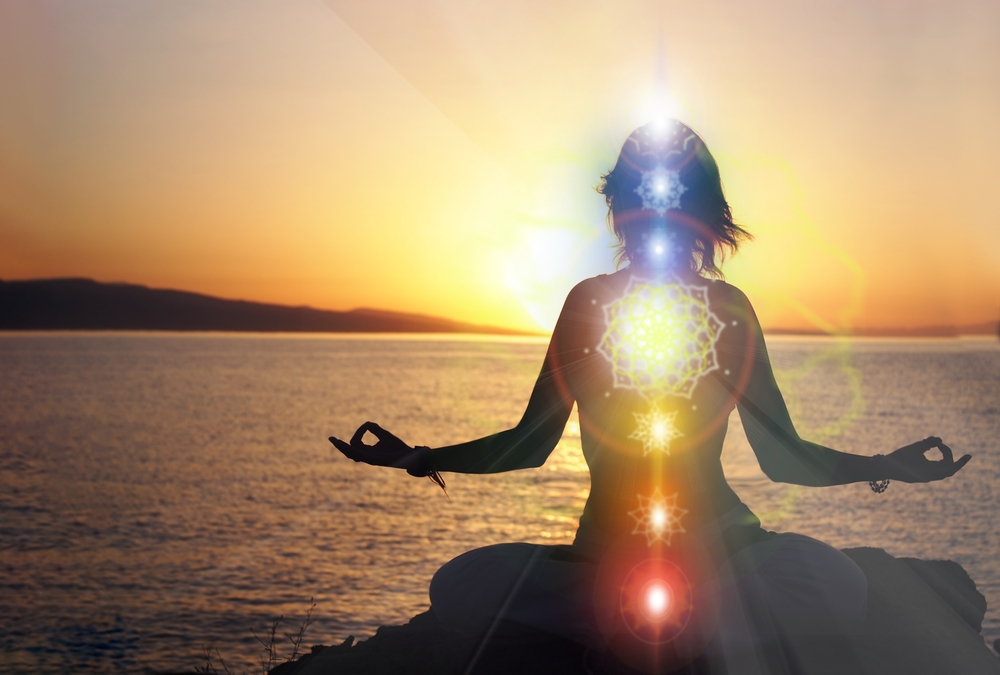
Practical Steps to Balance Your Chakras
Once you’ve identified the imbalances in your chakras, the next step is to take practical actions to restore harmony. While the results of a test can be enlightening, the real transformation comes from the effort you put into aligning your energy centers. Simple practices tailored to each chakra can make a significant difference in your emotional and physical well-being.
For example, grounding exercises such as walking barefoot on natural surfaces or practicing yoga can help balance your root chakra. To open your heart chakra, you might focus on fostering compassion through acts of kindness or meditating on feelings of love and gratitude. Each chakra requires different techniques, and learning which methods work best for you can turn this process into a rewarding journey.
In addition to personal practices, seeking guidance from experts in energy healing or chakra alignment can further enhance your progress. Professionals trained in Reiki, meditation, or breathwork can offer insights and tools that are difficult to access on your own. These practices not only balance your chakras but also help you develop a deeper connection with yourself and your energy system.
Chakras and Holistic Health
Chakras are not isolated components; they are deeply interconnected with your overall health and well-being. When balanced, they create a ripple effect that positively impacts your physical body, emotional state, and mental clarity. Conversely, when chakras are blocked or misaligned, they can contribute to a range of issues, from chronic stress to emotional instability.
For example, studies in energy healing suggest that balancing chakras can reduce stress and improve sleep quality, as these energy centers are linked to the body’s nervous system. The sacral chakra’s connection to emotions can influence how we process trauma, while the heart chakra’s alignment may impact cardiovascular health. These connections highlight the importance of addressing imbalances not just for spiritual growth but also for overall health.
By integrating chakra work into a holistic wellness routine, you can enhance your quality of life. Combining chakra balancing with practices like healthy eating, regular exercise, and mindfulness creates a synergistic effect that supports your entire system. This approach helps you feel more connected, energized, and in tune with both yourself and the world around you.