
Your cart is currently empty!
The Real Reasons People Stop Wanting to Leave the House With Age

As people move through adulthood, priorities begin to change in ways that feel natural rather than forced. What once felt exciting can slowly begin to feel exhausting, while things that once seemed boring start to feel deeply satisfying. This shift does not happen overnight. It happens quietly, through experience.
Contents
show
Losing interest in leaving the house is not about withdrawing from the world. It is about understanding what truly brings peace. Comfort, control, and calm start to matter more than novelty. Home becomes less of a place you return to and more of a place you choose.
1. Comfort Becomes Non-Negotiable
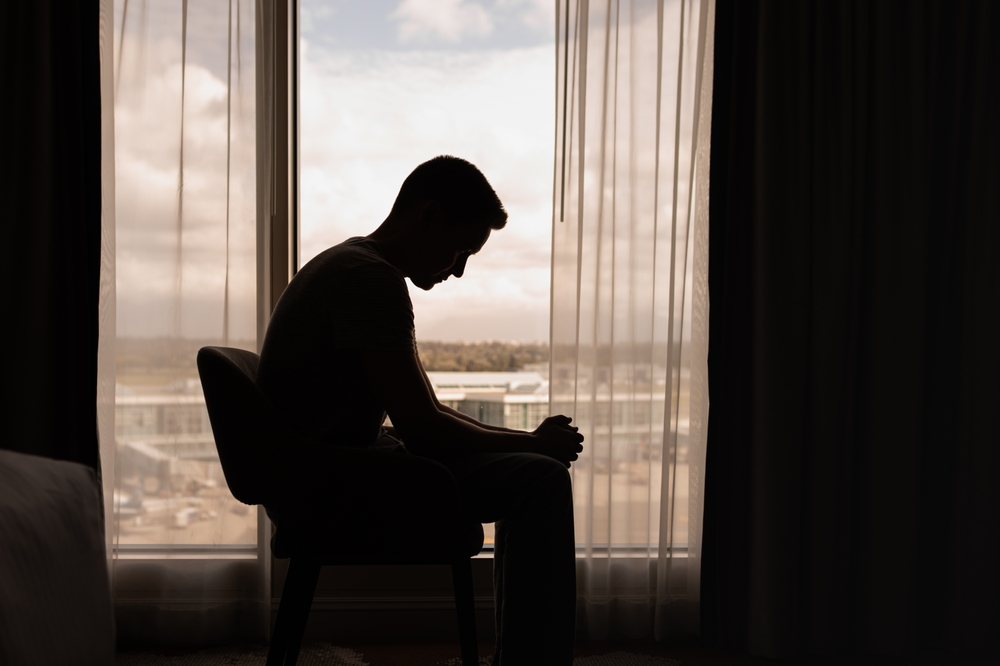
As people get older, the body becomes more honest. Hard chairs, long periods of standing, and noisy environments that once felt tolerable start to feel genuinely uncomfortable. Physical signals asking for rest or support are no longer easy to ignore.
At home, comfort is intentional. Furniture is chosen carefully, lighting is adjusted thoughtfully, and everything is arranged to reduce strain. Leaving that environment means stepping into spaces that were not designed with your comfort in mind.
Over time, comfort stops feeling like an indulgence and starts feeling like a requirement. Staying home allows the body to exist without resistance.
2. Pajamas Win Every Argument
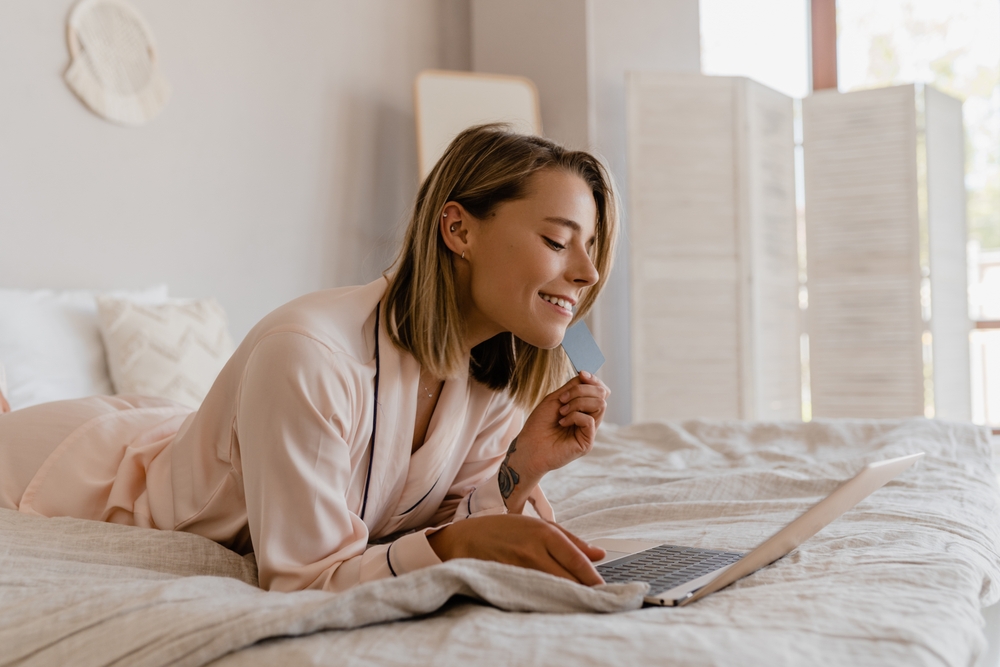
Soft clothing becomes more than a nighttime habit. Loose fabrics, elastic waistbands, and worn-in favorites feel better than stiff outfits chosen for appearance alone.
Dressing up once carried excitement. Over time, it can begin to feel performative. Choosing comfort becomes an act of self-respect.
Staying home removes the pressure to look a certain way and allows people to prioritize how they feel instead.
3. Home Feels Carefully Designed
Living spaces evolve alongside the people in them. Furniture placement changes based on real use, not trends. Lighting is chosen for comfort, not aesthetics alone.
Over time, home becomes a reflection of habits and personality. Everything has a purpose shaped by daily life.
Leaving that space means stepping into environments that feel unfamiliar and uncontrolled, making home harder to leave.
4. The Couch Becomes Essential
The couch becomes one of the most important objects in the house. It supports tired bodies, long conversations, and moments of rest.
Public seating rarely compares. Restaurant chairs and waiting room seats feel temporary and unforgiving.
Once a couch fits perfectly, staying home becomes an easy decision.
5. Snacks Are Always Better at Home
Eating out once felt exciting. Over time, it can feel unpredictable and expensive. At home, food choices are familiar and reliable.
Favorite snacks are stocked intentionally. Meals are prepared exactly how they are enjoyed.
Knowing what is available removes uncertainty, making staying in feel satisfying.
6. Going Out Feels Like Effort
Leaving the house starts to feel like a process. Shoes, keys, traffic, crowds, and noise all require energy.
The effort involved can outweigh the reward, especially after long days of responsibility.
Staying home eliminates those barriers and conserves energy.
7. Quiet Starts to Matter
Noise can feel energizing when life is fast. Over time, it becomes overwhelming.
Crowded places create mental fatigue. Silence becomes something the body and mind crave.
At home, quiet is available whenever it is needed.
8. Entertainment Comes to You
Movies, shows, concerts, and talks are instantly accessible at home.
Planning becomes unnecessary, and comfort replaces inconvenience.
Entertainment fits easily into daily life, making outings feel optional.
9. Routine Brings Stability
Daily routines provide structure and grounding.
Simple rituals create emotional balance and predictability.
Staying home protects those rhythms.
10. Home Bathrooms Are Better
Public bathrooms lose appeal quickly with age.
At home, everything is familiar, clean, and reliable.
That comfort becomes surprisingly important.
11. Small Talk Loses Its Appeal
As people grow older, their tolerance for surface-level conversations often decreases. Talking about the weather, distant acquaintances, or topics that carry no real meaning can begin to feel draining rather than pleasant. What once felt polite can start to feel like an unnecessary use of energy.
With experience comes a clearer sense of what conversations feel worthwhile. Depth becomes more valuable than politeness. People begin preferring fewer conversations that feel genuine over many that feel empty.
Staying home removes the pressure to engage in talk that feels forced. Silence becomes comfortable, and meaningful connection is saved for moments that truly matter.
12. Delivery Makes Leaving the House Optional
Modern convenience has changed daily life dramatically. Groceries, meals, prescriptions, and household essentials can all be delivered directly to the front door with minimal effort. Tasks that once required time, planning, and energy now happen quietly in the background.
As this convenience becomes normal, the need to leave the house decreases. Running errands no longer feels necessary when everything arrives on schedule.
Staying home begins to feel efficient rather than lazy. When daily needs are met without effort, leaving the house becomes a choice rather than an obligation.
13. Pets Become the Best Company
Over time, relationships with pets often deepen. Animals provide companionship without judgment, expectations, or emotional demands. Their presence feels calming and consistent.

Pets do not require conversation or explanation. They offer comfort simply by being nearby, creating routines that feel grounding.
Leaving them behind can feel unnecessary when staying home offers warmth, loyalty, and peace that cannot always be found elsewhere.
14. Fear of Missing Out Slowly Disappears
When people are younger, there is often pressure to be everywhere and experience everything. Missing events can feel like missing opportunities. Over time, that pressure begins to fade.
Experience brings perspective. People realize that not every event is meaningful, and not every invitation deserves energy.
Staying home no longer feels like missing out. It feels like choosing what actually matters.
15. Favorite Chairs Become Irreplaceable
A familiar chair becomes more than a place to sit. It supports the body in just the right way and fits naturally into daily routines.
Public seating rarely offers that same comfort. Chairs elsewhere feel temporary and unsupportive by comparison.
Staying home means always having access to that familiar comfort, making other options feel unnecessary.
16. Indoor Hobbies Become Fulfilling
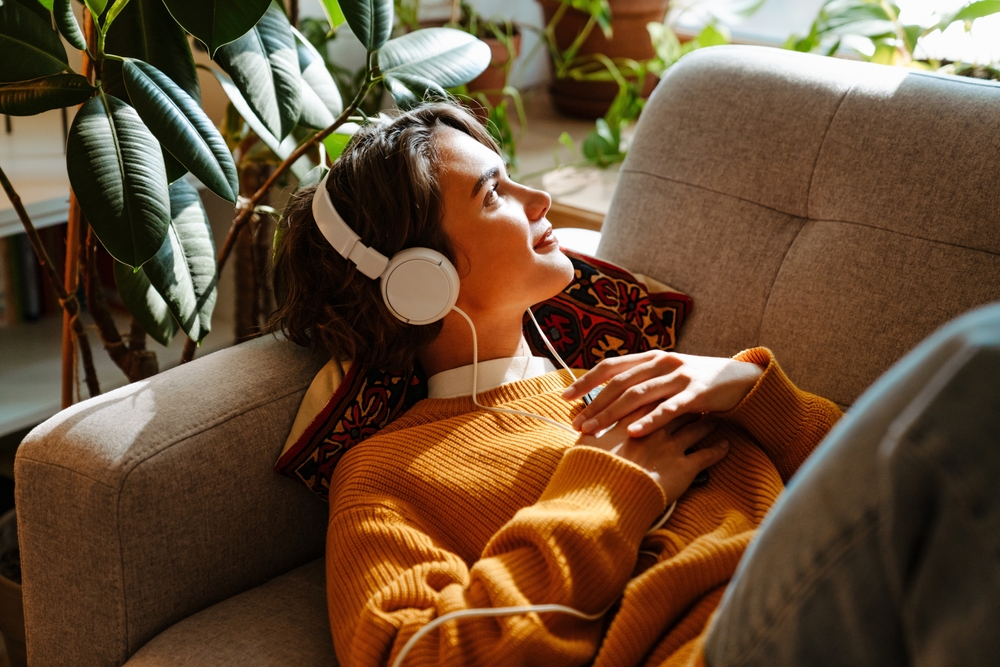
As social priorities shift, people often rediscover hobbies that thrive indoors. Reading, baking, crafting, writing, or learning new skills provide quiet satisfaction.
These activities allow focus without interruption. Creativity feels more accessible without the noise and pressure of external environments.
Staying home creates space for hobbies to grow, turning quiet time into something meaningful.
17. Rest Gains Real Importance
In younger years, rest can feel unproductive or even indulgent. Staying busy often feels like an achievement. Over time, that mindset changes.
Experience reveals how essential rest truly is. The body and mind both require recovery, and ignoring that need becomes harder.
Staying home allows rest without guilt. Stillness becomes a form of care rather than avoidance.
18. Weather Stops Dictating Plans
Weather once had the power to ruin plans or cause stress. Rain, heat, or cold could derail an entire day.
As staying home becomes more appealing, the weather loses its influence. Comfort remains consistent indoors regardless of conditions outside.
Plans no longer depend on forecasts, creating a sense of ease and control.
19. Hosting at Home Feels More Natural
Going out with friends can involve noise, time limits, and distractions. Conversations are often rushed or interrupted.
Hosting at home removes those barriers. The environment feels relaxed and familiar, allowing people to connect more deeply.
Staying home transforms socializing into something calm and enjoyable rather than exhausting.
20. Parking Stops Being Worth the Stress
Parking challenges can turn simple outings into frustrating experiences. Circling blocks, paying meters, and navigating tight spaces drain patience.
Over time, that stress feels unnecessary. The inconvenience begins to outweigh the benefit of going out.
Staying home eliminates the issue entirely, making the choice feel obvious.
21. Social Media Replaces Casual Catch-Ups
Keeping up with friends once required physical presence. Now, updates are easily accessible through messages and posts.
While not a replacement for deep connection, this accessibility reduces the need for frequent outings.
Staying home no longer means being disconnected from others.
22. Familiarity Feels Safe and Comforting
New places once felt exciting. Over time, they can begin to feel repetitive or overwhelming.
Familiar environments offer predictability and ease. Knowing what to expect reduces stress.
Home becomes the most reliable and comforting option.
23. Energy Is Spent More Intentionally
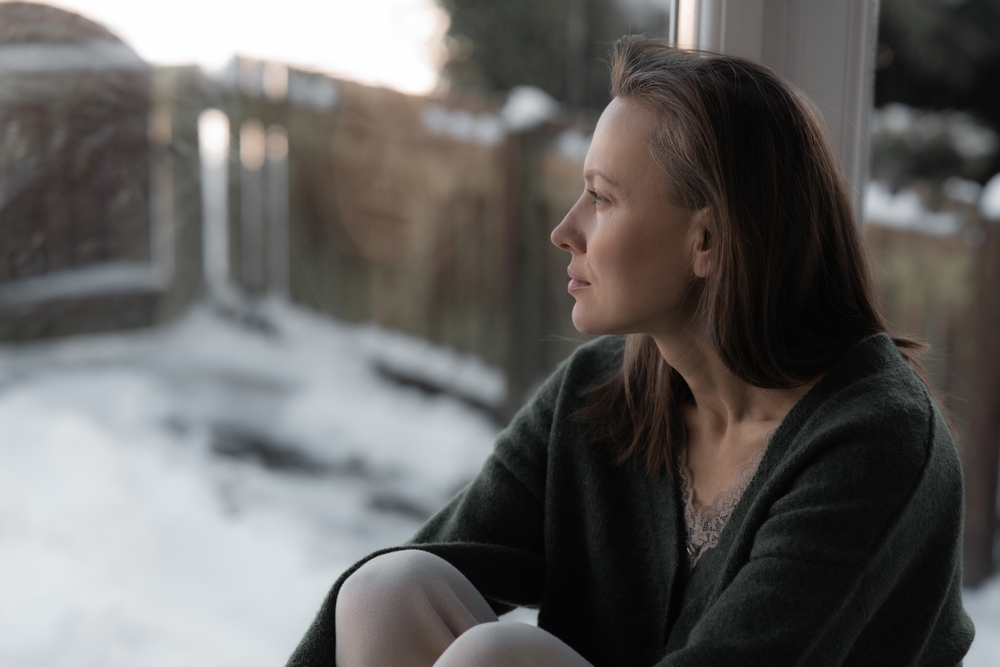
Energy becomes more limited and valuable with age. People begin choosing carefully where to invest it.
Activities that drain energy without providing joy feel less appealing.
Staying home preserves energy for what truly matters.
24. Outside Noise Becomes Overstimulating
Crowded places often come with constant noise and movement. Over time, this can feel overwhelming rather than lively.
The mind begins craving quieter environments where it can settle.
Home provides control over sound, creating a sense of calm.
25. The Hustle Loses Its Appeal
Constant movement and packed schedules once felt necessary. Productivity was often measured by busyness.
With time, that mindset shifts. Slowing down begins to feel wiser and more sustainable.
Staying home supports a pace of life that feels healthier.
26. Technology Replaces Many Errands
Tasks that once required leaving the house can now be handled digitally. Banking, shopping, learning, and scheduling happen online.
Technology reduces friction in daily life, making physical errands less common.
Staying home becomes the most efficient option.
27. Solitude Starts Feeling Comfortable
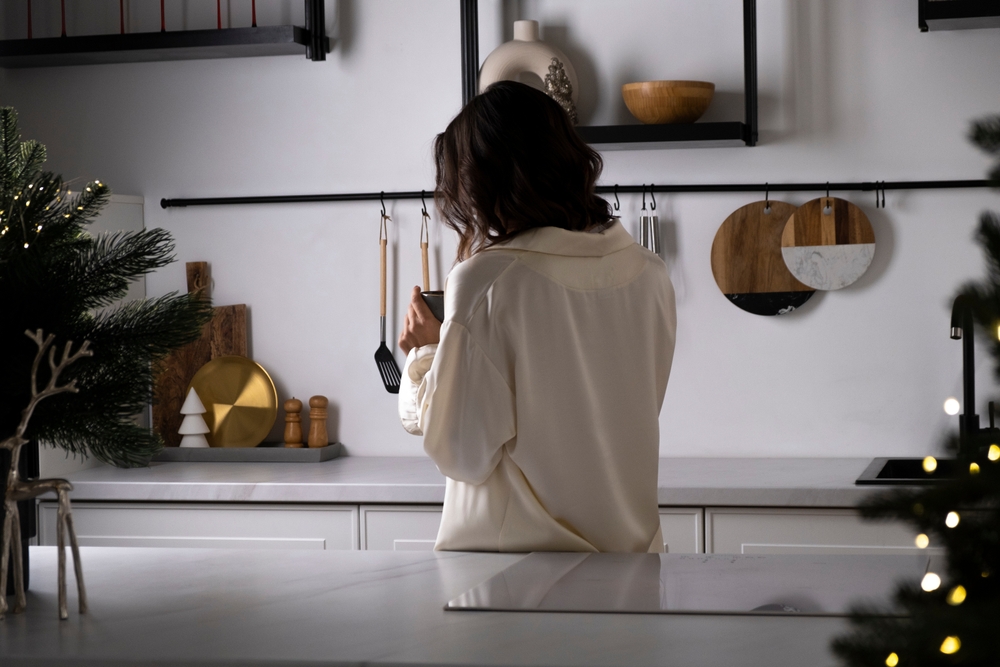
Being alone once felt uncomfortable for many people. Over time, solitude becomes familiar and peaceful.
Time alone allows reflection without interruption. It offers mental clarity.
Staying home supports this sense of calm independence.
28. Takeout Becomes a Reliable Treat
Food delivery has improved in quality and variety. Meals arrive quickly and consistently.
Eating at home removes pressure and distraction. The experience feels relaxed and personal.
Staying in turns meals into quiet enjoyment rather than events.
29. Joy Comes From Smaller Moments
Big plans and grand outings slowly lose their importance. Simple moments begin to hold more meaning.
Quiet wins like finishing a book or enjoying a calm afternoon feel satisfying.
Staying home makes space for these smaller joys.
30. Home Finally Feels Earned
After years of work, adjustment, and responsibility, home becomes a reflection of effort and growth.
It holds routines, memories, and comfort built over time.
Staying home feels like enjoying the life that was carefully created.