
Your cart is currently empty!
A 160-Year Transformation: How Human Activity Redefined the Anna’s Hummingbird
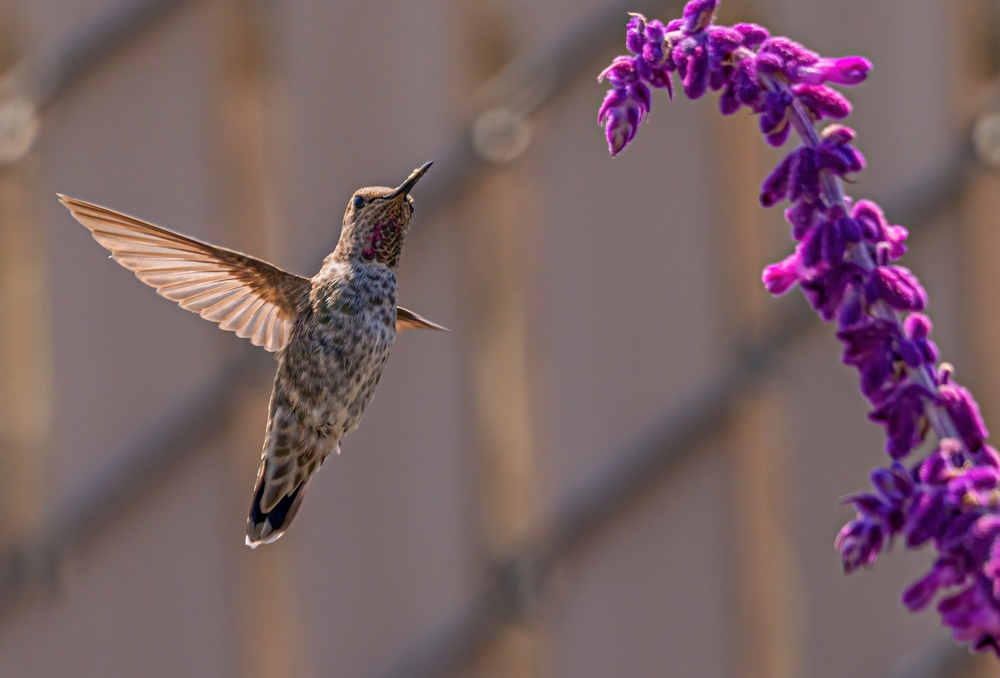
Faye Romero spent six years on a question that already had a settled answer. The Anna’s hummingbird used to keep to Baja California and the southern edge of the state, but over the past century and a half, it pushed steadily north until reaching the Pacific Northwest and Alaska. For decades, ornithologists shared a tidy explanation in Australian eucalyptus trees planted across California, which flower in cold months and provide winter nectar.
Contents
show
Romero, an evolutionary biologist at the University of Rochester, set out with six colleagues to test that assumption using an unusual assembly of tools: museum drawers, volunteer bird counts, thermal cameras, and digitized newspapers going back to 1860. The team combed vintage publication archives to track how often feeders were mentioned decade by decade, comparing that timeline against 400 preserved hummingbird specimens from the Museum of Vertebrate Zoology at UC Berkeley. Their findings, published in Global Change Biology, revealed that while eucalyptus helped the population grow, backyard sugar-water feeders were driving an entirely different phenomenon: physical adaptation.
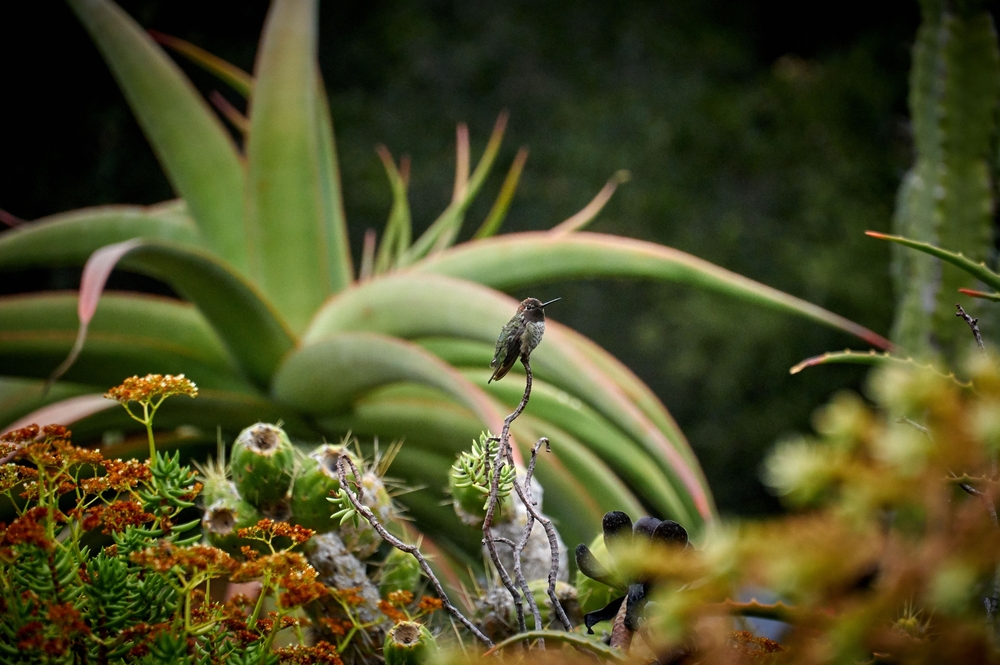
How Urban Backyard Feeders Outpaced Native Flora
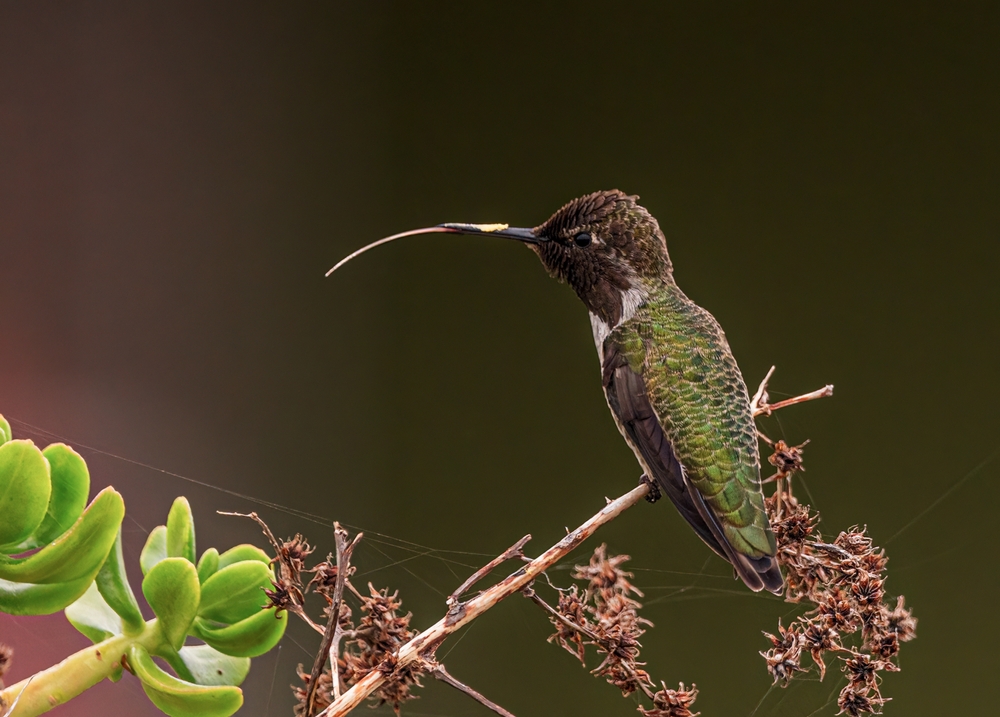
While both eucalyptus trees and artificial feeders correlated with rising hummingbird populations, the birds’ physical traits told a far more specific story. Bill size and shape changed in direct proportion to feeder abundance rather than eucalyptus availability. Where backyard feeders became dense suburban fixtures, hummingbird bills grew measurably longer and more tapered, showing a distinct narrowing along the upper half.
The timeline of this physical shift aligns closely with postwar suburban development. Comparing an Anna’s hummingbird from the 1930s with one from the 1950s reveals clear anatomical differences across roughly ten hummingbird generations. The timing is notable: the first patent for a glass hummingbird feeder was filed in 1947, right as suburban backyards expanded across the American West. “After World War II, you see a jump in the distribution of a bunch of these traits,” noted Nicolas Alexandre, a geneticist and study co-author.
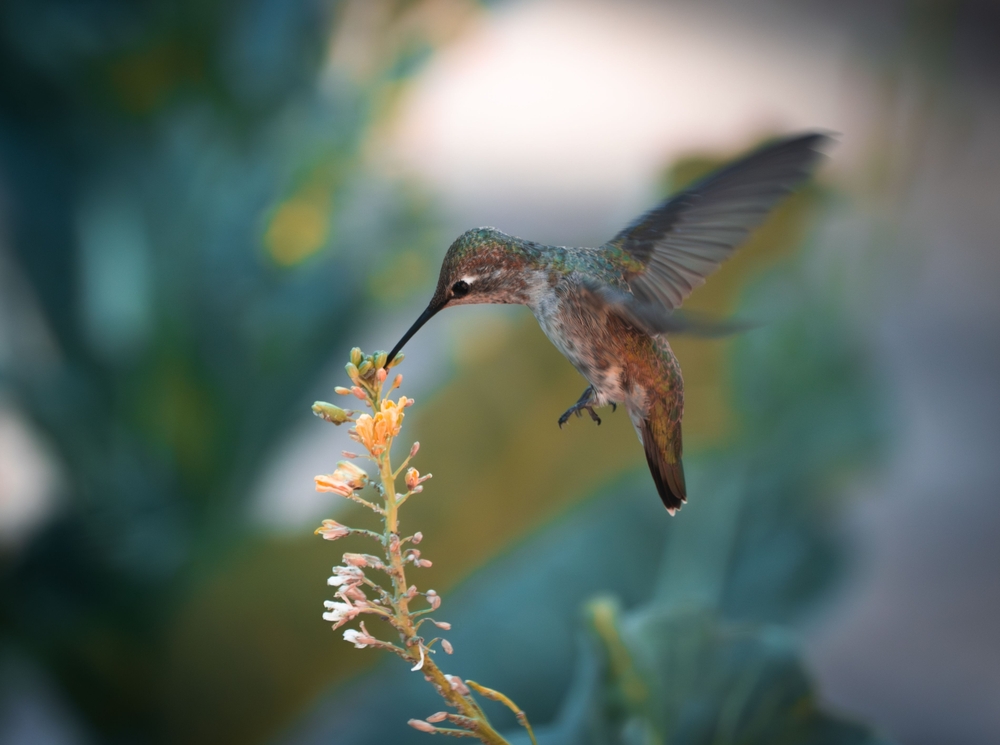
This shift stems from the stark contrast between a solitary natural flower and a artificial feeder. As co-author Alejandro Rico-Guevara of the University of Washington explained, a feeder essentially pulls hundreds of flowers together into a single point. This concentration transforms a peaceful feeding routine into a crowded, high-stakes environment where dozens of birds contend for a single spot. In that rapid competition, birds with longer, higher-volume beaks can drink more nectar before being displaced by a competitor.
Climate Pressures and the Thermal Trade-Off
Interestingly, this evolutionary path took a dramatic turn in colder regions. Male bills grew sharper and more pointed over time, which researchers suspect offered an advantage in territorial disputes at crowded feeders. However, as Anna’s hummingbirds expanded into the colder northern reaches of the Pacific Northwest and Alaska, their bills did not lengthen: they grew shorter and more compact instead.
Using thermal imaging cameras, the research team observed that hummingbirds shed a significant amount of body heat through their beaks. While a longer bill provides an advantage at a crowded feeder, it acts as a radiator in freezing temperatures, causing vital body heat to escape. To survive frigid nights, hummingbirds enter a state of torpor, lowering their metabolic rate and body temperature to conserve energy. In colder climates, preserving every degree of heat outweighs the feeding advantage of a longer beak.
This geographic divergence highlights how species balance competing survival pressures. In warm, feeder-dense environments, social competition favors longer beaks for rapid feeding. In northern habitats, thermoregulation takes priority, favoring smaller beaks that limit heat loss during freezing nights.
Understanding the Boundaries of Evolutionary Data
To maintain a balanced perspective on these findings, it is essential to recognize what the study can and cannot prove. Tracking newspaper advertisements for feeders offers a clever proxy for human activity, but it does not represent an exact census of every feeder hung in every backyard. The study offers a detailed observational look across 160 years of preserved specimens rather than direct genetic mapping in a controlled laboratory setting.
Because these observations focus on physical shape rather than sequencing specific genes, scientists cannot yet confirm how much of the change is driven by inherited genetic code versus developmental flexibility. Additionally, the Anna’s hummingbird is a unique success story, thriving and expanding its territory during an era when many other avian species face steep population declines due to habitat loss.
Rather than claiming definitive proof of genetic mutation, the study establishes a strong, repeated correlation between human feeding habits and physical changes in wildlife over a century and a half. Recognizing these limitations gives us a clearer, more grounded understanding of how urban ecosystems function.
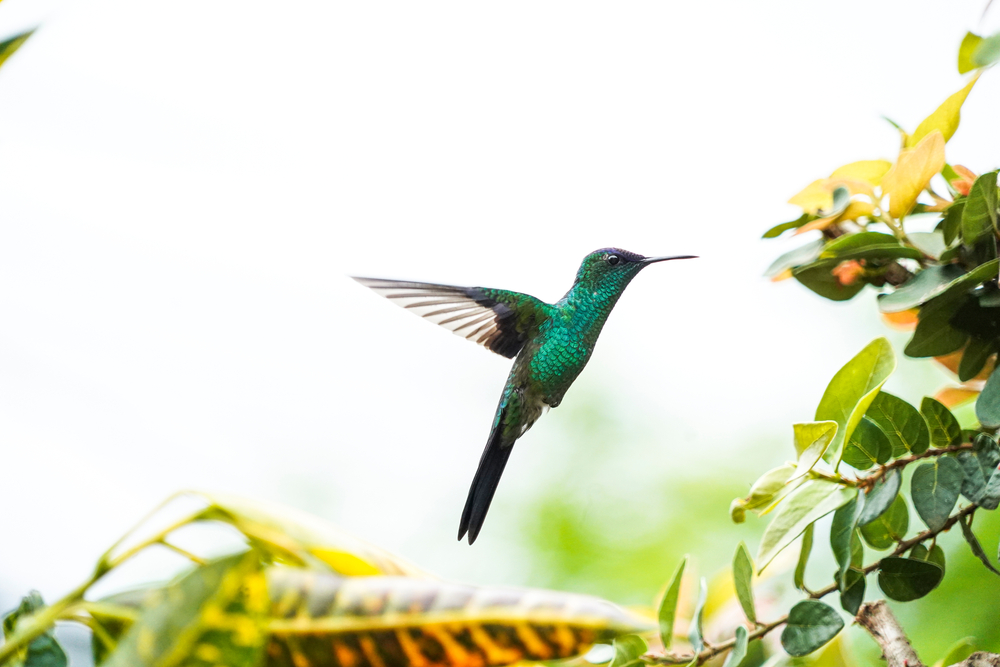
Our Growing Influence on the Living World
Over 150 years, Anna’s hummingbirds expanded from a localized southern range into year-round coastal residents stretching to Alaska. As the Berkeley research team observed, natural flowers offer temporary, limited sips of nectar, whereas human-maintained feeders deliver an unlimited, year-round food supply. This shift illustrates a powerful truth: everyday human actions are actively shaping the physical traits of urban wildlife in real time.
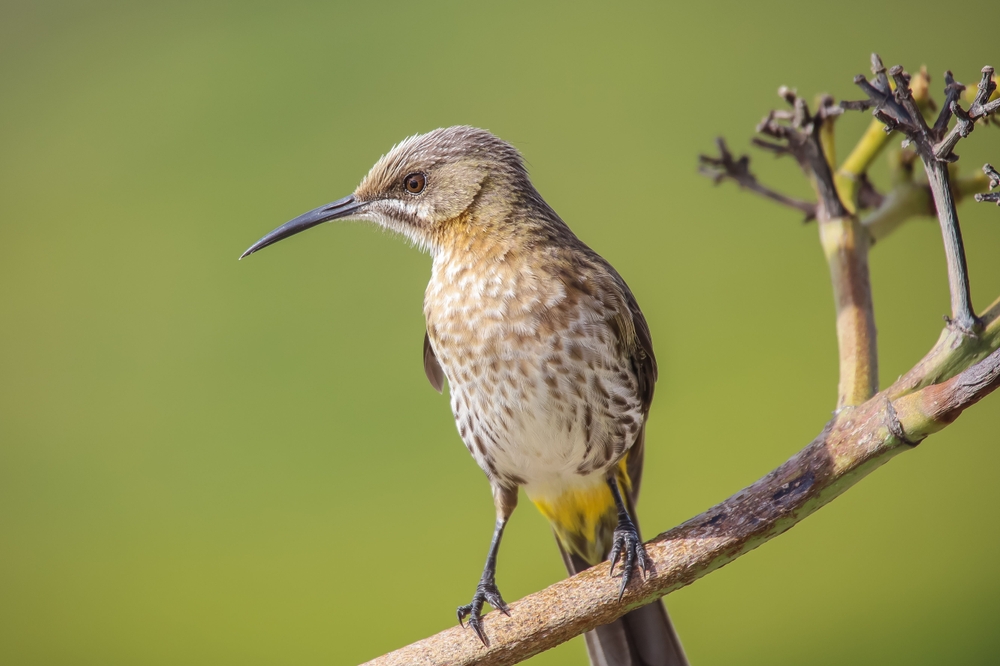
The foundational evidence for this discovery was preserved by naturalists who could never have anticipated modern backyard feeders. The oldest specimen analyzed in the study was collected in 1861, decades before artificial feeders existed. That single preserved bird eventually served as the initial baseline on a ruler, allowing modern scientists to measure subtle physical adaptations across 160 years.
This research reminds us that our connection with nature is never passive. Hanging a simple feeder outside a kitchen window is more than an act of quiet joy: it is a direct contribution to the selective pressures guiding local wildlife. By staying mindful of how our daily choices impact natural habitats, we can cultivate spaces that support wild populations while preserving the delicate balance of the ecosystems we share.