
Your cart is currently empty!
The Tiny Bat Found In An Omaha Office Was A First For Nebraska
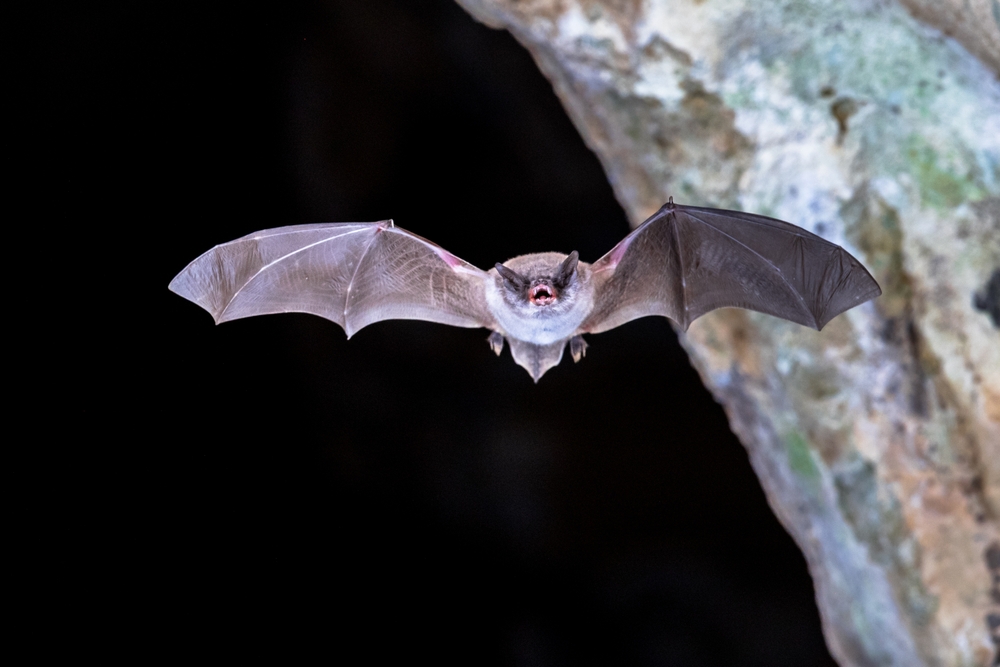
An ordinary morning at an Omaha office building turned into a wildlife mystery when workers discovered a tiny bat on the floor. What initially looked like an unexpected pest turned out to be something far more unusual: a cave myotis, a species Nebraska Wildlife Rehab says had never previously been documented in the state.
Contents
show
The discovery was strange enough on its own, but the biggest question came afterward. How did a bat normally associated with parts of Mexico and the southwestern United States end up hundreds of miles away inside an office building in Nebraska?
Workers Found An Unexpected Visitor On The Floor
People arriving at the Omaha office building reportedly noticed a small animal on the floor as they began their day. Once they looked more closely, they realized the visitor was a bat, creating an unusual scene for a workplace that presumably was not expecting wildlife to show up at the start of the morning.
The animal was eventually photographed inside a small white ramekin, giving the tiny bat an almost comically modest temporary enclosure. Nebraska Wildlife Rehab shared photographs of the animal and explained that its arrival was far more significant than an ordinary bat getting lost inside a building.
“Halloween came early to the Wildlife Center with the arrival of yet another bat species never before documented in Nebraska!” Nebraska Wildlife Rehab wrote alongside the photographs.
That detail transformed the story from a strange office encounter into a notable wildlife discovery. The organization identified the animal as a cave myotis, making it the first documented example of the species in Nebraska according to the information shared by the rehab group.
The Bat Was A Cave Myotis
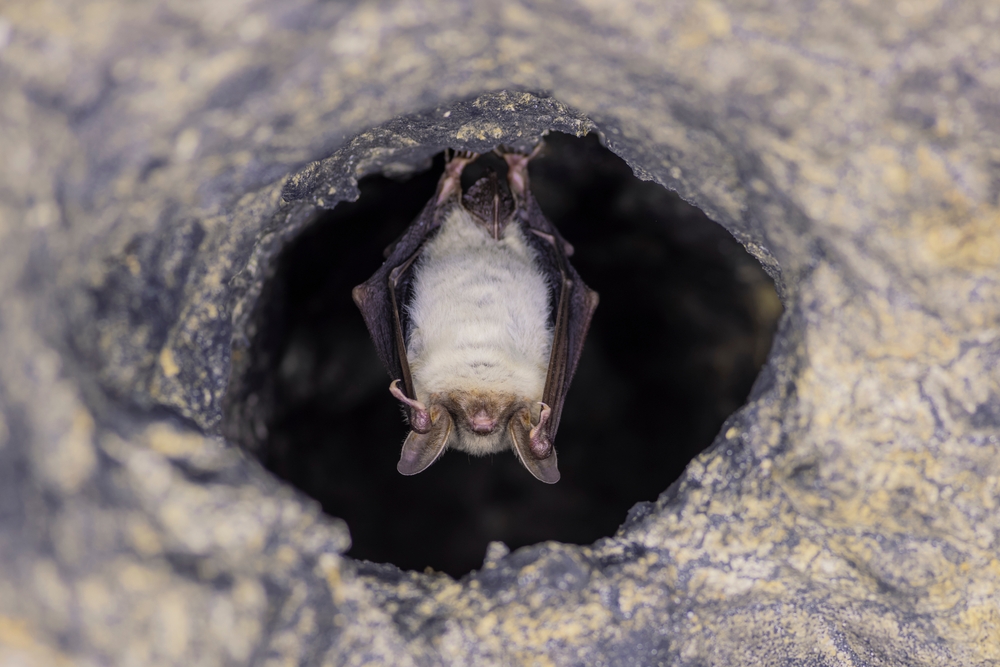
Cave myotis are remarkably small animals. The North American Bat Monitoring Program says they generally weigh between one-quarter ounce and one-half ounce and measure roughly 2.25 inches on average, meaning the creature discovered in the Omaha building could easily fit into the small container shown in the photographs.
Their coloring can vary depending on where they come from. Eastern cave myotis tend to have pale brown fur, while western individuals are generally darker brown, although the bat photographed after its Omaha discovery appeared quite dark in the shared images.
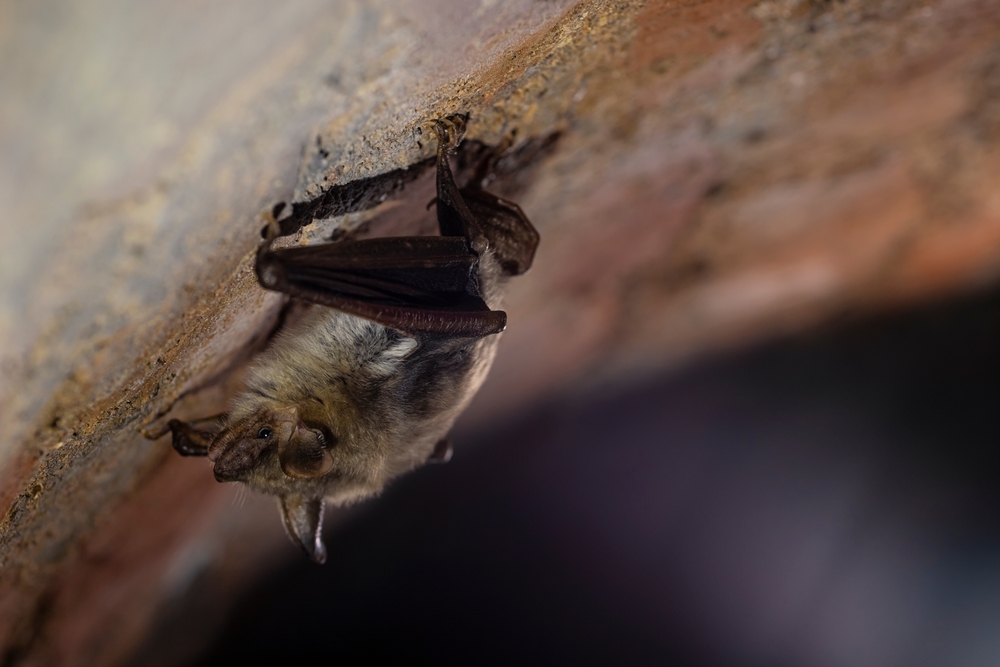
The species is primarily associated with Mexico and the southwestern United States. Its known range includes California, Arizona, New Mexico, Oklahoma, and Texas, which makes an appearance in Nebraska especially unusual.
For the workers who encountered the animal, there was no obvious way to know immediately that they were looking at a species not previously documented in the state. It took identification by wildlife professionals to reveal just how unusual the office visitor actually was.
Nebraska Was Hundreds Of Miles Outside Its Typical Range
The cave myotis’ normal geographic range helps explain why Nebraska Wildlife Rehab was so surprised to receive one. The species is commonly found much farther south and west, while the Omaha discovery placed an individual far beyond the locations where it is typically encountered.
Nebraska Wildlife Rehab described the find as “especially rare and unexpected” in its Facebook post. The organization also acknowledged that there is no way to know with complete certainty how the bat managed to make such an unusual journey.
That mystery is what makes the encounter particularly interesting. A bat this small would not need to intentionally travel hundreds of miles for the distance to happen. It could simply have ended up in the wrong place at the wrong time.
Wildlife can occasionally move beyond its expected range through human transportation, especially when animals find shelter inside vehicles, cargo, buildings, or other structures. In this case, that possibility appears to have been the leading explanation offered by the rehab organization.
The Bat May Have Been An Accidental Stowaway
Nebraska Wildlife Rehab believes the most plausible explanation is that the bat accidentally traveled to Omaha as a stowaway. The organization suggested that the animal may have found a dark space inside a shipping truck or piece of freight and remained there while the shipment traveled far from its original location.
“So how did a cave myotis end up in an Omaha office building, hundreds of miles outside her normal range?” Nebraska Wildlife Rehab wrote in its post.
The organization said the exact answer may never be known, but an accidental journey provides a reasonable theory based on the bat’s behavior and the circumstances surrounding its discovery. A small animal seeking shelter would have no understanding that the dark compartment it entered might soon be hundreds of miles away.
Once the vehicle or freight reached Nebraska, the bat could have eventually emerged in search of food, shelter, or another suitable place to rest. Instead of finding a familiar cave or other natural environment, it ended up inside an office building where workers happened to discover it.
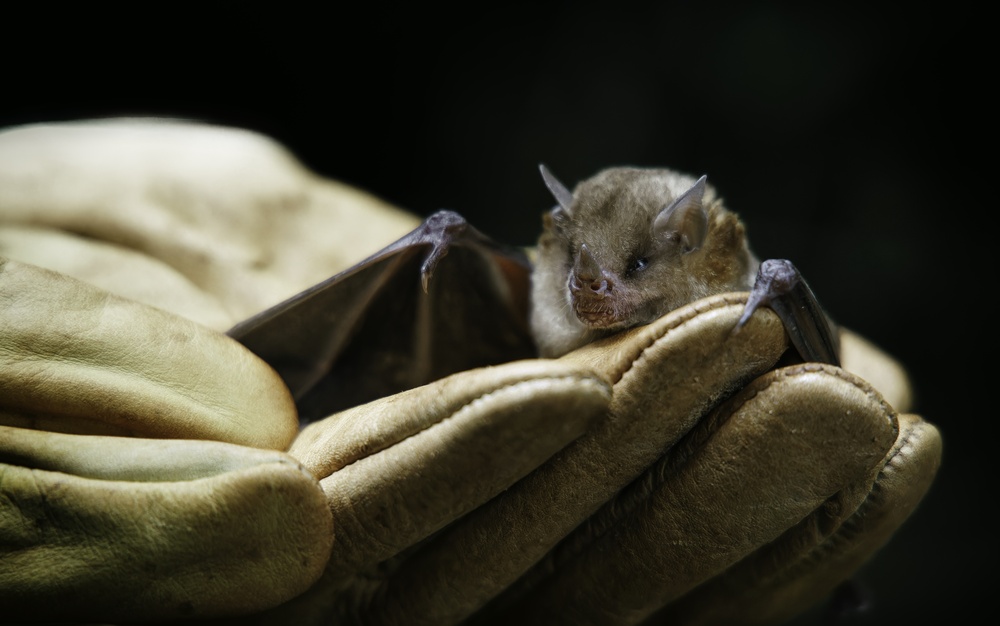
Cave Myotis Are Built For Dark Shelters
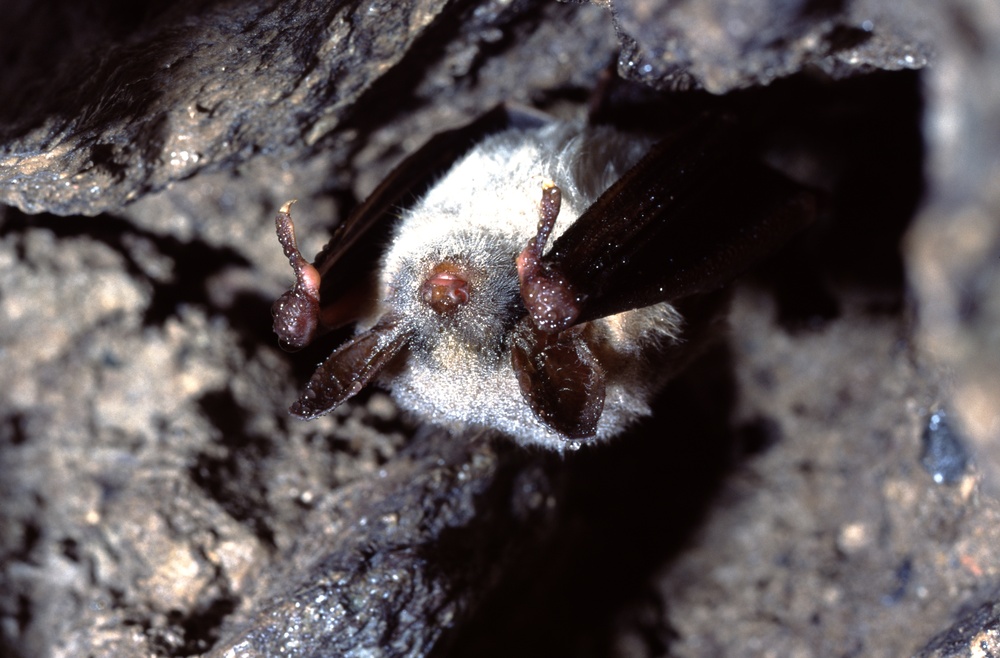
The species’ normal behavior makes the stowaway theory even more plausible. According to the North American Bat Monitoring Program, cave myotis generally roost in dark environments such as caves, mines, tunnels, and buildings.
That means an enclosed space inside a truck or shipment could potentially have provided the kind of shelter the bat was seeking. From the animal’s perspective, the dark space may have simply looked like somewhere safe to hide.
The bat would have had no way of knowing that the shelter was mobile.
A journey like that could therefore happen without anyone intentionally transporting wildlife. The animal could enter a cargo space unnoticed, remain hidden during transportation, and only become visible once the shipment reached its destination.
That appears to be the scenario Nebraska Wildlife Rehab considered most likely in this case. The organization noted that wildlife unintentionally traveling in transported goods is not unheard of, making the explanation plausible even though it cannot be confirmed.
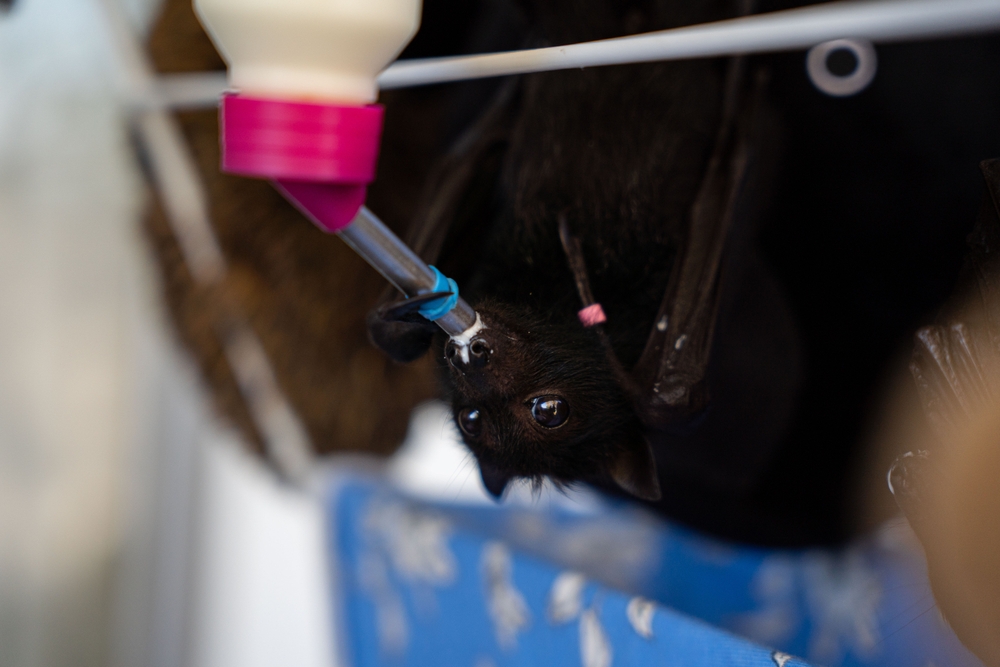
A Tiny Animal Created A New State Record
The most significant detail about the discovery is not that a bat was found indoors. Bats can enter buildings, and accidental encounters between people and wildlife happen regularly.
What makes this particular case different is the species involved.
Nebraska Wildlife Rehab said the cave myotis had never previously been documented in Nebraska. That means the Omaha encounter represents a notable addition to the state’s documented wildlife records, even though the available information does not suggest that the species has established a population there.
The distinction is important. One animal appearing in an unexpected location does not automatically mean an entire species has moved into a new region.
Instead, this appears to be an isolated and highly unusual encounter. The bat may have arrived because of an accidental transportation event rather than because cave myotis are suddenly living throughout Nebraska.
Why The Discovery Is So Unusual
For anyone unfamiliar with cave myotis, several details make this particular encounter stand out:
- The bat is extremely small: Cave myotis generally weigh between one-quarter ounce and one-half ounce and measure about 2.25 inches on average.
- Its preferred shelters are dark: The species commonly roosts in caves, mines, tunnels, and buildings.
- Its normal range is much farther south and west: Cave myotis are commonly found across much of Mexico and parts of the southwestern United States.
- Nebraska had no previous documented record: Nebraska Wildlife Rehab described the Omaha animal as the first cave myotis documented in the state.
- A shipping journey could explain the distance: Wildlife experts suggested the bat may have unintentionally traveled inside a truck or transported freight.
Taken together, those details make the discovery considerably more unusual than simply finding a bat inside an office. The animal was tiny, far from its typical range, and apparently became an unexpected first for Nebraska.
The Office Was An Unlikely Place To Make History
There is something especially strange about the setting of the discovery. The bat was not found during a wildlife survey or deep inside a remote cave. It turned up on the floor of an Omaha office building as employees were arriving for work.
For the people who first spotted it, the animal was simply an unexpected interruption to the morning routine. There was no reason to assume that the small creature represented a species that had never before been documented in Nebraska.
Only after wildlife professionals examined the animal did the larger significance become clear. A seemingly ordinary encounter had turned into a rare wildlife record.
The episode also shows how easily modern transportation can blur the geographic boundaries that normally separate wildlife species. A tiny animal can climb into a dark space for shelter and unknowingly end up in an entirely different environment.
The Mystery Of Its Journey May Never Be Solved
There is no definitive evidence showing exactly where the bat came from or precisely how it reached the Omaha building. Nebraska Wildlife Rehab said the circumstances could never be known for certain, leaving the accidental-stowaway theory as a plausible explanation rather than a confirmed account.
It is possible the bat entered a shipping truck or another piece of freight in an area where cave myotis are more common. It could then have remained hidden during transportation before eventually emerging after reaching Nebraska.
That would explain how such a small animal could cross a distance that would otherwise seem difficult to account for.
The discovery also illustrates why wildlife organizations document unusual encounters. A creature that initially appears to be just another animal in the wrong building can sometimes reveal something much more significant about how species move, where they are found, and how rarely documented wildlife encounters can happen.
One Small Bat Left A Very Big Question
The cave myotis found in Omaha may have arrived there by accident, but its appearance created a first for Nebraska. A tiny animal weighing less than half an ounce somehow ended up hundreds of miles from the places where it is normally expected.
The exact route may remain a mystery. What is known is enough to make the office discovery memorable: Nebraska now has a documented cave myotis encounter, and it began with workers spotting a little bat on the floor.