
Your cart is currently empty!
The World’s Most Livable City Has Been Crowned Again, And It’s Not Where Many Expected
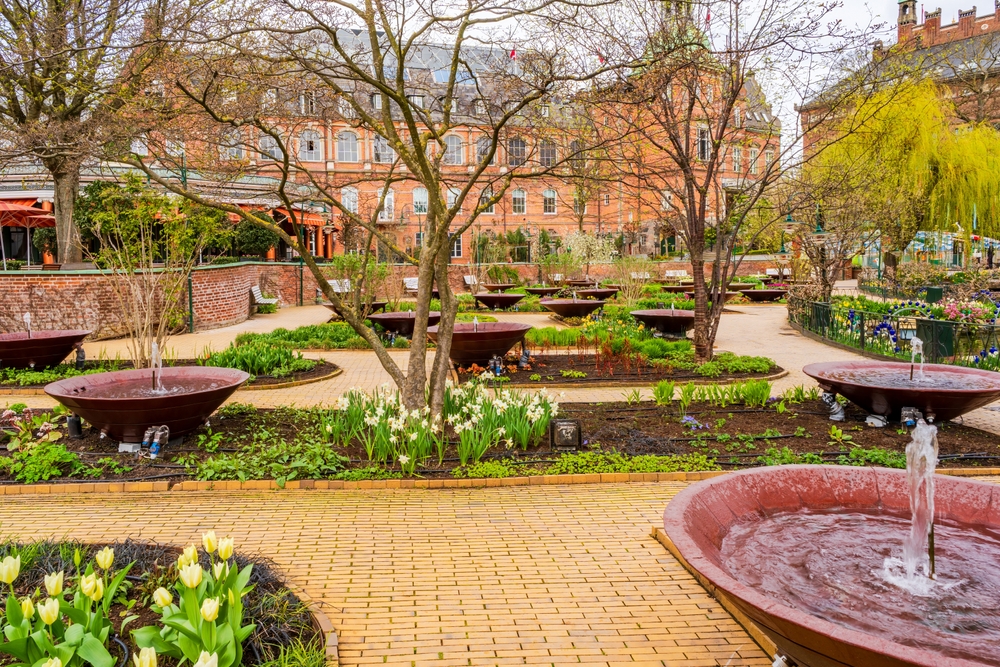
Some cities are known for their famous landmarks, while others build their reputation on something far more valuable: the quality of everyday life. Copenhagen has once again proven why it continues to set the global benchmark after being named the world’s most livable city in the Economist Intelligence Unit’s (EIU) 2026 Global Liveability Index. The Danish capital secured an outstanding overall score of 98 out of 100, making it the highest-ranked city among 173 destinations evaluated across the globe. It marks the second consecutive year that Copenhagen has claimed the top position, strengthening its reputation as one of the best places in the world to live, work, study, and raise a family.
Contents
show
The annual report is regarded as one of the most respected global assessments of urban living because it measures the factors that have the biggest impact on residents’ daily lives rather than tourist attractions or economic size alone. Cities are judged across five major categories: stability, healthcare, culture and environment, education, and infrastructure. While many regions experienced falling scores due to geopolitical tensions and security concerns during the past year, Copenhagen maintained its exceptionally high performance across every category. Its latest victory reflects decades of investment in public services, sustainable urban planning, and infrastructure that continue to make the Danish capital a model for cities around the world.
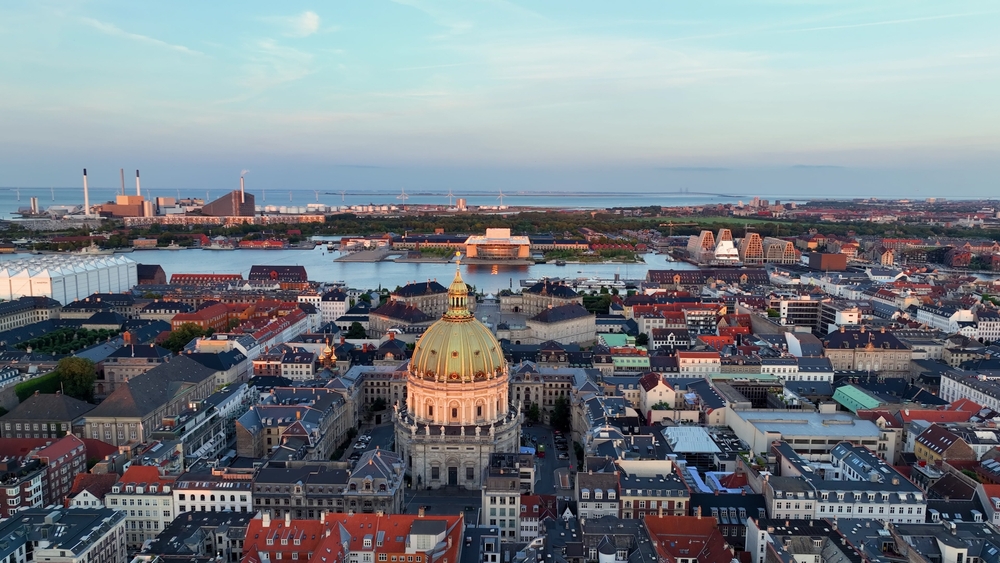
Copenhagen Once Again Tops the Global Rankings
The Economist Intelligence Unit evaluates cities using a detailed scoring system designed to measure how comfortable and practical they are for everyday living. Rather than focusing solely on wealth or population, the index considers how easily residents can access healthcare, education, transportation, public services, and safe neighborhoods. Each category contributes to an overall score that allows cities from every continent to be compared using the same standards.
Copenhagen stood out by earning perfect scores of 100 in stability, education, and infrastructure while also recording impressive results of 96 for healthcare and 95 for culture and environment. Those consistently high scores lifted the Danish capital to an overall rating of 98, keeping it ahead of several cities that have traditionally dominated the rankings in previous years.
According to the Economist Intelligence Unit, Copenhagen’s continued success is driven by its “winning combination of excellent scores in stability and infrastructure, great culture and environment and high quality of public services.” Instead of relying on a single standout feature, the city performs exceptionally well across nearly every aspect of urban life, making it one of the most balanced cities in the world.
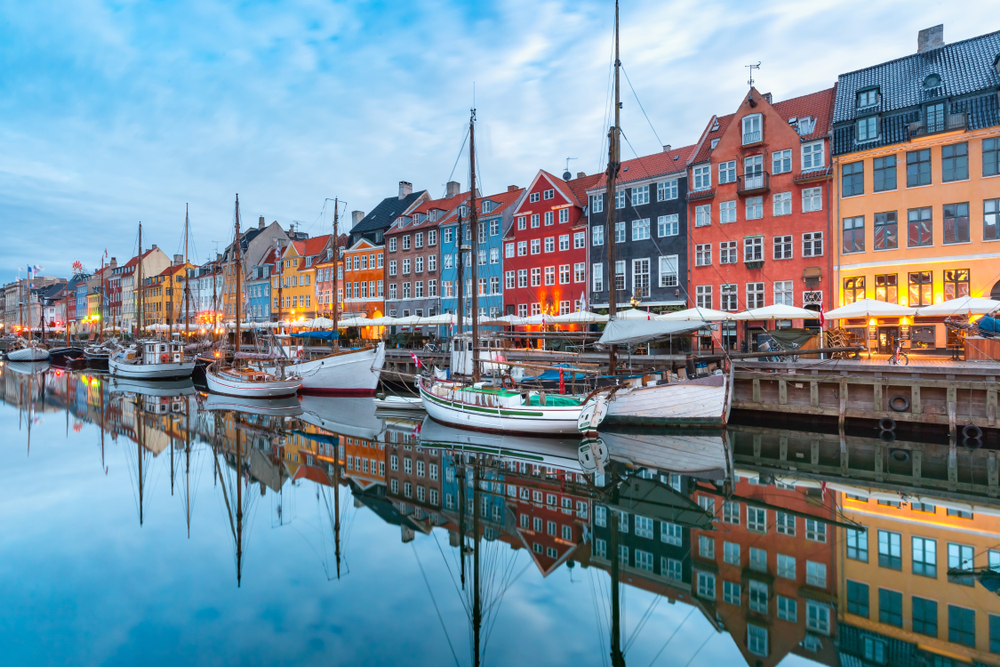
Why Copenhagen Continues to Outperform Other Cities
One of Copenhagen’s greatest strengths lies in decades of careful planning rather than short-term improvements. Long before sustainability became a global priority, Denmark invested heavily in creating reliable public transportation, cycling infrastructure, modern utilities, and environmentally friendly urban development. These long-term decisions have helped create a city where residents enjoy efficient public services alongside clean streets and accessible green spaces.
Infrastructure alone accounts for one-fifth of the EIU’s overall scoring methodology, making it one of the most influential categories in the rankings. This area measures everything from the quality of roads and public transport to telecommunications, energy supply, and water services. Copenhagen received a perfect score of 100, placing it alongside Vienna as one of the world’s strongest performers for infrastructure.
The city’s commitment to sustainable mobility has also become one of its defining characteristics. Cycling remains a primary mode of transport for thousands of residents every day, supported by an extensive network of dedicated bike lanes that reduces congestion while encouraging healthier lifestyles. Combined with efficient public transportation and dependable municipal services, these investments continue to make everyday life easier for residents and contribute significantly to Copenhagen’s global reputation.
Some cities are known for their famous landmarks, while others build their reputation on something far more valuable: the quality of everyday life. Copenhagen has once again proven why it continues to set the global benchmark after being named the world’s most livable city in the Economist Intelligence Unit’s (EIU) 2026 Global Liveability Index. The Danish capital secured an outstanding overall score of 98 out of 100, making it the highest-ranked city among 173 destinations evaluated across the globe. It marks the second consecutive year that Copenhagen has claimed the top position, strengthening its reputation as one of the best places in the world to live, work, study, and raise a family.
The annual report is regarded as one of the most respected global assessments of urban living because it measures the factors that have the biggest impact on residents’ daily lives rather than tourist attractions or economic size alone. Cities are judged across five major categories: stability, healthcare, culture and environment, education, and infrastructure. While many regions experienced falling scores due to geopolitical tensions and security concerns during the past year, Copenhagen maintained its exceptionally high performance across every category. Its latest victory reflects decades of investment in public services, sustainable urban planning, and infrastructure that continue to make the Danish capital a model for cities around the world.
Copenhagen Once Again Tops the Global Rankings
The Economist Intelligence Unit evaluates cities using a detailed scoring system designed to measure how comfortable and practical they are for everyday living. Rather than focusing solely on wealth or population, the index considers how easily residents can access healthcare, education, transportation, public services, and safe neighborhoods. Each category contributes to an overall score that allows cities from every continent to be compared using the same standards.
Copenhagen stood out by earning perfect scores of 100 in stability, education, and infrastructure while also recording impressive results of 96 for healthcare and 95 for culture and environment. Those consistently high scores lifted the Danish capital to an overall rating of 98, keeping it ahead of several cities that have traditionally dominated the rankings in previous years.
According to the Economist Intelligence Unit, Copenhagen’s continued success is driven by its “winning combination of excellent scores in stability and infrastructure, great culture and environment and high quality of public services.” Instead of relying on a single standout feature, the city performs exceptionally well across nearly every aspect of urban life, making it one of the most balanced cities in the world.

Why Copenhagen Continues to Outperform Other Cities
One of Copenhagen’s greatest strengths lies in decades of careful planning rather than short-term improvements. Long before sustainability became a global priority, Denmark invested heavily in creating reliable public transportation, cycling infrastructure, modern utilities, and environmentally friendly urban development. These long-term decisions have helped create a city where residents enjoy efficient public services alongside clean streets and accessible green spaces.
Infrastructure alone accounts for one-fifth of the EIU’s overall scoring methodology, making it one of the most influential categories in the rankings. This area measures everything from the quality of roads and public transport to telecommunications, energy supply, and water services. Copenhagen received a perfect score of 100, placing it alongside Vienna as one of the world’s strongest performers for infrastructure.
The city’s commitment to sustainable mobility has also become one of its defining characteristics. Cycling remains a primary mode of transport for thousands of residents every day, supported by an extensive network of dedicated bike lanes that reduces congestion while encouraging healthier lifestyles. Combined with efficient public transportation and dependable municipal services, these investments continue to make everyday life easier for residents and contribute significantly to Copenhagen’s global reputation.
Why the Rankings Matter Far Beyond Prestige
Being named the world’s most livable city is about far more than international recognition. The Economist Intelligence Unit’s Global Liveability Index has become an influential benchmark used by governments, multinational companies, investors, and organizations when making decisions about where to expand operations, relocate employees, or invest in long-term projects. A high ranking signals that a city offers the stability, infrastructure, and quality of life needed to support both businesses and residents.
For companies competing to attract skilled workers, livability has become an increasingly important factor. Professionals considering international career opportunities often look beyond salaries, weighing issues such as healthcare, public transport, education, safety, and work-life balance before deciding where to relocate. Cities that consistently perform well in these areas are often better positioned to attract global talent, strengthen their economies, and encourage innovation.
Copenhagen’s repeated success demonstrates that sustained investment in public infrastructure and services can deliver long-term benefits that extend well beyond residents’ daily lives. Its position at the top of the rankings reinforces Denmark’s reputation as a country that prioritizes quality urban planning, environmental sustainability, and efficient public services, making the capital an attractive destination for businesses, students, entrepreneurs, and families from around the world.
What Makes Copenhagen a Global Model for Modern Cities
Copenhagen’s success is not the result of a single policy or recent initiative. Instead, it reflects decades of consistent investment in creating a city designed around the needs of its residents. From its extensive cycling network and reliable public transportation to its clean public spaces and environmentally conscious development, the Danish capital has steadily built an urban environment where convenience, sustainability, and quality of life go hand in hand.
Several factors continue to distinguish Copenhagen from many other major cities:
- World-class infrastructure: Efficient public transportation, dependable utilities, and well-maintained roads support everyday life.
- Exceptional public services: Residents benefit from high-quality healthcare, education, and municipal services.
- Safe and stable communities: Low crime rates and political stability contribute to a strong sense of security.
- Sustainable urban planning: Green spaces, cycling infrastructure, and environmentally friendly policies remain central to the city’s development.
- Balanced quality of life: Strong employment opportunities are matched by a culture that values leisure, family life, and community well-being.
As more cities face challenges linked to rapid population growth, climate change, and aging infrastructure, Copenhagen increasingly serves as an example of how long-term planning can create resilient, people-focused communities. Rather than responding to problems after they emerge, the Danish capital has invested consistently in systems designed to support future generations.
Its second consecutive victory in the Global Liveability Index also sends a broader message about what residents value most. Reliable public services, accessible transportation, quality healthcare, and safe neighborhoods may not generate dramatic headlines every day, but together they shape everyday experiences that determine whether a city truly feels like a great place to live.
Copenhagen’s latest achievement shows that becoming the world’s most livable city is not about chasing short-term recognition. It is the result of decades of thoughtful decisions that continue to benefit residents while offering a blueprint for urban development across the globe. As cities everywhere search for ways to improve quality of life, Denmark’s capital has once again shown why it remains the standard others hope to match.