
Your cart is currently empty!
The World’s Tiniest Penguin Chick Has Hatched in the UK
It is not every day that the world’s smallest penguin hatches in the UK, but that is exactly what happened at Sea Life Weymouth when a tiny fairy penguin chick named Henry broke free from his shell. Born on 30 January inside a specialist hatchery, the fluffy newcomer has already captured hearts across the country, not simply because of his size but because of what his arrival represents for conservation efforts in Europe. In a controlled environment far removed from the coastlines of southern Australia and New Zealand, this fragile chick’s first breaths mark the continuation of a carefully managed breeding programme that has taken years to build and refine.
Contents
show
The team at the aquarium described the moment as “absolutely magical,” and it is easy to understand why such language was used. Hatching is always a delicate process, but when it involves the smallest species of penguin in the world, the emotional weight feels even greater. Henry’s arrival is not just a charming animal story designed to warm hearts during the colder months. It stands as evidence of six years of dedicated breeding work, expert decision making, and round the clock care from specialists committed to giving each chick the strongest possible start in life.
A Rare and Remarkable Arrival
Henry is a fairy penguin, also known as a little blue penguin, and holds the title of being part of the smallest penguin species on Earth. While emperor penguins can grow well over a metre tall, little penguins reach just 30 to 40 centimetres in adulthood. At only days old, Henry is significantly smaller than that, small enough to sit comfortably in the palm of a gloved hand. Images released by the aquarium show the tiny chick curled up, eyes closed, dwarfed by his surroundings, a visual reminder of just how delicate these early days truly are.
According to the aquarium, the chick initially struggled to break free from his shell and needed some gentle assistance from an expert animal care team. Seb Webster, General Manager at Sea Life Weymouth, said: “Watching him break free from his shell, with a little helping hand from our animal care experts, was an incredibly special moment.” That assistance was not taken lightly. Intervening during a hatch requires experience, patience, and careful judgement, as stepping in too early or too late can have serious consequences for the chick.
Henry is the second of two eggs laid by parents Tyrion and Dandy, who are experiencing their first breeding season as a couple. First time breeding pairs often require additional monitoring, as they are still adjusting to nesting behaviours and chick care. The Sea Life Centre described the hatching as “a significant milestone” and “especially exciting,” particularly because it strengthens the stability of Europe’s only colony of little penguins.
With Henry’s arrival, the total number of little penguins at Weymouth now stands at 42. For a species that requires specialist care outside its native habitat, each new addition carries both emotional and scientific importance.
Why Henry Is Being Hand Reared
Unlike many chicks, Henry will not be raised solely by his parents. The aquarium explained that the decision to hand rear Henry was made to give the chick the best possible chance of survival, allowing his parents to focus on raising one sibling naturally. This approach is part of a broader management strategy used in professional breeding programmes, where careful planning ensures that both chicks and parents have the highest likelihood of thriving.
Hand rearing is a meticulous process that demands constant attention. Henry is currently being fed four times a day with specially prepared fish fillets, and his weight is monitored closely to ensure steady growth. Keepers say that the little fluffy sea bird is doing well and has been “tucking into his fish fillets from day one.” A strong appetite in these early stages is often one of the clearest indicators that a chick is developing properly and responding well to care.
Beyond feeding, temperature and humidity levels inside the hatchery are carefully controlled to replicate the warmth and protection of a natural nest. Staff monitor his behaviour, breathing, and activity levels throughout the day. The goal is to provide support without encouraging dependence, ensuring that Henry develops the instincts and resilience he will need as he grows.
While he waits for potential siblings to hatch from eggs still in incubation, Henry has been given a cuddly toy penguin to keep him company. Photographs of the tiny chick resting beside the soft toy have quickly become a favourite among visitors and online audiences, offering a gentle glimpse into the quieter, more nurturing side of conservation work.
Meet the World’s Smallest Penguin Species
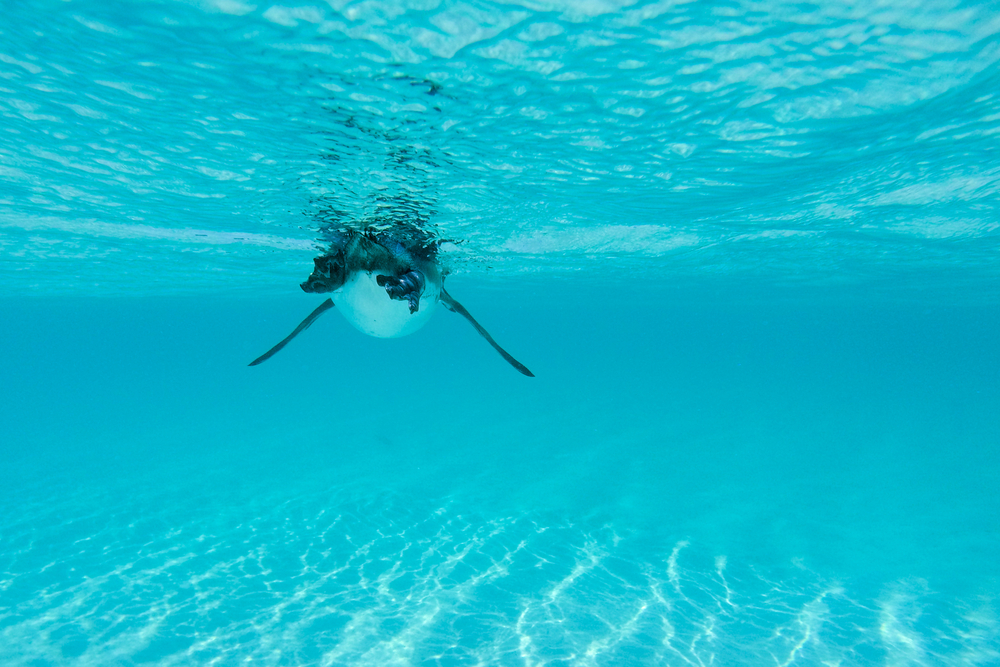
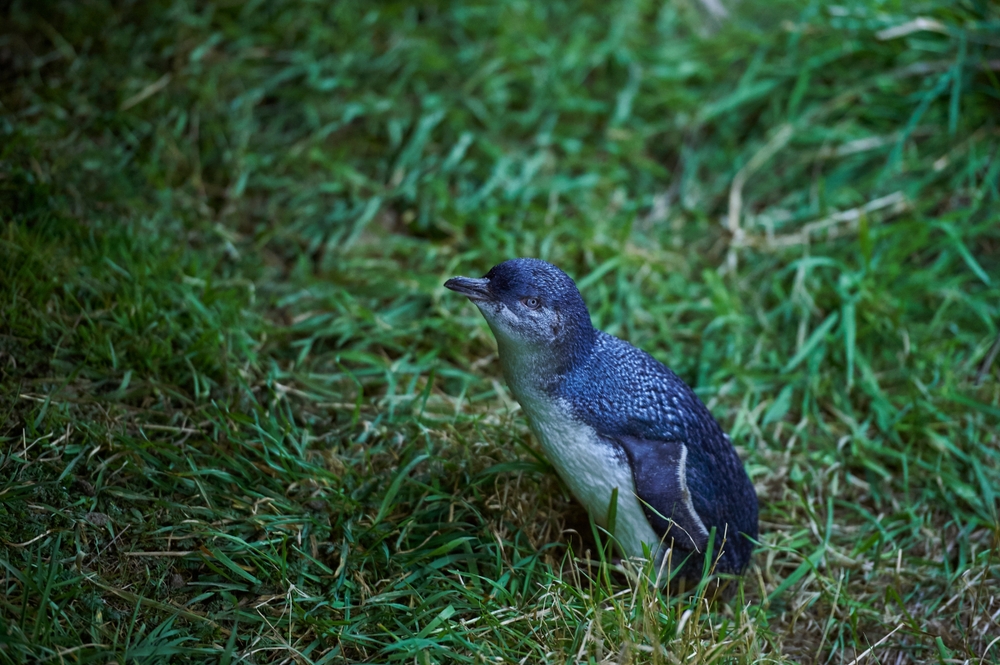
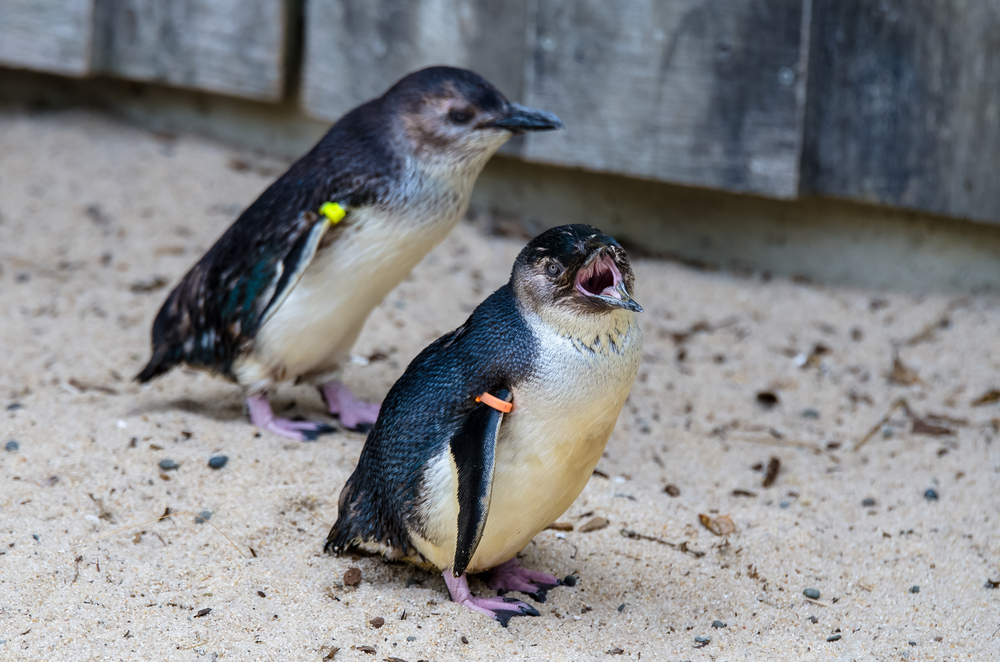
Fairy penguins are native to the coastlines of southern Australia and New Zealand, where they nest in burrows dug into sandy soil or sheltered among rocks. Their blue grey feathers distinguish them from the more widely recognised black and white penguin species. This subtle colouring helps them blend into the ocean from above and below, providing natural camouflage from predators while they hunt for fish.
Standing at just 30 to 40 centimetres tall as adults, little penguins may be small in stature, but they are remarkably capable swimmers. They spend much of their lives at sea, returning to land under cover of darkness to avoid predators. Their nocturnal behaviour on shorelines is one of several adaptations that has helped the species survive in dynamic coastal environments.
Maintaining a colony in the UK requires extensive environmental management. Water temperature, lighting cycles, diet, nesting materials, and social groupings are all carefully overseen by specialists. Sea Life Weymouth was the first facility in Europe to successfully breed the species and has been running its programme for six years. As Webster explained, “Henry’s successful hatching is a wonderful testament to six years of dedicated breeding work here at Sea Life Weymouth.”
Being home to Europe’s only colony of fairy penguins places unique responsibility on the team. Each hatch strengthens the genetic diversity and long term resilience of the group, reinforcing the importance of specialist facilities in global conservation networks.
What Happens Next for Henry
For the next 45 days, Henry will remain inside the specialist hatchery where his progress will continue to be closely monitored. During this time, he will grow rapidly, transitioning from soft chick down to the structured juvenile feathers necessary for life in water. This period is crucial for muscle development, coordination, and immune strength, all of which are essential before he can safely explore beyond the hatchery.
After this stage, Henry will move into a special pen within the main penguin enclosure. This gradual transition allows him to adjust to new sounds, sights, and social interactions while still benefiting from careful supervision. Penguins are social animals, and early positive integration can influence behaviour patterns well into adulthood.
Before officially joining the rest of the colony, Henry must complete his first moult and pass a crucial swimming test to make sure he is fully waterproof. Waterproof feathers are essential for insulation, as penguins rely on tightly packed feathers coated with natural oils to trap warmth. Without proper waterproofing, even brief exposure to water could compromise his health.
Visitors during the half term holidays may catch a glimpse of Henry if their visit coincides with one of his four daily feeds during behind the scenes tours, though the aquarium said this is not guaranteed. In celebration of his arrival, anyone also named Henry can get in for free from February 9 to February 15 with valid ID, adding a light hearted community touch to a significant conservation moment.
Why This Tiny Chick Matters
It would be easy to view Henry’s story purely through the lens of cuteness, focusing on his size and the endearing image of him curled up beside a cuddly toy. Yet his birth reflects something far deeper about modern conservation efforts. Successful breeding requires long term genetic planning, environmental simulation, expert nutrition, and constant veterinary oversight. Each healthy chick is the outcome of years of preparation and careful refinement.
Although little penguins are not currently classified as endangered globally, they face ongoing pressures in the wild, including coastal development, climate change, marine pollution, and fluctuations in fish populations. Facilities like Sea Life Weymouth serve as both educational hubs and managed breeding centres, helping raise awareness while maintaining stable populations under expert care.
The phrase “a significant milestone” captures the broader meaning of Henry’s arrival. It is not simply about one penguin chick but about the continuation of a programme that safeguards a species far from its native shores. It reflects persistence, adaptability, and a willingness to intervene thoughtfully when necessary.
In a world often filled with overwhelming news, the arrival of the world’s smallest penguin offers a quieter, more hopeful narrative. It shows how sustained commitment and careful expertise can make a tangible difference, even when the subject weighs only a few grams.
A Small Life With a Big Impact
Henry may be tiny, but the impact of his arrival stretches far beyond the hatchery walls. For families visiting the aquarium, he represents wonder and curiosity, an opportunity to witness the earliest stages of life up close. For the dedicated team who monitored his egg, assisted his hatch, and now feed him daily, he represents months of anticipation rewarded with success.
His journey is only just beginning. Over the coming weeks he will grow stronger, learn to swim, develop waterproof feathers, and eventually join the rest of the colony as a fully integrated member. Each stage will be guided by the same steady hands that helped him take his first breath.
There is something profoundly reassuring about stories like Henry’s. They remind us that conservation is often built on small victories that accumulate over time. One healthy chick may not transform the world overnight, but it strengthens a breeding programme, inspires visitors, and reinforces the importance of protecting wildlife.
Tiny in stature yet significant in meaning, Henry’s first days demonstrate that even the smallest lives can carry remarkable weight. Sometimes, the most powerful stories begin with a fragile shell and a gentle helping hand.