
Your cart is currently empty!
These 10 Paintings About Fathers And Daughters Left Thousands Of People Emotional
Some relationships are impossible to explain with words alone. The bond between fathers and daughters sits high on that list, filled with tiny moments that often go unnoticed until years later. A single hug after a bad day can stay in someone’s memory for decades. Even the smallest routines between parents and children often carry enormous emotional weight.
Contents
show
One artist managed to turn those moments into illustrations that hit thousands of people right in the heart. The paintings are simple at first glance, yet each one feels like a memory almost everyone recognizes. Readers from different countries and backgrounds reacted to the artwork almost instantly. Many admitted the illustrations reminded them of family moments they had completely forgotten about.
The Paintings That Quietly Took Over The Internet
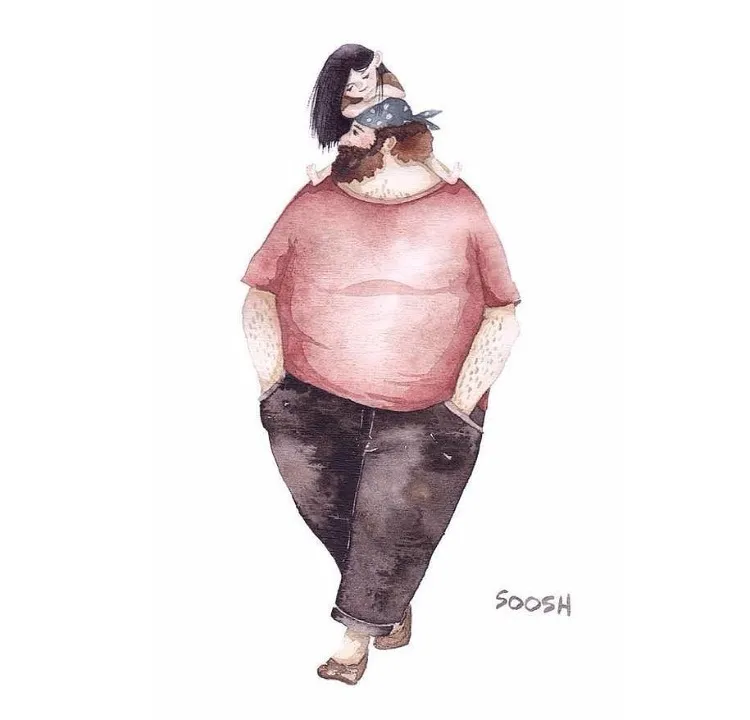
Ukrainian artist Snezhana Soosh created a series of watercolor paintings showing the emotional journey between fathers and daughters. The artwork spread across social media after readers connected deeply with the tiny everyday moments shown in the illustrations. Thousands of users began reposting the paintings across parenting groups and Facebook pages. The emotional response grew quickly because the scenes felt personal instead of staged.
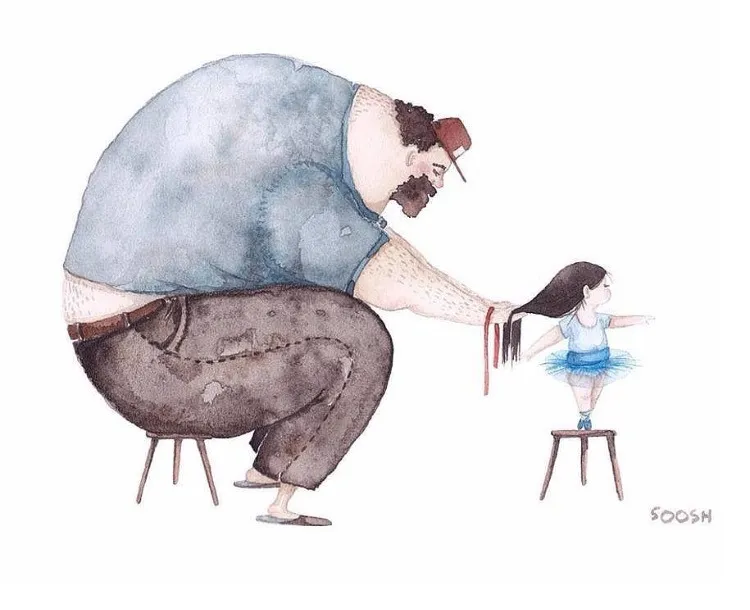
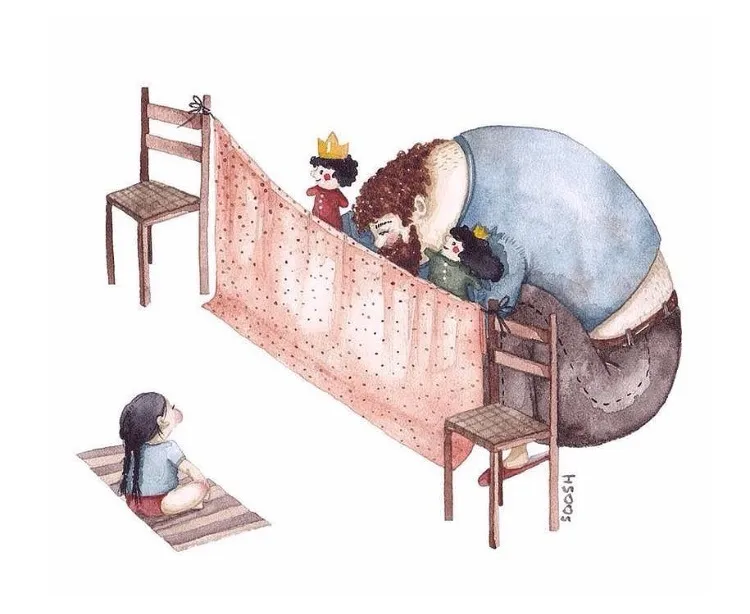
The paintings did not rely on dramatic scenes or overcomplicated storytelling. Instead, they focused on ordinary moments like bedtime routines, growing up, protection, and the sadness that comes with watching children become independent. That grounded approach made the illustrations feel honest and relatable. Readers could immediately picture similar memories from their own childhoods and families.
Readers across Facebook, Instagram, and parenting forums started reposting the artwork because the scenes felt painfully familiar. Many fathers said the paintings captured emotions they struggled to describe out loud. Some readers even admitted they became emotional after only seeing one illustration. Others tagged family members because the paintings reflected their relationships perfectly.
The viral reaction also came from daughters who suddenly saw their own childhood reflected back at them. For many people, the images triggered memories they had not thought about in years. Some remembered school pickups, bedtime stories, or long car rides with their fathers. The paintings worked because they captured emotional details that often disappear quietly over time.
One Painting Captured A Fear Every Parent Understands
One of the most shared illustrations shows the father carrying his daughter on his shoulders while carefully shielding her from rain with an umbrella. The daughter appears calm and happy while the father absorbs the discomfort. The image quickly became one of the defining paintings from the entire series. Parents said it represented the invisible sacrifices children rarely notice while growing up.
Parents online said the image perfectly represented what raising children often feels like. Children rarely see the stress, exhaustion, or sacrifice happening above them because parents work hard to hide it. Many commenters explained that the painting reflected their own childhood experiences. Others said it changed the way they viewed their parents entirely.
Another widely shared painting shows the father pretending to be strong while secretly emotional about his daughter growing older. The daughter appears excited for the future, while the father quietly struggles with how quickly time is moving.
That emotional contrast resonated heavily with readers because many families experience the same silent transition. Parents spend years helping children grow while privately grieving the loss of each stage.
The Illustrations Follow A Daughter Growing Up
One reason the paintings became so powerful is that they tell a larger story together. Each image represents a different stage of growing up. Viewed separately, the paintings are emotional on their own. Viewed together, they become a complete emotional timeline of childhood and parenthood.
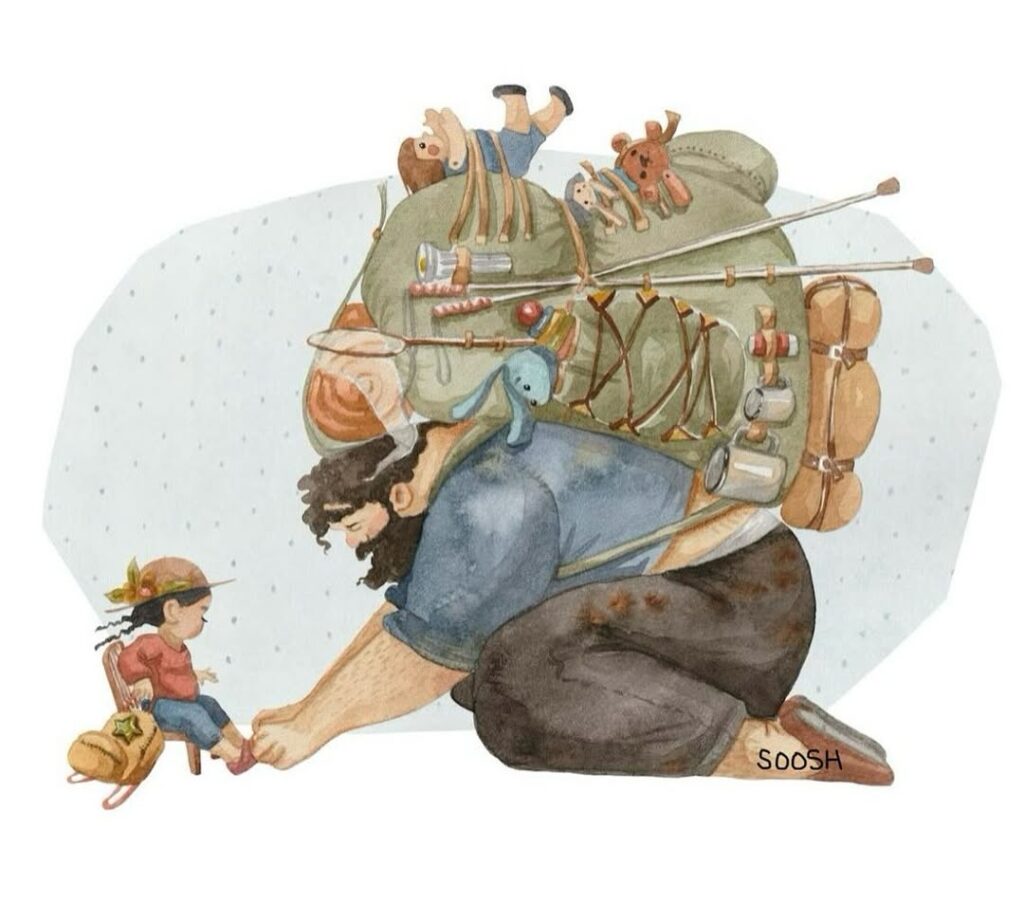
The early illustrations focus on protection and closeness. The daughter is tiny, playful, and completely dependent on her father for comfort and safety.
As the artwork progresses, the daughter slowly becomes more independent. She walks farther ahead, develops her own personality, and eventually begins stepping into adulthood.
The emotional tension increases because readers realize the father is slowly becoming less central to her daily life. That shift happens quietly in real families, which is why the paintings hit so hard.
The Moments Many People Recognized Instantly
Several recurring themes appeared throughout the artwork series. Fathers often appeared stronger on the outside while quietly carrying emotional stress underneath. The daughter figures slowly outgrew childhood routines that once felt permanent inside the family. Readers said those transitions mirrored real life with uncomfortable accuracy.
The paintings also highlighted quiet acts of protection that children rarely notice while growing up. Small gestures, such as carrying bags, shielding from rain, or waiting nearby, became emotional centerpieces in the illustrations. Many readers admitted that those details reminded them of things their own fathers used to do every day. The emotional weight came from how ordinary the moments felt.
Another major theme involved the sadness hidden inside proud parenting moments. The fathers often looked happy for their daughters while secretly struggling with how quickly childhood was disappearing. Physical closeness also faded naturally as the daughters grew older throughout the series. That gradual emotional distance became one of the most painful details for many viewers.
Readers said these details felt authentic because they reflected experiences that rarely get discussed directly. The paintings also avoid turning fatherhood into a cliché filled with dramatic speeches or exaggerated emotion. Instead, the emotional impact comes from silence, gestures, expressions, and body language. That subtle storytelling style made the artwork feel honest instead of overly sentimental.
Why Simple Art Sometimes Hits Harder Than Movies
The paintings contain almost no dialogue, yet readers described them as emotionally devastating. That reaction highlights how visual storytelling can sometimes communicate feelings more effectively than lengthy explanations. A single image can capture emotional tension in ways that words sometimes struggle to achieve. Readers often filled the silence inside the artwork with their own memories and experiences.
A single image allows viewers to pause and sit with their own interpretation. Unlike movies or television scenes, paintings leave emotional space for personal reflection. There are no soundtracks, dramatic speeches, or forced emotional cues directing the audience. That quiet simplicity gives viewers freedom to connect with the artwork personally.
The watercolor style also contributes heavily to the mood. The soft colors create warmth while still carrying sadness underneath. The gentle visual style makes the emotional moments feel comforting rather than emotionally overwhelming. Many readers said the artwork felt peaceful despite carrying such heavy emotional themes.
That balance between comfort and melancholy mirrors the experience of parenting itself. Raising children brings joy, pride, exhaustion, fear, and heartbreak all at once. The paintings manage to capture all those emotions without becoming dramatic or exaggerated. That emotional realism is one of the main reasons the illustrations connected so strongly with audiences online.
The Details People Kept Pointing Out
Readers repeatedly focused on small artistic details hidden inside the illustrations. In many scenes, the father watches the daughter closely instead of paying attention to the environment around him. The daughter, meanwhile, usually appears carefree and relaxed even when the father looks visibly worried. That contrast added emotional depth without needing any dialogue.
Another detail viewers noticed was the slow increase in physical distance throughout the series. Early paintings show constant closeness between the father and daughter, while later illustrations place more space between them. Protective gestures also become less necessary as the daughter matures and grows more independent. Readers said that visual progression quietly captured the reality of growing up.
Many people also pointed out how the father’s expressions changed over time. In the early paintings, he appears playful and energetic, while the later illustrations carry more sadness and reflection. The emotional transition happens gradually rather than suddenly, which makes the storytelling feel realistic. Several viewers said they noticed completely different emotions each time they revisited the artwork.
These details helped the artwork feel layered despite its simplicity. Many readers revisited the paintings multiple times because they continued noticing new emotional elements during each viewing. That depth is one reason the illustrations kept spreading online years after they first became viral. The paintings reward careful attention in a way many internet trends simply do not.
The Final Paintings Leave Many Readers Emotional
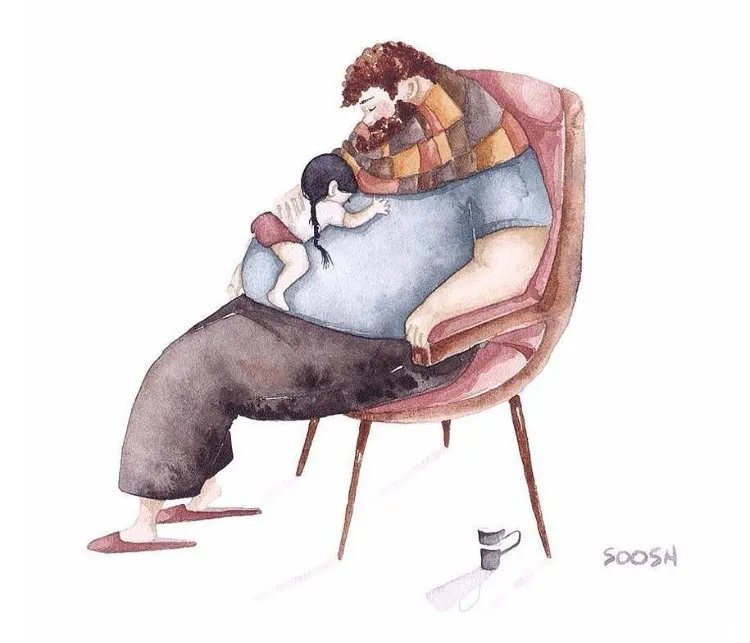
The later illustrations in the series carry a noticeably heavier emotional tone. The daughter grows older, walks farther away, and begins creating her own life. The father still watches closely, but his role slowly changes with time. That shift becomes one of the most emotional parts of the entire series for readers.
The father remains present, but the dynamic changes permanently. Readers described these final paintings as the most difficult to look at because they capture a reality every parent eventually faces.
Children grow up. The routines disappear. The house becomes quieter. The moments that once felt ordinary suddenly become memories. Many readers said those scenes hit hardest because they reflected real life so accurately. Parents especially connected with the fear of not realizing a moment mattered until it was already gone.
That emotional truth sits at the center of why the artwork became viral in the first place. People were not simply sharing paintings. They were sharing the fear of time moving too fast.
Some Stories Do Not Need Words To Last
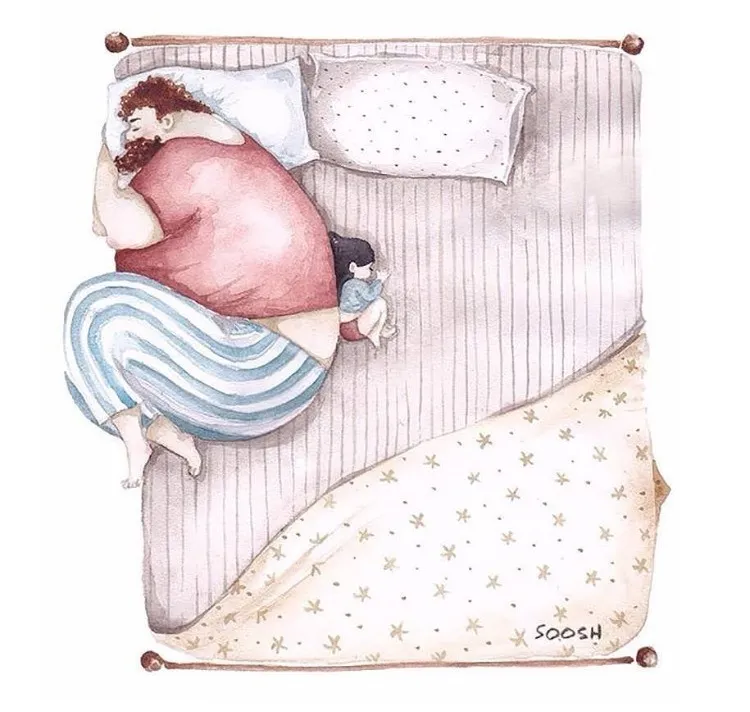
The paintings became viral because they captured something people struggle to explain clearly. Family relationships often live inside routines, gestures, and silent moments that only feel important once they are gone. The illustrations focused on everyday experiences instead of dramatic events or exaggerated emotion. That simplicity made the artwork feel far more personal for readers.
Many fathers admitted the paintings reflected emotions they rarely discuss openly with others. Daughters also shared stories about suddenly understanding their parents differently after seeing the illustrations online. The emotional reactions spread because almost everyone could recognize pieces of their own lives inside the artwork. Very few viral stories manage to create that kind of universal connection.
The paintings also reminded readers how quickly childhood disappears inside ordinary routines. A school pickup, a bedtime story, or a walk home can eventually become memories people desperately wish they could revisit. That emotional reality sits quietly underneath nearly every illustration in the series. It explains why so many readers reacted so strongly to the artwork.
For many people, the illustrations became more than internet content shared for a few days online. They became reminders to pay closer attention to the people who make ordinary moments feel safe, comforting, and important. Long after social media trends disappear, those relationships continue shaping how people remember their lives. That emotional truth is what keeps the paintings alive years later.