
Your cart is currently empty!
These Portraits Show What Happens When Girls Aren’t Told To Smile For The Camera
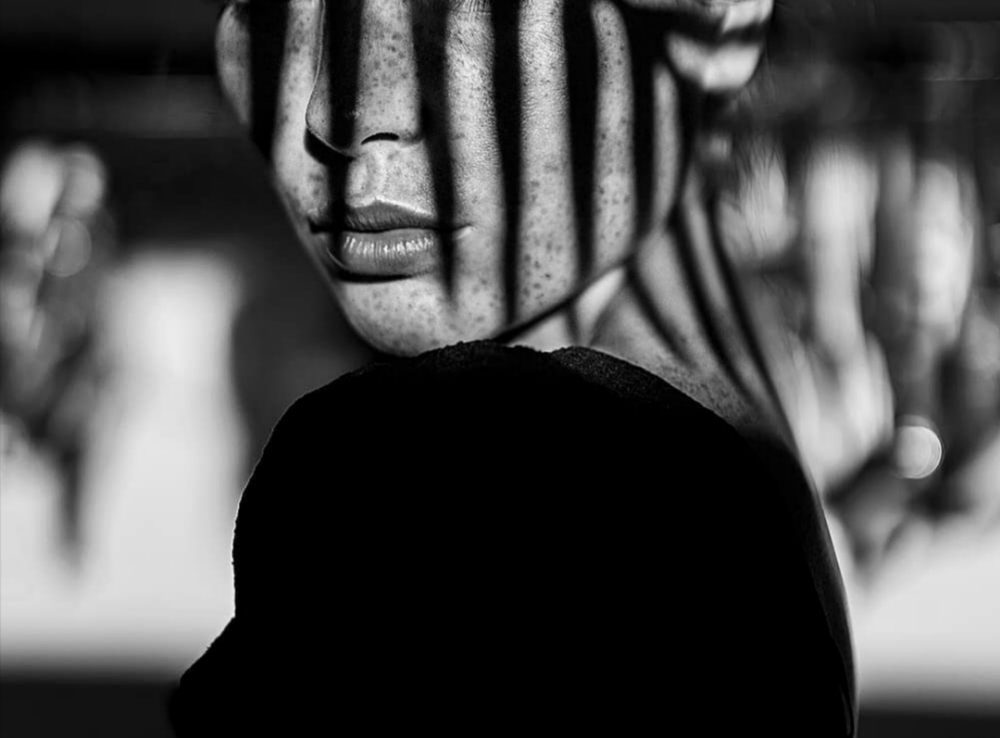
For generations, girls have heard the same instruction the moment a camera appears: smile. Whether it’s a school portrait, a family gathering, or a quick photo with friends, the expectation is so common that most people barely notice it anymore. One photographer decided to challenge that idea, and the images she captured quickly sparked a conversation that reached far beyond photography.
Contents
show
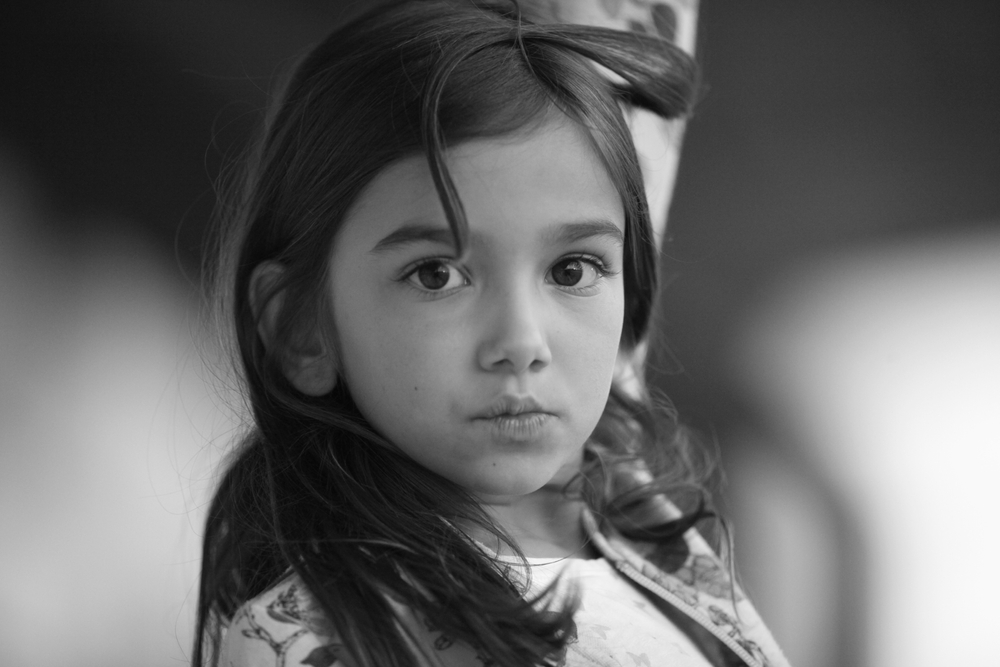
The portraits are simple, black and white, and completely free of forced expressions. Instead of asking young girls to grin for the camera, photographer Brooke Light allows them to present themselves however they feel in the moment. The result is a collection of photographs that many viewers say feels more powerful, honest, and revealing than the traditional smiling portraits people have grown accustomed to seeing.
A Photography Session That Started With One Simple Observation
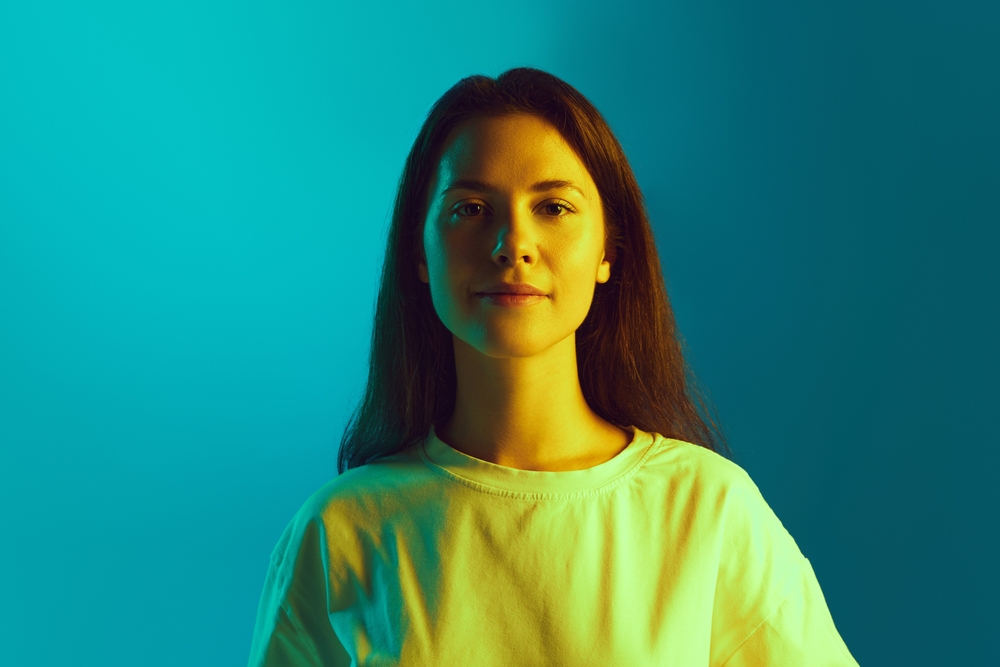
The idea behind Light’s now-famous portrait series began while she was photographing her niece, Ruby. What started as a casual photo session soon turned into something much bigger when she noticed a dramatic difference in the images she was capturing.
Rather than directing Ruby to smile, Light allowed her to move naturally and express herself however she wanted. The approach immediately changed the energy of the photographs. Instead of posing for the camera, Ruby appeared completely comfortable being herself.
Light later explained what happened during that session, saying, “I realized pretty quickly that because she was wearing what she wanted to and I wasn’t making her smile, she was giving me some incredibly powerful looks. From there, my creative bells were ringing, and I thought there might be something to this.”
That realization eventually evolved into a portrait project that would attract widespread attention online and challenge assumptions about how young girls are typically photographed.
The Goal Was Never To Eliminate Smiles
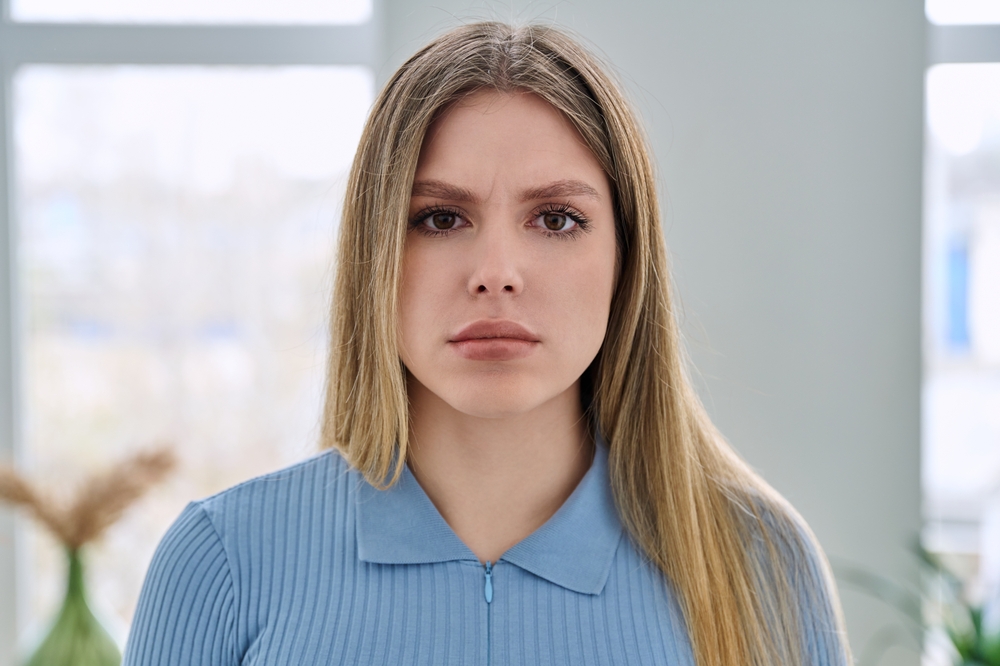
One of the biggest misconceptions about Light’s work is that she is somehow opposed to smiling. In reality, her project has never been about preventing girls from smiling. Instead, it focuses on removing the expectation that they must smile regardless of how they feel.
During her sessions, children are free to laugh, grin, look serious, appear curious, or simply sit quietly. There is no correct expression and no pressure to perform for the camera. Light believes that freedom often leads to more meaningful portraits.
She explained that the issue goes beyond photography itself. “For me, it comes back to the performative aspect of smiling in situations that you don’t want to. It’s a subtle conditioning that says other people would be more comfortable if I was smiling/happy right now, so I’m going to choose their comfort over my own.”
That perspective resonated with many people who recognized the pressure girls and women often face to appear cheerful and agreeable, even when they may not feel that way.
The Portraits Capture Something Rare
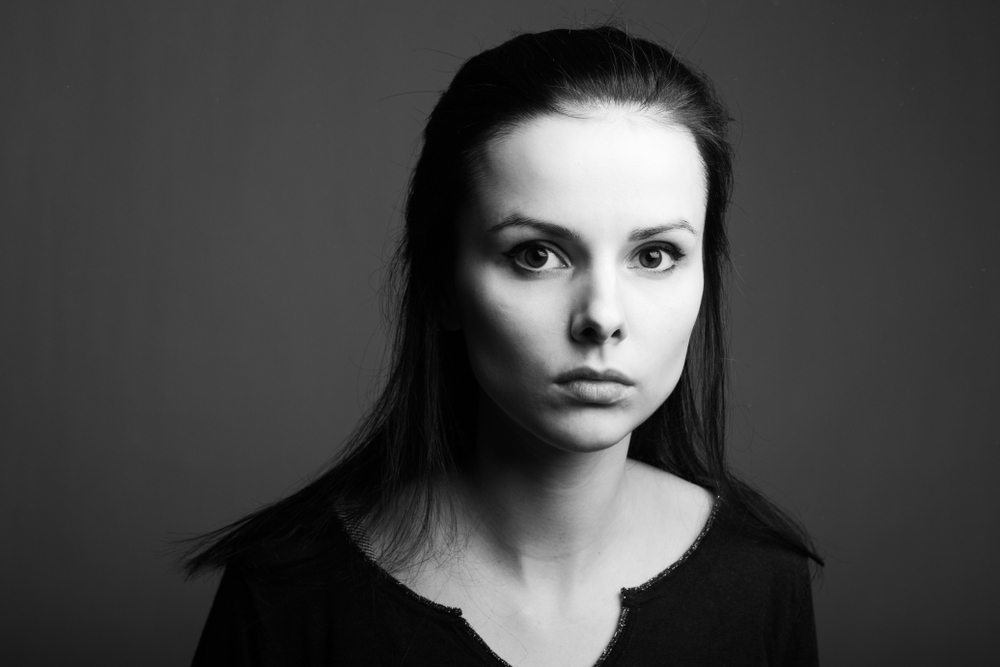
One reason the photographs have attracted so much attention is their striking simplicity. There are no elaborate sets, colorful props, or dramatic visual effects competing for attention. Every image focuses entirely on the child standing in front of the camera.
The black-and-white format adds another layer of intensity. Without bright colors pulling the viewer’s attention elsewhere, facial expressions and body language become the center of each photograph. Small details suddenly feel significant.
Some of the girls appear confident and determined. Others look thoughtful, playful, curious, or even slightly rebellious. Each portrait feels different because each child is allowed to present a different side of her personality.
The images challenge the idea that happiness is the only emotion worth documenting. They suggest that confidence, reflection, seriousness, and individuality can be just as compelling.
Parents Quickly Embraced The Concept
Many parents who brought their daughters to Light’s sessions were drawn to the project’s emphasis on authenticity. Instead of focusing on creating the perfect picture, the sessions focused on creating an environment where children felt comfortable being themselves.
Parents often discovered aspects of their children’s personalities reflected in the final portraits that they had never seen captured before. Rather than producing a generic school-photo smile, the images highlighted traits that felt uniquely personal.
Several factors helped make the sessions appealing:
- Children were not pressured to perform.
- Expressions developed naturally.
- Individual personality took priority over posing.
- Confidence mattered more than perfection.
- Every child controlled how she appeared in the final image.
For many families, the photographs felt less like traditional portraits and more like genuine snapshots of who their children were at that moment in life.
Why The Images Spread Across The Internet
The photographs gained momentum online because they touched on a conversation many people were already having. Social expectations around appearance, confidence, and self-expression have become increasingly discussed in recent years, particularly when it comes to young girls.
One widely shared message connected to the project encouraged people to “allow girls to show up, take up space and not smile if they don’t want to.” The statement resonated with viewers who felt that girls are often taught from an early age to prioritize appearing pleasant over expressing their true feelings.
The images also stood out because they looked different from the polished portraits people scroll past every day on social media. Their honesty made them difficult to ignore.
Rather than relying on dramatic editing or viral gimmicks, the photographs succeeded because they presented something simple and authentic. In a world filled with carefully curated images, that authenticity proved surprisingly powerful.
Brooke Light’s Message Continues To Resonate
As interest in the project grew, Light continued to emphasize the larger idea behind her work. The discussion was never about banning smiles or encouraging negativity. It was about choice and allowing girls to decide how they want to present themselves.
She summed up that philosophy by saying, “It’s an acknowledgment that we, as women, are often expected to make a situation more comfortable/enjoyable for everyone else with our smile. The earlier we can release young girls from this constant narrative, the better their chances of not constantly doubting their feelings and place in any given situation.”
That message helps explain why the portraits continue to attract attention years after they were first shared. People may initially stop scrolling because of the striking photographs, but many stay because of the conversation those images create.
A simple decision to stop asking girls to smile ended up revealing something many viewers had never considered before. Sometimes the most memorable portrait comes from allowing a person to decide exactly how they want to be seen.
black and white photography, Brooke Light, confidence, Human Interest, Inspiring Stories, parenting, photo series, photographer, Photography, photography project, portrait photography, school portraits, self expression, social norms, trending news, viral news, Viral Photos, viral story, women empowerment, young girls