
Your cart is currently empty!
These Stunning Animal Sculptures Are Made From Sand, and People Can’t Believe Their Eyes
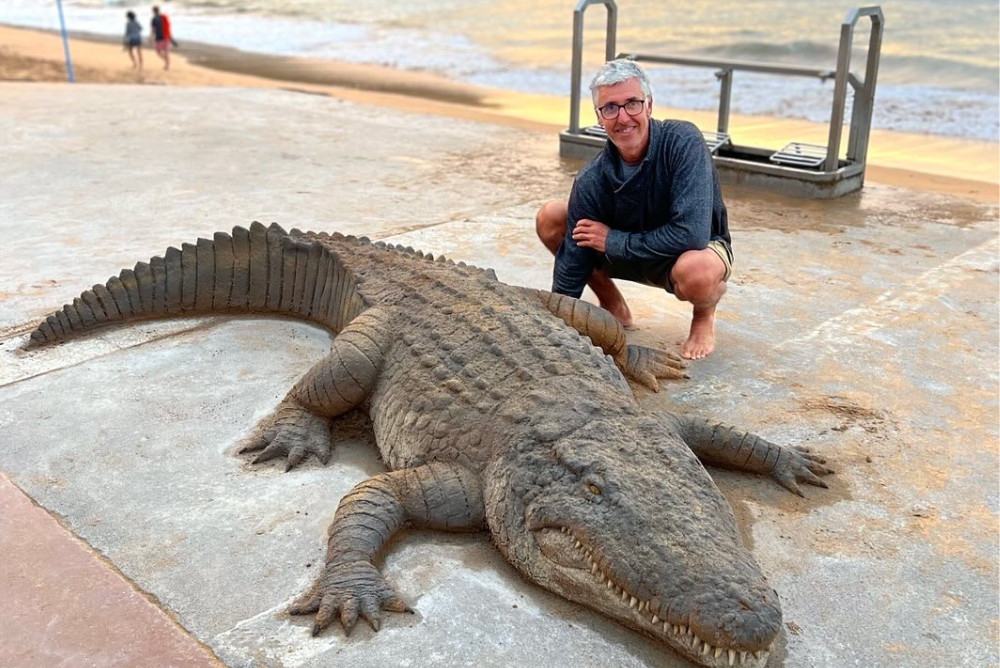
A walk along the beach usually brings familiar sights: waves rolling onto the shore, children building sandcastles, and footprints disappearing with the tide. But visitors who stumble across the work of Spanish artist Andoni Bastarrika often stop in disbelief. Scattered across the sand are lions, elephants, horses, dogs, and other creatures that appear to be peacefully resting by the ocean. From a distance, many people assume they’re looking at real animals until they get close enough to realize every wrinkle, strand of fur, and muscle has been carefully sculpted from nothing more than sand and water.
Contents
show
The astonishing realism has made Bastarrika one of the world’s most recognizable sand artists, with his creations captivating millions online and drawing crowds wherever he works. While sand sculptures are commonly associated with castles or decorative displays, Bastarrika has shown that the humble material can become something far more extraordinary. Through years of dedication, remarkable attention to detail, and an artistic philosophy deeply rooted in nature, he has transformed ordinary beaches into open-air galleries where temporary masterpieces blur the line between sculpture and reality.
A Family Beach Trip Changed Everything
Bastarrika never planned to become a professional sand sculptor. His artistic journey began unexpectedly during the summer of 2010 while spending a day at the beach with his daughters. Like countless parents, he joined in building shapes in the sand, but something about the experience sparked an idea that would completely change his life. What began as a simple family activity soon revealed a talent he hadn’t realized he possessed.
Looking back on that pivotal day, Bastarrika told My Modern Met, “From that moment I knew clearly inside that I had to follow this path.” Rather than dismissing the feeling, he chose to pursue it with complete commitment. The discovery wasn’t based on luck alone. It became the starting point of years of discipline and experimentation that allowed him to develop a style unlike anything most beachgoers had ever seen.
Instead of waiting for busy summer crowds, Bastarrika spent the next two years practicing during autumn, winter, and early spring when the beaches were largely deserted. The quiet coastline gave him space to make mistakes, test new techniques, and understand how different types of sand behaved under changing weather conditions. Every sculpture taught him something new about the material, gradually pushing his skills to an entirely different level.
By the time he finally felt confident enough to share his work publicly, Bastarrika had already completed countless hours of practice. The years of preparation paid off almost immediately, with people struggling to believe that such realistic animals could emerge from nothing more than sand gathered from the very beach beneath their feet.
From Simple Sand to Stunning Wildlife
Creating sculptures that fool the eye requires far more than piling wet sand into large shapes. Bastarrika begins every piece by tightly packing the sand until it forms a solid, stable foundation capable of supporting intricate details. From there, each stage demands patience as he slowly carves away material rather than adding to it, allowing the animal to gradually emerge from what initially looks like an ordinary mound.
Unlike many sculptors who rely heavily on specialized tools, Bastarrika completes much of the shaping process using only his hands. Their sensitivity allows him to create flowing curves and lifelike anatomy that rigid tools often struggle to reproduce. Once the overall form is complete, he introduces simple objects such as bird feathers and pointed wooden sticks to refine delicate textures, from fine strands of fur to deep wrinkles around an elephant’s face.
Color also plays an important role in convincing viewers that the sculptures are real. Rather than leaving the sand untouched, Bastarrika carefully applies natural stone powders and other materials to recreate subtle variations found in animal coats, skin, and shadows. These finishing touches help create remarkable depth, making the sculptures appear almost photographic when viewed from the right angle.
Several techniques combine to produce the breathtaking illusion:
- Compacted wet sand: Forms a strong foundation capable of supporting detailed carving.
- Hand sculpting: Creates smooth, natural curves without relying heavily on metal tools.
- Bird feathers: Produce realistic fur textures and soft surface details.
- Pointed wooden sticks: Define facial features, claws, wrinkles, and other fine elements.
- Natural stone powders: Add lifelike color and shading that enhance the sculpture’s realism.
The result is artwork that constantly surprises beach visitors. Even after realizing the animals are sculptures, many people remain fascinated by how convincingly Bastarrika captures every detail using materials that will eventually be reclaimed by the tide.
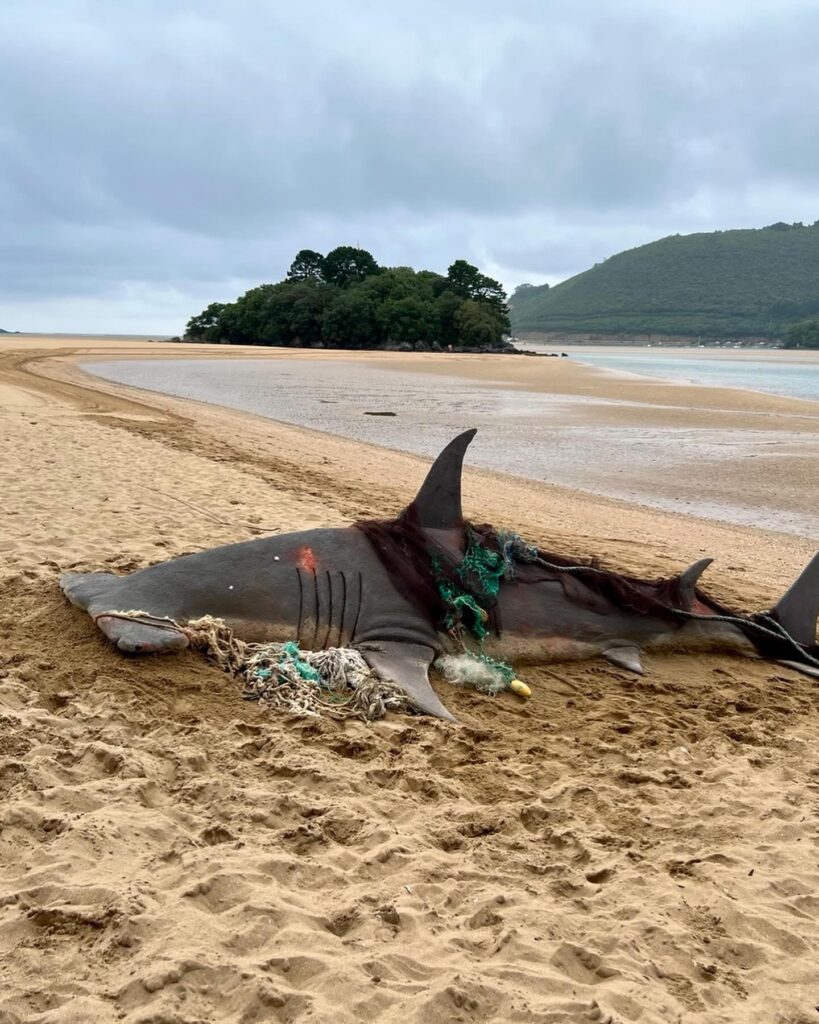
Image via andoni_bastarrika_artista
Why Animals Became His Greatest Inspiration
Although Bastarrika has the ability to sculpt almost anything, animals have always remained at the heart of his work. He believes their natural forms perfectly reflect the flowing shapes found throughout the natural world. Unlike buildings or mechanical objects with sharp edges and rigid lines, animals are defined by soft curves, subtle movement, and organic proportions. That makes them the ideal subjects for an artist who prefers shaping sand with his own hands rather than relying on heavy tools.
Explaining his approach to My Modern Met, Bastarrika said, “As in nature itself, nothing is straight, everything is round, everything is fluid, everything is created in a spiral.” He believes these natural patterns allow him to model his sculptures almost instinctively, using touch instead of mechanical precision. Once the larger forms have taken shape, he introduces bird feathers and pointed sticks only to refine details that bring each animal to life.
The result is a collection of sculptures that capture far more than physical appearance. Every lion appears calm yet powerful, every elephant carries a quiet sense of strength, and every horse seems frozen in the middle of a gentle breath. Rather than simply copying photographs, Bastarrika studies the posture and character of each species, aiming to recreate the feeling they evoke in the wild.
This attention to personality is one reason his work resonates with so many people. Viewers aren’t just impressed by the technical skill involved. They often find themselves emotionally connected to sculptures that exist for only a short time before wind and waves erase every trace of them.
More Than Art, It’s a Tribute to Nature
For Bastarrika, creating realistic sculptures has never been solely about showing artistic ability. He sees every piece as a conversation between people and the natural world, encouraging viewers to pause and appreciate animals that many rarely encounter outside photographs or documentaries.
He explained this philosophy by saying, “I am fascinated that people can confuse sculptures made simply with sand and water as if they were real.” That moment of uncertainty, when someone briefly believes the sculpture is alive, is exactly what he hopes to achieve. It creates an emotional response before logic catches up.
Bastarrika goes even further, describing his sculptures as carrying a deeper meaning. “The sculptures that I make have life, they have a soul, it is the same soul that Mother Earth has,” he said. “My sculptures speak for her and for all the animals that are the most connected to Mother Earth. For this, I focus on the wisdom, strength, and beauty that nature transmits.”
Whether or not visitors share that spiritual perspective, many leave with a greater appreciation for both wildlife and the fragile beauty of art created entirely from natural materials. Every sculpture exists only briefly, making the experience of seeing one in person even more memorable.
Arte: Andoni Bastarrika é um artista Basco que encanta o mundo com esculturas de areia extremamente realistas, 2019. ©Andoni Bastarrika pic.twitter.com/nSjV9bGV2k
— Fotos de Fatos (@FotosDeFatos) April 28, 2022
Why Millions Can’t Stop Looking at His Work
The internet is filled with impressive artwork, yet Bastarrika’s creations continue to spread across social media because they challenge what people believe is possible with sand. At first glance, many viewers assume they’re looking at a sleeping animal photographed on the beach. Only after a closer inspection do they realize every detail has been carefully sculpted by hand.
The illusion becomes even stronger because the sculptures are displayed in their natural environment. An elephant resting beside the shoreline or a lion facing the ocean feels perfectly at home against the backdrop of crashing waves and open sky. Unlike sculptures displayed inside museums, these pieces interact with changing sunlight, shifting shadows, and the surrounding landscape throughout the day.
Their temporary nature also adds to their appeal. Knowing that wind and incoming tides will eventually erase hours of painstaking work makes each sculpture feel unique. Photographs preserve the artwork, but the original creation exists only for a short moment before nature quietly reclaims the sand from which it was formed.
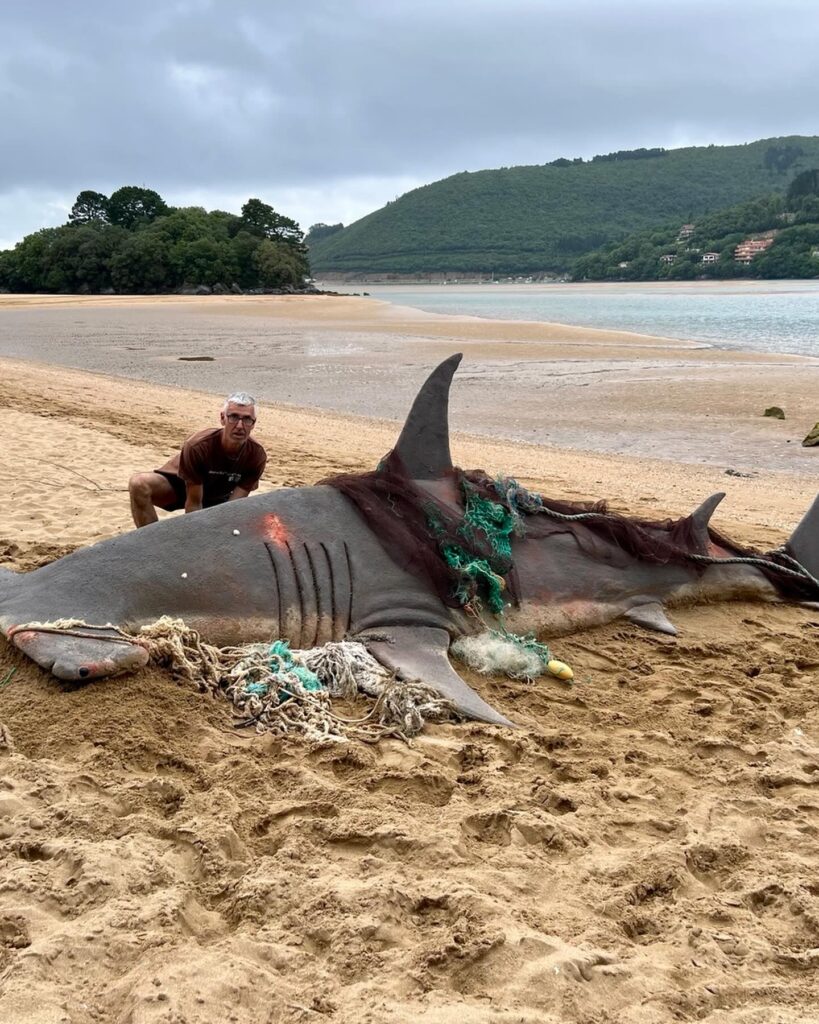
That combination of extraordinary craftsmanship and impermanence has earned Bastarrika a global following. His Instagram continues to attract art lovers eager to see which animal will emerge from the sand next, proving that some of the world’s most unforgettable masterpieces don’t need marble, bronze, or stone.
Featured Image via andoni_bastarrika_artista
amazing artists, Andoni Bastarrika, animal sand sculptures, beach art, beach creativity, beach sculptures, Birds Advice, creative art, hyper realistic art, incredible artwork, My Modern Met, ocean art, realistic animal sculptures, realistic sand sculptures, sand artist, sand sculptures, sculpture artist, viral art, viral stories, wildlife sculptures