
Your cart is currently empty!
Thieves Hit AI Data Center Shipments, Stealing $1.3 Million in Copper and Gear
Cargo theft used to mean stolen sneakers and televisions, consumer goods swiped off trucks before reaching store shelves. Criminals have found something far more profitable to chase. A recovery outside Chicago shows where the money has moved, and it points directly at the construction boom feeding America’s data centers.
Contents
show
Two trailers turned up in a truck yard, packed with materials worth more than a million dollars. What deputies found inside, and how they stumbled onto a second stolen load while investigating the first, reveals a crime trend that has grown right alongside the rush to build.
Two Stolen Trailers, $1.3 Million Recovered
Investigators with the Cook County Sheriff’s Office in Illinois recovered two stolen trailers loaded with $1.3 million worth of data center materials at a truck yard in Elk Grove Township, just outside Chicago. Organized theft rings have moved past retail cargo and now target the supply chain behind data center construction, chasing copper and equipment that fetch far more on resale than a shipment of gadgets ever could.
Officers from the department’s Police Organized Retail Crime Unit ran the raid on June 18, acting on a tip. What began as a search for one stolen trailer turned into the discovery of two, both taken from different states, both hauled hundreds of miles before landing in the same Illinois yard.
How Deputies Found the Copper Trailer
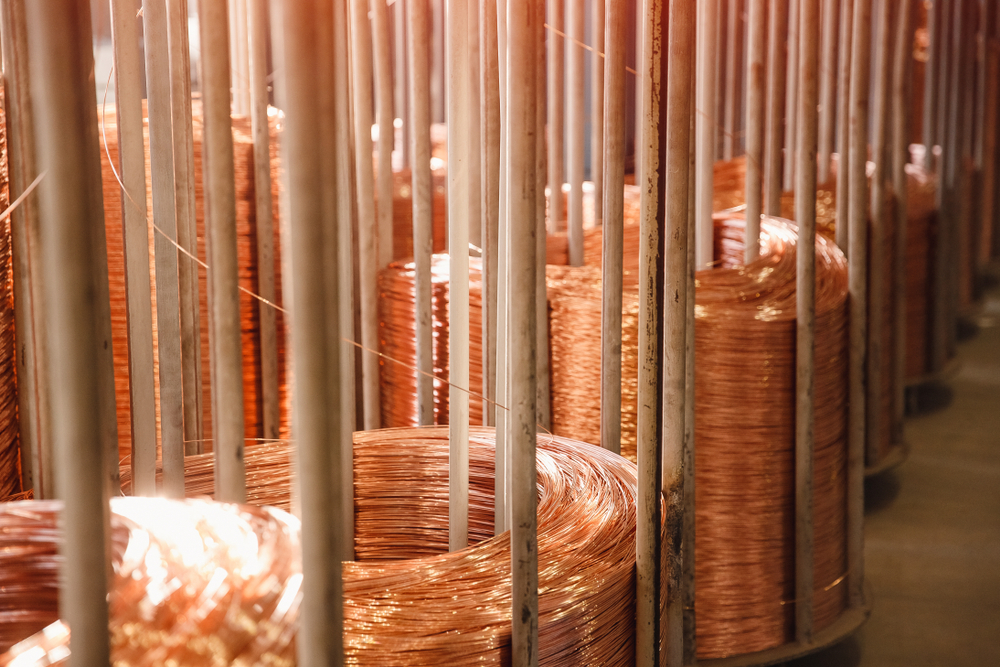
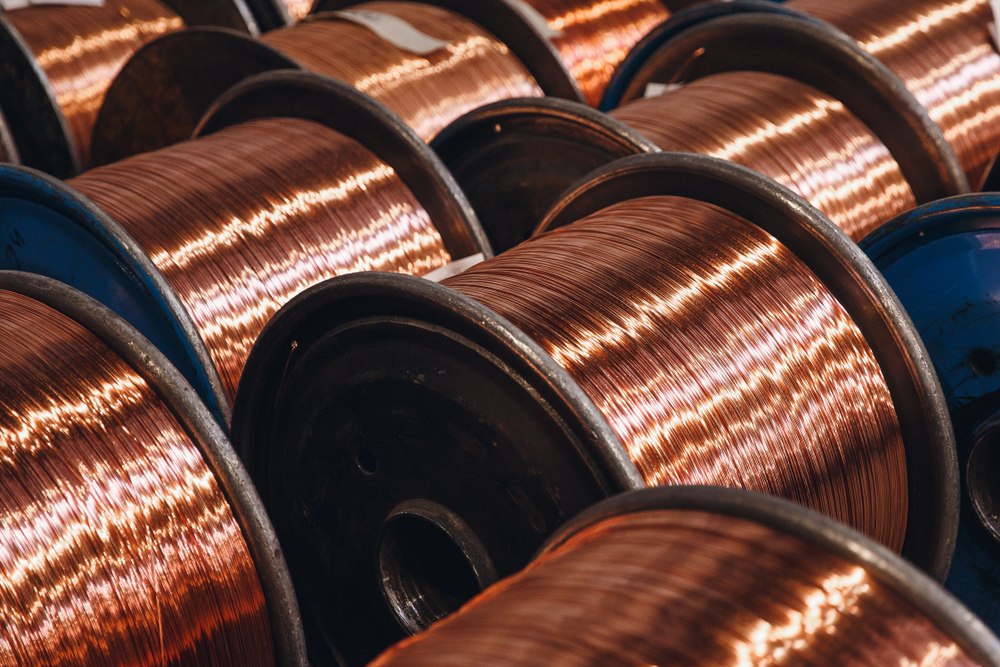
On June 18, the Sheriff’s Office received a tip about a trailer reported stolen out of Pine Hill, Alabama, tracked to a local truck yard. Deputies arrived to find roughly $300,000 worth of copper wire spools inside. Copper wire goes into power distribution and connectivity across data center builds, making it one of the more sought-after materials moving on trucks right now.
Details on the trailer’s plates differ between reports. One account says the trailer carried Indiana license plates that had been reported stolen in Wisconsin. Another says the tags came from Indiana as a way to hide the trailer’s origin. Either way, the swapped plates point to an effort to cover the load’s trail. Officers located the copper trailer through its GPS tracker, which led them to the yard in the first place.
A Second Stolen Trailer Turns Up
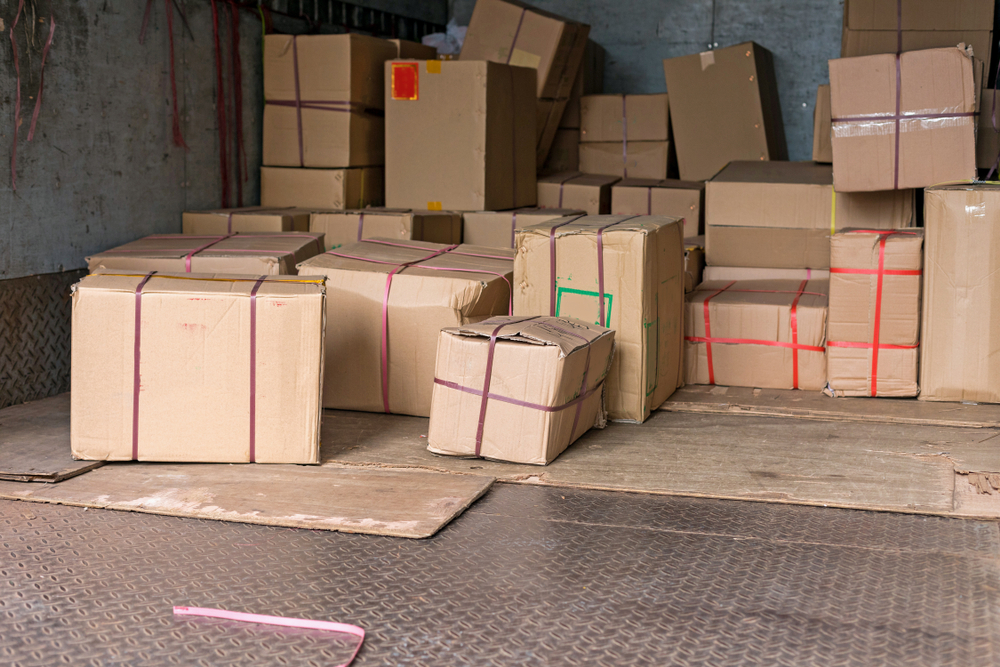
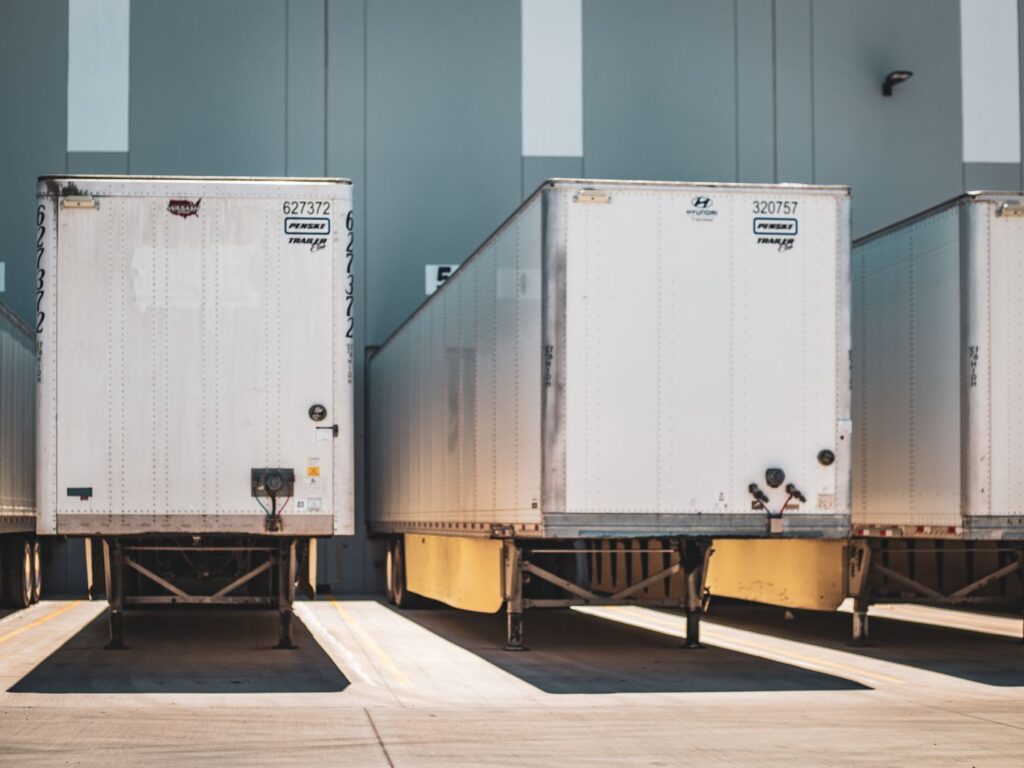
While deputies worked the scene, the truck yard’s owner told them the same driver who dropped off the copper trailer had left another trailer the week before. That second trailer had also been reported stolen, this time from Jacksonville, Florida, and it held $1 million worth of data center infrastructure equipment.
No arrests have been reported. The Cook County Sheriff’s Department wrote on X that “investigators are working to identify the driver and anyone else who may have been involved in these thefts.” Whoever owns the stolen equipment has not been named. Two trailers, taken from Alabama and Florida and recovered in Illinois, show how far these rings move stolen goods across state lines before trying to fence them.
Why Data Centers Draw Thieves Now
Cargo theft has traditionally hit retail supply chains hardest, with the U.S. Department of Homeland Security estimating it costs businesses as much as $35 billion a year, according to Business Insider. Rapid growth in AI-driven data center construction has opened a new and far more profitable target for organized crime.
Every data center needs truckloads of copper, cabling, servers, and components on the road before technicians can install a single server. Each shipment becomes a target. Millions of dollars’ worth of parts sit on highways at any given moment, and thieves have started going after these high-value loads instead of the consumer electronics they once favored. Money drove the shift, plain and simple, as criminals followed the materials worth the most.
The Numbers Behind the Crime Wave
According to Verisk CargoNet, estimated losses from U.S. cargo theft climbed to nearly $725 million in 2025, a 60% jump from the prior year, even as the total number of theft incidents barely moved. Metal theft alone rose 77%, driven largely by copper demand. Thieves now pass over lower-value gadgets like TVs and go after servers, storage hardware, and crypto-mining rigs, items that resell for far more. Average value per cargo theft incident climbed 36%, to almost $274,000.
Keith Lewis, vice president of operations at Verisk CargoNet, described the change in tactics in the report. “Criminal enterprises are becoming more selective and sophisticated, targeting extremely high value shipments rather than relying on opportunistic theft,” Lewis said. Fewer thefts pulling in more money each time points to planning rather than the grab-and-run approach retail cargo theft once meant.
Copper’s Price Is Fueling the Theft
Copper’s rising price has done much to drive this trend. According to JP Morgan, copper futures hit record highs at the start of the year, tied to global supply constraints and import tariffs. That price jump has made copper one of the fastest-growing property crime categories in the country, with construction sites, utility infrastructure, and now data center supply chains all exposed.
The National Retail Federation warned in a July 2025 statement that organized theft groups “adapt quickly to evade retailer and law enforcement tactics,” with supply chain and cargo theft incidents rising nationwide. Copper’s value makes it an easy target, since thieves can strip it, melt it down, and sell it without the paper trail that follows more specialized goods.
Why Servers Are Harder to Sell Than Copper
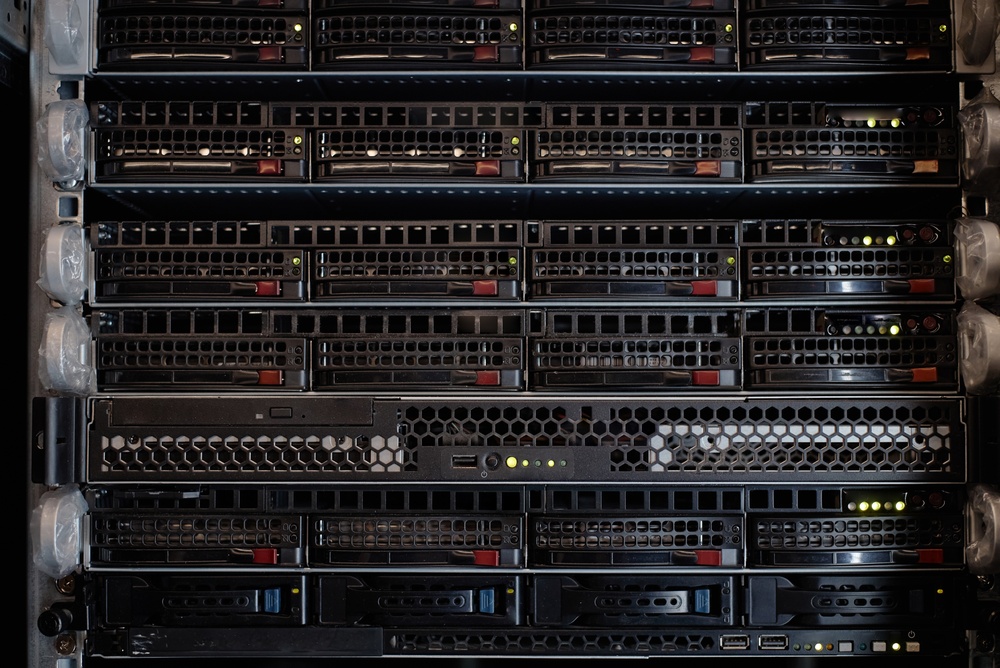
Copper wire moves easily on the black market. Data center servers present a harder problem for thieves. These are specialized machines bought mostly by institutions and large companies, and they often carry serial numbers that let buyers check their status with the manufacturer. Anyone spending that kind of money would want receipts and warranties, paperwork that thieves and fences cannot supply.
Consumer electronics make for easier targets, and theft rings have hit them before. About $1.4 million worth of Switch 2 consoles headed to a Texas GameStop were stolen from a semi-truck last year. Gaming GPUs draw thieves too. A shipment of EVGA 30-series cards stolen from a truck in 2021 surfaced months later in Vietnam, sold by a major retailer at a discount. Another set of MSI RTX 3090s was lifted straight from the company’s China factory in 2020, with the 220 cards valued at an estimated $336,500. Servers may carry a higher price tag, but turning them into cash proves tougher than moving stolen game consoles.
What It Means for Prices and Supply
Financial fallout from this kind of theft reaches past the value of the stolen goods. According to Avnet, memory chips, storage drives, and computing hardware already faced severe shortages and steep price spikes well before theft rings began targeting them as cargo. CargoNet expects the trend to continue into 2026, with criminal groups going after RAM modules, enterprise storage drives, and advanced computing equipment, the same parts powering the AI buildout.
Companies and freight carriers often carry insurance, so they rarely pay the full loss out of pocket. Theft still adds pressure to a supply chain already stretched thin. When components grow scarcer and pricier, every stolen trailer makes the squeeze a little worse for the companies trying to build.
A Rare Public Win Against an Emerging Crime

The Illinois recovery counts as one of the larger publicized wins against this crime wave so far. No one has been arrested, the driver remains unidentified, and the scale of the operation, with trailers taken from Alabama and Florida and recovered in Illinois, shows how these rings work across state lines.
Whether recoveries like this one can keep pace with the trend remains an open question. CargoNet expects the thefts to grow through 2026, targeting the exact components the AI boom depends on. For now, two trailers sit recovered, a driver stays on the run, and the data center construction rush that created this black market shows no sign of slowing. Wherever the next data center goes up, the copper and equipment feeding it will roll down highways worth millions, and the thieves who have learned to chase it will be watching.
AI construction boom, AI Infrastructure, cargo hijacking, cargo theft, Cook County Sheriff, copper futures, copper prices, copper wire theft, data center equipment, data center supply chain, Elk Grove Township, freight theft, metal theft, organized retail crime, server theft, stolen cargo recovery, stolen trailers, supply chain crime, truck yard raid, Verisk CargoNet