
Your cart is currently empty!
This 145,000-Pound Dinosaur Is Up For Sale And It Is Causing Chaos
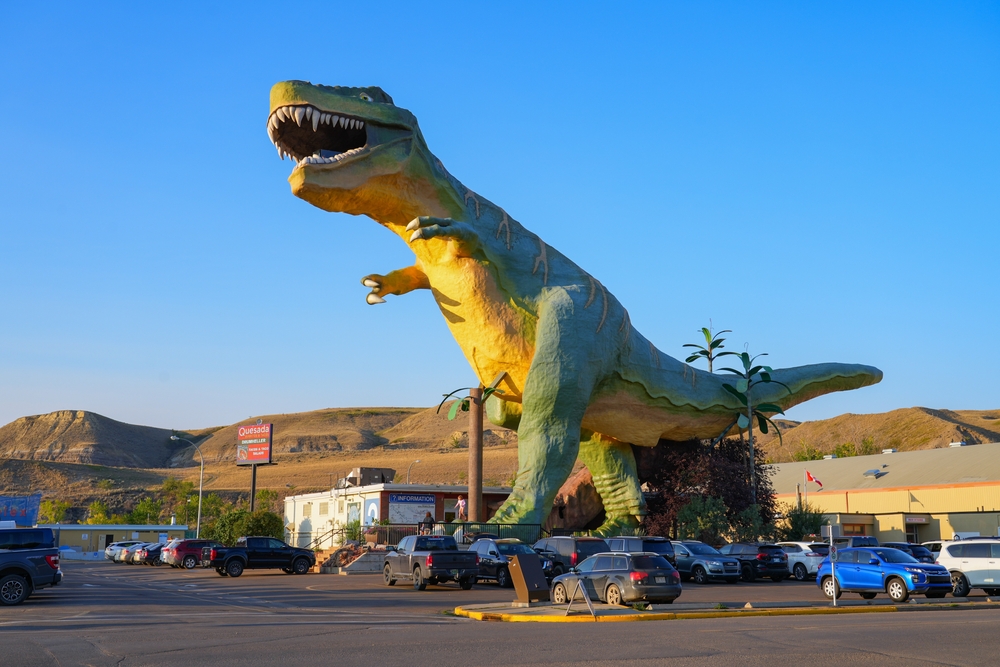
A full-sized Tyrannosaurus rex that weighs as much as a blue whale is currently sitting in storage, and nobody seems quite sure where it belongs in the modern world. What started as a bold, attention-grabbing project has quietly turned into a logistical puzzle that even major institutions are struggling to solve.
Contents
show
The situation feels almost surreal. This is not a fossil locked behind glass or a digital creation built for screens. It is a massive, physically constructed dinosaur designed to exist at a scale most people only imagine. And now, despite all that effort, it is effectively homeless.
The challenge is not about interest. People are fascinated by it. The real issue is whether anyone has the space, money, and long-term vision to take responsibility for something this enormous.
The Giant T. Rex That Outgrew Its Home
The dinosaur being discussed is widely described as the largest T. rex replica ever created, and its scale is difficult to fully grasp without context. Stretching across a vast footprint and weighing around 145,000 pounds, it operates on a scale closer to architecture than exhibition design.
It was originally built to serve as a centerpiece attraction, something that would immediately stop visitors in their tracks. Every aspect of its construction was designed to create impact, from its towering height to the detailed recreation of muscle structure and posture.
Despite that ambition, the project has reached a turning point. The space or institution that once housed it can no longer support it, which has forced its creators to look for alternatives. That search has now expanded beyond traditional buyers.
As word spread online, the situation transformed into a viral story. What began as a practical problem quickly became a global curiosity, with people asking the same question: who could possibly take this on?
What Makes This Dinosaur So Unusual
Most dinosaur exhibits are designed within clear spatial limits, carefully tailored to fit museum halls or controlled environments. This T. rex takes a different approach by prioritizing scale above all else, aiming to recreate the experience of standing beside a real apex predator. The design focuses on immersion rather than convenience, allowing visitors to understand its size through direct physical comparison instead of measurements.
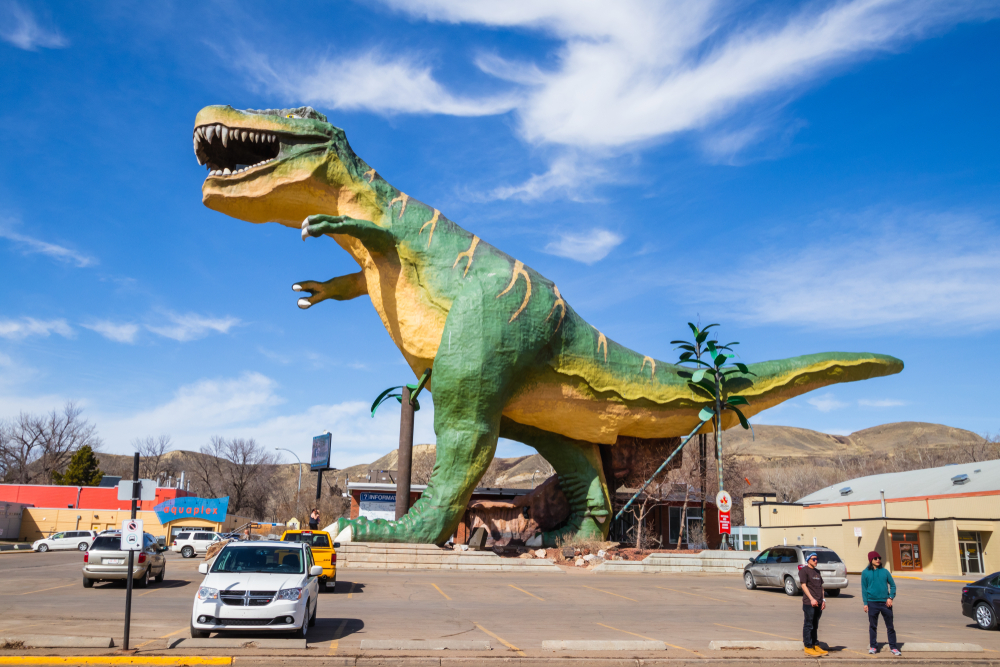
However, that same commitment to realism introduces significant challenges. A structure of this magnitude cannot be easily relocated or adapted to smaller venues without major compromises. It requires vast amounts of space that only a limited number of locations can provide, making placement inherently difficult.
The financial side further complicates the situation. The cost of acquiring such a large structure is already high, limiting potential buyers to major institutions or extremely wealthy individuals. Yet the purchase price is only one part of the equation.
Transport, installation, and long-term maintenance add substantial ongoing expenses. Moving something this great demands specialized logistics and heavy equipment, while installation requires careful planning. Even after setup, preserving its condition over time requires continuous investment, making its greatest strength also its biggest obstacle.
Why Selling A Dinosaur Is So Complicated
At first glance, the idea of owning a massive dinosaur sounds exciting, almost like a dream opportunity for museums or entertainment venues. In reality, the process is far more complicated and filled with practical challenges.
Space is the most immediate issue. A structure of this scale requires not only room for the dinosaur itself but also safe viewing areas, support infrastructure, and access for maintenance. Many existing buildings simply cannot accommodate it.
Transportation presents another major hurdle. Moving a 145,000-pound object is not a simple task, and it involves specialized vehicles, permits, and route planning to ensure safety and feasibility.
Maintenance is an ongoing concern that cannot be overlooked. Weather exposure, structural wear, and general upkeep all contribute to long-term costs that extend far beyond the initial purchase.
The Internet Reacts To The Listing
Once the story reached a wider audience, it quickly captured attention across social media and news platforms. The sheer scale of the dinosaur made it an instant conversation starter, drawing both serious interest and playful speculation.
Many people responded with humor, imagining what it would be like to have such a massive structure in a backyard or private property. These reactions helped the story spread even further, turning it into a shared online moment.
At the same time, there was genuine curiosity about its future. People began discussing which cities, institutions, or companies might be capable of taking on such a project.
This mix of fascination and amusement played a key role in the story’s viral success, proving that unusual problems often capture attention more effectively than ordinary ones.
Museums And Educational Spaces
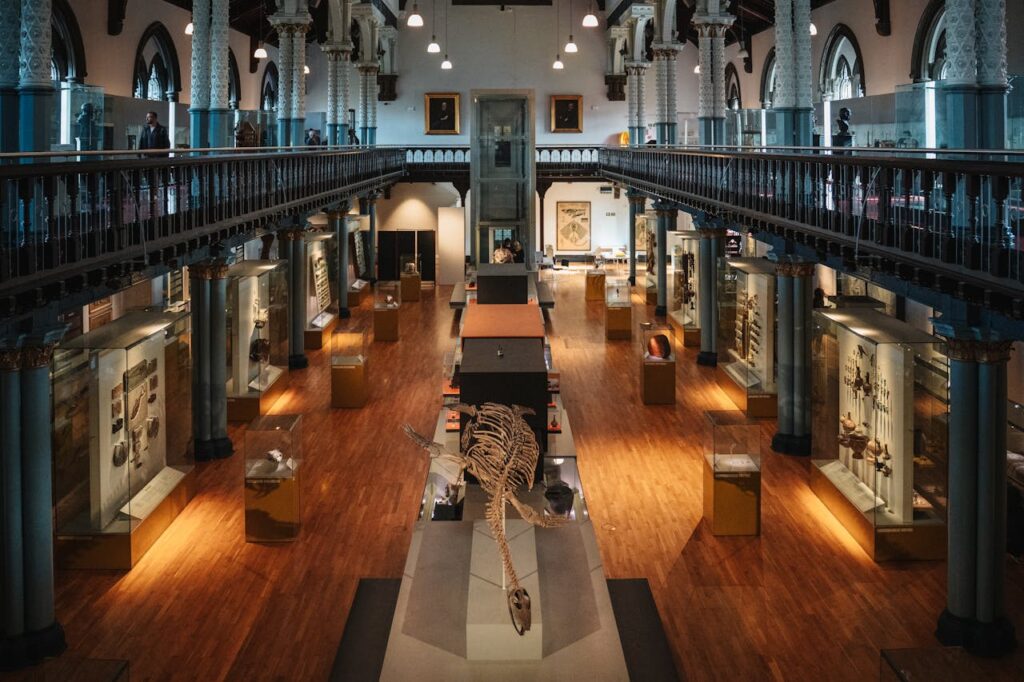
Museums are often seen as the most natural fit for a project like this, especially those focused on natural history or paleontology. A display of this magnitude could become a defining feature for any institution willing to host it.
However, the challenges remain significant even for museums. Renovations or entirely new spaces may be required, which adds time and financial pressure to the decision-making process.
Educational institutions could also benefit from such a display, particularly in terms of public engagement and science communication. It offers a powerful visual tool for teaching and outreach.
Still, the scale of investment means that even interested institutions must carefully evaluate whether it aligns with their long-term goals.
Entertainment And Tourism Venues
Theme parks and tourism-focused venues may have the flexibility needed to accommodate a structure of this size. These spaces are often designed for large installations and can integrate them into broader visitor experiences.
A dinosaur of this scale could serve as a central attraction, drawing visitors and encouraging repeat visits through its sheer presence. It also offers strong potential for marketing and media coverage.
Unlike traditional museums, these venues may be better equipped to handle the ongoing maintenance and operational demands associated with such a large structure.
For them, the dinosaur is not just an exhibit but a business opportunity that could generate long-term returns.
A Giant Problem Waiting For A Giant Solution
For now, the world’s largest T. rex replica remains in a state of uncertainty, caught between its original purpose and its current reality. It stands as both an impressive achievement and an unresolved challenge.
Whoever decides to take it on will need more than just interest or funding. They will need a clear plan for how to integrate it into a space where it can be appreciated and maintained properly.
Until that happens, the dinosaur exists in a kind of modern limbo, too large to ignore but too complex to easily place. It is a reminder that even the most ambitious ideas can face unexpected obstacles.
Somewhere, there is likely a perfect home for it. The question is whether that place is ready for something this big.