
Your cart is currently empty!
Trump Announces Eye-Watering $200,000,000 White House Renovation Plans
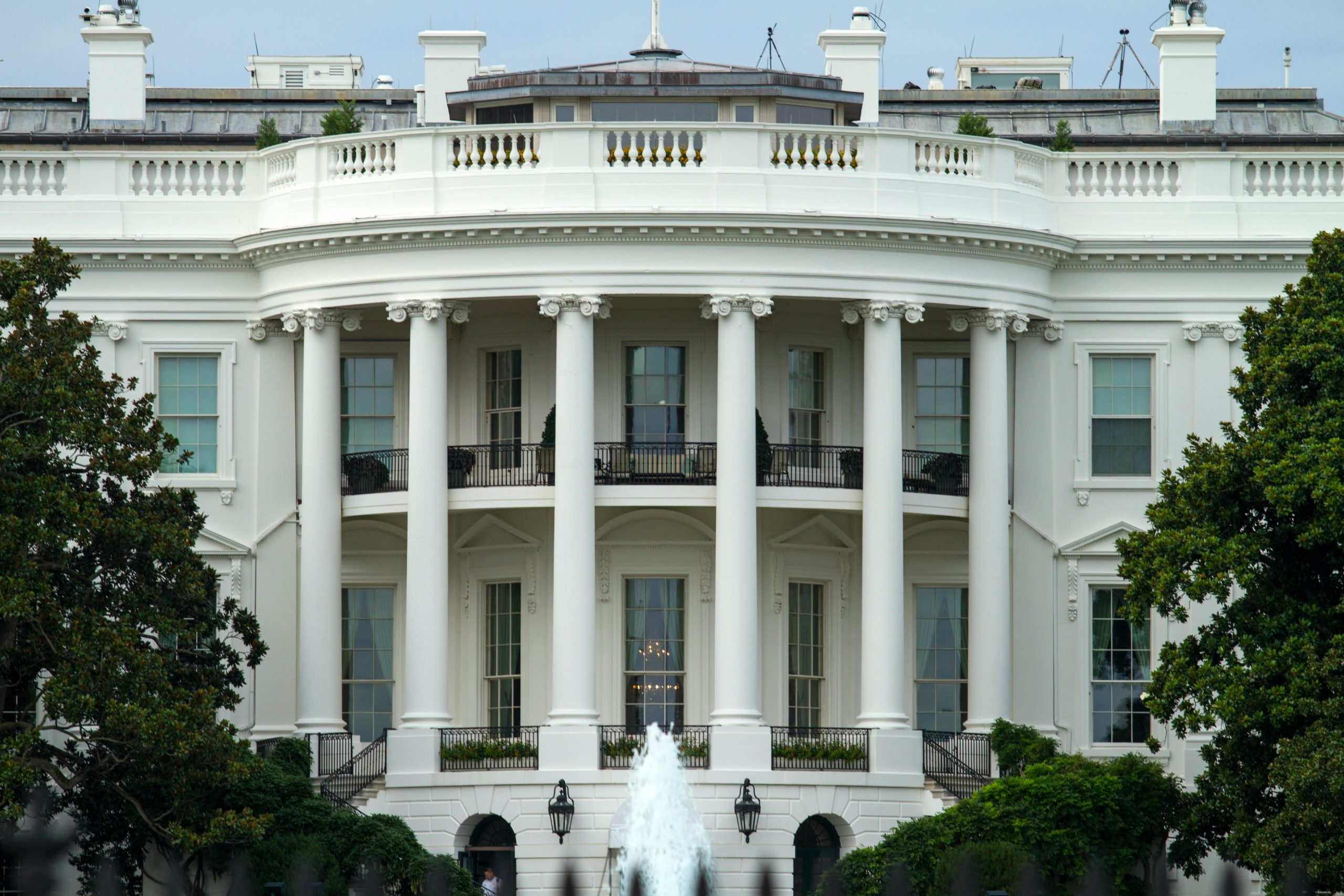
For more than two centuries, the White House has stood as both a working office and a symbol of American history, a building where every hallway holds echoes of past presidents and pivotal moments. Now, one of its most significant transformations in over a hundred years is about to unfold. President Donald Trump has revealed plans for a $200 million addition: a 90,000-square-foot ballroom, envisioned as both a grand stage for state affairs and a personal mark on the storied residence. Supporters call it a long-overdue upgrade; critics see it as a gilded flourish in a place defined by tradition. Either way, the project promises to reshape not just the East Wing’s skyline, but the ongoing story of America’s most famous address.
Contents
show
The Announcement and Key Details
The White House confirmed this week that construction will soon begin on a new 90,000-square-foot ballroom, a project President Donald Trump has described as an “exquisite addition” to the nation’s most famous residence. Estimated to cost $200 million, the ballroom will be privately funded by Trump alongside unnamed donors, with ground-breaking slated for September and completion expected before the end of his current term.
Designed to host up to 650 guests, the ballroom will replace the East Room as the primary venue for state dinners and major receptions, more than tripling the current indoor capacity. White House officials say the upgrade will eliminate the need for large temporary tents often set up hundreds of feet from the main building that have been criticized as unsightly and impractical during inclement weather.
Renderings released by the administration depict a structure positioned off the East Wing, traditionally home to the First Lady’s offices, the White House Military Office, and visitor facilities. While parts of the East Wing will be vacated for the build, Press Secretary Karoline Leavitt emphasized that the wing will be “modernized” rather than demolished, with the new ballroom designed to blend seamlessly with the White House’s existing neoclassical architecture.
Though no official completion date has been announced, Trump has promised the project will be “beautiful” and “top of the line,” with details and finishes reflecting the elegance of past state functions while matching the building’s historic character.
Architectural Vision and Trump’s Personal Imprint
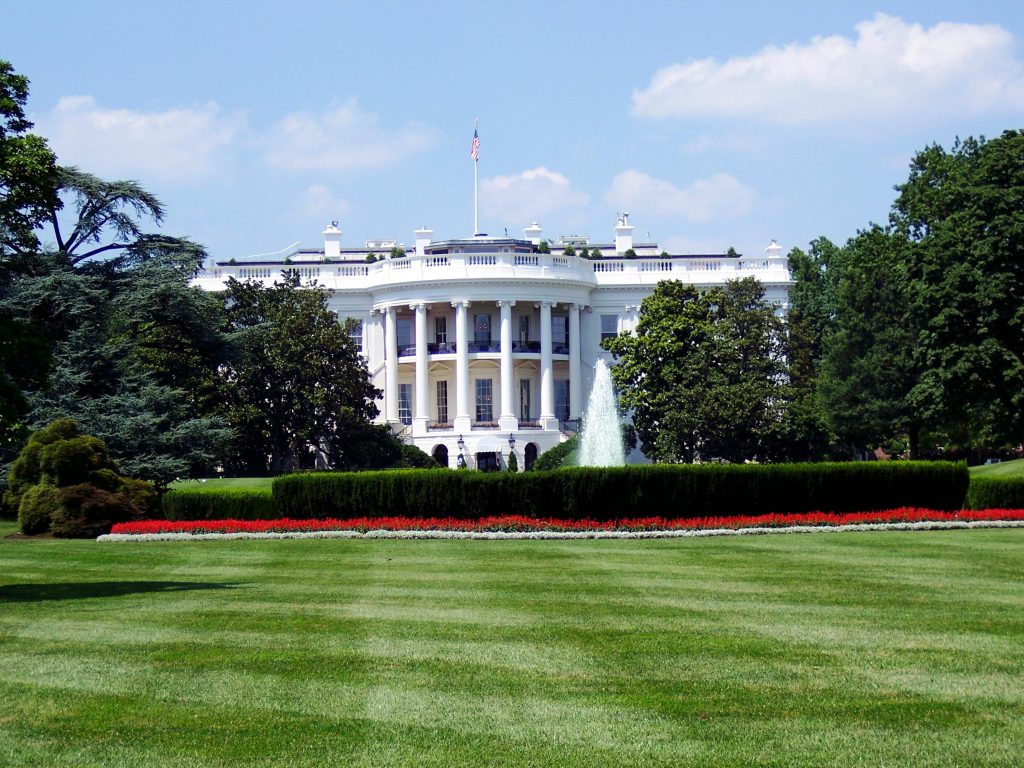
President Trump’s plans for the ballroom are as much a reflection of his personal aesthetic as they are an exercise in expanding the White House’s functionality. The design, according to renderings, will echo the building’s neoclassical heritage while incorporating lavish gold-and-white interiors reminiscent of his private clubs, particularly the grand ballroom at Mar-a-Lago. Gilded Corinthian columns, crystal chandeliers, coffered ceilings with gold inlays, and a checkered marble floor are among the features intended to give the space a formal yet opulent atmosphere.
These choices fit within a broader pattern of changes Trump has already made to the White House grounds and interiors since returning to office. The Oval Office now features extensive gold accents from picture frames to mantelpiece details and the Rose Garden lawn has been replaced with a paved patio, a modification he argued would prevent guests’ high heels from sinking into the grass during events. He also oversaw the installation of two towering flagpoles on the North and South Lawns, personally dictating their design and placement.
Trump, who built his fortune in real estate and luxury developments, has framed these updates as part of a legacy project that will benefit future administrations. “It’ll be near [the White House], but not touching it, and pays total respect to the existing building,” he has said, adding that while no president before him “was good at ballrooms,” he intends to set a new standard. His approach blends the ceremonial traditions of the presidency with the grandeur and scale of spaces he has built in the private sector, ensuring his imprint on the Executive Mansion is both visible and lasting.
Historical Context of White House Renovations
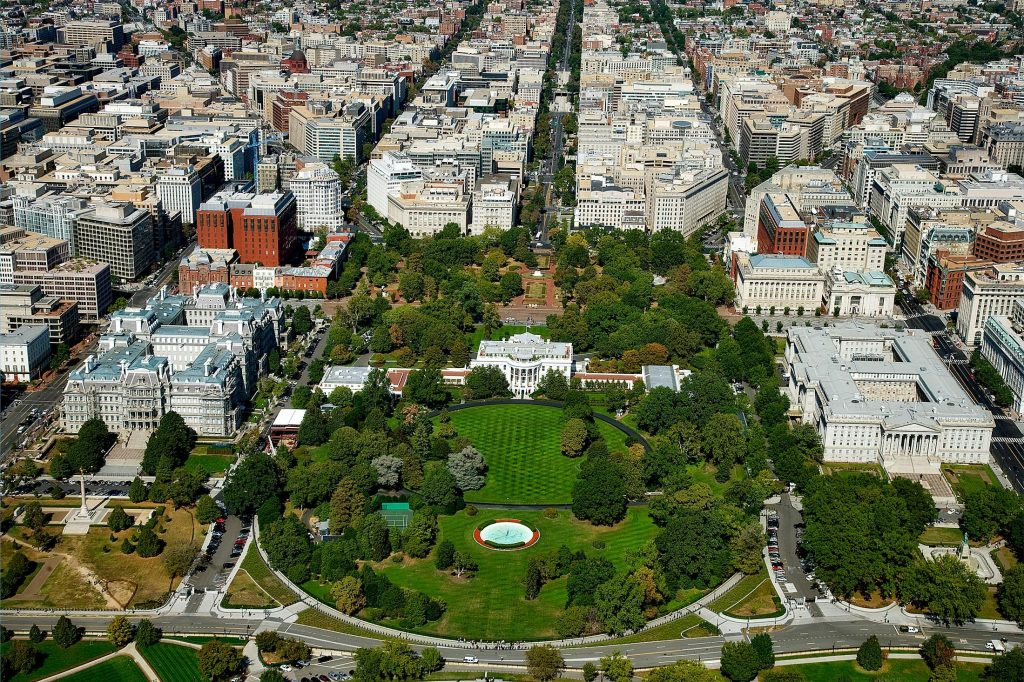
At the start of the 20th century, Theodore Roosevelt oversaw major renovations, including the relocation of presidential offices from the residence to the newly built West Wing. Harry Truman’s postwar overhaul between 1948 and 1952 was even more dramatic: the building was gutted to its shell and rebuilt from the inside, adding the now-iconic Truman Balcony. At the time, critics lamented the loss of original interiors and questioned the expense during a period of economic recovery, yet the structural work preserved the building for future generations.
Subsequent administrations made their own contributions. Jacqueline Kennedy, as First Lady, led an extensive redecoration of the State Floor in the early 1960s, sourcing antiques and art to elevate the White House’s historical character. Laura Bush initiated restorations in nearly every room of the residence, including the White House theater and the Lincoln Bedroom, ensuring both historical accuracy and functionality.
These projects, like Trump’s, often sparked debate over cost, historical integrity, and the balance between preservation and modernization. Over time, however, many initially controversial additions from Jefferson’s colonnades to Jackson’s North Portico have become integral to the White House’s identity. As Stewart McLaurin, president of the White House Historical Association, has noted, the building “has been shaped by the visions and priorities of its occupants,” and each change becomes part of the evolving story of the presidency.
Political and Public Reaction

The announcement of the $200 million ballroom has sparked a mix of admiration, skepticism, and pointed political commentary. Supporters frame the project as a necessary and long-overdue enhancement to the White House’s hosting capabilities. They highlight the dignity of replacing weather-prone tents with a permanent, purpose-built venue, and note that Trump and private donors not taxpayers will fund the construction. White House Chief of Staff Susie Wiles praised the president’s “extraordinary eye for detail” and commitment to preserving the residence’s historic character while making it more functional for state events.
Critics, however, question both the aesthetics and the symbolism of the undertaking. Senate Majority Leader Chuck Schumer dismissed the need for such grandeur, remarking that he would “rather eat [his] cheeseburger at [his] desk” than in a $200 million ballroom. Some commentators see the design’s opulence particularly its gold accents as more reflective of Trump’s personal brand than the understated elegance historically associated with the White House. Mona Charen, policy editor at The Bulwark, called the project a “physical representation of a low and shameful time,” arguing it risks undermining the building’s dignity.
Public debate also extends to the question of legacy. Supporters liken the project to past presidential additions that were initially unpopular but later embraced, such as the Truman Balcony. Critics counter that, unlike those functional upgrades, the ballroom may be remembered more as a personal indulgence than a contribution to the nation’s heritage. With construction yet to begin, the conversation remains sharply divided, a reflection of the broader political polarization surrounding Trump’s presidency.
Implications for the White House and Legacy
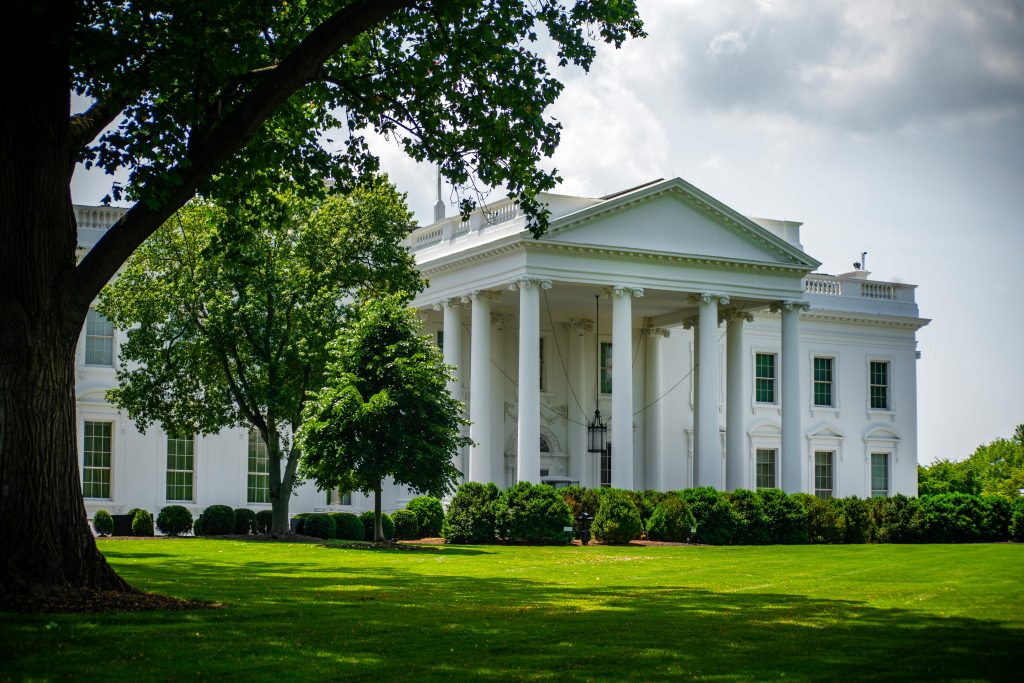
If completed as envisioned, the new ballroom will stand among the most significant architectural additions to the White House since the Truman reconstruction. Its sheer scale, purpose-built design, and private funding set it apart from typical cosmetic updates, raising questions about how it will shape both the building’s function and Trump’s presidential legacy.
For future administrations, the ballroom could become a practical asset, an elegant, climate-controlled space capable of hosting large-scale diplomatic gatherings without the logistical challenges of outdoor tents. State dinners, cultural showcases, and ceremonial events might gain a grander stage, potentially enhancing the White House’s role as a venue for high-profile diplomacy. In this sense, the addition could mirror past upgrades that were initially debated but eventually accepted as part of the mansion’s identity.
Yet, as historians note, presidential legacies are often defined as much by perception as by practicality. The ballroom’s opulent design, closely linked to Trump’s personal style, may remain a point of contention. While removing the structure would be costly and politically fraught, its interior and use could be adapted by future presidents to suit different tastes and diplomatic priorities. As presidential historian Tim Naftali observed, “What President Trump does inside the Trump ballroom may not survive the Trump presidency. As long as the bones of the structure are good, future presidents will be able to redesign that space as they see fit.”
Preserving the Past, Shaping the Future
The White House has always been a living landmark, shaped by the ambitions, tastes, and practical needs of the presidents who inhabit it. Donald Trump’s proposed ballroom is the latest chapter in that ongoing story, a project that blends personal vision with functional purpose, opulence with claims of respect for history. Whether celebrated as a legacy-building enhancement or criticized as an extravagant indulgence, it underscores a tension that has defined the Executive Mansion since its earliest days: how to preserve the gravitas of history while adapting to the demands of the present.
In time, the $200 million ballroom may fade into the fabric of the White House, much as other once-controversial additions have. Or it may remain a singular marker of one administration’s approach to symbolism, hospitality, and presidential identity. Either way, it will become part of the building’s evolving narrative, a reminder that even America’s most historic spaces are never truly finished.