
Your cart is currently empty!
Trump Says Iran Mission Could Last Weeks Or Longer
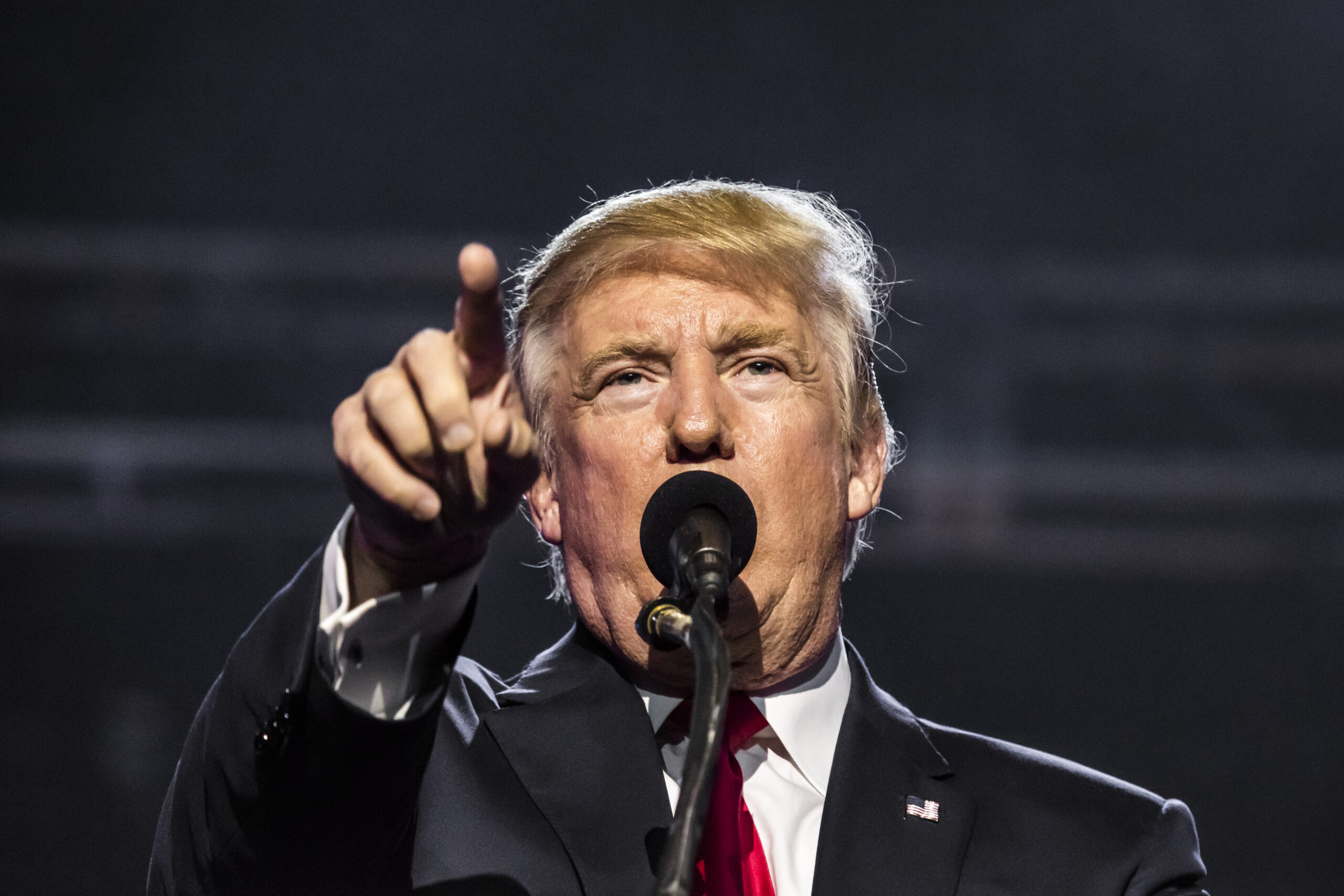
The United States and Iran are in the midst of a dramatic escalation that has drawn global attention, shaken regional stability, and raised profound questions about America’s role in world affairs. In recent days, President Donald Trump has sought to explain how long the U.S.-led military operation against Iran’s government and armed forces will last, even as key details about the mission’s objectives and endgame remain uncertain.
Contents
show
President Trump has repeatedly addressed the duration of the conflict and what the United States hopes to achieve, framing it publicly as a decisive campaign against Iran’s missile and nuclear capabilities, its navy, and its support for militant groups in the Middle East. But his messaging on timelines, goals, and strategy has shifted over the course of the past week as both supporters and critics have struggled to interpret his pronouncements.
Below, we explore the evolving narrative around the length and purpose of this unfolding conflict, the administration’s shifting messages, and the broader political and diplomatic implications as the world watches what is now being called “Operation Epic Fury.”
A War Without a Clear Exit Strategy
From the outset of military operations, the Trump administration has struggled to articulate a clear timeline or endgame for the conflict in Iran. In remarks delivered at the White House, President Trump said that the campaign was initially projected to last four to five weeks but could continue “far longer” if necessary, signaling that the administration was prepared to sustain the effort until its goals were met.
That open-ended notion reflects an unusual approach for a modern American president, who typically outlines both the reasons for engaging in military action and a sense of how long it might last.
In this case, Trump’s repeated reassurances that the United States is progressing ahead of schedule have been mingled with statements leaving the duration dependent on “whatever it takes,” blurring the line between a short-term campaign and a long-term military commitment.
The lack of a specified endpoint has raised concerns among lawmakers in Washington and analysts around the world, many of whom fear that a conflict of this scale may grow more complex and protracted over time.
Mixed Messaging from the White House

Part of the confusion over the conflict’s timeline stems from what critics describe as inconsistent communication from the White House. In comments immediately after the strikes, President Trump made various remarks through a mix of social media posts, one-on-one interviews, and brief public addresses that offered differing time estimates and rationales for the war.
For instance, earlier in the conflict Trump told one journalist that the operation might take “four weeks or less,” only to later say it could extend well beyond that. He has also shifted the stated goals of the mission, sometimes emphasizing the destruction of military assets and at other times suggesting broader strategic aims such as weakening Iran’s political influence in the Middle East.
That variety of messages has fed into a broader perception of strategic ambiguity. Critics argue that without a clear, consistent public articulation of what the United States seeks to achieve and how long it expects to take, it becomes harder for domestic and international audiences to assess the logic and legitimacy of sustained military action.
What the Administration Says It Wants to Accomplish
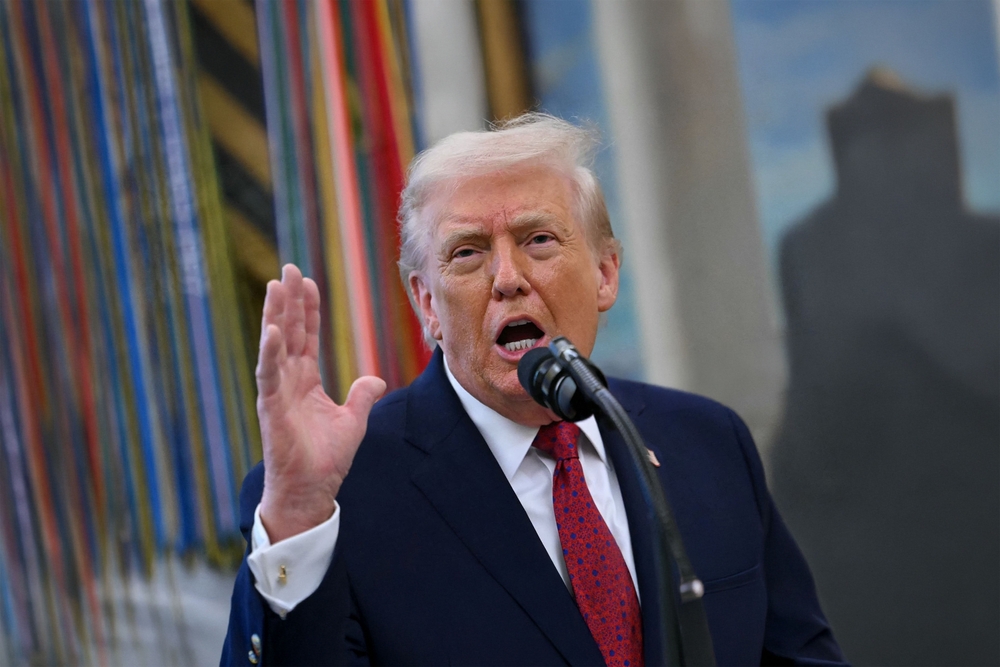
Despite the mixed messaging on timing, President Trump and his top officials have outlined several key objectives they say justify the military campaign against Iran. According to the administration, these include degrading Iran’s ballistic missile capabilities, destroying much of its navy, preventing the regime from developing nuclear weapons, and disrupting its ability to support proxy militias such as Hezbollah and other militant groups across the region.
These aims are presented by the White House as vital to U.S. national security and the safety of American allies in the Middle East. Officials argue that leaving Iran with the capacity to field advanced missile systems or to reconstitute nuclear development efforts would pose an increasingly intolerable threat over time.
In justifying the campaign, Trump has also drawn historical comparisons with past conflicts, portraying the action as a necessary step to preclude larger wars or catastrophic threats that might arise if Iran’s military power continued to grow unchecked.
But critics note that the administration has provided limited detailed evidence to the public about the nature or immediacy of the threats it cites, further complicating efforts to evaluate how long such objectives might take to achieve or what success would ultimately look like.
American and Regional Casualties Deepen Stakes
As the conflict continues, it has already exacted a tangible human cost on all sides, underscoring the stakes of any extended military engagement. Iranian officials have reported civilian casualties in the hundreds, and Tehran’s retaliatory strikes have triggered responses across the Middle East, including attacks on U.S. bases and allied targets in countries such as Kuwait, Bahrain, and the United Arab Emirates.
On the American side, several service members have been killed in retaliatory actions, a development that has drawn political backlash and raised questions about how long U.S. forces will remain at risk in a region where instability is spreading. President Trump has acknowledged these casualties while reiterating that continued military pressure is necessary to achieve the mission’s objectives.
The potential for more U.S. troop deaths or injuries as the conflict unfolds has become a point of political contention in Washington, with some lawmakers urging a more cautious posture and others backing the administration’s insistence on maintaining pressure until Iran’s military capabilities are significantly reduced.
Debates in Congress and the Court of Public Opinion
The question of how long the Iran operation should last is not one confined to the military sphere. In the United States, lawmakers from both major political parties have voiced opinions on the conflict and on the president’s use of executive authority to conduct large-scale military action without a formal declaration of war or a detailed briefing to Congress.
Many Democrats have criticized the administration for what they see as a lack of clear strategy and for bypassing legislative oversight on matters that could draw the nation into an extended fight. Some have called for formal congressional approval or at least a comprehensive update on the assessment of threats posed by Iran.
Republicans, meanwhile, have largely supported the Trump administration’s actions but have expressed differing views on the importance of clarifying a timeline and the prospects for broader regional escalation.
Public opinion in the United States also appears divided. Polls conducted during the early days of the conflict suggest that a significant portion of Americans remain skeptical about the rationale for military action and its potential duration, reflecting broader wariness after decades of American involvement in long conflicts in the Middle East.
Regional Allies and Global Repercussions

The United States is not acting alone in its campaign against Iran. Israel has been an active partner, and Prime Minister Benjamin Netanyahu has publicly echoed Trump’s view that the operation might take some time but should not become a drawn-out war.
Other U.S. allies in the region, particularly in the Gulf, have also affirmed their support for confronting what they see as Iranian aggression. Yet the escalation has brought wider regional insecurity, causing disruptions to energy markets, internal displacement of populations, and increased pressure on neighboring states that must balance public opinion with strategic alliances.
Global reactions have been mixed. Some countries have called for de-escalation and restraint, warning that a prolonged conflict could further destabilize an already volatile region. International organizations have reiterated the importance of diplomacy and adherence to international law, even as military action continues.
The Elusive Endgame
As the conflict enters its second week, the question of how long it will continue remains unresolved. President Trump’s repeated assertion that the campaign could extend “as long as necessary” conveys an administration prepared to stay the course until its strategic goals are met, whatever the duration might be.
Yet without a clearly defined exit strategy, public benchmarks for success, or transparent criteria for winding down the mission, uncertainty continues to shadow the conflict’s future. This ambiguity, for many observers, highlights the greater challenge of managing not just the hostilities themselves but the message about what comes after.
Will the operation conclude once specific military targets are neutralized? Will it transition to a broader diplomatic or peacekeeping phase? And how will the people of Iran, the United States, and the international community view a war that may stretch beyond a few weeks?
These are the questions that will shape not only the immediate future of the conflict but also the legacy of this chapter of U.S.-Iran relations and American foreign policy more broadly.
What Happens Next
President Trump’s statements about the timeline for the Iran operation have underscored both the administration’s determination to pursue its goals and the challenges of communicating a coherent strategy to a worried global audience. While the four to five-week projection offers an initial frame for understanding the campaign’s ambition, the repeated acknowledgment that it could take much longer reflects the unpredictable nature of modern warfare and the profound complexities of Middle East geopolitics.
As combat continues and political debate intensifies, one thing is clear: the question of how long this operation will continue is bound up with deep questions about national security, global stability, and what the United States and its allies are truly seeking to achieve in an increasingly fraught region.
The world will be watching not just how long the conflict lasts, but how it ends and what comes next.