
Your cart is currently empty!
Viral Influencer Seeks Donations to Remove Trump Tattoo From Her Forehead
It started as a bold declaration of loyalty, one that would instantly grab attention in a crowded social media world. But within days, what was meant to be a statement of admiration spiraled into something far more complicated.
Contents
show
When 21-year-old influencer Rain Monroe revealed she had tattooed “TRUMP” across her forehead, the internet reacted exactly as expected. There was shock, confusion, admiration, ridicule, and an overwhelming wave of opinions. What followed was not just a viral moment, but a story that reveals how politics, identity, and online culture collide in unexpected ways.
The Tattoo That Captured Global Attention
Rain Monroe did not simply express support for former U.S. President Donald Trump. She made it permanent and impossible to ignore.
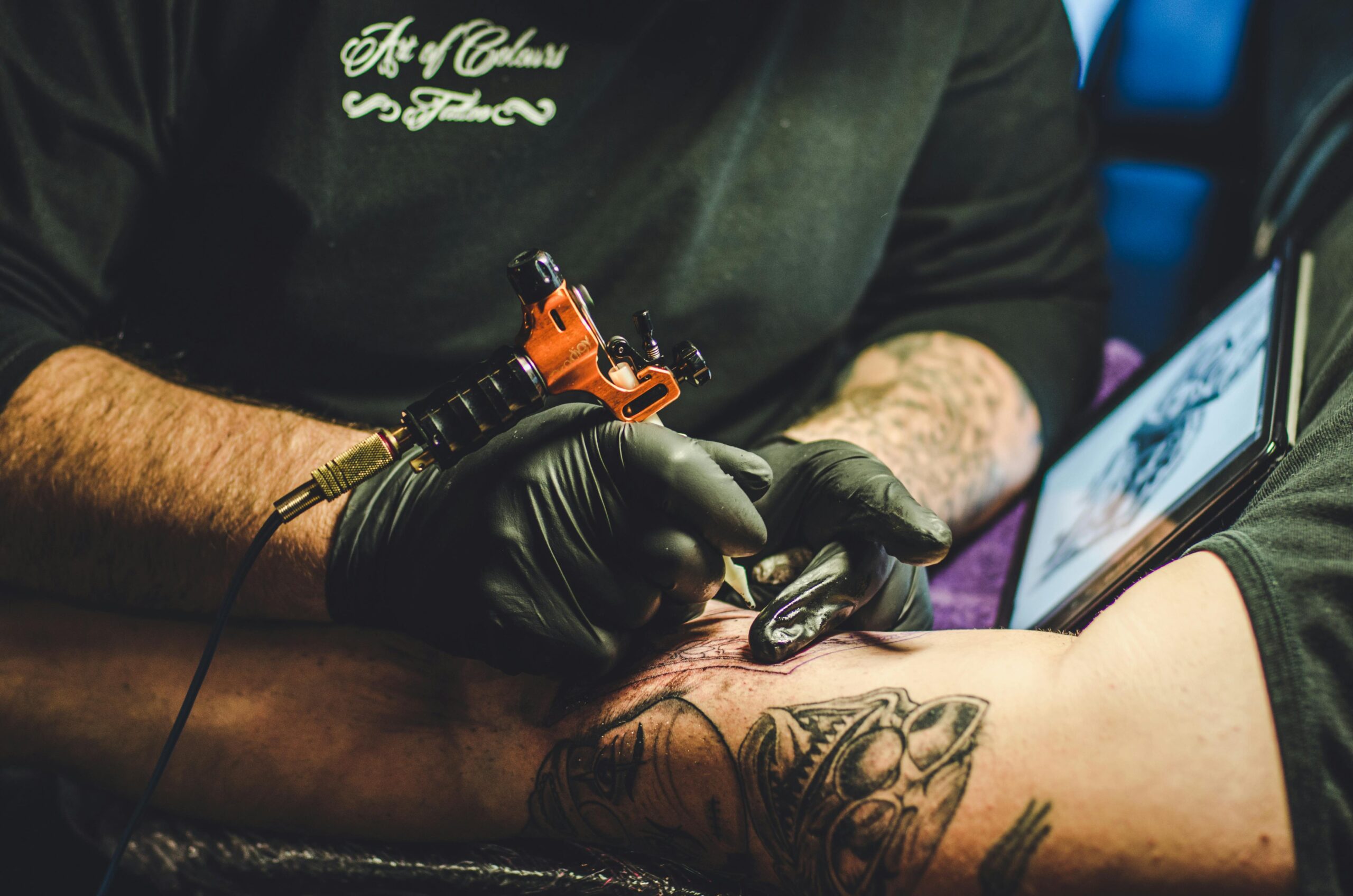
According to reports, the British influencer had the tattoo done in East London. The bold lettering stretched across her forehead in thick black ink, immediately turning heads both online and offline. She shared the process and the final result on social media, where it quickly spread across platforms.
She explained her reasoning in a straightforward way. She admired Trump and believed he deserved recognition for what he had done for America. Despite being British and not directly affected by U.S. politics, she framed the decision as a personal expression of admiration.
At the time, the tattoo appeared to be a confident and unapologetic statement. However, the response it triggered would soon reshape the narrative entirely.
A Wave Of Reactions From Across The Internet

As images and videos of Monroe’s tattoo began circulating, social media users responded almost instantly. The reactions were intense and deeply divided.
Many people criticized the decision. Some questioned her judgment, while others suggested the move was driven by a desire for attention rather than genuine political belief. Comments pointed out the permanence of such a visible tattoo and the potential consequences it could carry in the future.
Others focused on the unusual detail that she was British. For many viewers, this added another layer of confusion, as they struggled to understand why someone outside the United States would make such an extreme gesture tied to American politics.
At the same time, there were supporters who admired her boldness. A smaller group praised her loyalty and described the tattoo as a powerful expression of political identity. Some even encouraged others to do the same, though often in a tone that blurred the line between sincerity and sarcasm.
This mix of reactions demonstrated how polarizing both political figures and viral content can be. In the digital age, extreme actions rarely go unnoticed, and they almost always invite strong opinions from all sides.
The Role Of Virality And Online Identity

Monroe’s story highlights how modern internet culture rewards visibility. Influencers often rely on attention to grow their platforms, and content that provokes strong reactions tends to spread the fastest.
In this context, the tattoo can be seen as more than a political statement. It also became part of a personal brand that thrives on engagement.
Several dynamics help explain why moments like this gain traction so quickly:
First, shock value plays a major role. Unusual or extreme actions naturally capture attention and encourage sharing.
Second, political identity has become increasingly visible online. Public displays of support or opposition often attract large audiences.
Third, algorithms tend to amplify content that generates reactions. Whether those reactions are positive or negative, they increase visibility.
Reports suggest that Monroe had already been building an online presence before the tattoo. However, this decision pushed her into a level of visibility that few creators experience.
With that visibility came a level of scrutiny that proved difficult to manage.
When Backlash Becomes Overwhelming

While Monroe may have expected some criticism, the scale of the backlash appeared to take her by surprise. Social media can quickly turn from supportive to hostile, especially when a post reaches a wide audience.
She later shared that the negative comments affected her emotionally. The criticism was not limited to casual remarks. It included harsh judgments, mockery, and ongoing scrutiny of her choices.
This reflects a broader pattern in online culture. Viral moments often come with intense public examination. Individuals who suddenly find themselves in the spotlight may struggle to cope with the volume and tone of feedback they receive.
In Monroe’s case, the tattoo became more than a personal decision. It became a symbol that others projected their opinions onto, turning her into a focal point for wider debates about politics, identity, and attention-seeking behavior.
A Shift Toward Reconsideration

As the backlash continued, Monroe’s stance began to evolve. While she initially stood by her decision, she later admitted that she was reconsidering her options.
Reports indicate that she began exploring the possibility of removing the tattoo. Laser removal, however, is not a simple or inexpensive process. Estimates suggest it could cost up to 5,000 dollars.
Faced with this reality, Monroe turned to the public once again. She began asking for donations to cover the cost of removal. In several instances, she was seen in London holding a sign that read “Need money for tattoo removal.”
Images of her sitting on the pavement with the sign quickly circulated online, creating another viral moment. The same internet that had amplified her original decision now amplified her attempt to reverse it.
Public Reaction To The Fundraising Effort

The fundraiser sparked a second wave of reactions, and once again, opinions were divided.
Some people expressed sympathy. They argued that she was young and should have the opportunity to move on from a decision that had clearly brought unexpected consequences. For these individuals, the focus shifted from criticism to understanding.
Others were less forgiving. Critics argued that she should take responsibility for her actions rather than asking others to pay for the outcome. Some described the situation as ironic, suggesting that the attempt to remove the tattoo was simply another way to remain in the spotlight.
There were also voices encouraging her to keep the tattoo. Supporters described it as part of her identity and a symbol of her viral fame, something that should not be erased.
This range of reactions highlights how audiences play an active role in shaping viral stories. Public opinion does not just respond to events. It influences how those events unfold.
The Emotional Reality Behind Viral Fame
Beyond the headlines and online debates, Monroe’s story points to the emotional challenges of sudden visibility.
Going viral can create pressure that is difficult to anticipate. Personal decisions become public discussions, and individuals often lose control over how their stories are interpreted.
Monroe mentioned that she had spoken to a therapist while considering her next steps. This detail adds an important dimension to the story. It suggests that behind the viral content is a real person navigating complex emotions.
For many young influencers, the pursuit of attention can lead to decisions that feel empowering at first but become more complicated over time. The gap between online reactions and personal experience can be difficult to bridge.

Politics And Personal Expression In A Digital World
The story also reflects how political identity has become deeply personal. Supporting a political figure is no longer limited to opinions or votes. It often becomes part of how individuals present themselves publicly.
In some cases, this leads to extreme forms of expression. Tattoos, clothing, and public statements all serve as ways to signal alignment.
However, these expressions can carry long-term consequences, especially when tied to figures who generate strong and divided opinions. What feels like a powerful statement in one moment can become a source of regret in another.
Monroe’s experience illustrates how quickly the meaning of such actions can shift once they are placed under public scrutiny.
A Decision Still Uncertain
Despite her fundraising efforts, Monroe has not made a final decision about removing the tattoo. She has stated that she is still weighing her options and considering what is best for her future.
She has also emphasized that she does not entirely regret the tattoo and continues to appreciate the support she has received from followers who admire her decision.
This uncertainty reflects the complexity of the situation. It is not simply a story about regret. It is about navigating identity, public perception, and personal growth in real time.
A Viral Story With Lasting Impact
Rain Monroe’s experience is more than a headline about a controversial tattoo. It offers a window into how modern internet culture operates, where visibility can be achieved instantly but comes with unpredictable consequences.
Her story highlights how personal decisions can quickly become public narratives shaped by millions of voices. It also shows how political expression, when combined with the dynamics of social media, can take on a life of its own.
Whether she ultimately chooses to keep the tattoo or remove it, the moment has already left a lasting mark. It serves as a reminder of how powerful, and sometimes overwhelming, the intersection of identity, politics, and online attention can be.