
Your cart is currently empty!
Trump Inadvertently Mocks Himself After Forgetting Key Detail About His Presidency
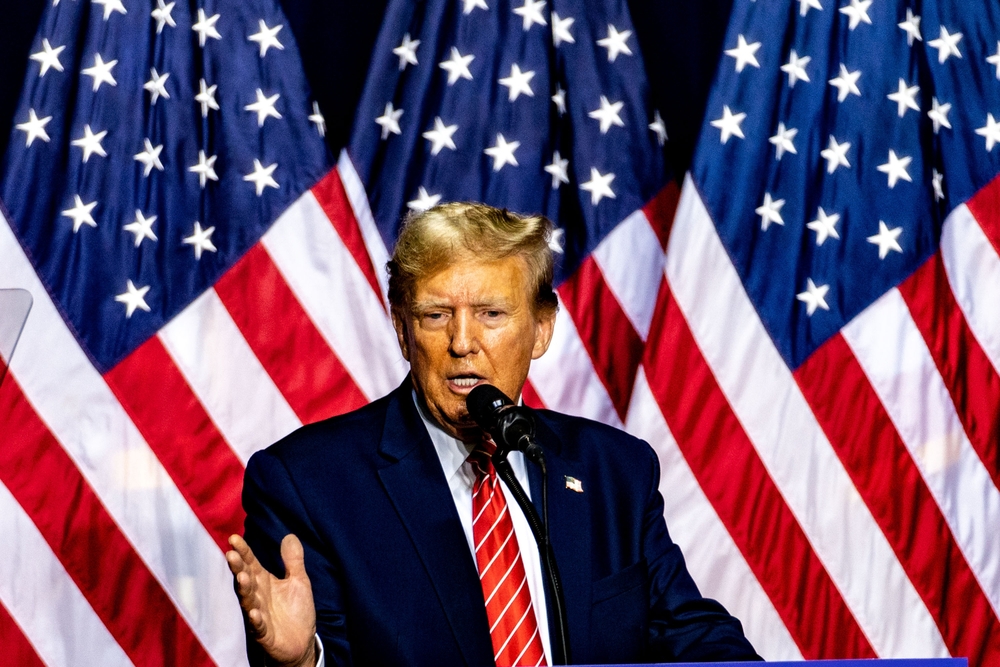
Political speeches are usually planned down to the very last word. When President Donald Trump spoke at a recent Las Vegas tax event, his goal was simple: pitch his economic policies to the city’s large hospitality workforce. However, his attempt to compare current successes to past failures quickly fell apart because of one overlooked detail: the calendar. What started as a standard policy speech instantly turned into a viral moment of accidental self-criticism. It just goes to show how fast a planned message can derail when a speaker briefly loses track of time.
Contents
show
Who Exactly Was Running the Country “a Year Ago”?
During a mid-April tax policy roundtable in Las Vegas, President Donald Trump delivered an address focused on economic policies and proposed deductions for service workers. However, the event quickly made headlines for a glaring chronological error rather than its legislative substance.
While attempting to contrast current economic conditions with the recent past, the president deployed a familiar rhetorical device that accidentally targeted his own administration. “A year ago, our country was an embarrassment,” Trump stated to the audience. “All over the world, they laughed at us. And they don’t laugh anymore, they are not laughing.”
The statement was meant to project a narrative of swift national triumph. Yet, political analysts and the press corps immediately noted a significant flaw in the timeline. Exactly one year prior to this April 2026 speech, Trump was already firmly installed in the Oval Office. By condemning the state of the nation a year ago, the president inadvertently leveled a harsh critique at the early months of his own current term.
A Policy Pitch Overshadowed
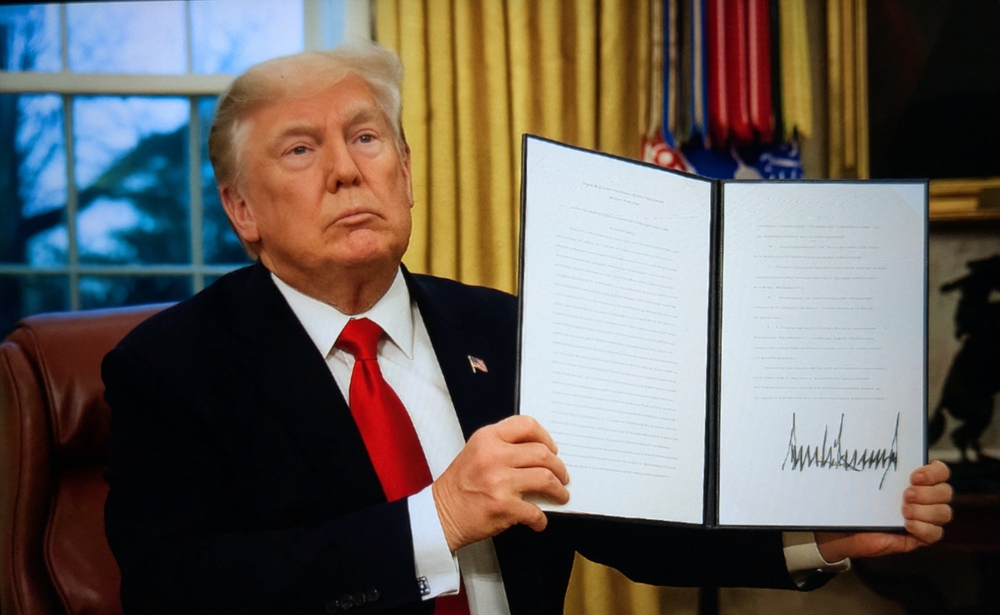
The Las Vegas event was specifically designed to promote a “no tax on tips” initiative, appealing directly to the massive local hospitality workforce. It was planned as a straightforward economic pitch. However, the chronological blunder quickly eclipsed the legislative agenda. Within minutes, video clips of the president’s remarks circulated across social media platforms and major news networks. Political commentators immediately seized on the irony of a sitting leader describing his own recent tenure as an international joke.
This swift public reaction illustrates the unforgiving nature of modern media coverage, where a single misspoken sentence can override an entire policy discussion. Critics highlighted that the error was not just a minor slip of the tongue, but a notable lapse that completely inverted the intended political message. The president was clearly aiming to critique his predecessor, a standard strategy used to rally political bases.
Instead, by failing to recognize the current calendar year, the administration handed its detractors a very public, unforced error. The rapid spread of the clip demonstrates how eagerly audiences will amplify a mistake, turning a standard campaign style appearance into a subject of intense national scrutiny and overshadowing the very workers the event was meant to support.
The Cognitive Toll of the Podium
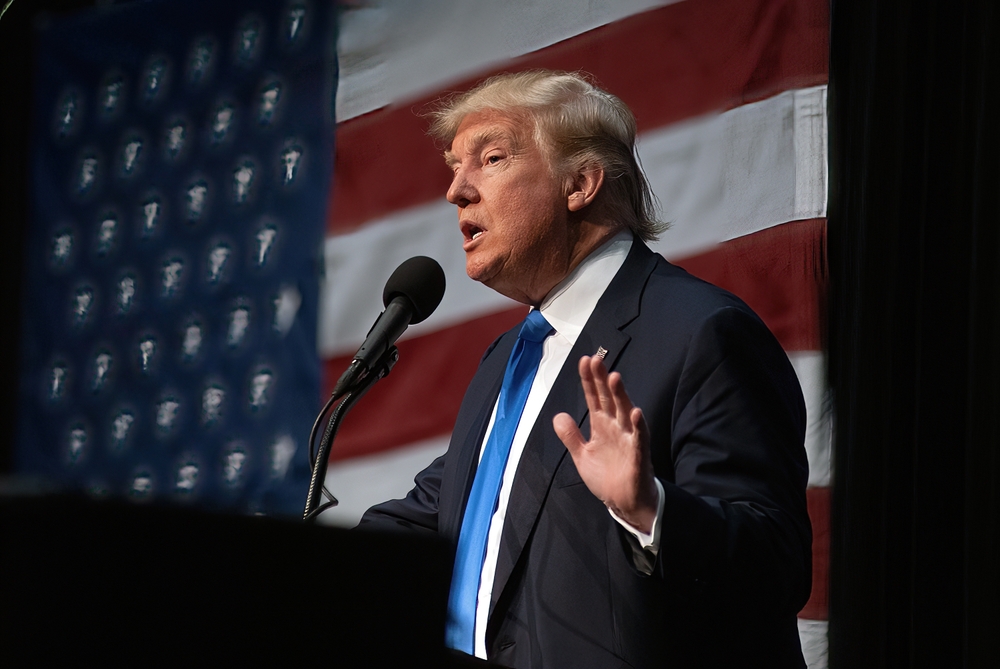
Why do seasoned leaders make such glaring timeline errors? The answer often lies in the intense psychological demands of continuous public speaking. Managing an endless schedule of rallies, roundtables, and press conferences creates a significant cognitive load on any speaker. Under this strain, politicians frequently fall back on heavily rehearsed rhetorical scripts, sometimes forgetting to update the crucial temporal anchors that give those scripts meaning.
Linguistic researchers who study political language gaffes observe that these blunders are rarely random. They typically happen when a speaker relies on a familiar narrative frame, such as comparing a prosperous present to a disastrous past. The phrase “a year ago” is a standard template used to highlight rapid improvement. However, when a speaker recycles this template without mentally adjusting for the current calendar year, the discursive frame collapses.
In this instance, the administration utilized a critique originally designed for a previous administration but failed to recognize that the timeline now pointed directly at their own tenure. This phenomenon is a well-documented side effect of campaign fatigue. When the brain is focused on delivering a persuasive delivery and monitoring the immediate audience reaction, fact-checking specific dates often slips down the cognitive priority list.
Unscripted, Unpolished, and Deeply Revealing
While the internet is undeniably quick to archive every slip of the tongue, these unscripted moments offer a revealing look behind the highly polished curtain of high-profile leadership. They strip away the carefully curated narratives to reveal the stark reality of the podium, reminding the public that political messaging is an ongoing, heavily constructed performance that requires constant scrutiny.
Rather than merely treating these incidents as passive entertainment, there is a deeper, more empowering takeaway for the engaged citizen. Such viral moments act as a sharp reminder that political rhetoric demands active, critical listening. When audiences instantly catch the chronological discrepancies that speechwriters and campaign managers miss, it demonstrates a healthy engagement with the democratic process. It proves that the electorate is not just absorbing talking points, but continuously fact-checking the narrative in real time.
As the news cycle inevitably churns forward to the next major event, the aftermath of the AC Hotel address stands as a memorable lesson in public life. It encourages audiences to demand precision, self-awareness, and accountability from those holding the highest office. Ultimately, the most impactful political stories often arise not from a flawless delivery, but from an informed public’s unwavering ability to hold the script accountable.