
Your cart is currently empty!
An Unusual Mark Was Visible on Trump’s Left Hand During the G7 Summit
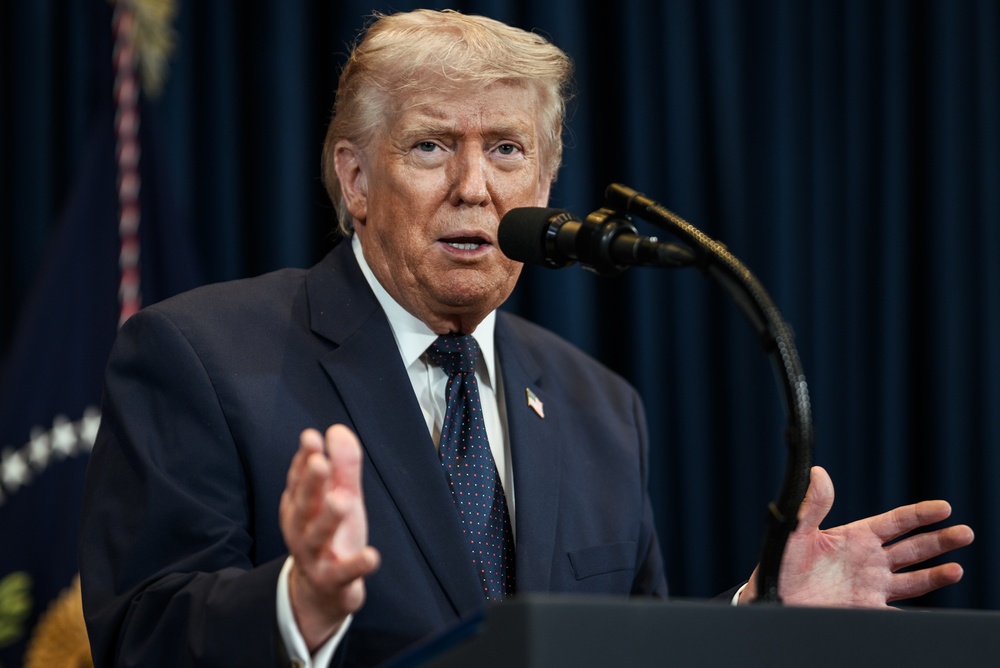
Photographs taken during the G7 summit in Canada sparked fresh discussion about President Donald Trump’s health after an unusual mark became visible on his left hand. While no official explanation was immediately provided, the images quickly drew attention because they followed previous instances of visible bruising that had already prompted public questions. The episode highlights how even minor physical changes can become a focus of scrutiny when they involve one of the world’s most closely watched political figures.
Contents
show
A New Mark Draws Attention During G7 Appearances
President Donald Trump attracted renewed public attention during the G7 summit in Canada after photographers captured an unusual mark on his left hand during several public appearances.
Images from meetings with world leaders showed a crescent-shaped discoloration on the back of Trump’s left hand, visible as he gestured and posed for cameras. The mark stood out because it appeared on the opposite hand from the bruising that has been repeatedly photographed over the past year.
The photographs quickly circulated online, prompting discussion among political observers and social media users. The White House did not immediately provide an explanation for the newly visible mark, leaving questions about its origin unanswered in the hours after the images emerged.
The attention reflects the heightened scrutiny that often surrounds the health and appearance of national leaders, particularly during major international gatherings where every public appearance is extensively documented. At 80 years old, Trump remains the oldest person ever elected president of the United States, making visible changes in his appearance a recurring topic of public interest and media coverage.
A Pattern of Visible Bruising Has Prompted Previous Questions
The mark seen at the G7 summit is not the first time Trump’s hands have become a subject of public discussion. Over the past year, photographers have repeatedly captured bruising and discoloration on the president’s hands during campaign events, court appearances, and official engagements.
One of the most widely discussed examples occurred during the 2024 presidential campaign, when images showed a noticeable bruise on the back of Trump’s right hand. Similar marks were photographed on several later occasions, leading to questions about whether they reflected an underlying medical issue.
Trump and his aides have consistently downplayed such concerns. During the campaign, Trump attributed the bruising to the large number of handshakes he performs while meeting supporters and attending public events. The White House has offered similar explanations, stating that frequent handshaking, combined with Trump’s active schedule, can result in visible bruising.
Medical experts interviewed by various news outlets have noted that bruising can occur more easily with age because skin becomes thinner and blood vessels more fragile. They have also pointed out that a wide range of factors, including minor trauma, routine medical procedures, medications, or simple age-related changes, can contribute to discoloration on the hands. However, experts have generally cautioned against drawing conclusions based solely on photographs.
Why the G7 Mark Stood Out From Earlier Incidents
The mark photographed during the G7 summit drew attention because it looked different from bruising seen on previous occasions.
Earlier images typically showed darker bruises on the back of Trump’s hand. At the summit, the mark appeared as a curved or crescent-shaped area of discoloration on his left hand. Its different shape and location prompted renewed speculation online.
The timing also increased interest. The images were taken during a major international summit, where world leaders are closely photographed throughout the event.
Observers noted that the mark was visible in multiple appearances, making it unlikely to be a lighting effect or camera artifact. Close-up photos spread on social media and were later reported by news outlets.
Presidential Health Has Long Been a Matter of Public Interest
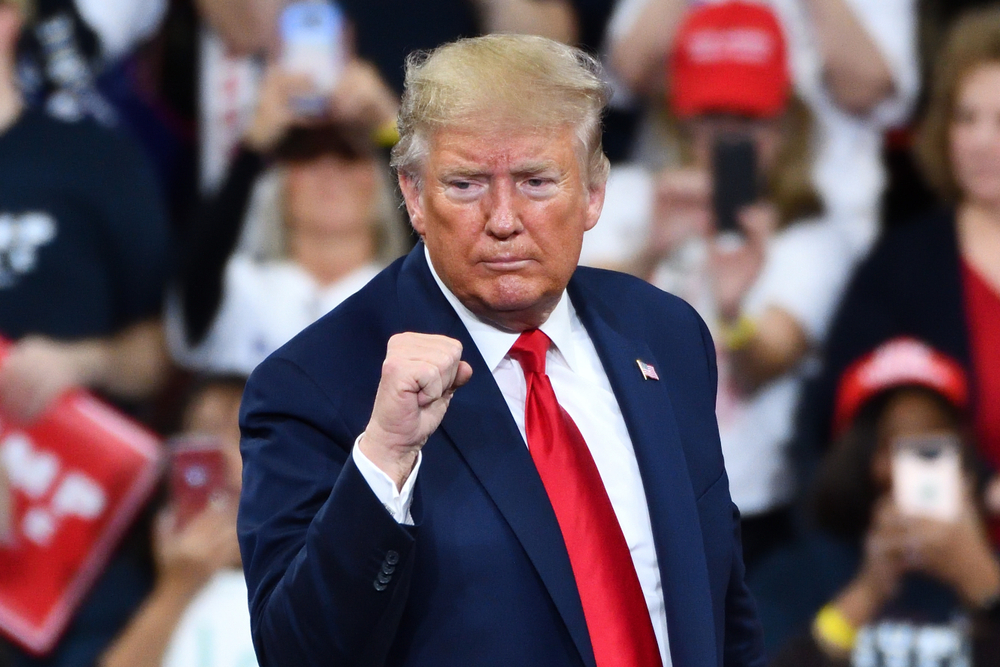
Questions about a president’s health are common because the office carries significant responsibilities and any health issue could affect governance.
Visible signs of aging often draw attention. Presidents are constantly photographed, and changes in appearance can quickly become public discussion. Medical experts note that bruising and skin discoloration become more common with age as skin thins and blood vessels become more fragile.
Trump’s age has intensified that scrutiny. At 80, he is the oldest president in U.S. history, making visible changes in his appearance a frequent topic of discussion.
The White House has pointed to Trump’s annual physical exams when questions arise about his health. Earlier this year, physicians reported that he was in good health and fit to perform the duties of the presidency.
Public interest, however, often goes beyond official medical reports. Photos can spread online within minutes, prompting speculation before any explanation is available. The G7 images followed that pattern.
More Questions Than Answers
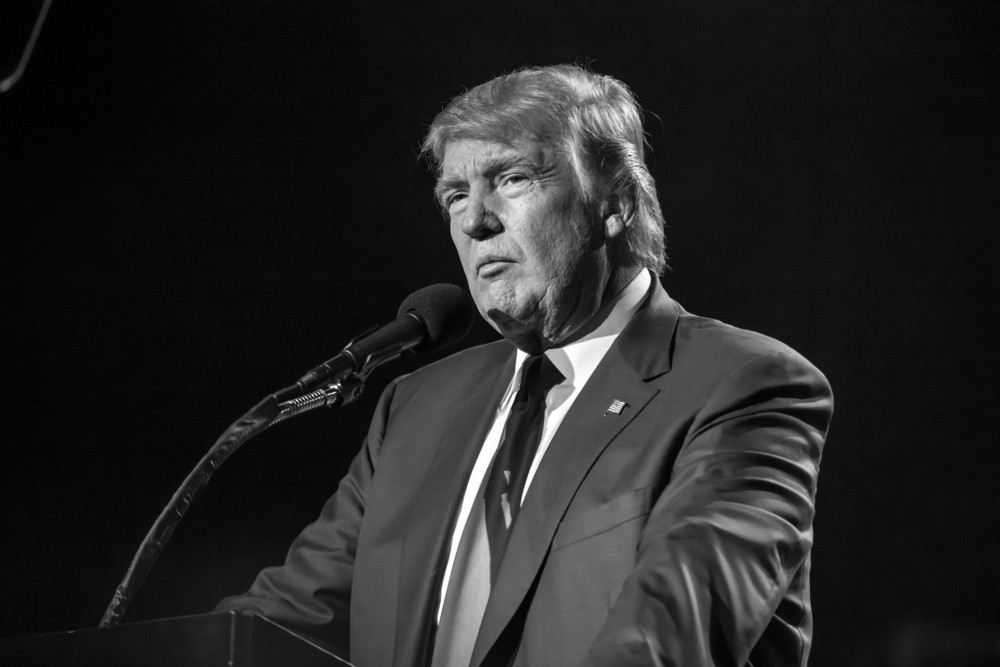
The attention surrounding the mark on Trump’s left hand highlights how closely the public scrutinizes the health and appearance of political leaders, particularly during major international events. Because the images followed previous reports of bruising and involved a president whose age is already part of the public discussion, a relatively small visual detail quickly became a widely debated topic.
At the same time, the episode underscores the limits of drawing conclusions from photographs alone. As of now, no confirmed explanation has been provided for the mark seen at the G7 summit, and medical experts have long cautioned against diagnosing health conditions based solely on images. The incident ultimately illustrates how, in today’s media environment, visible changes can generate immediate speculation even when definitive answers remain unavailable.