
Your cart is currently empty!
Trump Revives Presidential Fitness Test in Latest Maha Push
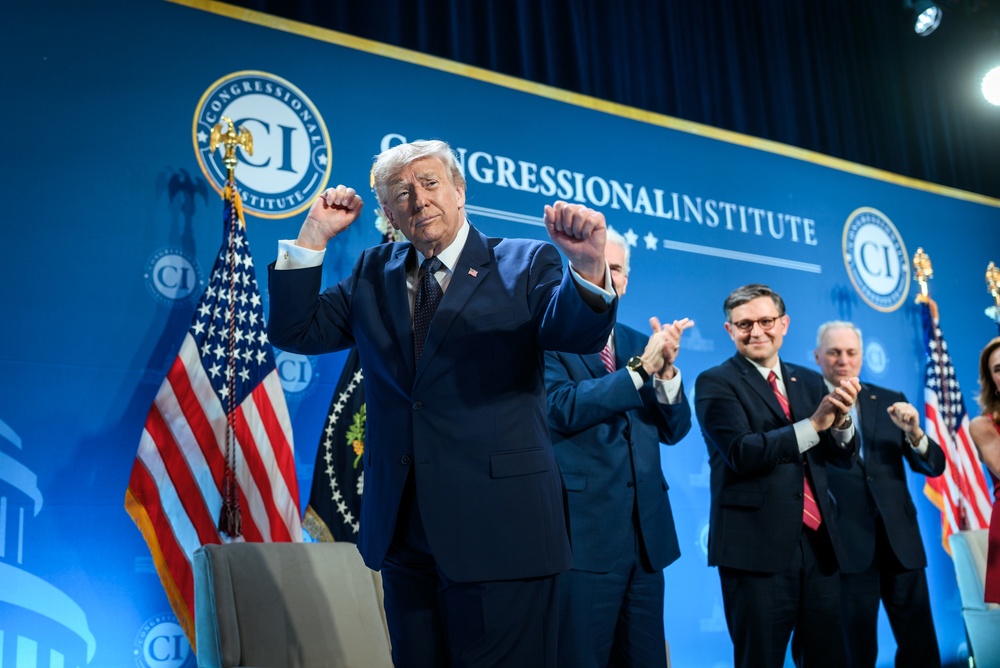
Physical education in the United States was once defined by a rigorous set of standardized challenges, leaving millions with lasting memories of gym class triumphs and struggles. Just as those traditional benchmarks seemed completely relegated to history, a major policy shift is bringing them back to the forefront of youth education.
Contents
show
Driven by an urgent push to combat rising inactivity and foster mental toughness, the sudden revival of competitive school athletics is raising fascinating questions about how society should shape the health and resilience of the next generation.
A Return to Competitive Physical Standards
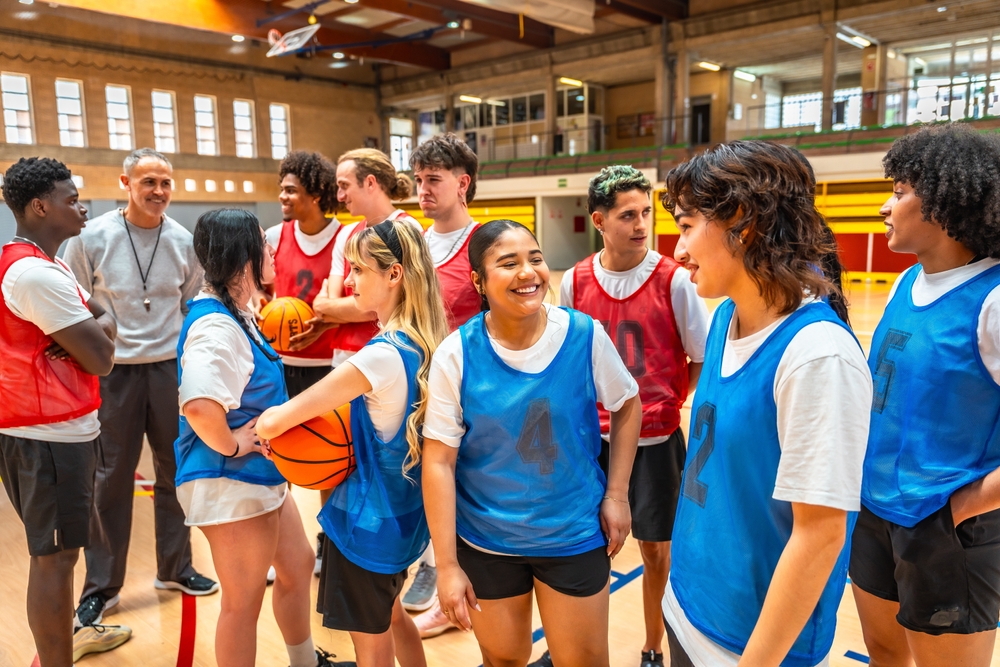
Remember the days of lining up in the school gym to see how many pull-ups or sit-ups you could do? For anyone who grew up before the 2010s, the Presidential Fitness Test is a core childhood memory. On May 5, 2026, President Donald Trump signed a memorandum to bring this classic assessment back to American schools.
The revival is a major piece of the Make America Healthy Again initiative, a campaign designed to tackle high rates of childhood inactivity.
Created in 1956, the original fitness test handed out national awards to students who scored in the top 15 percent of their age group in events like the mile run. A little over a decade ago, schools moved away from this competitive model to focus on personalized wellness goals instead.
Today, that approach is reversing. The current administration believes that healthy competition is exactly what students need.
“My administration is working very hard to defend America’s cherished athletic traditions and pass our values of excellence and competitiveness to the next generation,” President Trump stated during the Oval Office signing event.
To start, the assessment will be mandatory for students attending 161 schools located on military installations. Defense Secretary Pete Hegseth highlighted the real world value of the program during the announcement. “We need young, strong, healthy Americans, whether you serve in the military or any other aspect of your life,” Hegseth noted.
The underlying message is that structured challenges and a bit of friendly rivalry can motivate kids to get moving, helping them build physical and mental strength that lasts well into adulthood.
Learning Through Victory and Defeat
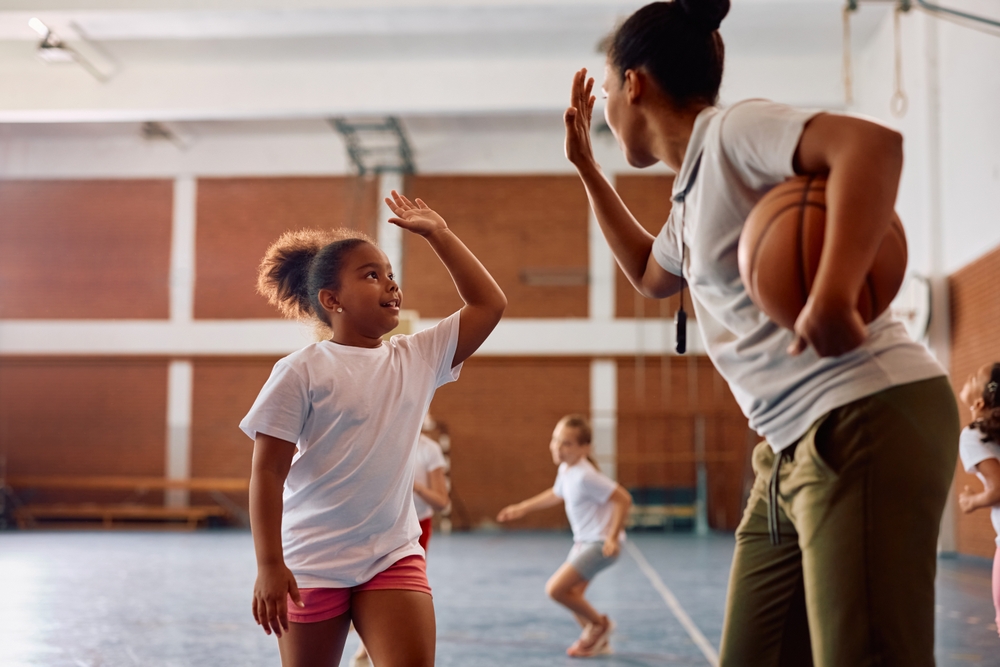
The decision to revive the physical fitness test directly reverses a policy shift made in 2012. During the Obama administration, the traditional test was phased out in favor of a program that emphasized personal bests and long-term health goals. The logic at the time was to minimize peer comparisons and prevent body shaming among students who might struggle with the physical benchmarks.
However, the leaders behind the current health agenda argue that removing competition entirely took away a crucial developmental tool. Health and Human Services Secretary Robert F. Kennedy Jr. has been a vocal supporter of bringing the old standards back to combat crisis levels of childhood obesity and inactivity. He believes that friendly rivalry teaches essential life skills beyond simple physical endurance.
“It was very unfortunate that Obama discontinued the test,” Kennedy remarked alongside the president. “We need to teach people how to win and how to lose and how to process victory and defeat.”
While failing a pull-up test in front of classmates can certainly be intimidating, navigating that exact disappointment can actually foster emotional resilience. Learning to handle minor setbacks early in life prepares kids for the inevitable challenges of adulthood.
The updated initiative views physical education as a mental training ground just as much as a physical one. President Trump echoed this sentiment during the announcement, pointing out that top-tier performance requires intense mental discipline. He noted that success in any competitive field is ultimately all about the mind. By combining physical activity with mental fortitude, the newly reinstated program aims to build a stronger, more adaptable generation.
Redefining the Goal: Health vs. Performance
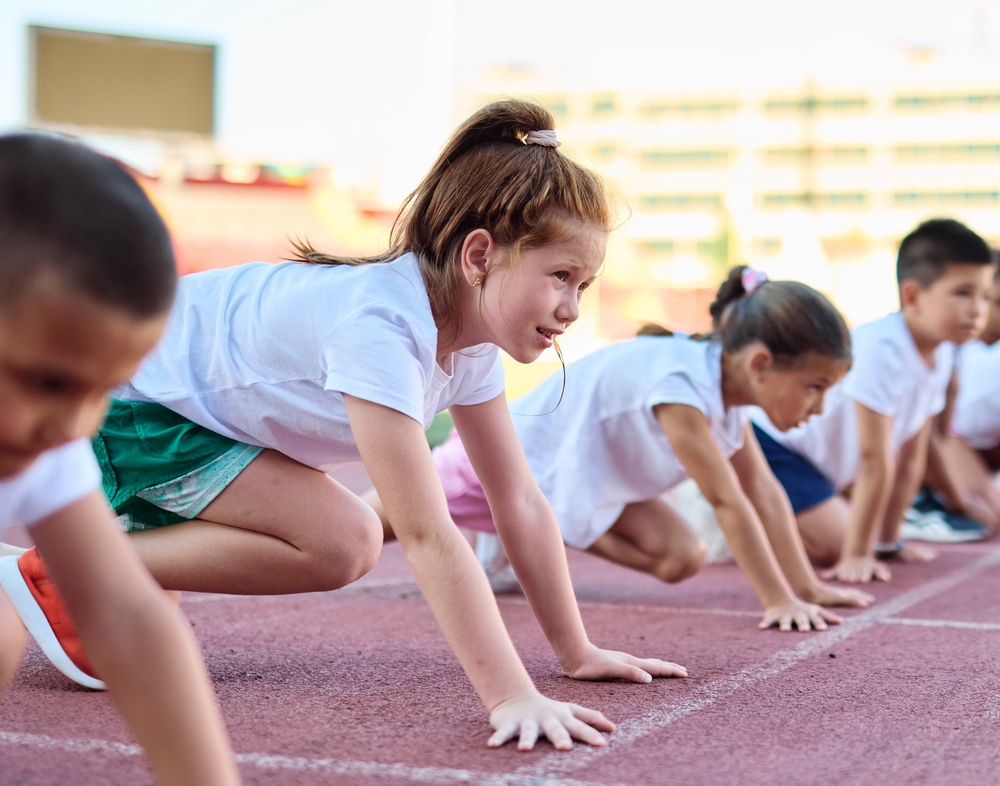
What exactly does the revived test look like? For those who might have forgotten, the original assessment was a comprehensive circuit. It typically included a 50-yard dash, a shuttle run, pull-ups, sit-ups, a V-sit reach, and a timed one-mile run. Earning the top award meant excelling in speed, agility, strength, and endurance.
When the program was overhauled in 2012, it was rebranded as the President’s Youth Fitness Program. Schools adopted an assessment tool called FitnessGram. Instead of racing against the clock or competing for the highest score, students were evaluated to see if they fell into a “Healthy Fitness Zone.” This newer model relied heavily on tracking Body Mass Index and basic aerobic capacity.
While the goal was to make physical education more inclusive, critics argue that it ultimately lowered expectations. Focusing only on a baseline of health can inadvertently remove the drive to push boundaries. The newly reinstated program shifts the focus back from minimal health metrics to measurable athletic achievement.
This move aligns with the broader goals of the current administration. By setting definitive standards, the program encourages students to set concrete goals and work consistently to achieve them. It is not just about avoiding illness or staying within a target weight range. It is about realizing the full potential of the human body through dedicated practice. The return of the classic fitness test signals that the bar for physical education in America is being raised once again.
The Reality of Youth Health Today

The renewed focus on athletic standards arrives at a critical moment for pediatric health in the United States. Recent statistics paint a concerning picture of national wellness, highlighting exactly why leaders are pushing so hard for the Make America Healthy Again initiative.
According to the Centers for Disease Control and Prevention, the prevalence of childhood obesity has reached unprecedented levels. Current data shows that nearly 20 percent of children and adolescents aged 2 to 19 are classified as obese. Furthermore, the Physical Activity Alliance recently reported that only one in five youths aged 6 to 17 meet the recommended 60 minutes of daily physical activity.
These numbers reflect a complex web of modern challenges. Increased screen time, a reduction in daily active transportation like walking or biking to school, and the lingering effects of past pandemic lockdowns have all contributed to more sedentary lifestyles. Health experts continuously warn that without intervention, these habits can lead to serious chronic conditions later in life, including heart disease and early onset diabetes.
By reinstalling the Presidential Fitness Test, policymakers are attempting to interrupt this trend at the source. The goal is not merely to create elite athletes, but to establish a cultural expectation of movement and physical capability. Public health advocates suggest that school environments offer the most equitable space to reach children of all socioeconomic backgrounds. When schools prioritize robust physical education, it ensures that every student gets a chance to build healthy habits, regardless of their access to private sports leagues or gym memberships.
A New Era of Physical Readiness
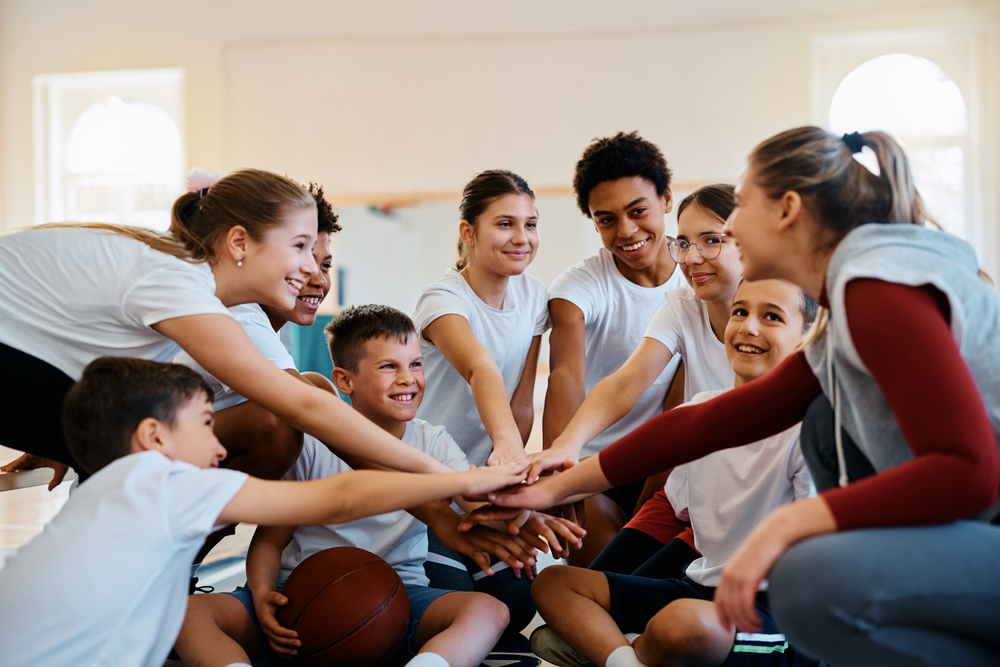
Bringing the Presidential Fitness Test back to gymnasiums is a major shift in how the country approaches physical education. It moves away from simply checking a box for basic health and asks students to actively push their limits. While the thought of a timed mile or a pull-up bar might bring up a little anxiety, the main objective is to build a lasting foundation of wellness.
This policy change is rooted in the idea that physical challenges are deeply connected to mental and emotional growth. By reintroducing clear benchmarks, schools have the opportunity to teach children how to handle both success and setbacks. It creates an environment where striving for a tangible goal becomes a normal, celebrated part of growing up.
As the program begins its initial rollout in military installation schools, parents and health experts will be watching closely. If the initiative proves successful, this return to competitive fitness could soon reshape the daily routines of millions of students nationwide. The overarching hope is to equip the next generation with the strength and resilience they need to thrive in all areas of life.