
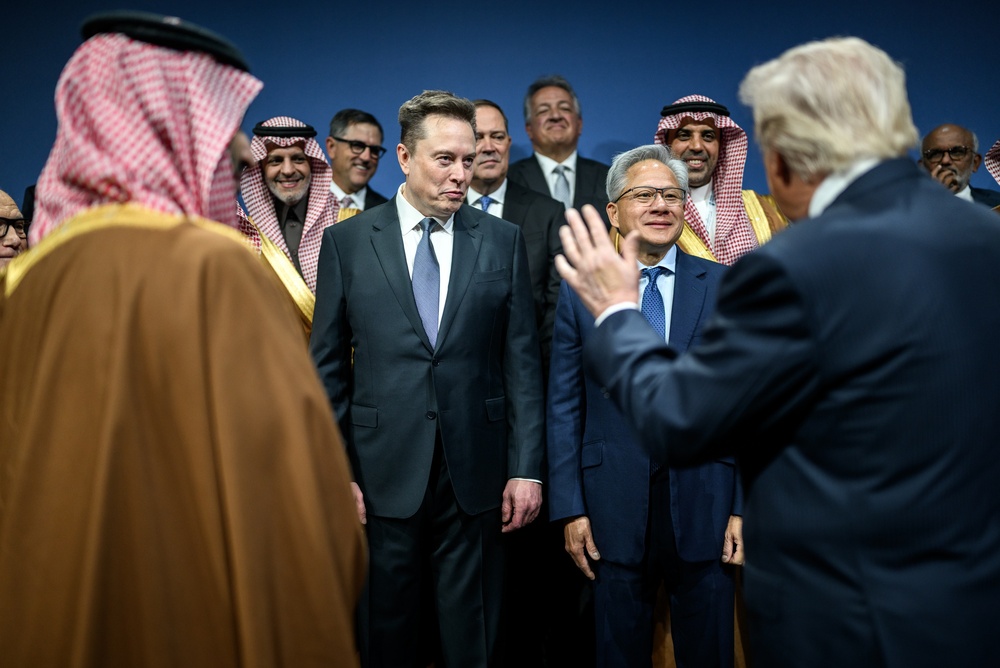
Donald Trump has revealed that he personally intervened in Nvidia’s leadership crisis, claiming he persuaded the company’s board to reinstate co-founder Jensen Huang after his sudden departure. The president’s involvement has added a political dimension to an already controversial corporate decision, particularly as questions surrounding national security and America’s competition with China continue to attract attention.
Speaking during a CNBC interview, Trump said he had communicated directly with Nvidia’s board of directors and helped secure Huang’s return despite the company’s earlier reluctance. The reversal comes amid allegations involving Huang’s personal relationships and a suspected Chinese intelligence connection, concerns that have placed the technology giant under increased scrutiny. Trump’s admission has also attracted questions about presidential influence over private businesses and his own financial interests in Nvidia.
Trump Claims He Personally Convinced Nvidia’s Board
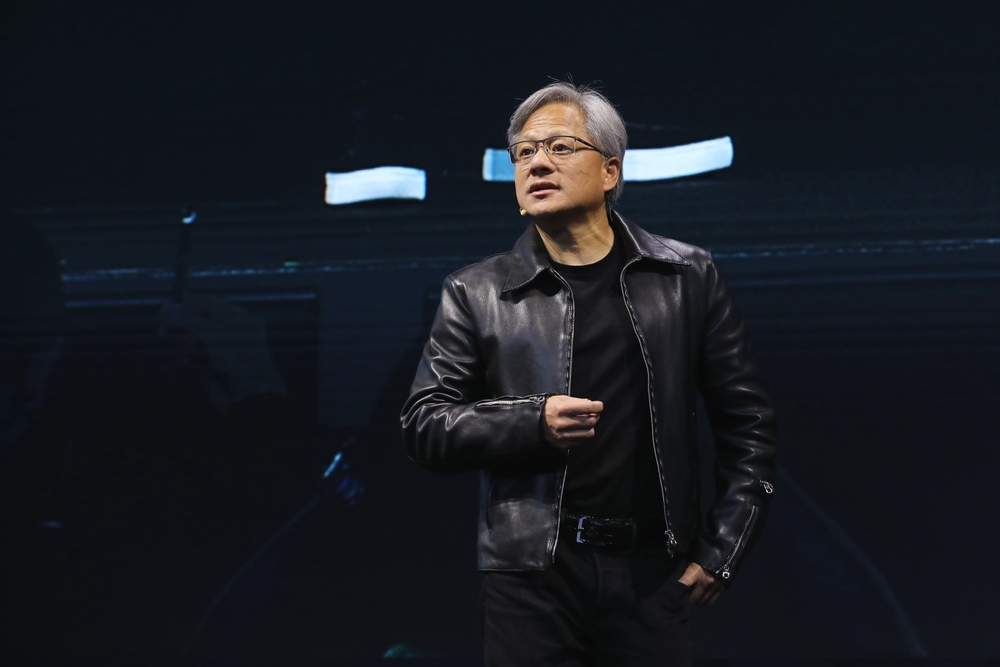
Trump described his involvement in Huang’s reinstatement as a direct intervention involving conversations with Nvidia’s board of directors. During his CNBC appearance, the president claimed he had persuaded the directors to reconsider their earlier decision and allow the company’s co-founder to return. His comments suggested that discussions between the administration and Nvidia had played a significant role in changing the company’s position after it initially rejected Huang’s offer to resume leadership.
“They did ask for assurance on the national security threat,” Trump said. “And we gave them assurances at least with everything we know. And we know a lot.” The president explained that the board wanted confidence that Huang’s reinstatement would not create security problems for the United States. Trump also defended the decision by arguing that losing an executive with Huang’s experience could pose a greater threat to American technological interests than allowing him to return.
“People say, is it a threat to have him? No, it’s a threat to lose him,” Trump added. His comments reflected the administration’s focus on maintaining America’s position in the artificial intelligence industry, where Nvidia has become a major supplier of advanced computing chips. Trump also acknowledged that the company’s falling share price probably influenced his decision to become involved, suggesting that the financial consequences of Huang’s departure were among the factors considered.
Nvidia Reverses Its Decision After Huang’s Departure
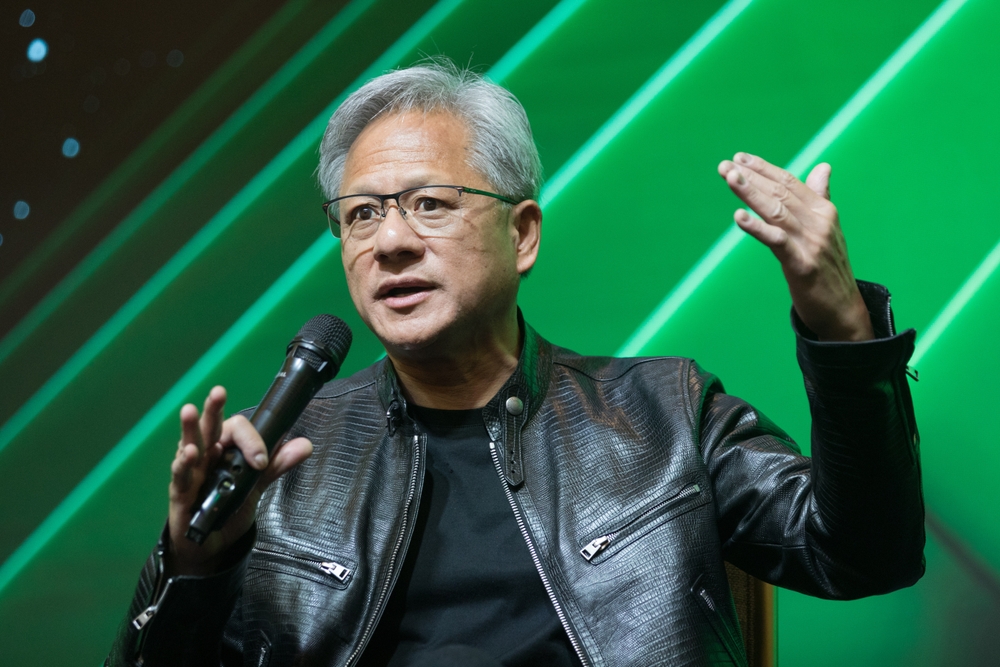
Nvidia’s decision to restore Huang as chief executive represents a significant reversal after the board initially indicated that it did not intend to bring him back. Huang had resigned on November 12 following revelations concerning extramarital relationships, including one involving Alice Huang, a Singapore-based business executive suspected of having connections to Chinese intelligence. The allegations created concerns surrounding the company’s leadership and potential national security implications, particularly given Nvidia’s importance to America’s semiconductor industry.
Despite Huang expressing willingness to return, the board initially appeared determined to move forward without him. That position changed following discussions involving senior US government officials and renewed attention surrounding the company’s future. Chairman Harvey Jones subsequently confirmed that the board believed reinstating Huang was in the best interests of its shareholders, employees, business partners and customers.
“The Board believes Jensen is the right person to lead NVIDIA,” Jones said. The decision also demonstrated the company’s continued reliance on the executive who helped build Nvidia into one of the world’s most valuable technology businesses. Huang co-founded the company in 1993 and spent decades transforming it from a graphics processor manufacturer into a central player in the artificial intelligence industry.
The reversal has placed additional attention on the relationship between Nvidia’s directors and the Trump administration. The board has indicated that it received input from senior government officials and was confident that Huang’s reinstatement did not present a national security risk. However, the circumstances surrounding that assurance have become an important part of the wider political controversy.
Why Nvidia’s Leadership Matters to America
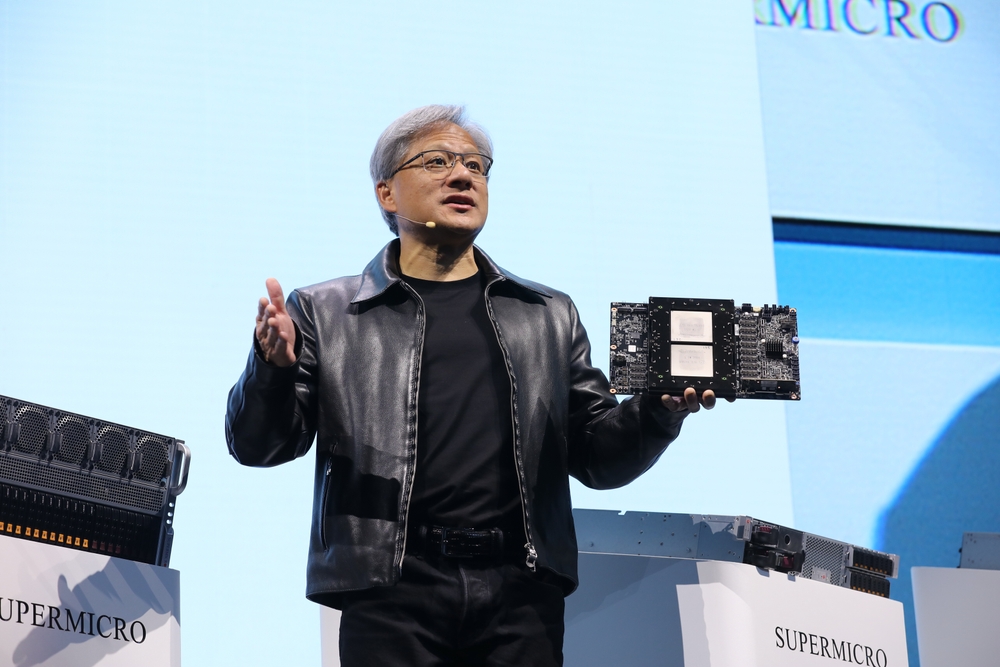
Nvidia occupies a central position in the global artificial intelligence industry, supplying advanced processors used by technology companies developing increasingly powerful AI systems. Its products have become essential to the computing infrastructure behind major developments in artificial intelligence, making the company strategically important to America’s technological ambitions. Huang’s leadership has been closely associated with that expansion, which helps explain why his departure created concerns extending beyond Nvidia’s boardroom.
Nvidia’s Role in the Competition With China
The United States and China are competing for influence over the future of artificial intelligence, advanced computing and semiconductor manufacturing. Powerful processors are essential to developing sophisticated AI systems, and Nvidia has become one of the most important suppliers in this market. American officials have therefore treated access to advanced semiconductor technology as a national security issue, introducing export restrictions designed to prevent sensitive technology from reaching certain Chinese customers.
Huang’s experience and position within the industry make his leadership particularly relevant to these discussions. Nvidia’s commercial relationships involve customers across several international markets, creating challenges for the company as it attempts to comply with American export restrictions while maintaining its global business. Trump’s argument suggests that retaining Huang’s leadership is closely connected to preserving America’s technological advantage.
The Financial Consequences of His Departure
Nvidia’s market performance also became part of the discussion surrounding Huang’s reinstatement. The company’s shares had experienced pressure during the leadership uncertainty, contributing to concerns among investors already watching the artificial intelligence sector closely. Following the announcement of Huang’s return, Nvidia’s share price surged by approximately 31%, adding close to $1 trillion to its market value.
The recovery also helped support gains across other technology companies and financial markets in Asia. However, Nvidia’s broader performance remained influenced by concerns about AI spending, future demand and the sustainability of the industry’s rapid expansion. The dramatic market reaction demonstrated how closely investors associate Nvidia’s future with Huang’s continued leadership.
Trump’s Intervention Faces Political Criticism
Trump’s admission that he personally persuaded Nvidia’s board has raised questions about the relationship between the White House and private corporations. The president has considerable influence over national security policy, trade restrictions and the regulatory environment surrounding advanced technology. However, Nvidia’s board remains responsible for making decisions about the company’s leadership, creating debate about the extent of government involvement in the reinstatement.
Criticism has emerged from lawmakers concerned about the administration’s assurances and the national security questions surrounding the controversy. Senator Elizabeth Warren has called for greater transparency regarding Nvidia’s compliance with American export restrictions and the circumstances surrounding Huang’s return. Her concerns include whether the company has adequately addressed questions about its commercial relationships and the potential movement of advanced processors into China.
Other lawmakers have also raised questions about the implications of the allegations involving Alice Huang and the possible security risks associated with Nvidia’s international business. China has denied the spying allegations, and the claims involving Alice Huang should not be treated as established findings of wrongdoing by Jensen Huang. The distinction remains important as Congress examines the company’s business activities and the government’s involvement in the leadership decision.
The controversy has also attracted attention because Trump’s comments suggest that financial market performance played a role in his decision to intervene. The president acknowledged that Nvidia’s declining share price probably influenced his thinking. That admission has added another issue for lawmakers examining the relationship between government decisions, private businesses and the interests of financial markets.
Trump’s Personal Nvidia Investments Raise Questions
Trump’s financial interests in Nvidia have added another dimension to the controversy. Government financial disclosures show that the president has purchased and sold Nvidia shares through investment accounts during his time in office. The reported transactions have attracted attention because the company’s market value is directly affected by developments involving its leadership, government policy and access to international markets.
Financial disclosures covering Trump’s investments show repeated Nvidia transactions, including purchases and sales during September. The reported figures indicate that his exposure to the company has been substantial, although the precise value of his holdings has varied with market prices and the timing of individual transactions. Those investments have inevitably attracted scrutiny following his admission that he personally helped secure Huang’s reinstatement.
The White House has repeatedly rejected suggestions that Trump uses his presidency to benefit his personal investments. The administration has maintained that his financial accounts are managed independently and that the president does not direct individual investment decisions. Trump has also argued that rising stock prices have benefited investors broadly rather than resulting from decisions made specifically for his financial advantage.
There is currently no established evidence that Trump intervened in Nvidia’s leadership decision to increase the value of his personal holdings. However, the overlap between his investment exposure and his direct involvement in a company-related decision creates legitimate questions about transparency and the safeguards surrounding presidential financial interests.
National Security Concerns Remain Under Investigation
Huang’s return has not resolved the concerns surrounding Nvidia’s international business relationships. American officials continue to examine allegations involving Alice Huang, who previously served as chief executive of Singapore-based Megaspeed. The allegations concern suspected connections to Chinese intelligence, although China has denied the accusations and the available information does not establish that Jensen Huang participated in any intelligence activity.
The US Commerce Department has also announced preparations to blacklist Megaspeed, adding another development to the controversy. The situation has drawn attention to the difficulty of monitoring international semiconductor transactions, particularly when advanced processors can be used for artificial intelligence research and other sensitive applications. American authorities have been increasingly concerned about whether restricted technology could reach Chinese companies through intermediaries.
Nvidia has faced scrutiny over its compliance with export controls as Washington attempts to limit China’s access to advanced American processors. These restrictions have become a significant part of the wider competition between the two countries. The company must balance its international commercial interests with increasingly strict government requirements governing sensitive technology exports.
Trump has maintained that officials provided Nvidia’s board with the necessary assurances regarding Huang’s reinstatement. However, those assurances do not automatically resolve every question surrounding the company’s customers, international transactions or compliance procedures. Congress is expected to examine these issues as lawmakers seek further explanations about the company’s activities and its relationship with the administration.
Congress Is Preparing to Question Nvidia’s Leadership
Attention is now turning towards Huang’s upcoming appearance before Congress, where lawmakers are expected to examine his relationship with Alice Huang and the national security questions surrounding Nvidia. The company’s position in the artificial intelligence industry means that its business activities have become increasingly relevant to American technology policy. Huang’s testimony could therefore attract attention well beyond the circumstances of his departure and reinstatement.
Several issues are expected to feature prominently in the scrutiny:
- National security assurances: Lawmakers want to understand what information the Trump administration provided to Nvidia’s board before Huang’s reinstatement.
- Export control compliance: Nvidia’s international business relationships and its obligations under American semiconductor restrictions remain under examination.
- Allegations involving Alice Huang: Questions surrounding the suspected Chinese intelligence connection remain part of the wider investigation.
- Presidential involvement: Trump’s admission that he personally persuaded the board has raised questions about government influence over private corporate decisions.
- Financial transparency: The president’s Nvidia investments have attracted additional scrutiny because of his involvement in the company’s leadership controversy.
Huang’s testimony will give lawmakers an opportunity to question the company directly about these issues. The discussions could also provide greater clarity about the administration’s role in the reinstatement and the assurances communicated to Nvidia’s directors.
Nvidia’s CEO Is Back, But Trump’s Role Remains Under Scrutiny
Huang’s return has restored the leadership structure Nvidia’s board ultimately decided was necessary for the company’s future. Trump’s intervention has also demonstrated how closely the administration views the semiconductor industry as part of America’s economic and national security interests. However, the questions surrounding the president’s involvement, his financial exposure and Nvidia’s international business relationships remain unresolved.
The next stage will depend on the explanations provided to Congress and the evidence surrounding the company’s security arrangements. Huang may have regained control of Nvidia, but the political scrutiny surrounding the decision is only beginning.