
Your cart is currently empty!
Trump Reinforces ‘Buy American’ Mandate for Federal Contracts
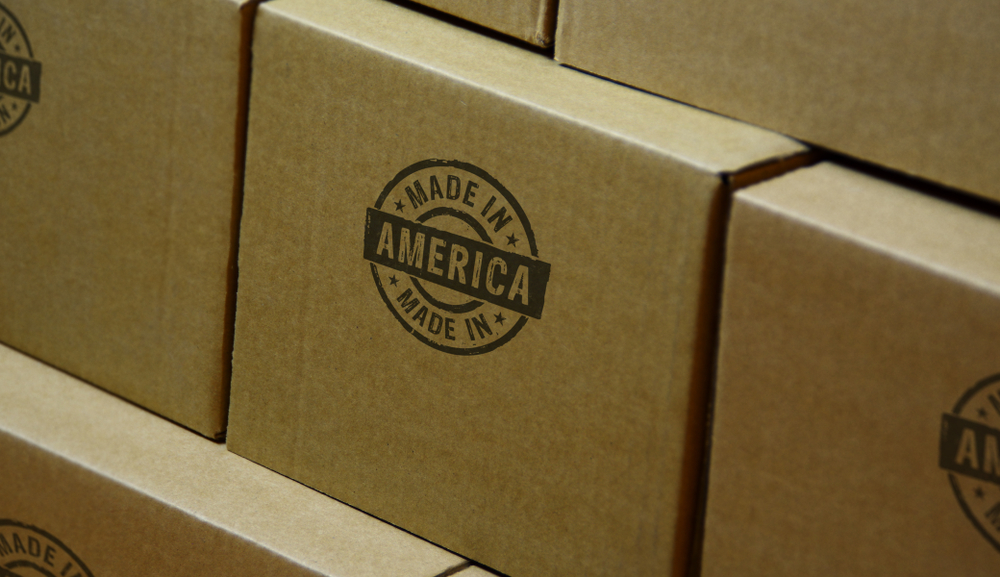
There is a certain undeniable prestige attached to the words “Made in America”—a label that evokes generations of grit, craftsmanship, and industrial might. Yet, behind the scenes of massive federal contracts, that iconic stamp has sometimes been sidelined by the allure of cheaper, global supply chains. Now, a sweeping policy shift is poised to rewrite that narrative, systematically directing billions of taxpayer dollars back into the nation’s own factories and workshops. It is a decisive pivot that reaches far beyond bureaucratic red tape, setting the stage for a dramatic renaissance in local manufacturing and challenging contractors everywhere to fundamentally rethink what it means to build at home.
Contents
show
Raising the Bar for ‘Made in America’
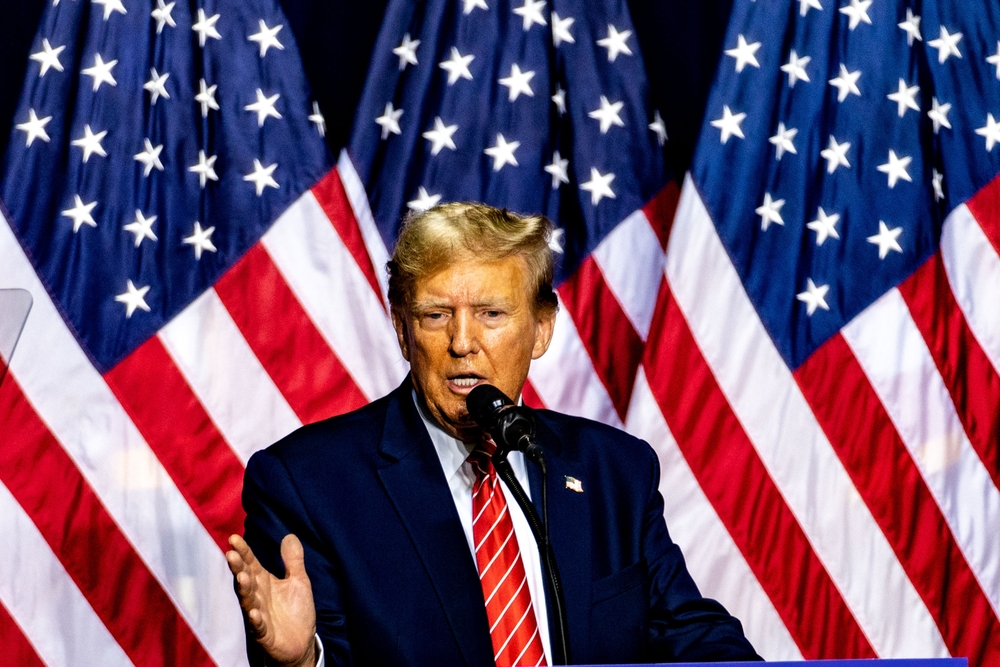
The federal government is shifting how it spends taxpayer money, placing a renewed focus on the power of home-grown production. President Donald Trump recently signed a directive that strengthens the “Buy American” policy, a move aimed at ensuring government agencies look within the borders before sourcing goods from overseas. This isn’t just about changing paperwork; it is a fundamental shift in how the administration views the relationship between the federal budget and the American worker.
At the heart of this updated policy is a plan to close the loopholes that often allow agencies to bypass domestic products. For years, government departments have used waivers to buy foreign goods, citing lower costs or lack of availability. The new order aims to make these waivers much harder to get. By demanding more transparency and stricter justifications, the administration wants to ensure that “Made in America” is the default choice rather than an optional one.
This push also includes raising the standards for what actually qualifies as a domestic product. In the past, items with a mix of domestic and foreign parts could sometimes slide through under various definitions. The new rules look to increase the percentage of American-made components required for a product to earn its domestic label. For industries like construction and manufacturing, this change signals a major opportunity to scale up operations to meet federal demand.
Enforcing Integrity in Government Contracts

While creating new sourcing rules is a vital step, enforcing them is what ensures lasting change. A major pillar of this renewed policy involves a strict crackdown on how government contractors label and sell their goods. The administration is now mandating regular reviews of federal acquisition contracts to verify that products claiming an American origin actually meet the necessary criteria.
This shift brings a much higher level of scrutiny to the procurement process. Federal agencies are now required to audit the supply chains of their vendors more thoroughly than before. If a contractor is found misrepresenting the origin of their products, the consequences are direct and severe. These items will be swiftly removed from government purchasing schedules. Furthermore, violators face potential referral to the Department of Justice, where they could be held liable under the False Claims Act.
This strict enforcement is not just about penalizing bad actors; it is about protecting the businesses that play by the rules. For companies that genuinely invest in local jobs, build facilities in their communities, and source their materials domestically, competing against fraudulent claims creates an unfair disadvantage. By aggressively targeting deceptive labeling, the government aims to level the playing field for honest manufacturers.
Rebuilding the Heart of Local Economies

Beyond the legal requirements of the policy lies a broader vision for revitalizing communities that have weathered years of industrial decline. By steering billions of dollars in federal contracts toward domestic businesses, the administration aims to breathe new life into regional manufacturing centers. This shift represents more than just a change in accounting; it is an effort to restore the industrial strength of the country.
When a federal project chooses American steel or local electronics, the ripple effect is felt far beyond the factory floor. It supports regional logistics, small businesses that serve these workers, and the overall tax base of towns that were once the backbone of the economy. For many families, this policy provides a sense of stability and a clear path toward long-term employment in fields that were previously moving overseas.
Industry experts note that while global supply chains might offer lower upfront prices, they often lack the reliability found at home. The push for domestic sourcing acknowledges that true value is found in resilience. By investing in local talent and resources, the government is essentially placing a bet on the skill and ingenuity of its own people.
This approach also encourages a new generation of workers to enter skilled trades. With the assurance that federal demand will remain steady, vocational schools and apprenticeship programs have a stronger reason to expand. This long-term investment in human capital ensures that the workforce remains competitive and capable of meeting the technical challenges of the future.
Accountability Through Transparency
To ensure these rules are followed, the administration is focusing on making the entire process visible to the public. One of the most practical changes is the continued empowerment of the Made in America Office. This department acts as a central hub, reviewing every request from federal agencies that want to buy foreign products. Instead of these decisions happening behind closed doors, they are now subject to a much higher level of internal and public scrutiny.
A key part of this strategy is the use of a centralized website where all requested waivers are posted for everyone to see. In the past, it was often difficult for a local manufacturer to even know when the government was looking for a specific product or why a foreign supplier was chosen instead. By putting this information online, the government is essentially inviting American businesses to step up and prove they can do the job. If a company sees a waiver for a product they can make right here, they now have a clear path to challenge that decision and offer a domestic alternative.
This “open book” approach does more than just keep agencies honest; it builds a sense of trust between the government and the people it serves. When taxpayers can see exactly where their money is going and why certain exceptions are made, it removes the mystery and frustration often associated with federal spending. It turns government procurement into a public conversation about national priorities.
Buying American, Building Communities
By cutting down on foreign waivers and demanding higher domestic content, the policy aims to turn the federal budget into a powerful engine for local growth. This approach ensures that when the government buys products, it is also investing in the stability of American towns and the skills of their residents.
Adapting to these new standards will take effort from both government agencies and private contractors. However, the move toward transparency through public waiver tracking creates a more honest environment for business. It allows local companies to compete on a fair stage, knowing that the “Made in America” label is being protected by real enforcement and consistent oversight.
At its heart, this effort is about more than just numbers on a balance sheet; it is about the pride that comes with creating something at home. Rebuilding a domestic supply chain strengthens the country’s ability to handle future challenges without relying on outside sources. By focusing on the potential of its own workforce, the nation is laying the groundwork for a more self-reliant and durable economy.