
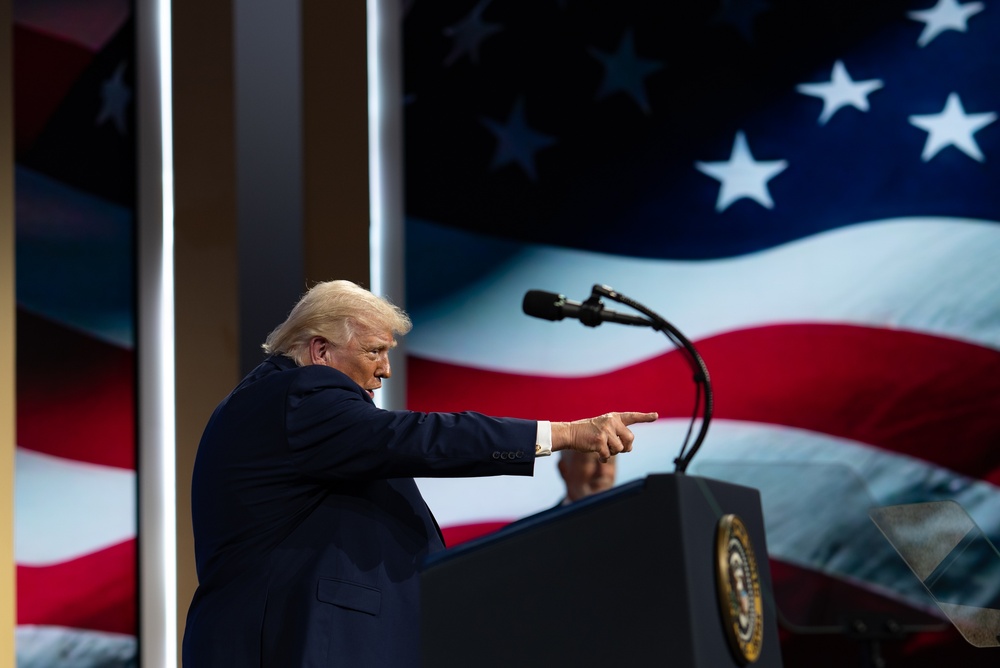
President Donald Trump used Thanksgiving Day to deliver a message that quickly shifted from holiday greetings to immigration, political grievances and accusations against federal officials. Among the most controversial remarks was his claim that only 2% of the Somali population in the United States should be allowed to remain without facing deportation.
In a lengthy post on Truth Social on Thursday, November 26, Trump criticised Democrats, accused government officials of releasing misleading economic figures and called for the removal of Somali residents who receive government assistance. He also defended his White House renovation projects, turning what is traditionally a day of gratitude into another opportunity to address several divisive political issues.
Trump Turns A Thanksgiving Greeting Into A Political Attack
Thanksgiving is one of America’s most significant national holidays, with millions of families gathering for meals and celebrations. Trump, however, used his holiday message to revisit political disputes involving his opponents, government institutions and immigration policies.
In the 461-word Truth Social post, the president began by wishing Americans a happy Thanksgiving before directing criticism towards people he accused of moving the country towards what he described as the “Radical Far Left.” His greeting included references to alleged fraud, political misconduct and government failures.
“I would like to wish a very Happy Thanksgiving to all of those people that have worked so hard to bring our Country to the Radical Far Left,” Trump wrote.
The message quickly expanded beyond criticism of Democrats. Trump accused unnamed individuals of attempting to introduce Muslim religious law into the American judicial system and alleged that political opponents wanted to redistribute privately accumulated wealth across the country.
He suggested that hardworking Americans could eventually be forced to distribute their wealth to people who refused to work. However, the president did not identify specific individuals responsible for the alleged plans or provide evidence supporting his accusations.
The timing of the message also attracted attention because it followed a difficult midterm election for Republicans. The party suffered substantial losses on November 3 and was preparing to surrender control of both chambers of Congress in January.
Trump Says Only 2% Of Somali Residents Should Be Allowed To Stay
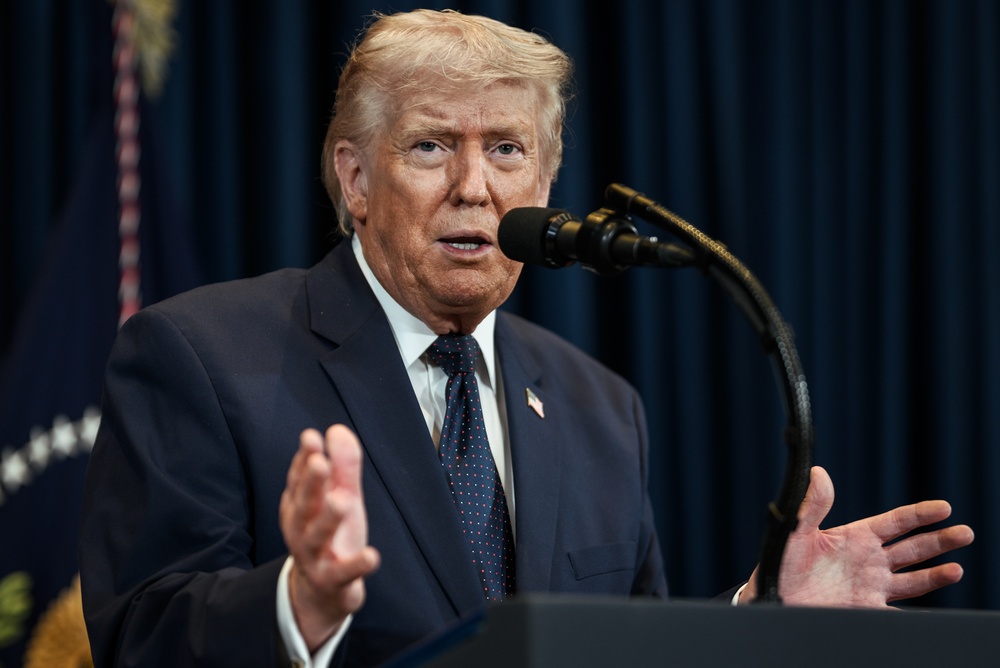
The most striking part of Trump’s Thanksgiving message concerned Somali immigrants and their place in American society. The president singled out the Somali population, claiming that only a small percentage worked without receiving government assistance.
Trump used the post to praise those individuals while calling for the immediate removal of everyone else. His remarks specifically referred to people of Somali descent and their alleged dependence on public assistance programmes.
“I want to thank the 2% of our Somalian population that have a job, and are actually willing to work, without receiving Government Assistance,” Trump wrote.
He then described those individuals as “wonderful American ‘citizens’” who should be allowed to remain in the United States and celebrate Thanksgiving alongside other Americans. The president followed that praise with a demand that the remaining members of the community be removed.
“The others should be thrown out, immediately,” he added.
Trump also claimed that removing those individuals would save Minnesota, arguing that the state had no chance if they were allowed to remain. He did not provide supporting employment statistics or explain how he arrived at the 2% figure.
The statement also failed to distinguish between American citizens, lawful permanent residents, refugees and people whose immigration status may be different. These categories carry different legal rights and obligations under American immigration law.
Why Minnesota’s Somali Community Became A Target
Minnesota has one of the largest Somali communities in the United States, with many families having established businesses, careers and homes across the state. The community has increasingly become part of national political discussions surrounding immigration and public assistance.
Trump has repeatedly criticised Somali residents in Minnesota while referring to investigations into alleged fraud involving government-funded social services programmes. Several individuals have faced criminal allegations connected to misuse of public funds, bringing increased attention to the state’s oversight of assistance programmes.
During a January House Oversight Committee hearing, Republican Representative Brandon Gill of Texas highlighted figures indicating that 54% of Somali-headed households in Minnesota received food stamps.
However, household participation in a government assistance programme does not establish that its members have committed fraud or broken the law. It also does not establish that people receiving benefits are unemployed, particularly when households can include several working and non-working members.
Trump’s Thanksgiving post did not separate individuals accused of financial misconduct from the wider Somali-American population. His comments instead presented the community as a broad group whose eligibility to remain in America should depend on employment and government assistance.
Democrats Respond By Defending Somali-American Residents
The president’s remarks prompted a response from Democratic National Committee chair Ken Martin, who criticised the decision to target Somali Americans during a national holiday. Martin, who is from Minnesota, argued that the community makes substantial contributions to the state and should not be collectively blamed for alleged wrongdoing involving particular individuals.
Martin said Trump had spent Thanksgiving attacking immigrants and promoting his White House ballroom project rather than focusing on the values traditionally associated with the holiday. He also challenged the president’s portrayal of Somali residents as a burden on Minnesota.
“As a proud Minnesotan, let me make something abundantly clear: our Somali American neighbors are part of the fabric of our state,” Martin wrote on X.
He described Somali Americans as small business owners, teachers, healthcare workers, parents and hardworking members of their communities. Martin also argued that their contributions deserved recognition rather than broad criticism from the country’s president.
His response directly addressed Trump’s suggestion that most Somali residents should be removed from the country. Martin pointed out that many people in the community are American citizens who have built their lives in Minnesota.
“In Minnesota, we pull up another chair at the Thanksgiving table,” he added. “Trump apparently would rather deport the people sitting around it.”
The exchange reflects a continuing political disagreement over immigration enforcement and the use of government assistance. Republicans have highlighted fraud investigations and concerns about public spending, while Democrats have challenged attempts to associate those cases with an entire immigrant community.
Trump Accuses Federal Officials Of Releasing Fake Economic Numbers
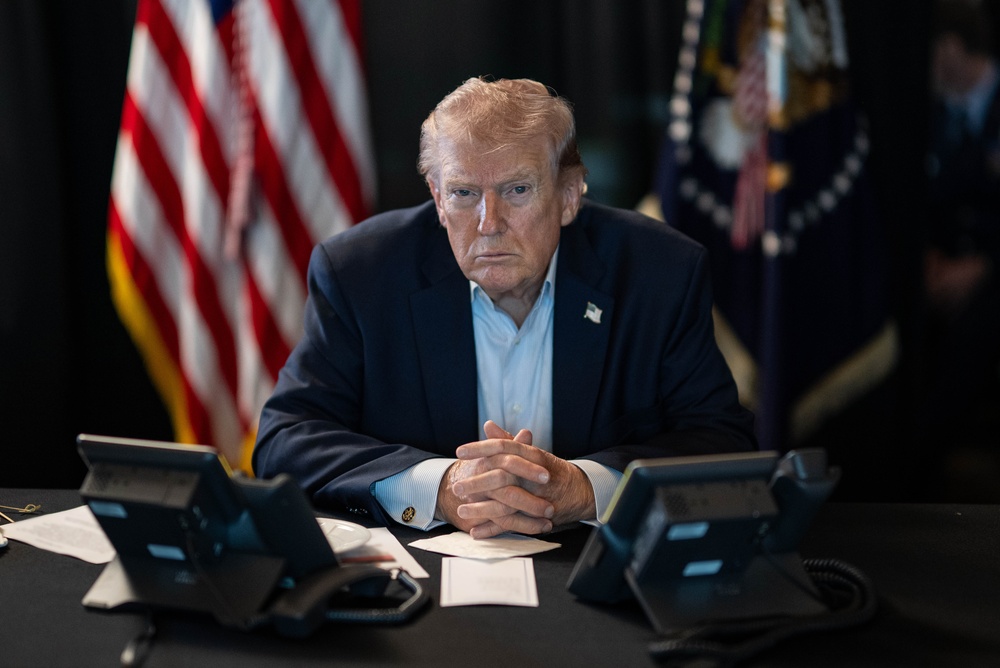
Immigration was only one subject in Trump’s lengthy Thanksgiving message. The president also renewed accusations against federal officials responsible for calculating the country’s economic performance, questioning why an important GDP figure had been revised after the midterm elections.
The dispute concerned America’s gross domestic product during the third quarter of 2026, covering July, August and September. The Commerce Department’s Bureau of Economic Analysis initially estimated annualised economic growth at 3.4%.
On Wednesday, November 25, the agency released its second estimate, revising the growth figure upwards to 4.3%. The adjustment represented a 0.9 percentage-point increase from the initial estimate.
Trump questioned why the higher figure had not been available before voters went to the polls on November 3. He suggested that the original numbers had been deliberately understated and accused unnamed officials of releasing false information.
In his Thanksgiving message, he described the discrepancy as a “RECORD SETTING ERROR” and demanded an immediate investigation into the figures.
The president argued that the revised numbers showed the American economy was performing considerably better than the earlier estimate suggested. He also connected the timing of the announcement to the Republican Party’s electoral losses.
What The GDP Revision Actually Means

The Bureau of Economic Analysis regularly publishes revised economic estimates as more complete information becomes available. Its initial GDP calculations rely on preliminary data, meaning subsequent releases can produce different results.
The November 25 report identified upward revisions to investment and consumer spending as the primary reasons behind the increase from 3.4% to 4.3%. Government spending also contributed to economic growth, while a decrease in exports partly offset the increase.
The agency’s published figures therefore confirm that the original estimate was revised substantially. However, the revision itself does not establish that officials deliberately manipulated the data for political purposes.
The distinction is important because GDP estimates are routinely updated as additional information becomes available. These adjustments are part of the established statistical process used by the federal government to measure economic activity.
Trump did not provide evidence in his Thanksgiving post demonstrating that the initial figures had been deliberately falsified. The Commerce Department’s Bureau of Economic Analysis did not immediately respond to a request for comment, according to the supplied reporting.
The agency had scheduled its next GDP estimate for December 23, providing another opportunity to assess the country’s third-quarter economic performance.
White House Ballroom Project Becomes Another Thanksgiving Talking Point
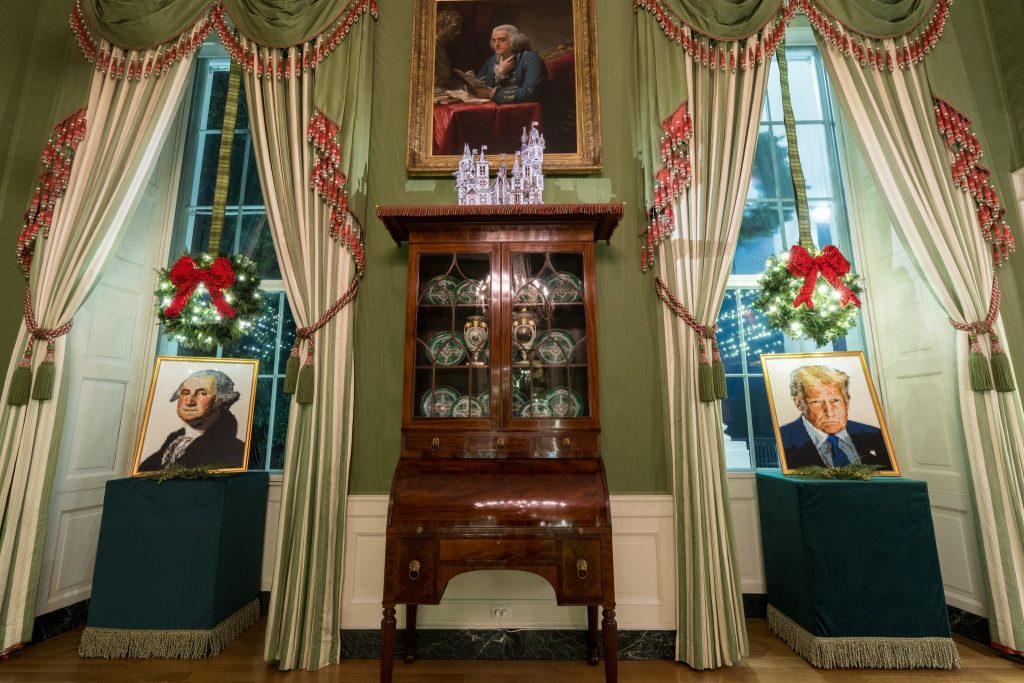
Trump also devoted part of his holiday message to defending renovations at the White House, particularly the proposed construction of a large ballroom in the East Wing. The project has attracted attention because of its scale and the changes involved in modifying the historic presidential complex.
The president argued that journalists and members of the public had misunderstood the condition of the building before renovation work began. He claimed that several maintenance problems required attention, including broken windows, damaged columns and deteriorating decorative features.
“I took time out of my very busy schedule to fix the 17 broken windows, numerous chipped and decaying columns, broken, dilapidated, and missing moldings, and lack of a proper plaster and paint job on the White House,” Trump wrote.
He defended the improvements by suggesting that the building had been neglected and required significant maintenance. Trump also used the opportunity to criticise people who had questioned his renovation decisions.
The ballroom project received particular attention in his message, with the president claiming that American presidents had sought such a facility for more than 150 years. He presented its construction as an improvement that would eventually benefit the White House.
The renovation dispute has become another point of disagreement between the administration and its critics. While Trump has promoted the changes as necessary improvements, questions about construction at one of America’s most recognisable historic buildings have continued to attract public attention.
His decision to include the project in a Thanksgiving message also demonstrated how closely he connected personal presidential initiatives with his broader political communications.
Trump Revisits Immigration Enforcement And Criminal Allegations
Elsewhere in his Thanksgiving post, Trump returned to his administration’s immigration enforcement agenda, referring to people he described as murderers, drug dealers and criminals who had entered the United States from foreign prisons and mental institutions.
The president claimed that many of these individuals had already been deported and returned to their countries of origin. He also suggested that they would never be allowed to return to America.
“They are mostly gone now, brought back to their point of origin and, hopefully, living a beautiful and idyllic life, and promising, ideally, never to kill innocent people again,” Trump wrote.
He continued by saying Americans would no longer need to worry about those individuals because they had been removed from the country. The remarks were part of his wider criticism of immigration under previous administrations.
Trump has repeatedly made immigration enforcement a central feature of his political messaging. His administration has emphasised deportations and efforts to remove people it considers threats to public safety.
However, the Thanksgiving post did not provide specific figures identifying how many individuals had been deported under the categories he described. Nor did it offer details supporting his broader claims about people entering the country from foreign prisons and mental institutions.
The president’s remarks also appeared alongside his criticism of Somali immigrants, connecting two separate immigration-related arguments within the same holiday message.
Ilhan Omar Also Faces Trump’s Criticism
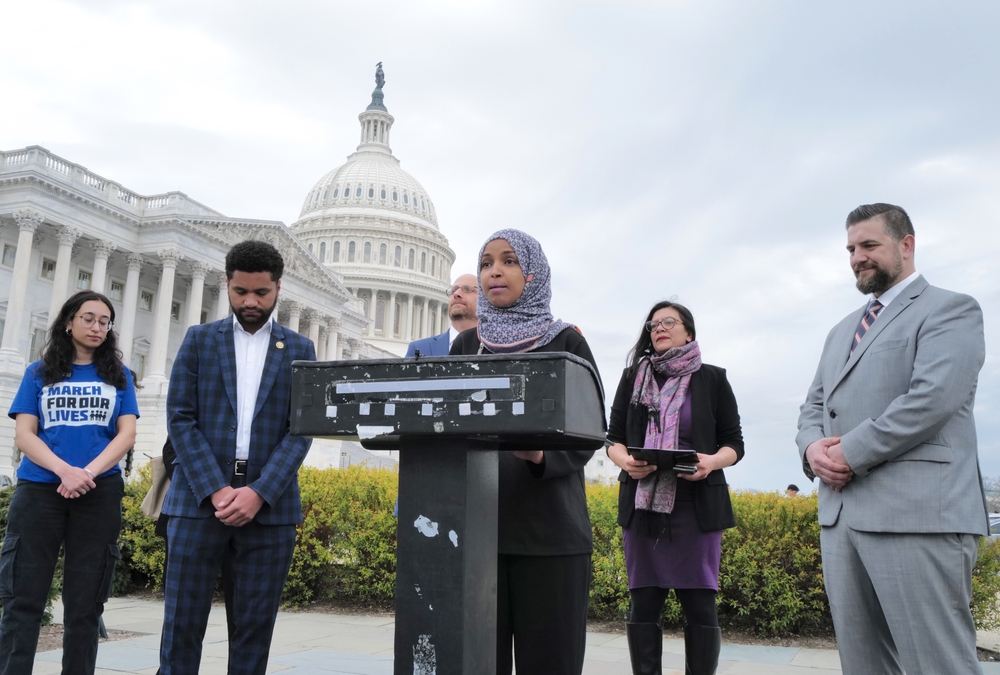
Trump’s criticism of Minnesota’s Somali community has also extended to Democratic Representative Ilhan Omar, who represents the state’s Fifth Congressional District.
Omar, who was born in Somalia and later became a US citizen, has frequently clashed with Trump over immigration, foreign policy and his administration’s political positions. She has become one of the most recognisable Democratic critics of the president.
In comments referenced by the supplied reporting, Trump said Omar could face jail or deportation when questioned about allegations concerning her age. He also described her as “a disgrace to our country.”
These remarks added another political dimension to the dispute surrounding Minnesota’s Somali population. Omar has repeatedly defended Somali Americans against Trump’s criticism and challenged his administration’s immigration policies.
The president’s comments about her should be distinguished from the broader claims in his Thanksgiving message. Criticism of an elected representative and allegations involving particular individuals do not establish wrongdoing by an entire ethnic or immigrant community.
The supplied references also describe continuing political scrutiny of Omar and Minnesota’s Somali community. However, they do not establish a criminal conviction against the congresswoman.
The dispute illustrates how immigration, political identity and allegations of misconduct have become closely connected in the ongoing disagreement between Trump and Democratic leaders from Minnesota.
While Trump’s holiday communication focused heavily on political disputes, Secretary of State Marco Rubio shared a message centred on the opportunities America had provided to its citizens.
Rubio published a video reflecting on the country’s history and the opportunities available to families across generations. His message focused on freedom, opportunity and the possibility of building a better future for children.
“We know how special this country is. It’s the place that gave us freedom. It’s a place that gave us opportunity,” Rubio said in the video.
He continued by discussing how America had allowed parents and grandparents to improve their circumstances and leave future generations better off. His accompanying caption described American citizenship as a unique privilege and encouraged people to appreciate the opportunities available to them.
“Being an American is a gift unlike any ever afforded to any other peoples throughout human history. We have so much to be thankful for. Happy Thanksgiving,” Rubio wrote.
The contrast between the two messages was noticeable. While Rubio emphasised gratitude and opportunity, Trump’s post concentrated on political opponents, immigration enforcement, economic accusations and disputes over government institutions.
Both messages were published during the same national holiday, offering different perspectives on the issues the administration chose to highlight.
Trump’s Thanksgiving Remarks Place Immigration Back In The Spotlight
Trump’s Thanksgiving message covered several subjects that are expected to remain part of America’s political debate, including immigration enforcement, public assistance, government transparency and the relationship between the White House and federal agencies.
His comments about Somali Americans attracted particular attention because they extended criticism of alleged fraud cases to a much wider community. The president’s 2% employment claim was presented without supporting evidence, while his demand for mass removal did not distinguish between different immigration and citizenship statuses.
The economic dispute also raised questions about how federal statistics are interpreted. The Bureau of Economic Analysis confirmed that its third-quarter GDP estimate had increased from 3.4% to 4.3%, but its published explanation attributed the revision primarily to updated information about investment and consumer spending.
For Minnesota’s Somali-American families, the political debate has implications that extend beyond campaign messaging and disagreements between elected officials. Many residents are citizens, workers, business owners and members of local communities who may have little connection to the individual fraud investigations repeatedly cited in political discussions.
The new congressional session will bring further scrutiny of the administration’s policies as Democrats prepare to take control of both chambers in January. Immigration, government spending and economic reporting are likely to remain among the issues attracting attention from lawmakers.
Thanksgiving traditionally brings Americans together around shared meals and family traditions. This year, Trump’s message instead placed a contentious question at the centre of the holiday: who should be considered entitled to belong in the country, and what evidence should determine that decision?