
Your cart is currently empty!
Trump’s Beef Import Plan Could Put His Rural Support To The Test Before The Midterms
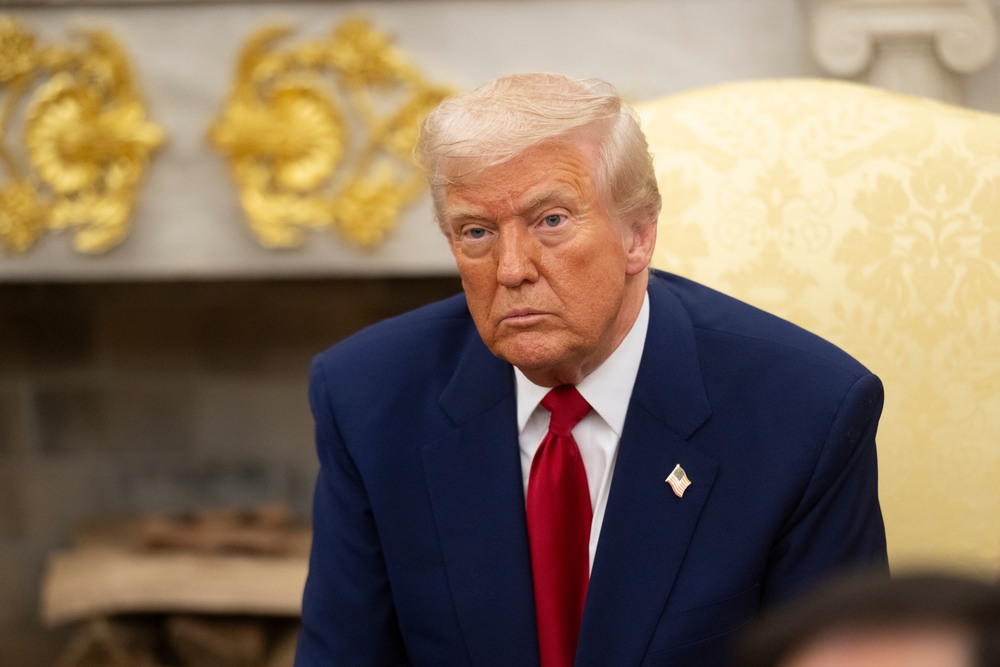
Donald Trump’s latest effort to bring down beef prices could create an unexpected political problem for Republicans heading into the midterm elections. The president’s decision to temporarily lift tariffs on foreign beef inputs covering 300,000 metric tons has sparked anger among cattle producers who believe the move could further squeeze American farmers already dealing with rising costs. For a political coalition built heavily on rural support, the backlash carries risks that extend far beyond the price of a hamburger.
Contents
show
Many of the farmers now criticizing the policy are not longtime Democratic voters. Some backed Trump repeatedly and supported his broader promises on trade and American industry. But rising diesel and fertilizer costs, ongoing international conflicts and uncertainty surrounding trade have changed the mood for some producers. The question facing Republicans is whether frustration over these policies will fade before voters head to the polls, or whether disillusionment among rural voters could weaken the GOP in several closely watched agricultural states.
Farmers Fear Another Hit To Their Profits
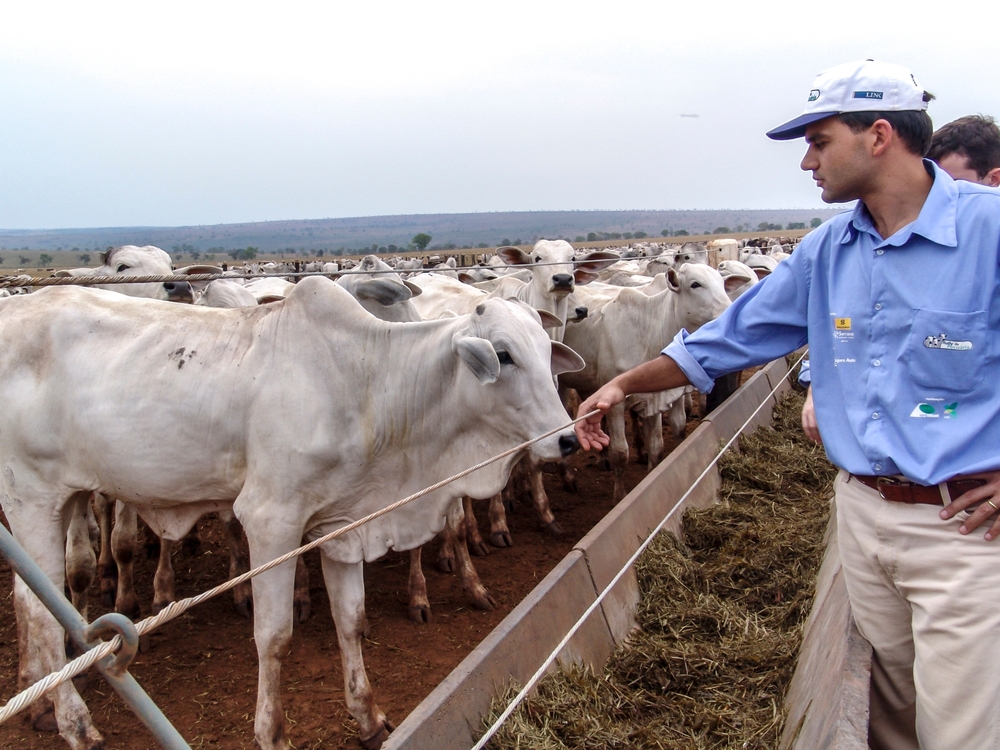
Matt Ubel, a farmer in rural Wheaton, Kansas, said his operation was already under pressure before Trump’s beef decision. Higher diesel and fertilizer prices linked to the war in Iran had increased costs and made it harder to protect profit margins. Ubel, who cares for around 120 cattle and serves as vice president of the Kansas Farmers Union, believes the decision to allow more foreign beef into the market could create another problem for domestic producers who are already struggling with volatile costs and shifting commodity markets.
“This wasn’t about making cheaper groceries for the American people,” Ubel said. “They need to invest in their farmers, not import beef from other countries. They need to make farming sustainable here in the United States.” His criticism reflects a growing concern among some ranchers that government efforts to address food prices could come at the expense of the producers responsible for rebuilding the domestic cattle industry.
The debate is particularly sensitive because the U.S. cattle herd has declined to a multi-decade low. Ranchers face pressure to increase production, yet rebuilding a herd requires time, land, money and confidence that future market conditions will justify the investment. Producers worried about increased competition from imported beef may hesitate to expand if they believe prices could weaken before they have a chance to recover their costs.
For farmers such as Ubel, the argument is not simply about one temporary tariff decision. It is about whether federal policy is creating the conditions needed to keep farming profitable in the United States. The administration wants to address immediate supply problems, while ranchers are focused on whether short-term interventions could undermine the longer-term goal of rebuilding American production.
The White House Says Beef Supply Is The Problem
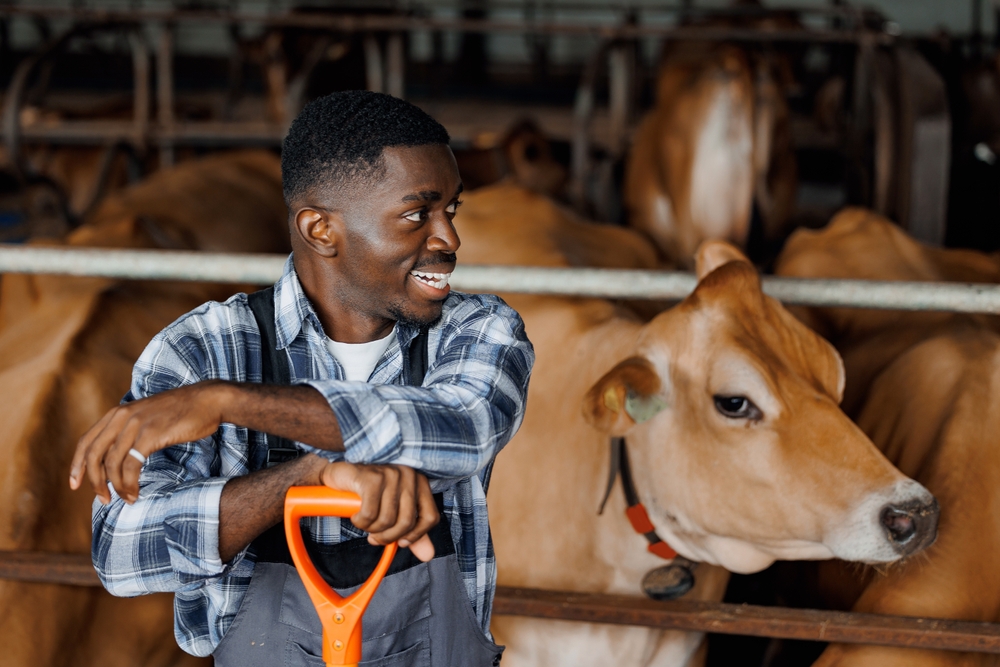
The Trump administration has defended the temporary tariff change by arguing that the United States does not currently have enough beef supply to meet consumer demand. White House spokesman Kush Desai said the action was intended to address short-term needs while the administration works with American ranchers to expand domestic production and grow the country’s cattle herd. The administration’s position is that consumers need relief now, even as the agricultural industry works toward a larger and more sustainable supply in the future.
The challenge is balancing several competing pressures at once. Consumers want lower grocery bills, particularly as affordability remains a major political issue. Ranchers want stronger market signals encouraging them to grow their herds. The federal government also faces the reality that increasing domestic cattle production cannot happen overnight, especially after years of declining herd numbers and difficult conditions for producers.
The administration is effectively trying to manage both the immediate and longer-term sides of the problem:
- Meeting current consumer demand for beef
- Limiting pressure on grocery prices
- Supporting efforts to expand the domestic cattle herd
- Reducing uncertainty for American ranchers and producers
That balancing act has not convinced everyone in the cattle industry. The National Cattlemen’s Beef Association has also pushed back against a separate proposal involving rules that could allow farmers and ranchers to process their own food, arguing that weakening federal meat inspection and food safety standards would not solve the industry’s larger problems. For many producers, the real issue remains how to rebuild the American cattle herd without exposing ranchers to policies that could weaken their financial position.
Nebraska Farmers Are Questioning Their Political Loyalty
Scott Thomsen, a fourth-generation Nebraska farmer and three-time Trump voter, has expressed a level of frustration that could concern Republicans in agricultural states. He said he is now calling it quits with the GOP after becoming increasingly dissatisfied with inflation, government debt, the war in the Middle East and the decision to import additional beef. “We have higher inflation, higher debt, a new war, and we’re not America First when we’re talking about importing beef,” he said.
Thomsen’s concerns did not begin with the beef policy. He had previously worried about the consequences of a prolonged trade conflict, though he initially trusted the Trump administration’s approach to rebalancing trade with China. The situation changed as international events increased costs for agricultural producers and uncertainty continued to surround major export markets. For farmers, trade policy can quickly become personal when it affects the value of crops, the cost of fertilizer or the price they receive for livestock.
He also criticized Republican lawmakers who he believes have failed to challenge Trump directly. “They’ve supported this war. They voted for this debt. They’ve voted for this inflation, so I think me and a lot of people are having a hard time voting for anybody who is in office right now and anybody who’s representing us right now,” Thomsen said. His frustration does not necessarily mean large numbers of rural Republicans will switch parties, but it raises a more immediate concern for the GOP: whether disappointed voters will simply decide not to show up.
That possibility matters in competitive elections, where even a small decline in turnout can change the outcome. Agricultural states including Kansas, Nebraska, Iowa and Wisconsin contain races that could have consequences for control of Congress and state governments. Republicans have traditionally depended on strong participation from rural communities, and the party cannot afford to assume that past loyalty will automatically guarantee future support.
Republican Lawmakers Are Breaking With Trump
The beef import decision has also created visible divisions between Trump and some Republican lawmakers representing cattle-producing states. Nebraska Sen. Pete Ricketts warned that “flooding the market with lower quality beef compromises Nebraska farmers and ranchers.” Sen. Deb Fischer, who is also a cattle rancher, offered a similar criticism, arguing that the policy hurts the livestock industry and weakens the longer-term goal of expanding the U.S. cattle herd.
Kansas Sen. Roger Marshall, a Trump ally seeking reelection, also criticized the decision. “Americans aren’t short on protein options like chicken or pork. What’s short is the signal to US ranchers to grow the herd back,” Marshall wrote. Yet he has also attempted to calm concerns by pointing to the declining national cattle herd and maintaining that cattle markets remain strong. “We just don’t make enough hamburger in this country,” he said.
That leaves Republican politicians in an awkward position. Many want to remain aligned with a president who continues to command significant support among Republican voters, but they also represent farmers and ranchers who are directly affected by federal trade and agricultural policies. Breaking with Trump can create political risks within the party, while remaining silent can anger local producers who expect their representatives to defend their interests.
The disagreement also reveals a deeper divide over how the United States should address high food prices. One side sees additional imports as a temporary way to address shortages and protect consumers. The other believes Washington should focus more heavily on lowering production costs and giving American ranchers a stronger financial incentive to rebuild their herds. That disagreement is becoming increasingly difficult for Republican candidates to avoid as the midterm campaigns intensify.
Kansas Could Become A Political Warning Sign
The issue is already affecting the political conversation in Kansas, where voters are preparing for a competitive gubernatorial race. Ubel said he is divided between Trump-endorsed Republican state Senate President Ty Masterson and Democratic state Sen. Cindy Holscher. Holscher attacked Trump over the tariff decision and criticized Masterson’s response, while Masterson’s campaign later made clear that he disagreed with the president’s approach to importing additional beef.
Garrett Henson, a spokesperson for Masterson’s campaign, said the Republican candidate supports Kansas ranchers and believes lower grocery prices should come through stronger domestic production. “Everyone wants lower prices at the grocery store, and the way to get there is to help American ranchers rebuild the herd, not import foreign beef,” Henson said. The statement reflects the argument now emerging across cattle-producing states: politicians may agree that consumers need relief, but they disagree sharply over how to provide it.
Ubel’s political position is especially notable because he has supported Trump in the past. He voted for Barack Obama in 2012 before backing Trump in the following three presidential elections. Now, he says he is considering voting for Marshall’s Democratic opponent, Rev. Adam Hamilton, a self-described moderate. His dissatisfaction is not limited to Republicans, however, as he has also criticized Democrats and the broader two-party political system.
“If you’re going to represent our state, come talk to me in person,” Ubel said. He later added, “Both parties have lost touch with reality, and I think it’s time that we start voting for people, not the party.” That attitude could prove difficult for candidates who depend on predictable party loyalty. A voter does not have to become an enthusiastic supporter of the opposing party to create problems for an incumbent. Sometimes, uncertainty alone can make an election far more competitive.
Trade Wars Are Adding To Farmers’ Uncertainty
The beef dispute is unfolding alongside wider tensions involving Canada and China, leaving many agricultural producers concerned about the direction of U.S. trade policy. Ubel said the country’s trade conflict with China had already affected his family’s farming decisions. His family purchased its farm in 2015 and typically grows corn, soybeans, wheat and milo, but weaker opportunities in the soybean market pushed them to focus more heavily on corn during the past two years.
Ubel has also questioned the continued escalation of tensions with Canada, which has historically been a major trading partner and neighbor. “I get where we’re trying to come from with all these trade wars, but Canada has historically been a pretty good neighbor, so why do we want to keep ruffling that feather?” he said. Trump’s increasingly hostile language toward Canada has added to concerns among producers who depend on stable international relationships and predictable markets.
In northeastern Kansas, cattleman and independent state House candidate Jack Geiger also criticized the timing of the administration’s beef intervention. He suggested the decision was aimed at preventing the market from gaining momentum before the midterm elections. Geiger argued that farmers were already dealing with inflation and long-term structural problems within American agriculture, including an aging farm population and declining herd numbers.
“The reality is we have an aging farm population,” Geiger said. “We have decreased herd numbers, and we also have consumer demand for protein products that has been increasing dramatically.” Those problems cannot be solved through a single tariff decision. The cattle industry faces a difficult combination of rising production costs, changing consumer demand and a shrinking pool of producers, all while political leaders search for ways to bring down prices before voters head to the polls.
Trump’s Rural Coalition Faces A Serious Test
Trump’s political strength has long depended on deep support in rural America, where his promises on trade, deregulation and American industry have resonated with farmers and ranchers. The current beef dispute does not mean that support has suddenly disappeared, and many producers will continue backing Trump and Republican candidates. But the anger coming from some longtime supporters shows that political loyalty has limits when voters believe their livelihoods are being affected by policies they oppose.
The White House maintains that the temporary increase in imported beef is necessary because domestic supply cannot currently meet demand. Ranchers who oppose the policy believe the government should be doing more to reduce their costs and encourage domestic production instead. Both sides agree that the American cattle herd needs to grow, but they remain divided over whether importing additional beef helps solve the problem or makes rebuilding the industry more difficult.
For Republicans heading into the midterms, that disagreement could become a problem in states where agricultural voters play a major role in close elections. Farmers such as Ubel and Thomsen may not represent every rancher in America, but their frustration exposes a weakness in the GOP’s political message on affordability and American production. If rural voters begin questioning whether either party is listening to them, candidates may discover that winning farm country requires more than simply relying on past political loyalty.