
Your cart is currently empty!
Two Deaths Reported As Weight-Loss Jabs Face Fresh Safety Questions

Weight-loss injections have rapidly become one of the most sought-after medical treatments in the UK, helping thousands of people lose significant amounts of weight and improve obesity-related health conditions. But fresh government figures have also drawn attention to the medicines’ safety after two deaths in Northern Ireland were reported to regulators as being potentially linked to the increasingly popular injections.
Contents
show
The cases form part of more than 500 suspected adverse drug reaction reports involving GLP-1 medications, including Mounjaro, Wegovy and Ozempic, submitted over the last two years. Health officials stress that these reports do not prove the medicines caused the deaths. Even so, the figures have reignited discussion about the risks, benefits and long-term safety of drugs that millions of people are now using for weight loss and diabetes treatment.

Two Deaths Were Reported Among More Than 500 Suspected Drug Reactions
The figures emerged following a Freedom of Information request that revealed 511 suspected adverse drug reaction reports relating to GLP-1 medicines had been submitted to the Medicines and Healthcare products Regulatory Agency (MHRA) from Northern Ireland during 2024 and 2025. While the overwhelming majority of people using these medications experience either no serious complications or only mild side effects, two of the reports involved fatalities that were considered potentially linked to the drugs.
The data shows one fatal report involved Mounjaro, the brand name for tirzepatide, while the other involved an unspecified semaglutide medication. Semaglutide is the active ingredient found in Wegovy, Ozempic and Rybelsus. The patients were a man and a woman, one in their 40s and the other in their 60s, although the released documents do not specify which age belonged to each case.
The MHRA was quick to caution against assuming the medicines were responsible for either death. The regulator explained that reports submitted through its Yellow Card system are designed to highlight suspected adverse reactions and allow experts to monitor medicine safety, but they do not establish a direct cause-and-effect relationship. Other medical conditions or unrelated circumstances may ultimately explain the reported events.
An MHRA spokesperson said: “A report of a suspected reaction does not necessarily mean it has been caused by the medicine, only that the reporter had a suspicion it may have.” The agency added that underlying illnesses or coincidental events could also account for many reports, which is why every case is assessed before any conclusions are drawn.
What The New Safety Data Reveals
Although the two reported deaths have attracted the most attention, they represent only a small part of the wider dataset released by the MHRA. Of the 511 suspected adverse drug reaction reports submitted over the two-year period, 242 were classified as serious while 267 were considered non-serious. One serious report also involved a child aged nine or younger.
The majority of reports were submitted during 2025 rather than 2024. According to the figures, only 53 reports were recorded during 2024, while that number increased sharply to 458 in 2025. Healthcare professionals submitted around 82% of all reports, with the remainder coming directly from patients or members of the public through the Yellow Card reporting scheme.
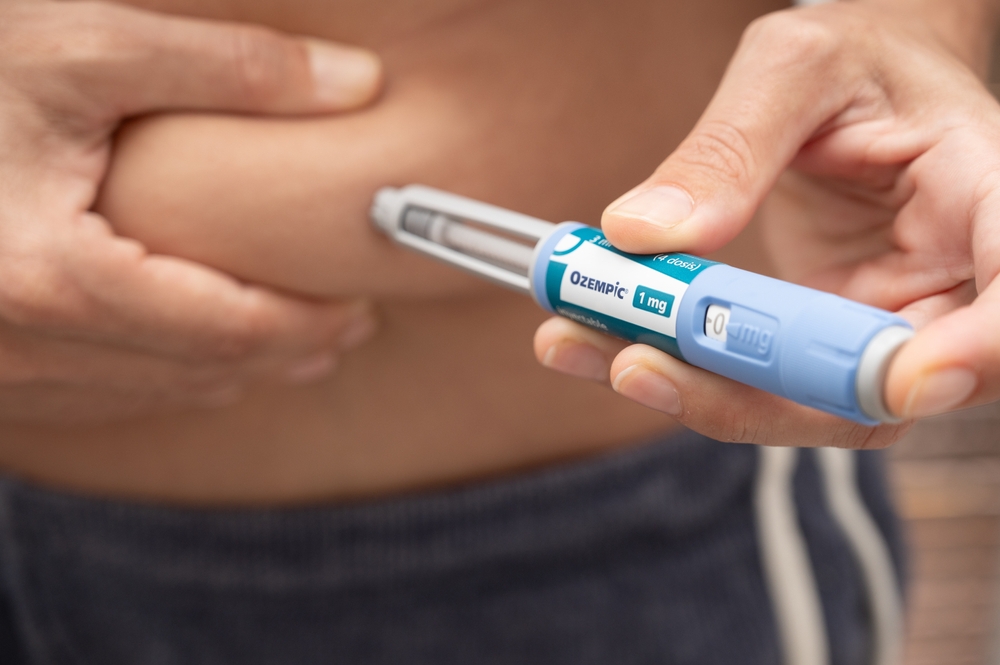
The breakdown by medicine also reflects the growing popularity of different GLP-1 treatments. Mounjaro accounted for 317 suspected adverse reaction reports, making it the medicine with the highest number of submissions. Wegovy was linked to 135 reports, while Ozempic accounted for 12. The MHRA notes that each Yellow Card report can include multiple suspected reactions experienced by a single patient, meaning the figures represent reports rather than individual side effects.
Regulators say these numbers should be viewed alongside the rapid increase in prescribing and private use of GLP-1 medicines across the UK. As more patients begin treatment, a higher number of suspected reactions is expected simply because more people are taking the medications, making continued safety monitoring an essential part of the approval process.

Experts Say Rising Reports Reflect Growing Use Of Weight-Loss Drugs
Medical experts say the increase in suspected side effect reports should be viewed in the context of the enormous rise in the number of people now using GLP-1 medications. According to recently published research by University College London, an estimated 1.6 million adults across England, Scotland and Wales used these drugs for weight loss between early 2024 and early 2025. As prescriptions and private treatment have expanded, regulators have naturally received more reports through the Yellow Card scheme.
Professor Alex Miras, Clinical Professor of Medicine at Ulster University, said he was not surprised by the growing number of reported side effects. He explained that GLP-1 medicines have been used to treat type 2 diabetes for around two decades, meaning doctors already have a good understanding of their common safety profile. The difference today is that the medicines are now being prescribed to a much larger group of patients seeking treatment for obesity.
“So, the reason why we are hearing both the good things and the bad things about these drugs more often is purely because many more people in society are being treated with them,” Miras told the Nolan Show. His comments reflect the view shared by regulators that an increase in reports does not automatically indicate a newly identified safety issue, but rather a consequence of wider use across the population.
The MHRA also noted that newer medicines are monitored more intensively than older treatments so any emerging risks can be identified as early as possible. Officials said patient safety remains their highest priority and confirmed they will continue reviewing every Yellow Card report submitted by healthcare professionals and members of the public.
Doctors Continue To Warn Patients About Serious Side Effects
While many patients experience only mild digestive symptoms, doctors continue to warn that rare but serious complications can occur. Among the 511 reports released from Northern Ireland were six suspected cases of acute pancreatitis. Three were linked to Mounjaro, one involved Ozempic and two were associated with unspecified semaglutide medicines.
Earlier this year, the MHRA issued updated guidance warning healthcare professionals and patients about the potential risk of acute pancreatitis while taking GLP-1 medicines. The condition causes inflammation of the pancreas and can require emergency medical treatment. Gallstones, which are already recognised as a possible side effect of these medicines, are one of the most common causes of pancreatitis.
Joanne McMullan, who runs a weight-loss clinic at Portaferry Pharmacy, said patients are carefully advised about both common and rare side effects before beginning treatment. She explained that bloating, nausea and digestive discomfort are frequently reported when starting Mounjaro or increasing the dose, but these symptoms often improve as treatment continues.
She also encourages patients to seek immediate medical advice if they develop symptoms that could indicate gallbladder disease or pancreatitis. “I am concerned about the longer-term side effects because we don’t yet have any data on people using them for many years,” McMullan said, highlighting one of the biggest unanswered questions surrounding these medicines as their popularity continues to grow.

Many Patients Still Credit The Drugs With Transforming Their Lives
Despite the renewed attention on safety, many clinicians say GLP-1 medicines have delivered life-changing results for patients struggling with obesity and obesity-related illnesses. McMullan said she has seen patients dramatically improve their mobility, fitness and overall health after beginning treatment, with one woman losing more than five stone before becoming eligible for a knee replacement operation.
She said many patients who were previously unable to exercise are now walking regularly and living far more active lives. “People who were sedentary can now do exercise,” she explained, adding that the improvements in quality of life have been significant for many of those attending her clinic. While she believes long-term monitoring remains essential, she said the benefits currently outweigh the risks for many appropriately selected patients.
Drug manufacturers have also defended the safety of their medicines. Eli Lilly, which produces Mounjaro, said patient safety is its “top priority” and encouraged healthcare professionals and patients to continue reporting suspected side effects through the MHRA’s Yellow Card scheme. Novo Nordisk, the company behind Wegovy and Ozempic, similarly stressed that its medicines should only be used for their approved indications under the supervision of a healthcare professional.
As the use of weight-loss injections continues to expand across the UK, regulators will keep closely monitoring new safety reports while researchers gather longer-term evidence. For now, health officials continue to emphasise that suspected adverse reaction reports should not be mistaken for proof that a medicine caused an illness or death, but they remain an important tool for identifying genuine safety concerns as millions more patients begin treatment.