
Your cart is currently empty!
UK Approves Lifetime Cigarette Ban for Anyone Born After 2008

Imagine a future where buying a pack of cigarettes is not just heavily discouraged, but entirely impossible for a whole generation. For decades, smoking has been a familiar habit and a massive public health challenge across the globe. Now, the United Kingdom is taking an unprecedented step to break that cycle completely. By setting a strict cutoff for anyone born after 2008, lawmakers are trying to stop the physical and financial toll of tobacco before it even has a chance to take root. This bold move promises to change how young people interact with nicotine, forcing the rest of the world to watch and wonder if a truly smoke-free society is finally within reach.
Contents
show
How the New Tobacco and Vapes Bill Works

The UK Parliament recently passed the Tobacco and Vapes Bill, bringing a massive change to the country’s health laws. If a person was born on or after January 1, 2009, they will never be allowed to buy tobacco in the UK. Instead of making smoking illegal for everyone overnight, the government is gradually raising the legal age to buy cigarettes. Starting in 2027, the age limit will go up by one year, every year. This means today’s youth face a lifelong ban on purchasing tobacco.
This new rule gives the UK some of the toughest anti-smoking laws in the world. The main goal is simple: stop young people from getting hooked on nicotine in the first place. Smoking is still the top preventable cause of death and illness in the country, taking about 80,000 lives every year. Treating these illnesses also costs a lot of money. In 2023 alone, the financial strain on the National Health Service and public finances hit an estimated 21.9 billion pounds.
Health Secretary Wes Streeting praised the new law upon its passage. He stated, “This is a historic moment for the nation’s health. Children in the UK will be part of the first smoke-free generation, protected from a lifetime of addiction and harm.” He added that preventing the habit is better than curing the illnesses it causes, noting the reform will save lives and ease pressure on hospitals. By cutting off access early, lawmakers hope to drastically lower the 400,000 hospital visits linked to smoking in England each year.
Cracking Down on Youth Vaping and Retail Fines
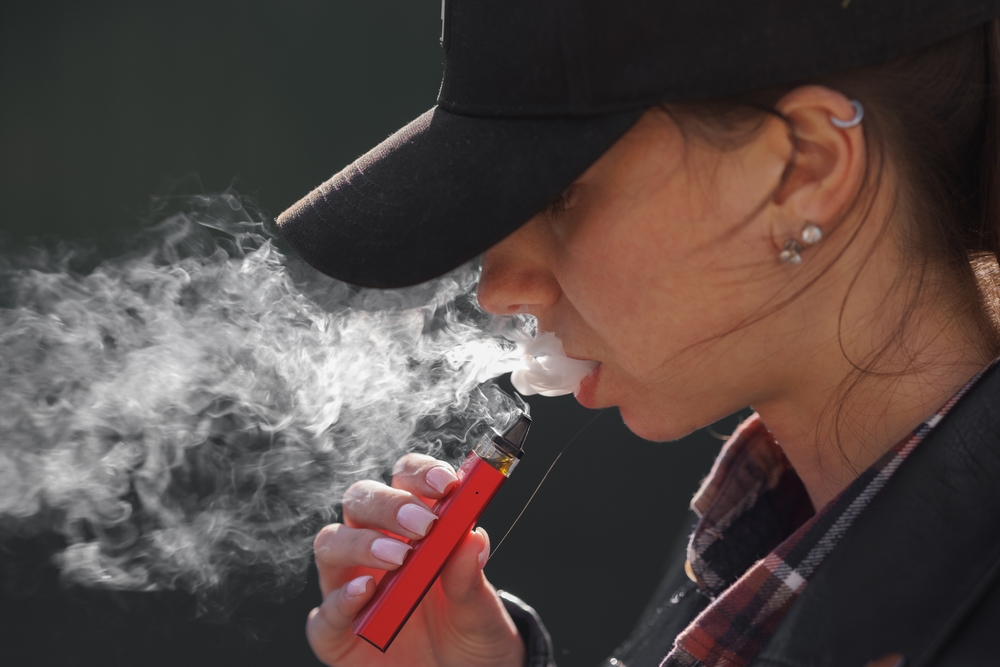
The new legislation goes beyond traditional cigarettes to tackle another growing concern: the rapid rise in youth vaping. While health experts acknowledge that vapes can be a helpful tool for adults trying to quit smoking, the appeal of these devices to teenagers has become a serious public health issue. The Tobacco and Vapes Bill aims to fix this by making nicotine products far less attractive and accessible to children.
A major part of the new law is a complete ban on single-use, disposable vapes, which is set to take effect in June 2025. These cheap, easily available products have been a massive driver of teen nicotine use and also create significant plastic waste in the environment. Furthermore, the government now has the power to place strict limits on the sweet flavors, bright packaging, and prominent store displays that deliberately catch the eyes of young buyers. The law also closes existing loopholes by completely banning free vape giveaways and vending machine sales.
To make sure these rules are actually followed, the government is introducing tougher penalties for store owners. Retailers caught selling tobacco or vape products to underage customers will face an immediate 200-pound on-the-spot fine. This allows enforcement officers to take swift action against irresponsible sellers.
The message from health leaders is clear and balanced. As Professor Sir Chris Whitty, the Chief Medical Officer for England, stated, “If you smoke, vaping is much safer; if you don’t smoke, don’t vape; marketing vapes to children is utterly unacceptable.” By tightening these regulations, the UK hopes to protect the next generation from simply trading one form of nicotine addiction for another.
A Smoke-Free Generation or a Black Market Boom?

The journey to pass this historic law was far from simple. Originally introduced by former Prime Minister Rishi Sunak, the legislation was temporarily paused due to a general election. However, the newly elected Labour government quickly brought it back to the table, showing a rare moment of strong agreement across different political parties. The bill cleared both the House of Commons and the House of Lords with massive majorities. Health Minister Baroness Gillian Merron celebrated the achievement, stating, “This is a landmark bill that will create a smoke-free generation, and it will be the biggest public health intervention in a generation.”
Despite this overwhelming support, the law sparked intense debate. Critics argue that the ban limits personal freedom and dictates what adults can do with their own bodies. Some politicians pointed out the confusing reality the law will create in the future. Decades from now, a 35-year-old might be legally allowed to buy a pack of cigarettes while a 34-year-old standing right next to them cannot, creating two different classes of citizens with different rights.
There are also serious concerns about crime. Opponents warn that cutting off the legal supply could lead to a massive boom in the black market. Illegal, untaxed cigarettes are already a problem, and critics fear this ban will only make smuggling worse, putting money directly into the hands of organized crime networks. In response to these worries, the government has promised to increase funding for border control and local law enforcement to crack down on illegal sales.
Will the World Follow Britain’s Lead?
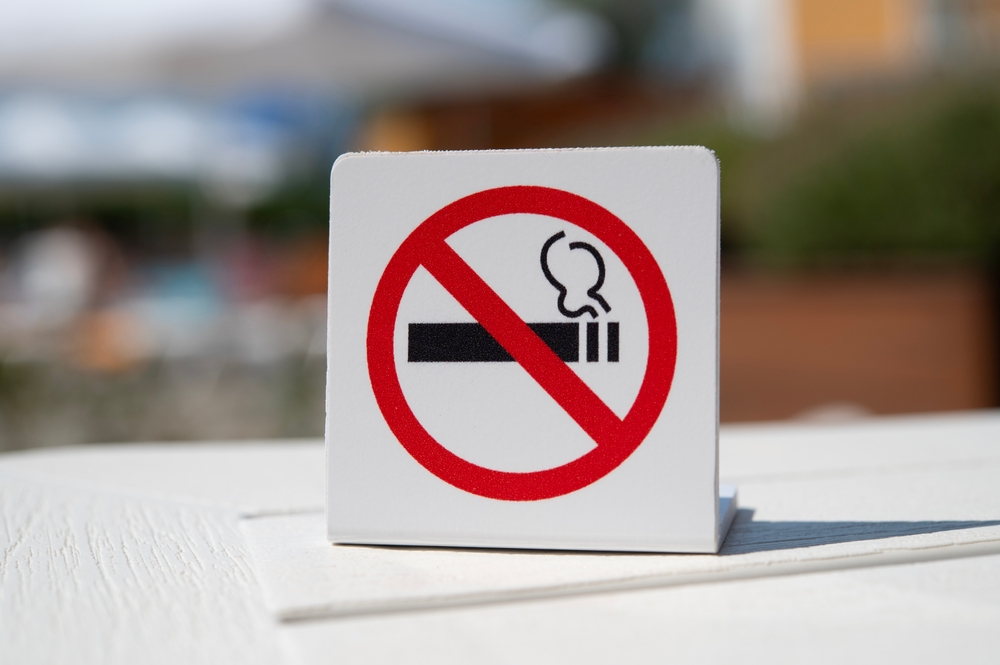
The UK’s bold legislative move has drawn significant attention from the international community and widespread praise from major health organizations. For decades, advocates have fought to reduce the devastating impacts of tobacco, and many view this new law as the final step in a long battle. Hazel Cheeseman, chief executive of the charity Action on Smoking and Health, captured this sentiment clearly. She celebrated the passage by stating that the end of smoking, and the devastating harm it causes, is no longer uncertain, it is inevitable.
Major groups like Cancer Research UK have long pointed out that smoking remains the leading cause of cancer in the country, affecting roughly 6.4 million adults. By removing the option for future generations to even start, the government is directly tackling the root cause of these health crises. Medical professionals emphasize that it is far better to protect children from picking up a habit than to treat the resulting diseases decades later.
On a global scale, the UK is now serving as a critical test case. While the World Health Organization continually labels tobacco use as one of the biggest public health threats in history, very few nations have implemented a strict generational ban. New Zealand passed a similar law in 2022, but a subsequent change in government led to its repeal. This reversal leaves the UK standing as the primary global pioneer for this specific type of legislation. If successful, health experts believe the UK model could inspire other countries to adopt similar rolling age limits, potentially reshaping global public health policies.
The passing of the Tobacco and Vapes Bill is more than just a new set of rules; it marks a massive shift in how society views health and addiction. For decades, smoking was a normal part of daily life. Now, the UK is drawing a hard line to ensure that future families do not carry the same physical and financial burdens. It is a bold promise to protect children, allowing them to grow up in environments where tobacco is no longer an easy temptation.
While the law focuses heavily on the youth, it also serves as a strong reminder for adults who currently smoke. The legislation does not punish those already dealing with addiction. Instead, it highlights the urgent need for accessible quit-smoking programs and community support. Health experts continue to urge current smokers to use this moment as motivation to seek help, whether through local health services or nicotine replacement therapies.
Creating a smoke-free society requires more than just government action. It asks parents, teachers, and communities to have open conversations with young people about the real dangers of nicotine. By staying informed and supporting local health initiatives, everyone can play a role in this transition. The UK has taken a historic step forward, but the true success of this law relies on a shared commitment to building a healthier life for the next generation.