
Your cart is currently empty!
Ukraine Battlefield Robots: How Machines Are Replacing Soldiers
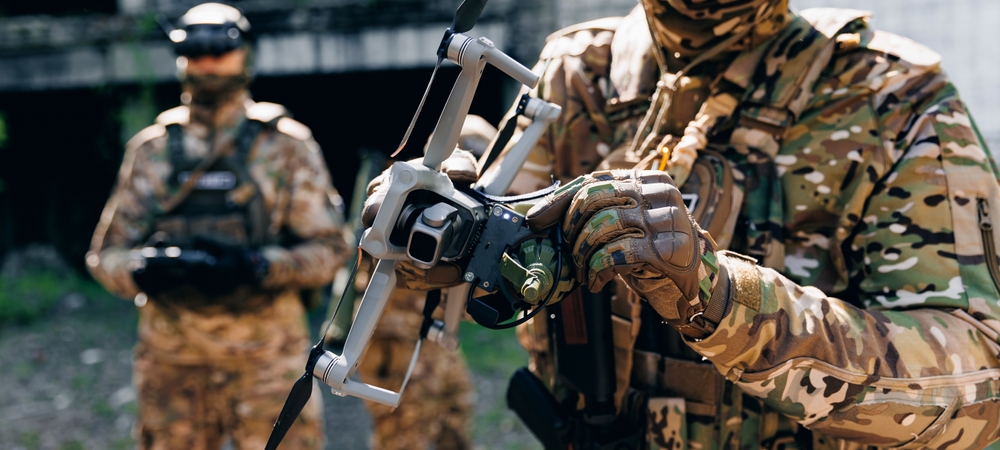
The frontlines of modern conflict have always been defined by grueling conditions and a heavy toll on human life. Yet, amidst the mud and constant artillery fire in Eastern Europe, a quiet revolution is taking shape to protect those in uniform. Confronted with intense battles and the constant threat of casualties, military forces are shifting their reliance from flesh and blood to metal and circuits. Unmanned ground machines are now rolling into the most treacherous zones, taking on missions that were once considered impossibly dangerous for human infantry.
Contents
show
The Dawn of Automated Frontlines
Warfare is changing rapidly on the ground in Ukraine. To protect their troops, military leaders are now using remote-controlled ground robots to do the dangerous work usually assigned to human soldiers. This is happening right now, saving lives in some of the most difficult combat environments.
In the first three months of 2026 alone, Ukrainian forces used these robotic systems for more than 22,000 frontline missions. Instead of sending people into high-risk areas, the military relies on machines for tasks like clearing landmines, rescuing wounded soldiers, and even leading direct combat assaults. This approach keeps soldiers out of the direct line of fire.
Mykola Zinkevych, a commander in Ukraine’s Third Separate Assault Brigade, highlighted why this strategy is so important. He told CNN that human life is priceless, but robots do not bleed. He explained that building and using more of these ground systems is the best way for the military to gain an edge without losing more personnel.
The results have been clear on the battlefield. In one case, a single ground robot with a mounted machine gun managed to hold off enemy attacks for 45 days. It only needed basic maintenance and a battery recharge every two days. Looking ahead, Defense Minister Mykhailo Fedorov has set a goal for machines to handle all frontline logistics. Using robots in combat is a practical way to deal with troop shortages while prioritizing the survival of human soldiers.
Scaling Up the Robotic Ranks
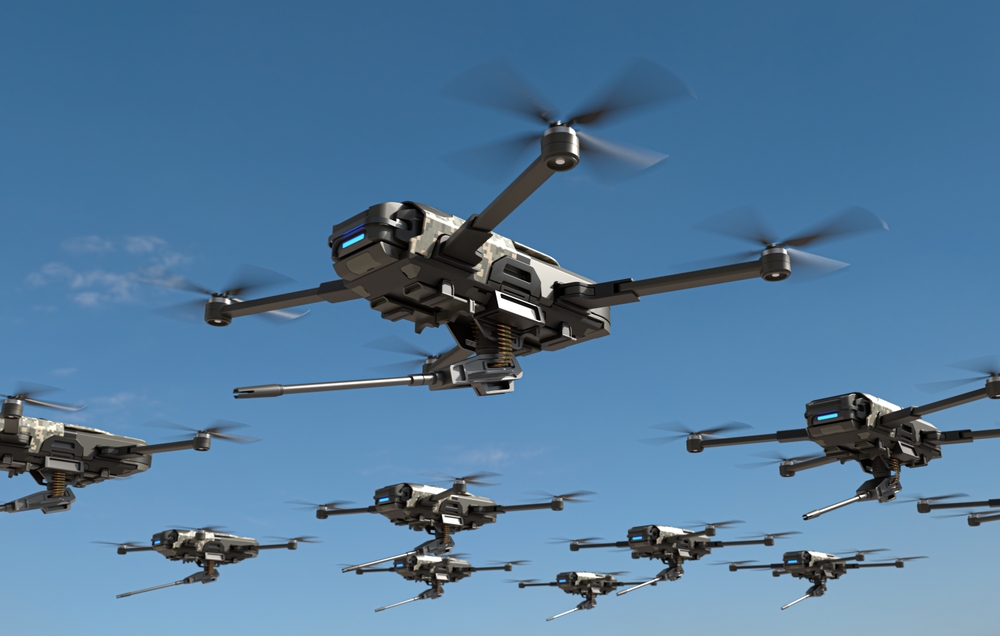
To meet the intense demands of the conflict, Ukraine is rapidly expanding its mechanical workforce. In the first half of 2026, the Ministry of Defense announced plans to acquire 25,000 new unmanned ground vehicles. This massive order is twice the total number of systems purchased during the entire previous year, signaling a major shift in how the military equips its forces.
This expansion is backed by serious investment. The national defense procurement agency recently signed contracts worth 11 billion hryvnias, or about 268 million dollars, with domestic manufacturers. The goal is to establish a reliable supply chain that can keep up with the daily needs of frontline units. A new specialized center is also being created to help military leaders and tech builders coordinate their efforts more smoothly.
These machines are taking on a wide variety of daily tasks. In March 2026 alone, Ukrainian forces completed over 9,000 logistics and medical evacuation missions using these ground platforms. By handling supply runs and rescues, the robots are keeping human troops safely inside their trenches and bunkers.
Different models serve specific needs on the battlefield. For example, a ground drone known as the Termit is designed to carry up to 300 kilograms of weight. It is widely used to transport heavy ammunition, deliver food and water, and evacuate wounded soldiers across difficult terrain. While highly capable, these systems are not fully independent. They still require human crews to operate them from a safe distance. As Captain Oleksandr Yabchanka told the Kyiv Independent, the military has not yet reduced personnel, but they have successfully reduced the risk to those who serve.
Redefining Rescue and Combat
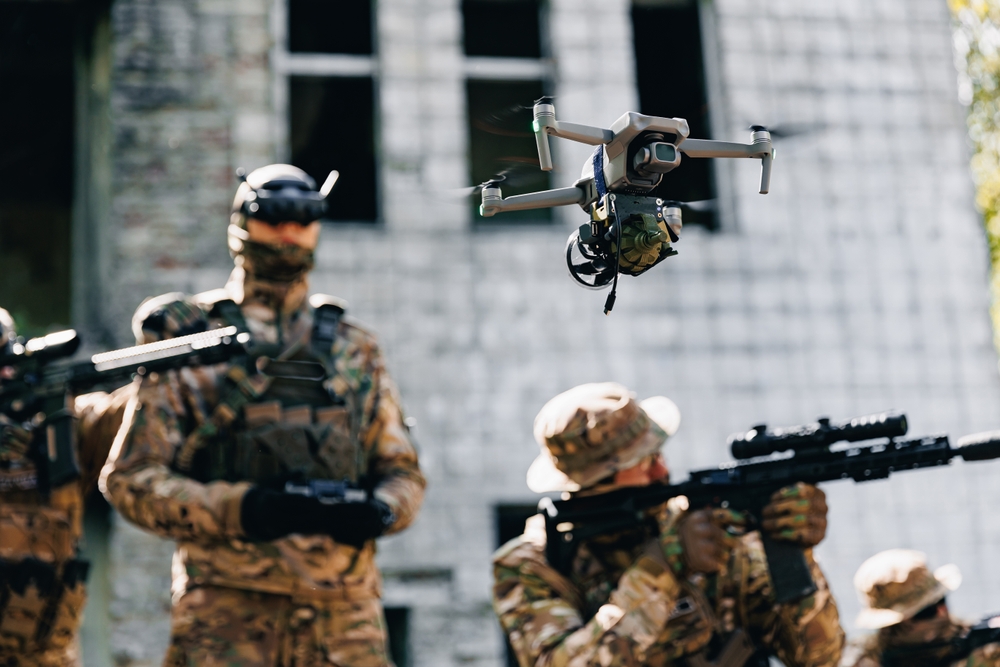
The daily reality for soldiers in heavily contested areas has completely shifted. In frontline cities like Pokrovsk, unmanned ground vehicles now handle up to 90 percent of all supply deliveries. Instead of humans carrying heavy backpacks under constant fire, machines navigate the mud and snow to bring food, water, and ammunition directly to the trenches.
Beyond basic logistics, these vehicles are performing incredible acts of medical rescue. In one remarkable case, a robotic system successfully traveled deep into hostile territory to evacuate a wounded Ukrainian soldier. The injured troop was placed inside a specialized armored capsule mounted on the robot. The machine then drove him safely back to base, surviving a mine blast and aerial attacks along the way. This capability transforms medical evacuation from a highly lethal mission for human medics into a much safer mechanical operation.
Recently, the military recorded a historic moment where enemy troops surrendered entirely to unmanned systems. During an operation in the Kharkiv region, a fleet of ground and aerial drones overwhelmed a Russian position. With no human infantry present, the opposing soldiers laid down their weapons and were physically guided to capture by the robots. President Volodymyr Zelenskyy highlighted this event as a major milestone, noting that a hostile position was taken without risking a single Ukrainian soldier. These real world applications show how machines are not just supporting the troops, but actively taking over the most dangerous elements of war.
The Tech Keeping Drones Functional Even Under Signal Attack
Operating a remote controlled vehicle in a war zone is incredibly difficult. The connection between the human operator and the machine is constantly targeted by enemy electronic jamming. When the signal drops, a robot can become completely useless on the battlefield.
To solve this major problem, Ukrainian tech companies are finding new ways to keep these machines moving. Through a defense technology program called Brave1, hundreds of developers are working together to upgrade the fleet. They are moving beyond basic radio controls and using different methods to stay connected. This includes satellite links and even physical fiber optic cables that cannot be hacked or jammed from the air.
When the connection is completely lost, basic artificial intelligence is stepping in to help. New systems are being equipped with machine vision. This technology allows the robot’s onboard computer to look at the surrounding geography, recognize where it is, and continue its mission safely without a human steering it.
These upgrades are crucial for systems like the Ratel H, a small and fast ground drone used to carry explosives directly to enemy bunkers. By making the platforms smarter and harder to hack, the military ensures that dangerous missions are completed even when communication lines go completely dark.
The Paradox of Remote War
The integration of unmanned ground vehicles in Ukraine represents a permanent shift in how modern conflicts are fought. While military experts note that machines cannot fully replace infantry when it comes to clearing urban buildings or holding captured territory, their current impact is undeniable. By taking over the most dangerous tasks in the combat zone, these robots are directly addressing critical troop shortages and redefining the limits of battlefield endurance.
As the conflict continues, the focus remains on rapidly prototyping, testing, and mass producing systems that keep personnel out of harm’s way. President Volodymyr Zelenskyy recently summarized the core philosophy behind this technological push, stating, “This is about high technology protecting the highest value: human life.”
The battlefield of the future will rely on a unified network where ground robots, aerial drones, and human operators work as a single, coordinated system. Ukraine’s approach proves that investing in automated defense is no longer just a theoretical concept. It is a practical, life saving necessity that will dictate the survival and success of military forces worldwide for decades to come.