
Your cart is currently empty!
UndoTrump.org Wants To Reverse Trump’s Name Being Plastered Across America
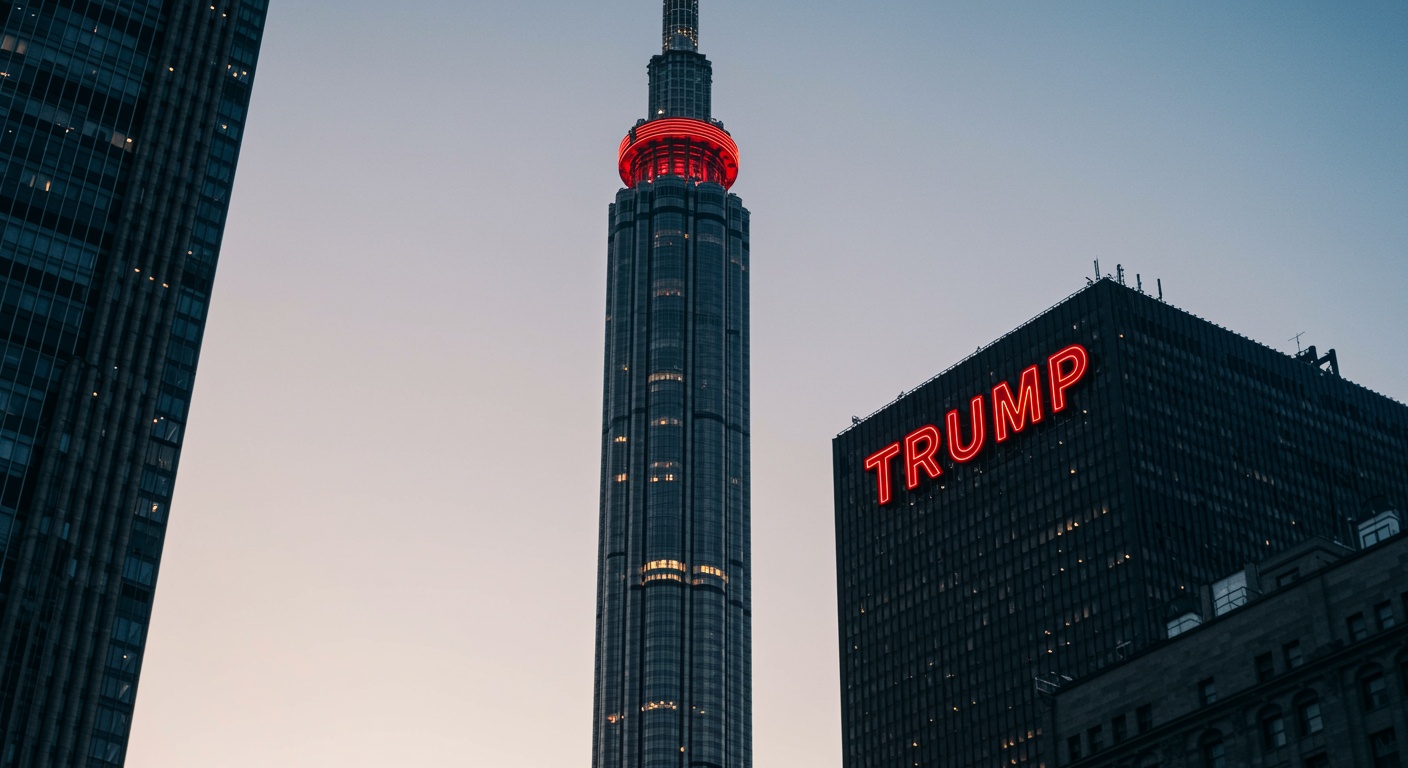
For decades, the United States has followed a familiar rhythm when it comes to honoring presidents. Names are added to airports, bridges, memorials, and institutions, but usually only after time has passed and emotions have settled. These decisions tend to reflect a collective judgment shaped by history rather than the ambitions of a leader still in power. That slow pace has long helped maintain a sense that public spaces belong to the nation, not to any one individual.
Contents
show
That expectation is now being challenged in a way that has sparked growing attention and unease. During Donald Trump’s second term, his name, likeness, and signature have appeared across a wide range of federal buildings, initiatives, and symbolic spaces at a pace rarely seen before. In response, a former Trump administration official has reportedly launched UndoTrump.org, a website dedicated to removing his name from public institutions and objects. The idea has quickly caught attention online, not just because of who it targets, but because of what it represents about power, identity, and the role of public symbols.
BREAKING: You can sign-up NOW to see Trump’s name removed from federal buildings. https://t.co/DyD8Xi4EyL
— peter hurst (@phurstclass) April 2, 2026
America Has Always Named Things After Presidents
The United States has never avoided honoring its leaders through naming. From Ronald Reagan Washington National Airport to John F Kennedy International Airport, from the Lincoln Memorial to an entire state named after George Washington, the country is filled with reminders of past presidents. These names often become so embedded in everyday life that people rarely question how they got there in the first place. They reflect a long tradition in which recognition is tied to legacy rather than immediacy, and where time acts as a filter for how leaders are remembered.
What makes the current situation feel different is not the act itself, but the timing and scale. Traditionally, these honors are granted after a presidency has ended, allowing space for reflection and debate. In Trump’s case, many of the changes have occurred while he is still in office, often driven by his administration or political allies. That shift has made the process feel less like recognition and more like something deliberate and immediate, raising concerns about whether public institutions are being used to reinforce a personal image.
This distinction has led to a broader conversation about whether public institutions should carry the name of a sitting president at all. The expectation of distance between power and commemoration has long been part of American political culture, helping ensure that honors feel earned rather than imposed. Removing that distance changes how those honors are perceived and has made the conversation around naming far more politically charged than usual.
The Expansion of Trump’s Name Across Public Life
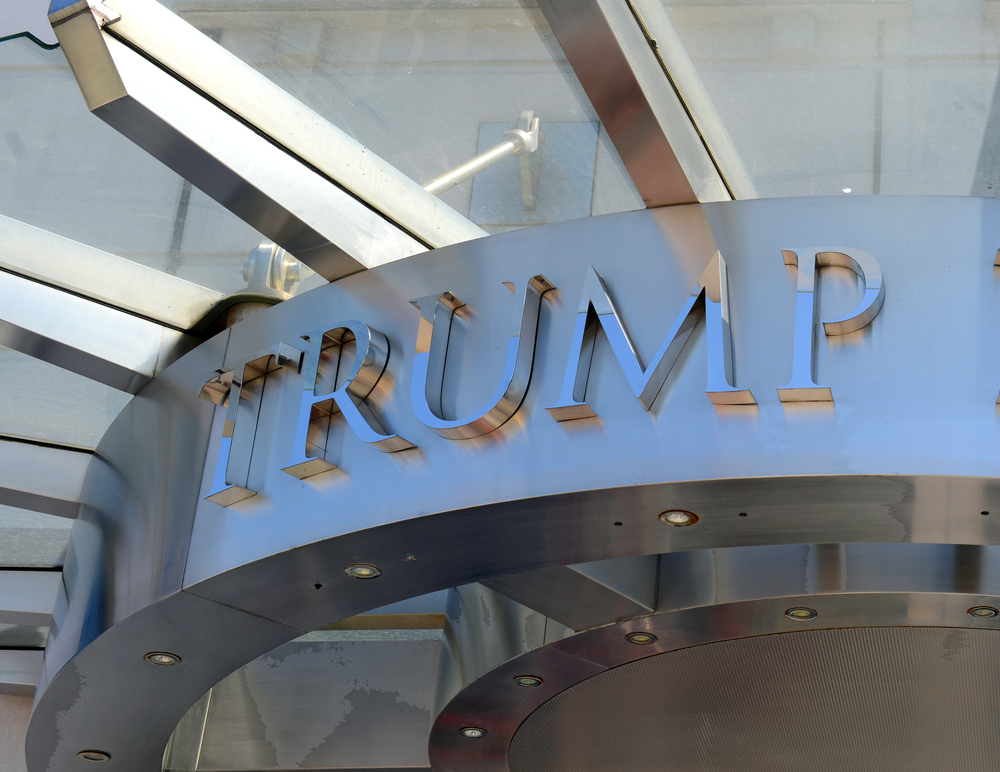
During his second term, Trump’s name has appeared across a wide range of initiatives and institutions in ways that critics say feel unusually extensive. Among the most discussed developments is TrumpRx, a prescription drug website launched under his name. Reports have noted that the platform listed a relatively small number of medications, many of which were available elsewhere at lower prices, adding to questions about whether the branding outweighed the practical benefit.
There has also been the announcement of a new “Trump class” of battleships, described by Trump as the “largest we’ve ever built”. A Pentagon press release pointed out that battleships have not been used in combat for 35 years, which raised further questions about whether the move was driven more by symbolism than by military necessity. The scale and naming of such projects have added to the perception that branding is playing a central role.
Other changes have involved established institutions. The US Institute of Peace was renamed the “Donald J Trump United States Institute of Peace”, with a spokesperson describing it as “a powerful reminder of what strong leadership can accomplish for global stability”. Shortly after, Trump launched a war on Iran, a development that complicated how the renaming was interpreted and discussed publicly.
Cultural Institutions and Symbolic Power
One of the most talked about changes involves the John F Kennedy Center for the Performing Arts. After Trump installed himself as chair by appointing a new board, the center was renamed to include his name. The new signage was added quickly, with wording that reportedly did not fully match the existing design, and the decision is now subject to a legal challenge. The speed of the change has made it a focal point for critics who see it as an example of how quickly institutional identity can be reshaped.
Moments like this highlight how symbolic these institutions are. Cultural venues are often seen as spaces that belong to the public rather than to any political figure, representing shared values rather than individual leadership. When they are renamed during an active presidency, the shift can feel personal in a way that goes beyond policy and enters the realm of identity.
There have also been visible displays of Trump’s image across government buildings, including large banners described as Soviet style. Kim L Scheppele, a professor of sociology at Princeton University, explained the significance of such imagery by saying, “It is rare for public places to be plastered with pictures and names of a sitting president.” She added, “Especially when that president [is the one who] has himself ordered his image and name to be displayed everywhere.” These observations have been widely shared as part of the broader discussion.
Political Reactions and Internal Dynamics
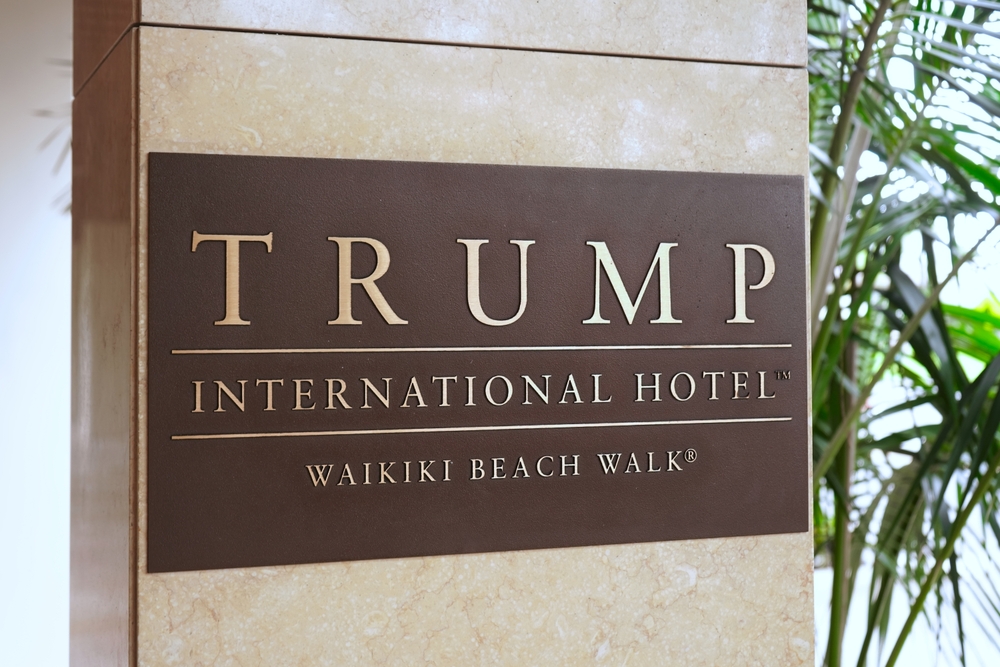
Within political circles, reactions to these developments have varied. Some Republican figures have supported or encouraged further recognition, viewing it as a way to reinforce Trump’s influence and legacy. Proposals have included carving Trump’s face into Mount Rushmore and naming an airport after him, reflecting a willingness among allies to expand his presence across national symbols.
At the same time, some analysts have focused on what this says about internal political dynamics. Steven Levitsky, a political scientist at Harvard University, said, “There are lots of narcissists in politics. Most of them are constrained by politicians in their party, or by advisers or cabinet members who say: ‘This isn’t really done, this isn’t such a good idea, this is not going to benefit us.’ But Trump is unconstrained by his cabinet, by his advisers, by his party.” His comments point to the absence of traditional limits that might otherwise shape decision making.
He continued, “Republican politicians learned that the way you get ahead today in 2026 in the Republican party is to please Donald Trump. And it became clear during the second term that one of the things that pleases the boss is to have his name and his face on things.” These remarks have contributed to a wider understanding of how internal incentives may be influencing public actions.
Currency, Coins, and Everyday Symbols
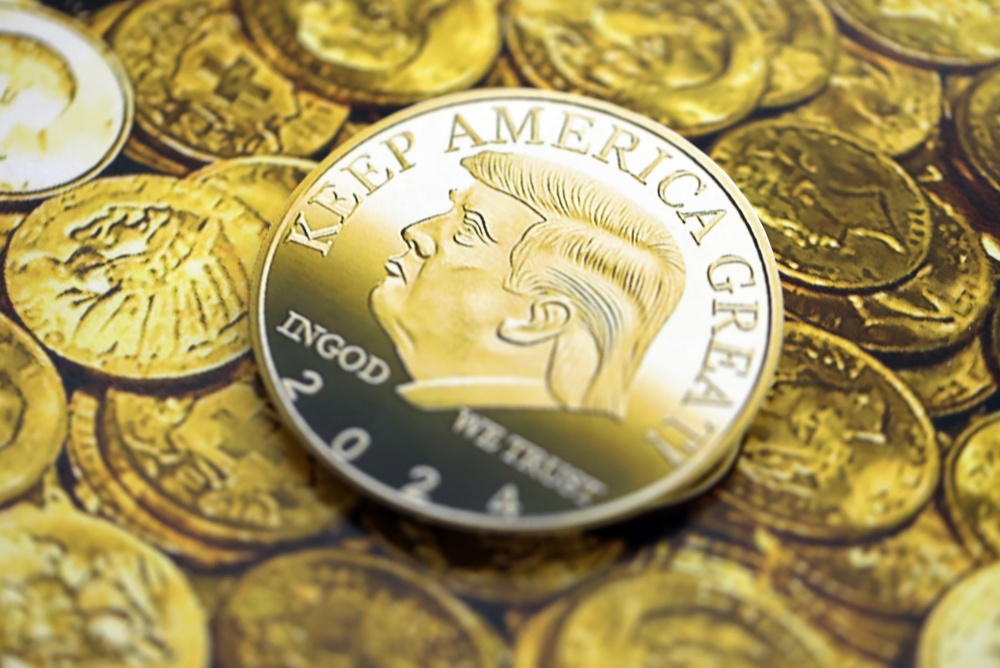
Beyond buildings and institutions, Trump’s presence has also extended into objects people interact with daily. Plans have included a 24 karat commemorative gold coin featuring his image, along with a proposed one dollar coin showing his profile. These developments have drawn attention because they bring political symbolism into everyday transactions and experiences.
There are also reports that his signature will appear on US paper currency, a move described by treasury secretary Scott Bessent as “a powerful way to recognize the historic achievements of our great country”. This step would mark a significant expansion of presidential visibility, placing his name directly into one of the most widely circulated forms of national identity.
For some observers, this level of visibility feels excessive. The idea of a sitting president appearing across so many forms of public representation raises questions about how far recognition should go while someone is still in power, and whether such visibility changes how institutions are perceived by the public.
Public Response and Emerging Backlash
Reactions from the public have not always been supportive. One widely discussed example involved the 2026 National Parks pass, which featured Trump’s image instead of the usual landscapes or wildlife. The decision led to backlash and even sparked a small market for stickers designed to cover his face on the pass, showing how quickly public response can take creative forms.
The situation became significant enough that the National Park Service updated its policy, stating, “Stickers on physical passes are considered an alteration and may void the pass.” This response reflected the extent to which a symbolic design choice had escalated into a broader public issue.
It is within this context that UndoTrump.org has gained attention. The website’s goal of removing Trump’s name from public spaces taps into a broader sentiment that public institutions should remain separate from personal branding. Its appeal lies in its clarity and directness, offering a simple response to a complex and evolving situation.
A Larger Debate About Power and Identity
This story is not only about one president or one website. It reflects a deeper debate about how power is expressed and remembered. Public spaces, monuments, and symbols play a key role in shaping how a nation understands itself, and changes to those symbols can influence that perception in lasting ways.
Kim L Scheppele also drew a broader comparison, saying, “Democratic leaders wait to be honored after they leave office; dictators want their image everywhere while they are still in power, in order to demonstrate that power.” Her observation captures why this issue resonates beyond partisan politics and into broader concerns about governance and norms.
UndoTrump.org represents one side of that debate, pushing back against what some see as an overreach. Whether it succeeds or not, its existence signals that the conversation has moved beyond policy and into questions of identity, symbolism, and the boundaries of leadership.
American politics, breaking political news, Donald Trump, federal buildings, federal institutions, government institutions, political backlash, political controversy, political website, presidential branding, public monuments, Trump administration, Trump controversy, Trump news, Trump second term, UndoTrump.org, US currency, US Politics, viral politics, White House