
Your cart is currently empty!
US Officials Say Iran War May End Within Days As Deal Nears Completion
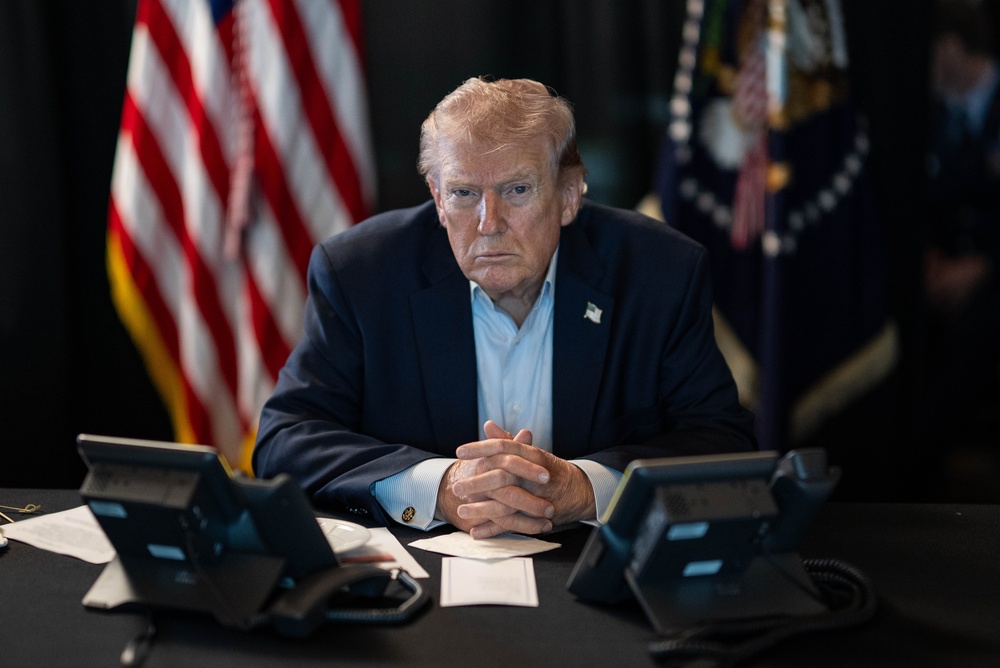
For more than two months, the conflict between the United States and Iran pushed the Middle East toward what many feared could become a catastrophic regional war. Oil prices surged, military threats escalated almost daily, and global markets reacted nervously every time new reports emerged from the Strait of Hormuz. Now, after 67 days of rising tensions, officials involved in high-level negotiations say both sides are getting dangerously close to signing an agreement that could abruptly stop the fighting and reopen negotiations over Iran’s nuclear program.
Contents
show
The possible breakthrough comes after days of rapidly shifting signals from Washington and Tehran. President Donald Trump unexpectedly paused the US military-backed “Project Freedom” operation after only two days, while Secretary of State Marco Rubio publicly declared that America’s campaign against Iran was effectively “over.” Behind the scenes, negotiators have reportedly been working on several versions of a memorandum of understanding that would officially end hostilities and launch a 30-day diplomatic window to settle some of the biggest disputes driving the conflict.
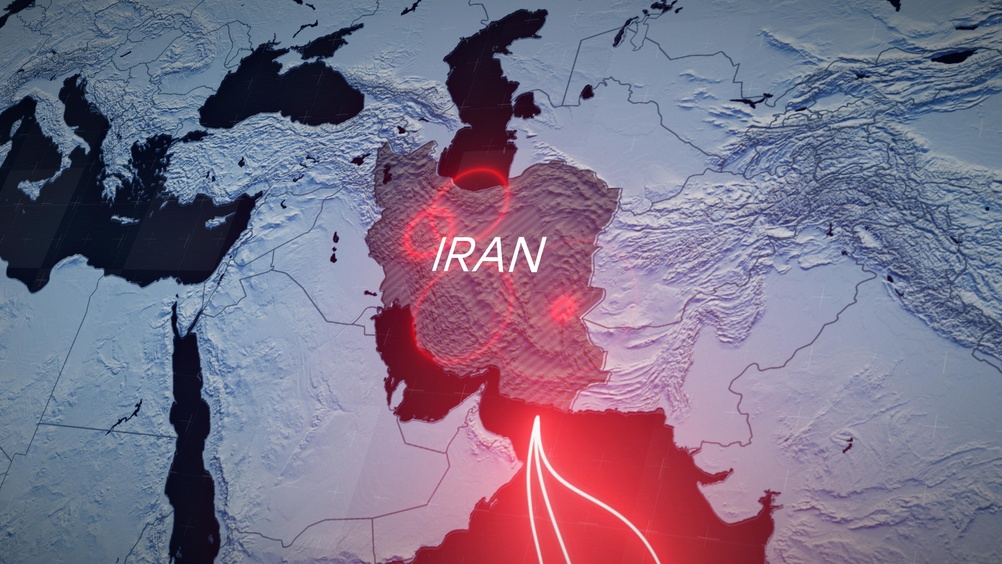
Officials Say Multiple Drafts Of The Deal Are Circulating
Sources familiar with the negotiations say the proposed agreement is already on paper, although several versions are still being discussed behind closed doors. A Pakistani source involved in mediation efforts told reporters that negotiators are currently debating which draft will ultimately move forward. The comments immediately fueled speculation that both sides may already agree on the broad framework of a settlement.
“There are documents,” the source said. “Which one will be approved is under discussion.” The remarks added to growing reports that the United States and Iran have entered the most serious diplomatic phase since the conflict began more than nine weeks ago.
Another Pakistani source later suggested the negotiations are entering their final stage. “We will close this very soon. We are getting close,” the source reportedly said. The comments triggered immediate reactions in global energy markets as investors began anticipating a possible reduction in military tensions across the Gulf region.
The memorandum was first reported by Axios and is reportedly being negotiated by US special envoys Steve Witkoff and Jared Kushner. Officials involved in mediation efforts have privately indicated for weeks that both sides needed a formal written framework before any lasting agreement could become realistic.

The Proposed Agreement Could Reshape The Entire Conflict
The draft memorandum reportedly goes far beyond a temporary cease-fire. Negotiators are discussing a broader framework that could reopen the Strait of Hormuz, partially ease US sanctions on Iran, release billions of dollars in frozen Iranian funds, and establish new oversight measures tied to Iran’s nuclear program.
The Strait of Hormuz quickly became one of the most dangerous flashpoints in the conflict because of its importance to global oil shipping. Any disruption to traffic through the narrow waterway immediately sends shockwaves through fuel prices and international markets. Concerns over shipping disruptions played a major role in driving oil prices higher throughout the conflict.
President Trump responded to the growing threat by launching “Project Freedom,” an operation aimed at restoring security for commercial shipping in the region. The sudden decision to pause the operation after just two days was widely interpreted as a sign that diplomacy had begun overtaking military strategy.
Financial markets reacted almost immediately after reports of diplomatic progress surfaced Wednesday morning. Brent crude oil prices dropped below $100 per barrel, reaching their lowest level in roughly two weeks. Traders appeared to interpret the reports as a sign that fears of a prolonged regional conflict may finally be easing.

Rubio Delivered One Of The Administration’s Harshest Statements Yet
While administration officials sounded more optimistic about diplomacy, some of their public comments remained deeply confrontational. During a White House news conference, Secretary of State Marco Rubio acknowledged that internal divisions inside Iran’s leadership continue complicating negotiations.
“The time has come for Iran to make a sensible choice, and it’s not easy for them to do that, obviously, because they have a fracture in their own leadership system,” Rubio told reporters.
Rubio then delivered one of the administration’s most aggressive public criticisms of Iran’s leadership during the conflict. “And apart from that, I mean, the top people in that government are, to say the least, they’re insane in the brain. And so we need to address that, and it’s difficult because it’s hard to get past that in their system.”
The remarks highlighted the strange contrast currently shaping the negotiations. Public rhetoric between both sides remains hostile, yet officials continue working toward what could become the most significant diplomatic breakthrough since the conflict began.

Iran’s Internal Power Struggle May Still Complicate The Talks
Questions also remain about who truly controls decision-making inside Iran. General Dan Caine, chairman of the Joint Chiefs of Staff, said Tuesday that the United States believes Iran’s Islamic Revolutionary Guard Corps currently holds the real power inside the government rather than Supreme Leader Mojtaba Khamenei.
That assessment has raised concerns among analysts who believe competing factions inside Iran could still derail the negotiations at the last moment. Some Iranian figures have already publicly challenged reports suggesting that a finalized memorandum is close.
Seyed Mohammad Marandi, an academic who participated in earlier peace talks held in Pakistan, rejected the reports entirely in a post on X. He described the Axios report as “a tool for White House market manipulation.”
Marandi later claimed that “The Islamic Republic is fully prepared for a potential major attack before Trump’s trip to China.” He also denied that an official Iranian draft of the agreement currently exists, suggesting deep divisions may still be unfolding inside the country’s leadership.

The 67-Day Conflict Has Already Changed Global Politics
The war has lasted more than nine weeks and has already reshaped diplomatic relationships across the Middle East. Israel and the United States have reportedly discussed coordinated military responses if negotiations collapse or if fighting around the Strait of Hormuz resumes.
Officials familiar with regional discussions say contingency plans have included possible renewed strikes targeting Iranian infrastructure. Those discussions intensified after concerns emerged that further attacks on commercial shipping could destabilize global energy supplies.
Several major developments have defined the conflict so far:
- Oil prices surged as fears grew over shipping disruptions.
- The Strait of Hormuz became the central military flashpoint.
- US military operations expanded rapidly across the Gulf region.
- Iranian leadership divisions became increasingly visible.
- Israel reportedly coordinated military planning with Washington.
- Pakistani mediation efforts quietly became central to peace talks.
Diplomatic backchannels appear to have prevented the conflict from escalating into a much larger regional confrontation involving multiple countries.

Nuclear Negotiations Could Become The Real Battle Ahead
Although the proposed memorandum would officially end active fighting, the deeper dispute surrounding Iran’s nuclear program remains unresolved. Western governments have spent years accusing Iran of moving dangerously close to developing nuclear weapons capabilities.
Iran has consistently denied those allegations while insisting it has the right to maintain a civilian nuclear program. The disagreement has remained one of the most volatile issues in global politics for years.
The reported agreement would reportedly create a 30-day diplomatic window for negotiators to settle disputes involving sanctions, nuclear oversight, military activity, and shipping security in the Gulf. Officials familiar with the talks have repeatedly suggested that securing a written framework was considered essential before broader negotiations could seriously move forward.
After 67 days of escalating military threats and fears of a regional disaster, negotiators now appear closer than ever to putting that framework in place. Whether the agreement survives the final stage of negotiations could determine whether the region moves toward stability or slides back toward another dangerous escalation.
breaking world news, Brent crude oil, Donald Trump, global politics, Iran ceasefire, Iran nuclear program, Iran peace talks, Iran sanctions, Israel Iran tensions, Jared Kushner, Marco Rubio, Middle East conflict, oil prices, Project Freedom, Steve Witkoff, Strait of Hormuz, Tehran news, Trump Iran deal, US Foreign Policy, US Iran war