
Your cart is currently empty!
The Virginia Man Who Sparked a National Fight Over AI Surveillance
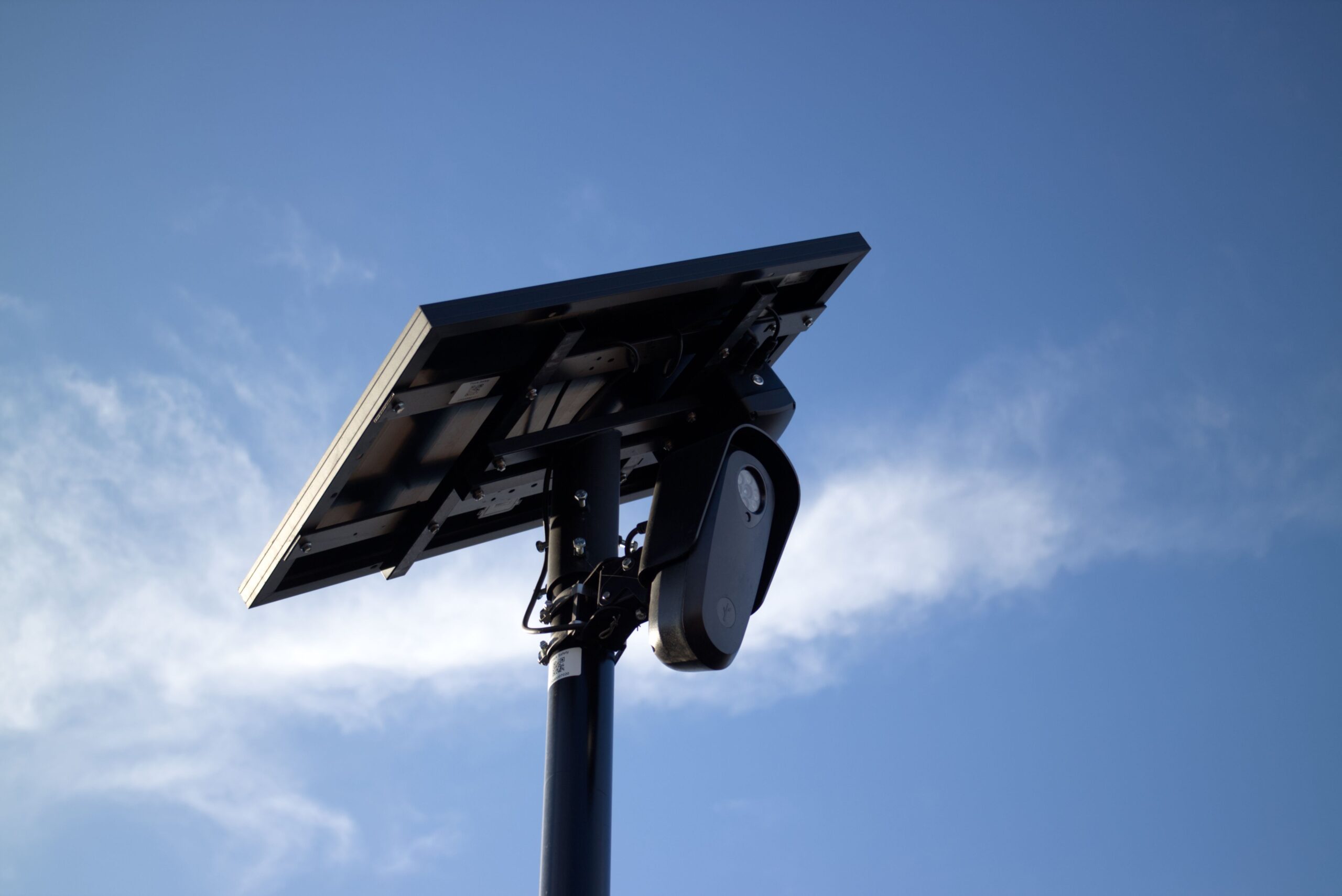
A Virginia man accused of destroying 13 AI-powered license plate reader cameras has become an unlikely figure in one of the most heated debates in America.
Contents
show
Jeffrey Scott Sovern, a Suffolk resident, is facing multiple felony charges after authorities say he spent months targeting Flock Safety cameras installed throughout the area. Prosecutors allege he damaged camera systems, stole components, and used tools to dismantle equipment mounted along roadways.
Yet as the case moves through the courts, the story has expanded far beyond a standard vandalism investigation. Supporters see it as a flashpoint in a growing national fight over surveillance, privacy, and how much information governments and private companies should be allowed to collect about ordinary people.
Sovern has pleaded not guilty. While the legal process continues, his case is attracting attention from privacy advocates across the country who argue that the cameras represent something much larger than a crime-fighting tool.
Why Authorities Say He Destroyed 13 Cameras
According to court records and local reporting, investigators allege that Sovern intentionally destroyed 13 Flock Safety cameras between April and October.
Police say the cameras were damaged across Suffolk, Virginia, with each unit carrying a replacement cost of roughly $1,300. Authorities also allege that Sovern removed equipment including wiring, batteries, solar panels, and other components from some of the camera installations.
Investigators reportedly recovered several of those items after executing a search warrant at his property.
Court documents cited by local media indicate that Sovern allegedly admitted to dismantling some of the camera systems and described using vice grips during the process. He now faces multiple felony counts of destruction of property, along with charges related to burglary tools and petit larceny.
Officials believe he acted alone.
What remains unclear is his precise motivation. Court records do not identify a specific reason for the alleged actions. However, comments attributed to Sovern in later interviews suggest he views the issue through the lens of constitutional rights and government surveillance.
The Technology at the Center of the Controversy

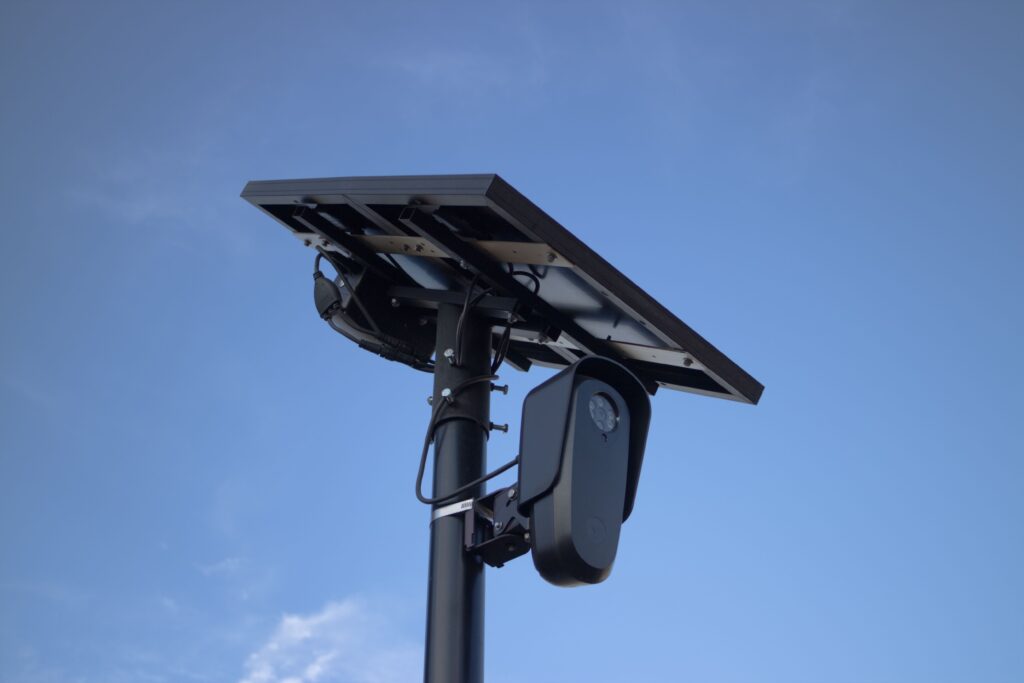
The devices involved are part of a rapidly expanding network operated by Flock Safety, one of the largest providers of automated license plate reader systems in the United States.
These cameras are designed to photograph passing vehicles and capture information such as:
- License plate numbers
- Vehicle make and model
- Vehicle color
- Time and date information
- Geographic location
The collected information is stored in searchable databases that can be accessed by participating law enforcement agencies.
Supporters argue that the technology has become a powerful investigative tool. Police departments across the country say the systems help locate stolen vehicles, identify suspects, track criminal activity, and solve cases more quickly than traditional investigative methods.
Flock Safety says its products are used in thousands of communities nationwide and have assisted agencies in recovering vehicles, locating missing persons, and identifying suspects involved in serious crimes.
For many law enforcement leaders, the appeal is obvious.
Instead of relying on eyewitness testimony or random chance, investigators can search databases containing millions of vehicle sightings and reconstruct where a particular car has traveled.
That capability has transformed how some departments approach investigations.
It has also raised alarm among privacy advocates.
Why Critics Are Sounding the Alarm

The concerns surrounding automated license plate readers extend far beyond Virginia.
Civil liberties organizations have spent years warning that systems capable of tracking vehicle movements at scale create risks that did not exist before the rise of modern surveillance technology.
Critics argue that while individual camera captures may seem harmless, the combined effect creates detailed records of people’s lives.
A person’s vehicle history can reveal:
- Where they work
- Where they worship
- Medical appointments
- Political activities
- Social relationships
- Daily routines
Privacy advocates argue that collecting this information about people who are not suspected of crimes crosses an important line.
The concern becomes even greater when data is shared between agencies.
Many Flock systems operate as part of broader networks where participating departments can access information collected by cameras far outside their own jurisdictions.
As these networks expand, critics say the result begins to resemble mass surveillance rather than targeted investigation.
The debate has intensified amid reports that some law enforcement agencies used license plate reader data in ways that alarmed privacy advocates, including investigations involving reproductive healthcare access, protests, immigration enforcement, and other sensitive activities.
Supporters of surveillance technologies argue that isolated incidents should not overshadow the public safety benefits.
Critics counter that powerful systems must be judged not only by their intended use but by how they could be used in the future.
A Growing National Resistance Movement

What makes the Suffolk case particularly notable is that it comes amid an organized national campaign against Flock cameras.
Groups opposing automated license plate readers have emerged in cities across the country.
Organizations operating under names such as DeFlock Atlanta, DeFlock Tucson, and Flock Off in New York have spent months lobbying local governments, organizing demonstrations, and urging communities to reconsider surveillance contracts.
Their strategies vary.
Some focus on public education campaigns. Others attend city council meetings, file public records requests, or pressure elected officials to impose restrictions on surveillance technology.
Many of these groups argue that the public often has little understanding of how extensive the surveillance networks have become.
In some cases, activists have mapped camera locations and posted signs beneath installations warning residents that their vehicle movements may be recorded.
Their message is simple: most people do not realize how much data is being collected.
Local Victories Are Beginning to Add Up
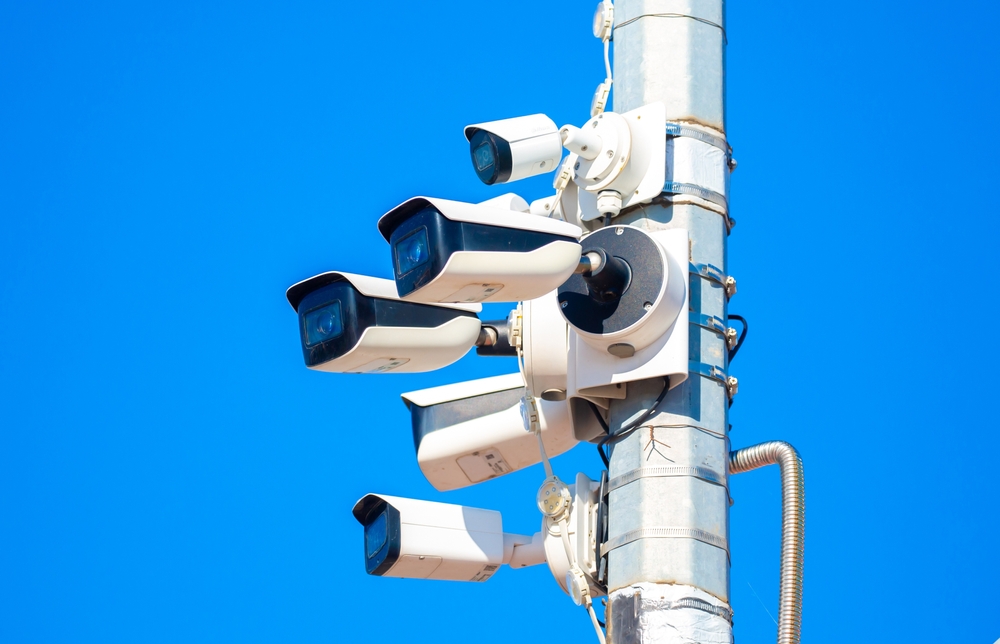
The movement has recorded several successes.
Some municipalities have paused camera programs after public opposition.
Others have terminated contracts entirely.
According to reporting cited by privacy advocates, dozens of communities have either deactivated systems or ended agreements with Flock since the beginning of 2025.
For opponents of the technology, those decisions demonstrate that public pressure can influence policy.
For supporters, they represent setbacks that could reduce law enforcement’s ability to solve crimes.
The result is a widening divide between those who see the cameras as essential public safety infrastructure and those who see them as a threat to civil liberties.
When Surveillance Cameras Become Targets
The Virginia case is far from the only example of vandalism directed at license plate reader systems.
Reports from across the country show a pattern of incidents involving damaged, stolen, or destroyed surveillance cameras.
In Oregon, multiple Flock cameras were reportedly cut down in a widely publicized act of vandalism.
Elsewhere, authorities have investigated incidents involving gunfire, theft, damaged poles, and tampering with equipment.
Ironically, investigators often use the same surveillance technology to identify the people responsible for attacking it.
Audit logs released through public records requests indicate that police departments frequently search license plate reader databases while investigating crimes involving damage to Flock systems.
In other words, cameras are sometimes helping authorities investigate attacks against cameras.
That reality highlights the central tension in the debate.
Supporters point to these investigations as evidence that the technology works.
Critics view it as an example of a surveillance network expanding its own reach.
The Constitutional Debate
At the heart of the controversy is a legal question that courts across the country continue to wrestle with.
How much surveillance is too much?
The Fourth Amendment protects Americans against unreasonable searches and seizures. Historically, courts have often ruled that activities conducted in public spaces carry reduced expectations of privacy.
Supporters of automated license plate readers argue that vehicles traveling on public roads are already visible to anyone nearby. Cameras simply record information that could be observed by a human observer.
Critics reject that comparison.
They argue that no human observer can realistically monitor millions of vehicles, store years of movement data, and instantly search historical travel records.
The issue, they say, is not individual observation.
It is scale.
A police officer standing on a street corner watching traffic is fundamentally different from a nationwide network capable of reconstructing a person’s movements across multiple states.
That distinction has become increasingly important as surveillance technologies become more sophisticated.
Artificial intelligence has accelerated the process further.
Modern systems can identify vehicle characteristics, recognize patterns, and analyze enormous quantities of information with speed that would have been impossible just a decade ago.
Technology Often Advances Faster Than Laws
One challenge facing lawmakers is that technological capabilities tend to evolve faster than legal frameworks.
When many constitutional protections were established, the concept of a nationwide searchable vehicle database simply did not exist.
Today, those systems are becoming increasingly common.
As a result, courts and legislators are being forced to answer questions that previous generations never had to consider.
The Suffolk case lands directly in the middle of that conversation.
Regardless of the outcome, it has already become part of a broader national discussion about surveillance, privacy, and the limits of technological power.

Flock Safety Defends Its Technology
Flock Safety has repeatedly defended its products and rejected claims that the company enables mass surveillance.
Company representatives argue that the technology is designed to help communities solve crimes and improve public safety.
Following reports of camera destruction in Virginia, a company spokesperson thanked law enforcement officials for investigating the incidents and holding those responsible accountable.
Flock representatives have also emphasized that misuse allegations represent a tiny fraction of overall usage.
According to the company, agencies use the system millions of times annually, and safeguards exist to document searches and maintain accountability.
Supporters frequently point to cases involving missing persons, stolen vehicles, violent crimes, and wanted suspects as evidence that the technology saves time and helps investigators solve cases that might otherwise remain unsolved.
For police departments facing staffing shortages and growing investigative demands, such tools can be difficult to ignore.
The debate, therefore, is not simply about whether the technology works.
Even many critics acknowledge that it can be effective.
The real disagreement centers on whether the benefits justify the collection and retention of so much information about ordinary citizens.
Why This Case Has Captured National Attention
Most vandalism cases remain local news stories.
This one did not.
Part of the reason is timing.
Concerns about privacy, artificial intelligence, facial recognition, data collection, and government surveillance have become increasingly prominent in public discourse.
People are asking questions that seemed theoretical just a few years ago.
Who owns personal data?
How long should information be stored?
Who gets access?
What protections exist against misuse?
The allegations against Sovern arrived at a moment when those questions are already generating intense debate.
Some observers view him as a criminal accused of destroying property.
Others see him as a symbol of resistance against expanding surveillance systems.
The courts will decide the legal questions surrounding his case.
The public debate surrounding surveillance technology is likely to continue regardless of the verdict.
As AI-powered monitoring systems become more sophisticated and more widespread, communities across the country will face the same dilemma now confronting Suffolk.
How much surveillance should society accept in exchange for security?
That question remains unanswered. What is clear is that the controversy surrounding Flock cameras is no longer confined to one Virginia town. It has become part of a national conversation about privacy, technology, and the future of life in an increasingly monitored world.