
Your cart is currently empty!
Virginia Mother Dies After Contracting Salmonella During Kenya Mission Trip

Ayla Garcia boarded a flight to Kenya with a clear purpose. The Virginia mother of four wanted to spend part of her summer serving orphaned children through a church mission, surrounded by family members who shared the same calling. Instead of returning home with stories of hope and compassion, her loved ones are now preparing for a funeral after a devastating illness claimed her life.
Contents
show
According to her family, Garcia contracted a Salmonella infection after consuming contaminated ice during the trip. What initially appeared to be a foodborne illness quickly spiraled into a medical emergency that overwhelmed her body, eventually taking the life of the 36-year-old despite weeks of intensive treatment.
A Journey Rooted in Faith and Service
Garcia traveled from Virginia to Nairobi, Kenya, at the end of June alongside members of Overflow Christian Church, including her mother, sister, aunt, and uncle. Their destination was Zion Family, a children’s home that cares for orphaned boys and girls.
For Garcia, the mission reflected the life she had built long before boarding the plane. Friends and relatives described her as someone who naturally put others before herself. She worked in the mental health field, volunteered through her church, and was known for stepping in whenever someone needed encouragement or support.
Before becoming ill, Garcia shared glimpses of her time in Kenya on social media. Her posts showed smiling children, wildlife encounters, and joyful moments from the mission. There was little indication that only days later she would be fighting for her life in an intensive care unit.
According to her family, Garcia became sick after consuming contaminated ice. She initially stayed at the hotel hoping the illness would pass, but her condition deteriorated rapidly. A local resident encouraged the family to take her to the hospital, believing she needed immediate medical attention.
What everyone expected to be a short hospital visit quickly became something far more serious.
A Common Foodborne Illness Became Life Threatening

Salmonella infections are among the most common foodborne illnesses worldwide. Many people recover within a few days after experiencing symptoms such as diarrhea, stomach cramps, fever, nausea, and vomiting.
Garcia’s illness followed a very different path.
Her family said the infection spread beyond her digestive system and entered her bloodstream. From there, it began affecting several major organs, including her kidneys and liver.
Doctors admitted her to the intensive care unit as they worked to control the rapidly spreading infection.
The situation became even more complicated because Garcia had lived with sickle cell disease since childhood. Her family said the underlying blood disorder made it much harder for her body to fight the infection.
As her condition worsened, she required multiple blood transfusions after her hemoglobin levels dropped dangerously low. She also developed jaundice and eventually needed dialysis as her kidneys struggled to function.
Her mother, Patricia Garcia, later recalled how shocked the family was by the speed of her daughter’s decline.
“It was surprising and very concerning that this thing had taken over so much that they had to put her in ICU,” she told WWBT.
For relatives watching from thousands of miles away, the infection escalated far faster than anyone expected.
Why Sickle Cell Disease Made the Infection More Dangerous
Although Salmonella is often associated with short-term illness, it can become much more severe for people living with certain underlying medical conditions.
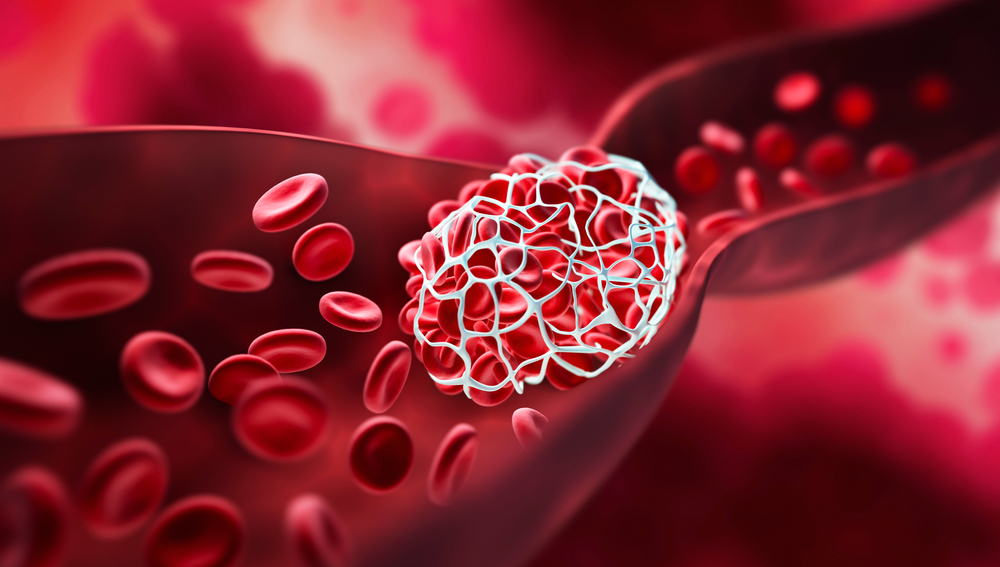
Garcia had sickle cell disease, an inherited blood disorder that changes the shape of red blood cells. Instead of moving smoothly through blood vessels, the cells become rigid and crescent-shaped, reducing oxygen delivery throughout the body.
The condition also increases the risk of severe bacterial infections because the immune system is often less able to fight invading bacteria effectively.
According to Garcia’s family, the infection eventually affected her kidneys, liver, and blood.
She received at least four blood transfusions while doctors continued aggressive treatment in an effort to stabilize her condition.
The combination of organ damage, severe infection, and sickle cell disease created a medical crisis that became increasingly difficult to reverse.
Signs of Recovery Offered Hope

Despite the seriousness of her condition, there were moments when Garcia’s recovery appeared to be moving in the right direction.
Throughout her hospitalization, family members posted updates through a GoFundMe campaign that had originally been created to help cover medical expenses and the possibility of transporting her back to the United States.
One update shared encouraging news.
“The work continues to improve the functioning of her kidneys,” the family wrote. “The oxygen support has been removed, and she’s been breathing on her own.”
The message gave friends, relatives, and supporters reason to believe Garcia might soon be well enough to return home.
Garcia herself shared that hope.
On July 19, she posted a video from her hospital bed on Instagram.
“Yes, I’m still in Kenya and I’m trying to make it home,” she said while visibly struggling to breathe.
The short video quickly spread among supporters who continued praying for her recovery. It also became one of the final public messages she shared before everything changed.
A Sudden Loss Left Her Family Heartbroken

The optimism surrounding Garcia’s recovery disappeared only days later.
On July 24, her family shared the news they had been praying they would never have to write.
“It is with a heavy heart that we share our beloved daughter, sister, mother, aunt, cousin, niece, friend Ayla, has passed,” they wrote in an update posted to the family’s GoFundMe page. “Her fight against sickle cell was hard fought.”
The announcement stunned friends, church members, and the growing number of people who had been following her story online. Many had believed she was finally turning a corner after earlier updates reported improvements in her breathing and kidney function.
Instead, Garcia’s condition deteriorated unexpectedly, ending a battle that had lasted nearly two weeks.
Her family later shared that their focus had shifted from bringing her home alive to bringing her home so she could be laid to rest.
An Emotional Fight to Bring Her Home

Garcia’s passing marked the beginning of another painful chapter for her loved ones.
Because she had received extensive treatment at Aga Khan University Hospital in Nairobi, her family explained that the hospital required payment for medical services before her remains could be released.
The fundraising campaign that had originally been launched to help cover emergency medical expenses quickly took on a different purpose.
“Our goal remains to bring her home where we can properly lay her to rest,” the family wrote.
Earlier in Garcia’s hospitalization, relatives had explored the possibility of an emergency medical evacuation flight after doctors determined she was too sick to travel on a commercial aircraft.
According to the family, the cost of a specialized medical flight would have exceeded $250,000, making it financially impossible.
Her scheduled return flight to Virginia came and went while Garcia remained hospitalized in Kenya. Her mother eventually had to return home because she needed medication that was unavailable overseas, while other relatives stayed behind to remain at Garcia’s side.
After her death, the family’s attention shifted entirely toward arranging her final journey home.
Friends Remembered a Woman Who Always Put Others First

As news of Garcia’s death spread, tributes poured in from people whose lives she had touched.
Friends described her as compassionate, generous, and deeply devoted to helping others. Family members echoed those sentiments, saying she had always been the person willing to step in whenever someone needed support.
Her mother, Patricia Garcia, remembered her as someone whose personality naturally drew people in.
“She was a kindhearted person and she was funny,” Patricia said.
“She was just so happy, go-lucky. She liked helping people.”
That desire to serve others was one of the reasons she chose to join the Kenya mission trip in the first place.
Garcia worked in the mental health field, where relatives said she dedicated herself to helping people through difficult moments. Outside of work, she remained active in church and community outreach.
Her friend Zion Njeri shared one of the most emotional tributes after Garcia’s passing.
“There are some goodbyes that leave you speechless, and this is one of them,” Njeri wrote on Instagram.
“Ayla Garcia, I still can’t believe you’re gone. You were more than a friend. You were my sister, my biggest supporter, and one of the greatest blessings God placed in my life.”
Njeri said she remained beside Garcia during much of her hospitalization, witnessing what she described as her remarkable determination.
“I watched you fight with incredible strength and faith,” she wrote.
The tribute also revealed that the two had spent time talking about the future, believing Garcia would recover and eventually return home.
Those plans were never realized.
Four Children Now Face Life Without Their Mother
Behind the headlines is a family facing an unimaginable loss.
Garcia leaves behind her husband and four children, including three sons and one daughter.
According to her family, her oldest children are teenagers, while her youngest daughter is only four years old.
Relatives said one of the hardest parts of the tragedy has been helping the children understand why their mother is no longer coming home.
Her sister Tabitha recalled the painful questions they continue asking.
“They want to know why. ‘Why isn’t mommy here?’ or ‘Where is mommy?’”
Garcia’s loved ones said returning home was always her goal throughout her hospitalization.
“Her plan, her goal, was to come back home,” Tabitha said.
Instead, her family is now planning the memorial service they never imagined they would have to arrange.
How Salmonella Can Become a Serious Threat
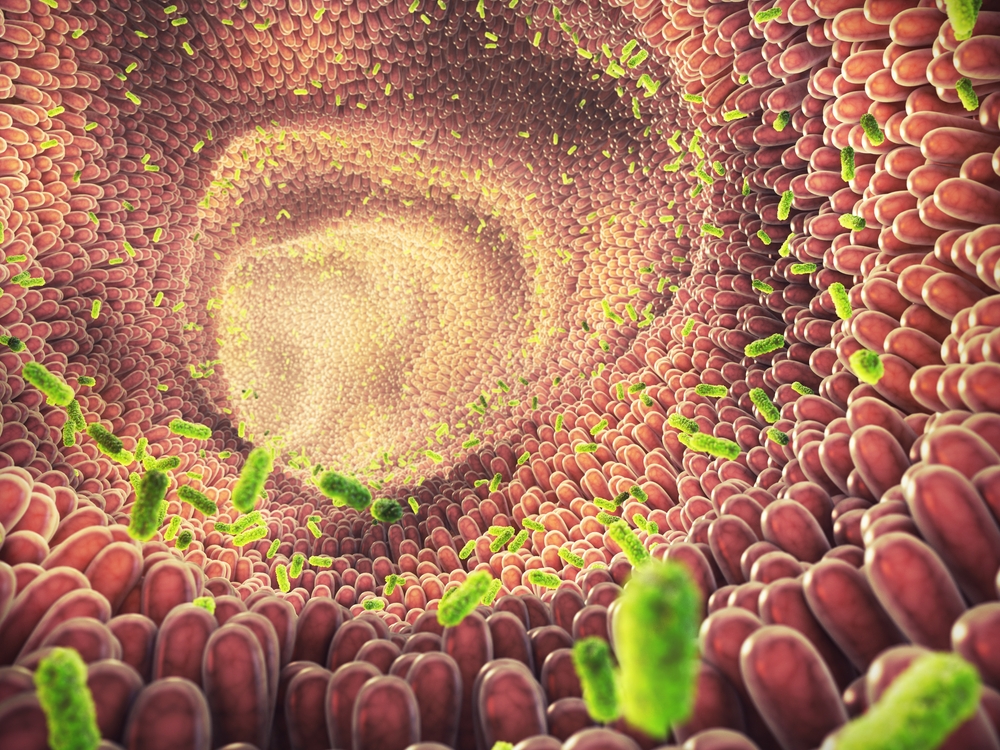
Salmonella is a bacterial infection most commonly linked to contaminated food or water. People usually become infected after consuming undercooked poultry, eggs, unpasteurized products, contaminated produce, or food prepared under unsanitary conditions.
Ice can also become contaminated if it is made using untreated or unsafe water.
For most healthy adults, symptoms resolve within several days with rest and hydration. Typical symptoms include diarrhea, fever, stomach cramps, nausea, and vomiting.
In some cases, however, the bacteria can move beyond the intestines and enter the bloodstream.
When that happens, the infection can spread to major organs and become life threatening, particularly for older adults, young children, people with weakened immune systems, and individuals living with conditions such as sickle cell disease.
Garcia’s family believes contaminated ice was the source of her infection. While that account has been shared consistently by relatives, no public health investigation identifying the exact source of contamination has been publicly released.
Health authorities generally recommend travelers use bottled or properly treated water when visiting areas where water safety may be uncertain. That guidance includes avoiding ice made from untreated local water.
A Life Remembered for Compassion
Garcia traveled to Kenya hoping to improve the lives of children she had never met.
Those closest to her say that decision reflected exactly who she was.
She devoted her career to supporting people struggling with mental health challenges. She volunteered through her church, loved her family deeply, and embraced opportunities to help others whenever she could.
The final chapter of her life was marked by extraordinary hardship, but the people who knew her best continue to remember something else.
They remember a woman whose kindness reached far beyond her own community, someone who crossed an ocean to serve others simply because she believed it was the right thing to do.
Now, as her family works to bring her home and care for the four children she leaves behind, they hope that same spirit of compassion continues through everyone who has supported them during one of the most difficult moments of their lives.