
Your cart is currently empty!
This Rare Visual Condition Makes Everyday Life Look Like An Old Television
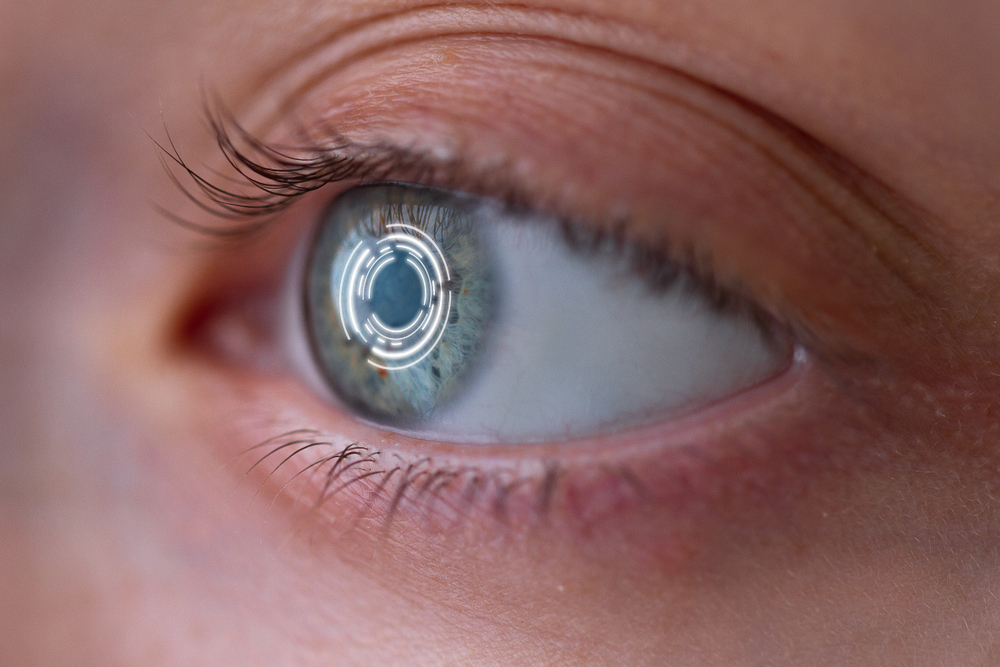
Imagine looking at a clear blue sky and seeing thousands of tiny flickering dots moving across it. You turn towards a familiar face, open your phone, or walk into a brightly lit room, but the strange pattern remains. For some people, this experience follows them throughout the day, creating a constant layer of visual noise over everything they see.
Contents
show
The condition is known as visual snow syndrome, and researchers are investigating why it happens. Although people experiencing it often have normal eye examinations, the disturbance appears to involve how the brain processes visual information. Scientists are now examining whether unusual brain activity and difficulties filtering sensory signals could explain why the world looks different to those affected.
What Is Visual Snow Syndrome And How Does It Affect Vision?
Visual snow syndrome (VSS) is a neurological visual processing condition characterised by persistent, flickering dots across a person’s entire field of vision. The dots may appear black, white, transparent, or coloured, resembling the static that once appeared on an old analogue television. Some people notice the effect more clearly in dim lighting, while others experience it throughout the day, even when their eyes are closed.
Estimates suggest that visual snow syndrome affects approximately 2% to 3% of the population. A large UK survey cited in research on the condition estimated that around 2% of adults met the criteria for VSS. Although it is relatively uncommon, the condition affects enough people to have attracted growing attention from researchers investigating unusual sensory experiences.
For someone experiencing visual snow, ordinary surroundings can become uncomfortable to look at for extended periods. Reading, using a computer, watching television, or driving at night may become more difficult when the persistent dots compete with the visual information the person is trying to process. The experience varies considerably, with some people reporting relatively mild symptoms and others describing substantial disruption to everyday activities.
The Symptoms Can Extend Beyond The Flickering Dots
Visual snow syndrome involves more than the static itself. People diagnosed with the condition commonly report additional visual disturbances that can affect how they interpret movement, light, and objects in their surroundings. These accompanying symptoms help clinicians distinguish VSS from other conditions that cause temporary or persistent changes in vision.
Common symptoms include:
- Persistent visual static: Tiny dots appear across the entire field of vision and may remain visible with the eyes open or closed.
- After-images and visual trails: Objects may appear to linger after they move away, leaving a temporary image or streak behind.
- Light sensitivity: Bright sunlight, fluorescent lighting, and illuminated screens may feel uncomfortable or unusually harsh.
- Difficulty seeing at night: Low-light environments can become more challenging, particularly when the person is trying to distinguish objects.
- Enhanced visual phenomena: Floaters, brief flashes, and other visual effects generated within the visual system may become more noticeable.
Some people also experience tinnitus, migraines, anxiety, difficulty concentrating, sleep problems, or a sensation of being disconnected from themselves. These symptoms do not occur in every case, and their presence does not automatically mean someone has visual snow syndrome. However, they can contribute to the overall burden of living with the condition.
Why People With Visual Snow May Have Normal Eye Tests
One of the most confusing aspects of visual snow syndrome is that a person can experience persistent visual disturbances without an obvious abnormality appearing during a routine eye examination. The eyes may look healthy, yet the flickering dots remain visible to the person experiencing them. This can make it difficult to explain the problem to others, especially when repeated examinations fail to identify a clear cause.
Researchers describe VSS as a neurological visual processing condition rather than a conventional eye disease. The distinction suggests that the difficulty may involve how the brain interprets visual signals instead of damage to the structures responsible for collecting light and transmitting information. A normal eye examination can therefore coexist with a genuine and disruptive visual experience.
For some patients, this distinction has practical consequences. When an examination does not reveal an obvious problem, they may struggle to understand why their vision feels different or why the symptoms continue. Recognising visual snow syndrome as a condition involving visual processing gives clinicians a framework for investigating these experiences.
However, a normal eye examination does not confirm VSS on its own. Several eye conditions, neurological disorders, medications, and other factors can produce visual disturbances, so clinicians must consider alternative explanations before making a diagnosis.
Scientists Suspect The Brain’s Visual Cortex Could Be Involved
Researchers investigating visual snow syndrome have focused on the visual cortex, a region at the back of the brain that plays a central role in processing sight. One leading theory suggests that parts of the visual system may be unusually excitable, meaning the nerve cells involved in processing visual information respond more readily than expected.
Under ordinary circumstances, the brain processes incoming visual signals while filtering out activity that does not require conscious attention. This allows people to recognise objects, follow movement, and read text without becoming overwhelmed by every signal generated throughout the nervous system. The process depends on coordinated activity across several interconnected brain regions.
If parts of the visual system become unusually excitable, background activity may become more noticeable. Researchers suspect this could help explain why some people perceive persistent static even when there is no corresponding pattern in the external environment. The brain’s own activity may contribute to what the person experiences visually, although the precise mechanism remains uncertain.
Hyperexcitability May Not Explain Every Case
Although visual cortex hyperexcitability is a leading theory, scientists have not established it as the sole cause of visual snow syndrome. Research has also identified differences involving communication between brain regions and networks associated with neurotransmitters, including serotonin. These findings suggest that the condition could involve several interacting processes rather than one isolated problem.
Some researchers have considered whether altered rhythms in communication between the thalamus and cortex could contribute to visual disturbances. The thalamus helps relay and coordinate sensory information, while the cortex processes information needed for perception. Changes in communication between these regions have been discussed as one possible explanation for abnormal sensory experiences.
These ideas remain under investigation, and the available evidence does not establish one definitive mechanism. Different findings may eventually help explain why people with VSS experience different combinations of symptoms, but further research is required before scientists can determine how the proposed mechanisms fit together.
The Brain’s Sensory Filtering System Could Hold Another Clue
Another explanation focuses on the brain’s ability to separate meaningful information from background sensory activity. The nervous system constantly generates electrical signals, and the brain must process incoming information without allowing every internal signal to dominate conscious awareness. This filtering helps people concentrate on relevant sights while ignoring information that does not require their attention.
Researchers investigating visual snow syndrome have proposed that this filtering process may work differently in affected individuals. According to the visual uncertainty hypothesis, the brain may struggle to distinguish genuine visual signals from its own background activity. If internal sensory noise becomes more noticeable, a person may experience visual disturbances even when the surrounding environment appears ordinary to others.
This theory could help explain why the condition is being studied alongside other sensory experiences, particularly tinnitus. People with tinnitus perceive ringing or buzzing despite the absence of a corresponding external sound, and the symptom can persist even in quiet environments. Some researchers suspect that altered sensory filtering could contribute to both conditions, although the connection has not been definitively established.
The possibility also raises questions about how the brain constructs everyday perception. Human vision depends on more than the eyes detecting light, because the brain must organise signals and distinguish relevant information from activity that can be ignored. Understanding what happens when this process changes could help researchers explain why visual snow feels so persistent.
A Finding About Facial Patterns Has Added Another Layer
Research reported in 2025 suggested that people with visual snow syndrome may be more likely to experience pareidolia, the tendency to recognise meaningful patterns in ambiguous images. Pareidolia is a familiar experience for many people, such as noticing a face in a cloud or seeing an apparent expression in an electrical socket. The brain identifies a possible pattern even when the visual information is incomplete.
According to the reported finding, people with VSS appeared more likely to perceive faces in everyday objects. This observation has attracted interest because it suggests that the condition could involve aspects of visual interpretation beyond the flickering dots that define the syndrome. It also fits with broader research questions about how the brain processes uncertain information and decides what it is seeing.
However, the finding does not mean everyone with visual snow experiences pareidolia, nor does it establish that the condition changes every aspect of visual perception. Further research will be needed to determine how strong and consistent this association is and whether it helps explain the mechanisms underlying VSS.
The finding offers another avenue for investigating the condition, particularly when considered alongside research into visual cortex activity and sensory filtering. Scientists still need to determine whether these observations reflect related processes or separate features that happen to occur in some people with visual snow syndrome.
How Visual Snow Syndrome Differs From Migraine Aura
Visual snow syndrome can be confused with migraine aura because both conditions may involve unusual visual experiences. Migraine aura typically produces temporary symptoms such as shimmering areas, zigzag lines, or patches of altered vision that develop around a migraine episode. These visual changes generally pass, although their duration and presentation can vary.
Visual snow syndrome follows a different pattern because its defining symptom is persistent static across the visual field. The dots do not behave like the temporary disturbances associated with a typical migraine aura. However, the distinction can become complicated because some people experience both VSS and migraine, meaning clinicians must examine the complete pattern of symptoms.
Diagnosis generally involves reviewing a person’s medical history, conducting an eye examination, and ordering additional tests when needed to exclude other causes. Clinicians may also consider neurological conditions, medication or substance effects, and disorders affecting the retina or other structures involved in vision.
Widely used diagnostic criteria require visual snow to persist for at least three months, alongside at least two additional categories of visual symptoms. These include after-images, enhanced awareness of visual phenomena such as floaters or flashes, light sensitivity, and difficulty seeing at night. The symptoms must not be better explained by another condition.
A neuro-ophthalmologist, a specialist working across eye health and neurological vision disorders, may be particularly helpful when the diagnosis is uncertain. Sudden changes in vision should not automatically be attributed to VSS, especially when new neurological symptoms appear.
There Is No Definitive Cure, But Researchers Are Exploring Treatments
Scientists have not established a universally effective treatment for visual snow syndrome. Current management focuses on reducing the impact of symptoms, addressing associated conditions, and helping people find ways to make everyday activities more comfortable. The approach often depends on which symptoms cause the greatest difficulty for an individual.
Medication research remains limited, and results have varied across studies and patient reports. Some small studies and case series have described partial improvement with lamotrigine, an antiseizure medication, but the response is inconsistent and symptoms can worsen in some people. Its potential benefits and risks therefore require careful discussion with a clinician.
Evidence for other medications, including acetazolamide and verapamil, remains mixed and limited. Researchers have also investigated repetitive transcranial magnetic stimulation, or rTMS, which uses magnetic pulses to influence brain activity. The technique remains experimental for VSS and is not an established standard treatment.
Practical Strategies May Help Reduce Daily Discomfort
Although these approaches cannot be considered a cure, some people find that managing associated symptoms improves their daily experience. Their effectiveness varies, and improvements in comfort do not necessarily mean the underlying visual static has diminished.
- Adjust lighting conditions: Reducing glare and adjusting screen brightness may help make visual tasks more comfortable. Precision-tinted lenses, including FL-41 tints, may provide relief for some people experiencing light sensitivity.
- Maintain a consistent sleep schedule: Going to bed and waking at similar times each day may help reduce fatigue, which some people report makes their symptoms more noticeable.
- Address migraine symptoms: People who experience migraines alongside VSS may benefit from appropriate migraine treatment, even if their persistent visual static remains.
- Take breaks from screens: Short breaks during prolonged computer or phone use may help reduce discomfort associated with extended visual tasks.
- Manage stress and fatigue: Relaxation exercises, mindfulness, and regular physical activity may support general wellbeing and help some people cope with persistent symptoms.
Anyone considering medication or supplements should discuss the potential benefits, side effects, and interactions with a healthcare professional. Evidence for supplements specifically treating visual snow syndrome remains insufficient, and no particular routine has been shown to eliminate the condition.
What Researchers Still Need To Understand About Visual Snow
Visual snow syndrome continues to raise fundamental questions about how the brain processes sensory information. Researchers are examining visual cortex activity, communication between neural networks, and the possibility that altered filtering allows internal signals to become more noticeable. The findings could help explain why people experience persistent visual disturbances despite having no obvious abnormalities during routine eye examinations.
Scientists also need to establish why the condition develops in some people and whether different underlying mechanisms produce similar symptoms. Long-term observations suggest that VSS often remains relatively stable, although some people report gradual improvement while others experience symptoms that become more prominent. There is currently no reliable way to predict the course for every individual.
For people who recognise these symptoms in their own experience, an appropriate medical assessment is the best starting point. A clinician can investigate other possible causes and determine whether referral to a neuro-ophthalmologist or neurologist would be helpful. New or sudden visual changes deserve prompt medical attention rather than being assumed to represent an existing condition.
The persistent static experienced by people with VSS reveals how much ordinary vision depends on processes that usually remain outside conscious awareness. By investigating why those processes sometimes produce a different experience of the world, scientists may gain a clearer understanding of the brain’s role in turning visual signals into what people actually see.