
Your cart is currently empty!
Wales Could Make Political Lies A Criminal Offence
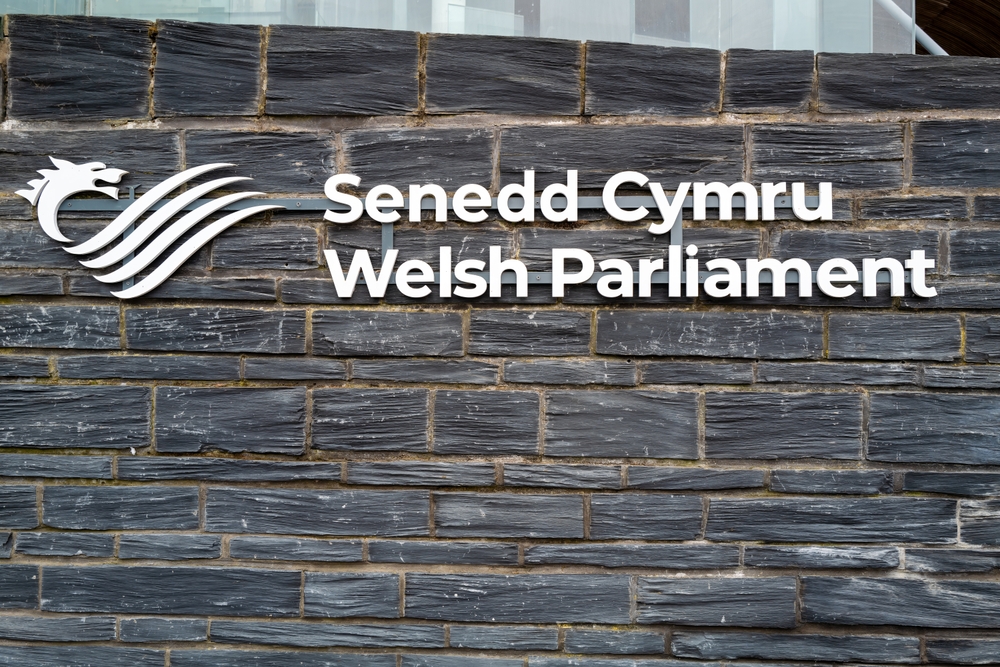
Politicians in Wales could soon face a consequence that would make election campaigns look very different: deliberately misleading voters could become a criminal offence. The proposal has already moved into the legislative process, putting Wales on course to attempt something no other country has done before.
Contents
show
The idea has attracted support from people who believe politicians should face real consequences for deliberately deceiving the public. But critics are warning that turning political dishonesty into a criminal matter could create an even bigger problem if the law cannot clearly distinguish between an outright lie, an honest mistake and a heated political argument.

Wales Is Taking Aim At Political Deception
For the past two years, Wales has been examining how to deal with deliberate dishonesty in politics and rebuild public confidence in democratic institutions. There is broad agreement among politicians that the existing system offers limited consequences when elected representatives or candidates deliberately mislead the public. As one Senedd member put it, “Lying flourishes in politics because we can get away with it.”
That frustration has now turned into legislation. A bill before the Senedd would make it illegal to make false or misleading statements during Welsh election campaigns, potentially creating a criminal offence for political deception intended to influence voters. If it eventually becomes law, Wales would be the first country in the world to introduce such a ban.
The proposal follows recommendations from the Senedd’s standards committee, which examined how political standards could be strengthened. Earlier recommendations included tougher rules for elected members, corrections published on their official profiles, possible suspension and, in extreme circumstances, a process allowing voters to recall and remove a politician from office.
The Bill Is Narrower Than The Viral Claim
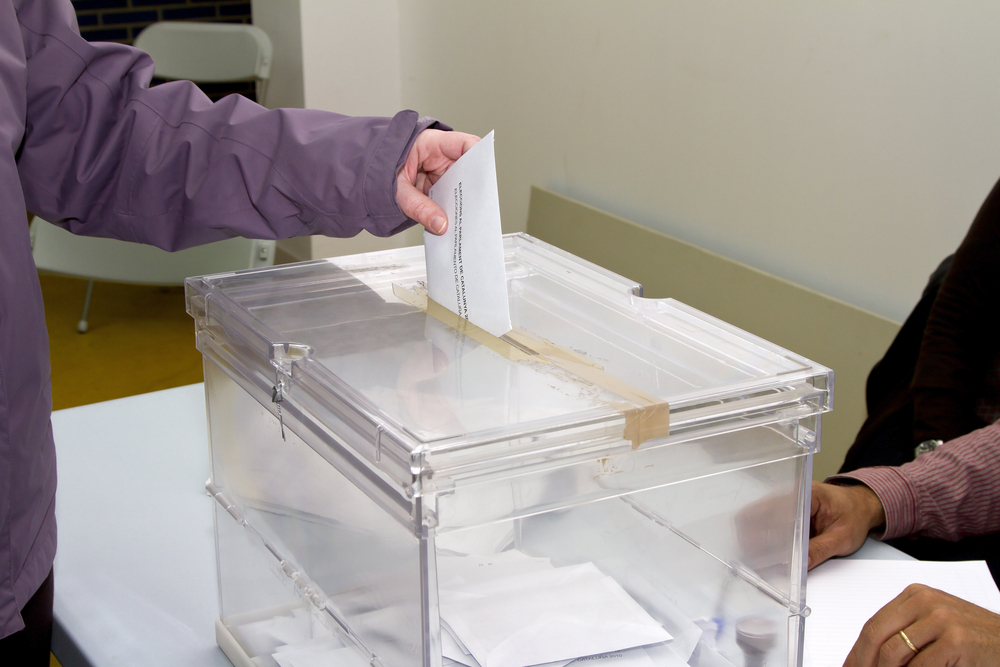
The headline version of the proposal makes it sound as though Welsh politicians could be prosecuted whenever they tell a lie. The actual bill is considerably narrower, because it focuses on statements made during election campaigns rather than creating a general criminal offence covering everything politicians say once they are elected.
There are already restrictions on political deception in Wales. Existing legislation makes it an offence for a candidate to publish a false statement about another candidate’s personal character or conduct when trying to win votes. The proposed law would potentially expand that protection to a much wider range of false statements made for electoral advantage.
That difference could become crucial if the legislation reaches the statute book. A politician making a deliberate false claim about an opponent is easier to identify than a politician making a prediction about the economy, interpreting disputed statistics or promising an outcome based on uncertain evidence.

The Biggest Problem Could Be Defining A Lie
The central question facing the Senedd is brutally simple: where does political argument end and criminal deception begin? Critics of the bill are concerned that the phrase “false or misleading” could be too broad unless lawmakers create extremely precise boundaries around what prosecutors would actually have to prove.
Political campaigns regularly involve claims that cannot be reduced to a simple true-or-false answer. Economic forecasts can change, statistics can be interpreted differently and politicians can make predictions that later prove inaccurate. Treating every incorrect statement as deliberate deception could punish politicians for being wrong rather than for intentionally misleading voters.
The standards committee itself raised serious concerns about the approach. It said it was “not convinced” that creating a new criminal offence would restore public trust and warned that “the risks and unintended consequences currently outweigh the benefits.” That warning has added pressure on lawmakers to make sure the legislation does more than sound tough.
Deliberate Deception Is The Key Distinction
Supporters of criminal enforcement argue that the answer is to focus specifically on intentional deception. Under that approach, the offence would target politicians who knowingly make false factual claims to influence voters, while protecting opinions, rhetoric, political criticism and genuine predictions.
The problem is proving intent. A prosecutor would potentially need to establish not only that a political statement was objectively false, but also that the person making it knew it was false and intended to influence the election by making it.
That could make some cases extremely difficult to pursue. It could also create an unusual situation in which politicians become more cautious about making claims during campaigns because they fear that an opponent could later argue that a disputed statement crossed the legal line.
Politicians Could Face Serious Consequences
The wider reforms considered by the Senedd standards committee show just how significant the potential consequences could become. For elected members who deliberately mislead the public, the proposed system could involve everything from mandatory corrections to suspension and, in extreme cases, recall and removal from office.
For election candidates, the proposed offence could bring police investigation and prosecution through an electoral court if they were accused of making a false statement to gain electoral advantage. That would put political candidates under a standard that is much closer to the legal consequences faced by professionals in other regulated fields.
The proposed consequences could include:
- Public corrections: A politician could be required to retract a false statement, with the correction published on their Senedd profile.
- Suspension: Serious breaches of political standards could result in a member being suspended.
- Recall: In extreme cases, voters could potentially be given a route to remove an elected member.
- Criminal prosecution: Candidates who deliberately make certain false statements during an election could face investigation and prosecution.
The current bill should not be confused with a law that would automatically remove politicians from office for lying. The criminal proposal focuses on election campaign statements, while the separate standards reforms concern the conduct of elected members.
Wales Will Not Have The Law For The Next Election
Despite the dramatic headlines surrounding the proposal, Welsh voters will not be entering the next election with the new offence already in force. The bill will not be ready for the next Senedd election in May, and even if it completes every remaining stage, the new rules would not come into effect until the 2030 election at the earliest.
That timetable has become part of the controversy. Some Senedd members, including politicians from the governing Labour party, have questioned whether the legislation is being pushed forward too quickly and warned that a badly drafted law could create more problems than it solves.
One member cautioned against passing “bad law in a poor way” simply to “make people feel good about themselves.” The criticism reflects a wider concern inside the Senedd: the desire to punish political dishonesty is understandable, but political speech is one of the areas where poorly designed laws can have consequences far beyond the original target.
Free Speech Could Become The Legal Battleground
Political expression receives strong protection under Article 10 of the European Convention on Human Rights, although that protection is not unlimited. Any restriction on political speech must be clearly defined, proportionate and necessary, which could make a vaguely worded offence particularly vulnerable to legal challenge.
Supporters of the bill believe those concerns can be addressed through careful drafting and safeguards. They argue that the law should focus on deliberate factual deception intended to influence voters rather than opinions, rhetoric or claims based on uncertain forecasts.
Critics remain concerned that the distinction could prove difficult in practice. A politician might confidently claim that a policy will produce a particular economic result, only for circumstances to change later. Deciding whether that was a good-faith prediction or a deliberate falsehood could become a legal battle in itself.
Some Experts Want A Different Way To Punish Lies
The debate has also raised questions about whether criminal courts are the best place to police political honesty. Some policy groups have suggested independent oversight bodies, stronger transparency rules and correction mechanisms that would allow false claims to be challenged without turning political disputes into criminal cases.
The Senedd standards committee previously recommended strengthening existing systems for investigating the conduct of elected members rather than introducing criminal sanctions for every misleading statement made outside election periods. That approach would give the parliament greater control over standards without automatically bringing criminal law into political debate.
Sam Fowles, director of the Institute for Constitutional and Democratic Research, supported tougher standards and argued that politicians should be held to expectations of honesty comparable with other professions. “We have professional regulations which require other professions to act honestly,” Fowles said. “We need to hold politicians to the same professional standards we expect from others.”
Wales Is Testing A Rule Other Democracies Are Watching
The appeal of the proposal is obvious. Elections depend on voters having reliable information, and deliberately misleading people can influence decisions before the truth has a chance to catch up. Giving politicians a real consequence for intentional deception could therefore change the calculation behind some campaign claims.
But the same law could become dangerous if it is written too broadly. Democratic debate depends on politicians being able to argue, criticize, predict and challenge each other’s interpretation of complicated evidence without fearing criminal prosecution every time someone disputes their version of events.
Wales now has to decide whether it can draw that line clearly enough for a criminal court. If it succeeds, other democracies may study the Welsh model closely. If it fails, the world’s first attempt to criminalize political lies could become a warning about how difficult it is to legislate honesty without restricting political speech.
The real test will come when lawmakers have to define exactly what a politician must prove before a political lie becomes a crime.