
Your cart is currently empty!
Walking Through the Bible: The Video Game Changing How Faith Is Experienced
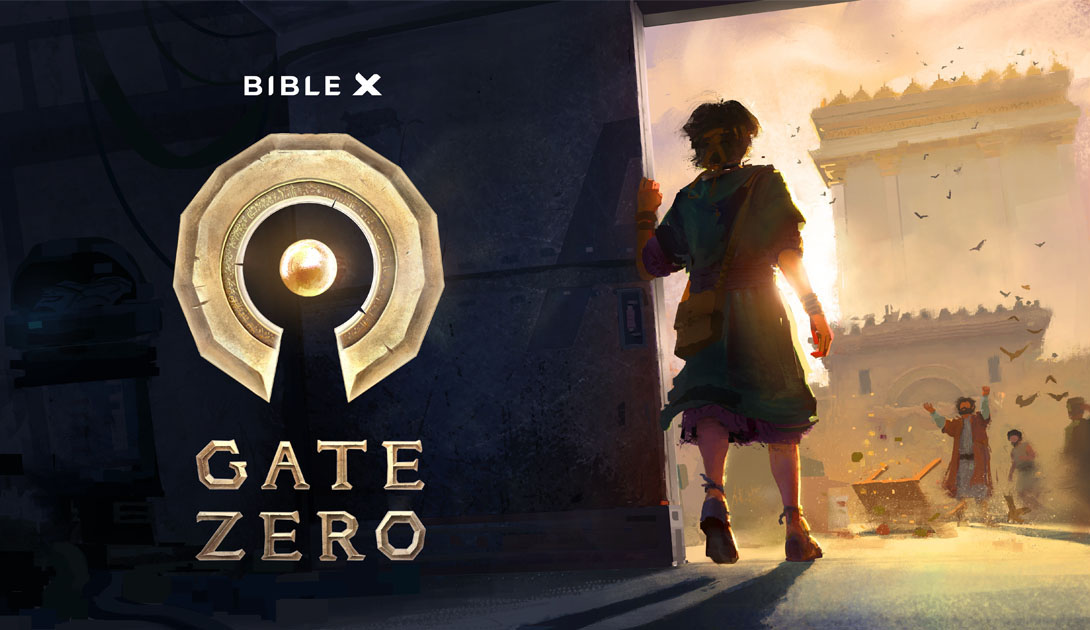
Imagine opening a video game and finding yourself standing on the sun-baked streets of ancient Jerusalem. Stone walls stretch around you, merchants pass by speaking unfamiliar languages, and history feels close enough to touch. This is not fantasy or historical fiction in the traditional sense. It is the vision behind Gate Zero, a Bible-based video game that is redefining how people engage with Scripture in the digital age.
Contents
show
Developed by Bible X, Gate Zero is gaining attention not just for its religious foundation, but for how seriously it treats both faith and gameplay. Rather than turning biblical stories into simplified missions or abstract symbolism, the game invites players to walk through Scripture by exploring the physical and cultural world in which the Bible was written.
As conversations around faith, technology, and education continue to evolve, Gate Zero sits at a fascinating intersection. It raises important questions about how ancient texts can be experienced in modern ways and whether interactive media can deepen understanding rather than distract from it.
What Is Gate Zero and How Does It Work?
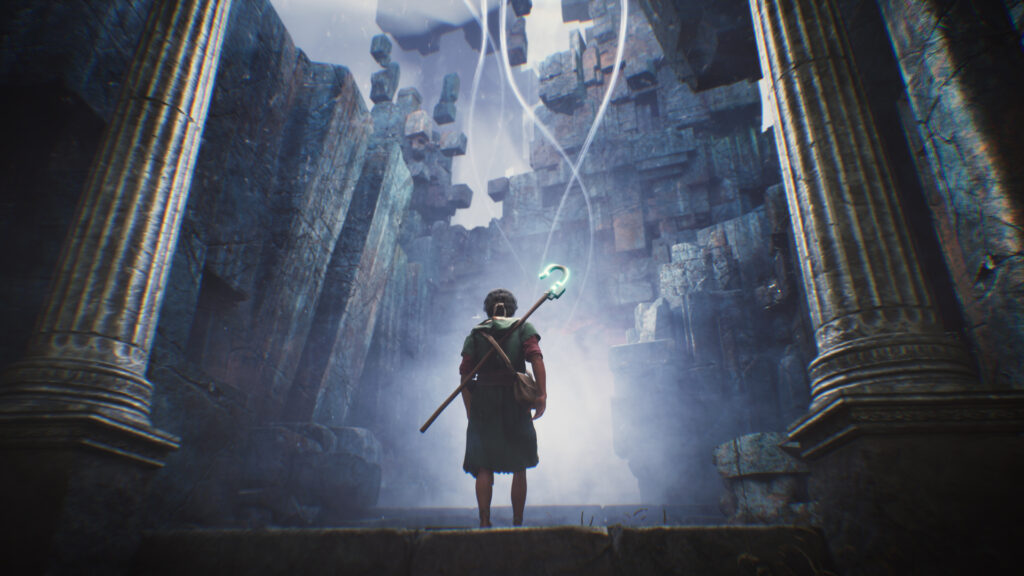
Gate Zero is described by its creators as a Bible exploration action-adventure game. Players take on the role of Max, a character from a dystopian future, who travels back in time using a mysterious machine called Gate Zero. This device allows access to key moments and locations from biblical history, placing players directly inside the world of Scripture.
Unlike many faith-based games of the past, Gate Zero is not structured as a series of moral lessons or quizzes. Instead, it emphasizes exploration, environmental storytelling, and discovery. Players walk through historically inspired cities, interact with non-playable characters, and uncover context that surrounds biblical events rather than simply reenacting them.
The game blends light combat, puzzle-solving, and narrative exploration, but its primary focus is immersion. Developers have emphasized that the goal is not to replace reading the Bible, but to help players understand the cultural, political, and social environment in which biblical stories unfolded.
This approach makes Gate Zero feel less like a sermon and more like a living museum, one that allows players to move at their own pace and draw personal insights from what they see and experience.
Bringing the World of the Bible to Life
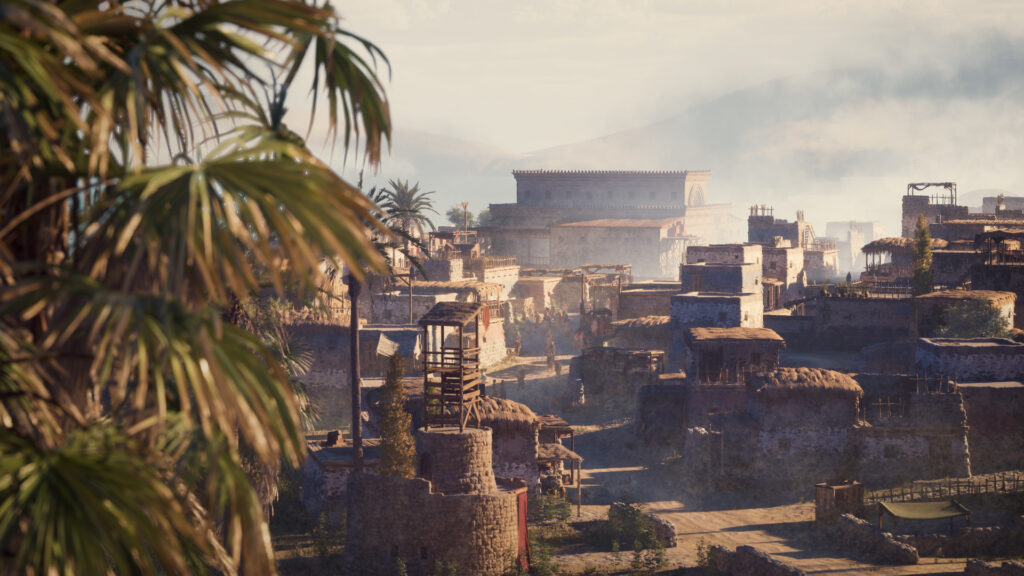
One of Gate Zero’s most ambitious elements is its commitment to historical authenticity. Bible X has worked to reconstruct ancient locations using archaeological research, historical scholarship, and biblical references. Cities like Jerusalem and regions such as Galilee are designed to feel lived in rather than symbolic.
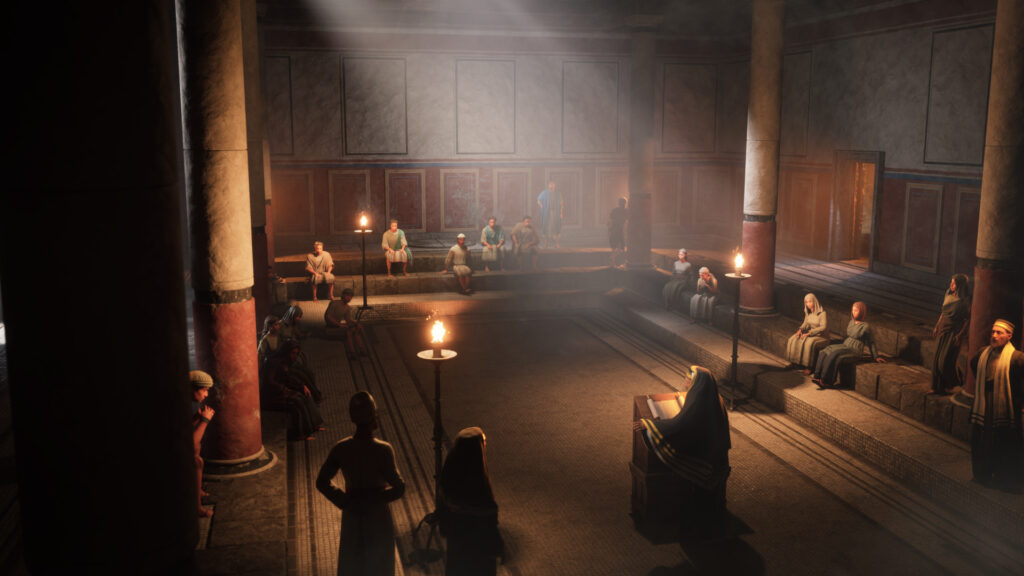
Everyday details matter in this world. Architecture reflects the period, clothing aligns with historical understanding, and social hierarchies are visible in how characters interact. This level of detail helps players grasp the reality of daily life during biblical times, something that is often lost when Scripture is read without context.
The game does not attempt to visually depict God or spiritual events in sensational ways. Instead, it focuses on the human experience surrounding biblical narratives. By doing so, it encourages players to consider Scripture as something rooted in real places and real struggles, rather than distant mythology.
For many players, this visual and spatial approach makes familiar stories feel new again. Walking through environments that resemble the settings of Scripture can spark curiosity, reflection, and a deeper emotional connection to the text.
From Vision to Crowdfunding Success
Gate Zero began as a bold idea from a small development team with a clear mission: to make the Bible accessible and engaging for a generation raised on video games and interactive media. Bible X, the studio behind the project, initially experimented with creating a 3D model of ancient Jerusalem as an educational tool.
As interest grew, the concept expanded into a full video game, and the team turned to crowdfunding to bring it to life. In 2023, Gate Zero launched on Indiegogo with a funding goal that reflected the project’s ambitious scope.
The response exceeded expectations. Thousands of backers from around the world supported the game, demonstrating that there was a strong appetite for a faith-based project that treated both gaming and Scripture with respect. This financial backing allowed the team to expand development, hire additional talent, and refine the game’s mechanics and visuals.
Crowdfunding also created a community around Gate Zero. Backers became invested not just financially, but emotionally, following updates and offering feedback as the game continued to take shape.
Critical Reactions and Early Impressions
Early previews and demos of Gate Zero have generated thoughtful discussion among reviewers and players. Many have praised the game’s atmosphere, music, and visual ambition, noting that it feels sincere rather than exploitative of its religious subject matter.
At the same time, critics have offered measured feedback. Some have pointed out that the gameplay systems are still developing and that the narrative needs to fully come into its own to match the strength of the world design. These critiques are not dismissive, but reflective of the expectations placed on any serious game project.
Faith-based audiences, meanwhile, have responded with curiosity and cautious optimism. Discussions online often center on how accurately the game represents Scripture and whether interactive storytelling can coexist with theological integrity.
Rather than shying away from these conversations, the developers have embraced them, emphasizing transparency and a willingness to listen as the project evolves.
A New Way to Engage With Faith
Gate Zero arrives at a time when many people are rethinking how they engage with religion. Traditional forms of study and worship remain important, but digital tools are increasingly being used to supplement and enhance understanding.
For younger audiences especially, interactive experiences can provide an entry point into subjects that might otherwise feel distant or intimidating. By presenting Scripture within a navigable world, Gate Zero offers a way to explore faith that aligns with contemporary learning styles.
Educators and parents have also noted the potential value of the game as a teaching aid. While it is not a replacement for Scripture, it can serve as a visual and experiential companion, helping learners visualize places, customs, and historical realities.
Beyond Christianity, Gate Zero raises broader questions about how sacred texts of all traditions might be explored through interactive media and what responsibilities creators have when translating belief into gameplay.

The Enduring Impact of Gate Zero
Gate Zero is not just another niche video game. It represents a larger cultural shift in how stories, history, and faith are experienced in the modern world. By inviting players to walk through Scripture rather than simply read it, the game challenges assumptions about what religious media can be.
Its success so far suggests that there is room for thoughtful, respectful faith-based projects within the gaming industry. It also shows that players are open to experiences that prioritize reflection and understanding alongside entertainment.
As Gate Zero moves closer to full release, its ultimate impact remains to be seen. What is already clear, however, is that it has started an important conversation about faith, technology, and the power of immersive storytelling.
Perhaps most importantly, Gate Zero encourages players to slow down and engage with Scripture in a way that feels personal and contemplative. In a digital world often defined by speed and distraction, the game offers a rare invitation to pause, explore, and reflect, reminding players that ancient stories can still speak powerfully through modern tools.
Featured Image Credit: Courtesy of Gate Zero | Facebook