
Your cart is currently empty!
3240 Walmart Soup Kits Recalled After Listeria Test Raises Concern
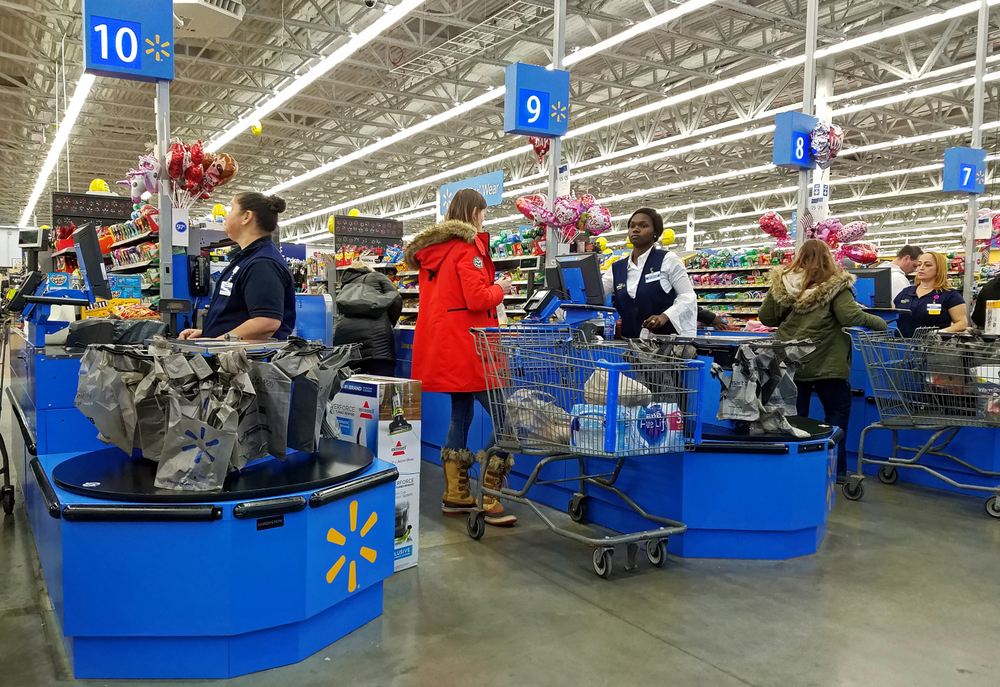
Thousands of shoppers could have a recalled soup sitting in their refrigerators after a popular Walmart product was pulled from the market over possible Listeria contamination. The recall involves 3,240 Marketside Tomato Bisque Soup Kits that were sold at select Walmart stores across 29 states.
Contents
show
Kettle Cuisine LLC initiated the recall after routine company testing produced a presumptive positive result for Listeria monocytogenes, according to the U.S. Food and Drug Administration. The company is continuing its investigation with the FDA, and there have been no confirmed reports of illness connected to the recalled product so far.
The affected soup is sold under Walmart’s Marketside brand and comes in a 14-ounce package. Shoppers should check their refrigerators carefully because the product was distributed between June 30 and July 7, 2026, and carries a use-by date of August 22, 2026.
The Recall Covers 3,240 Soup Kits
Kettle Cuisine LLC, the Maryland-based company that manufactures the product, initiated the recall after routine testing produced a presumptive positive result for Listeria monocytogenes.
The U.S. Food and Drug Administration published the company’s recall announcement on August 13, 2026. The company announcement was dated August 12.
The affected product is sold under Walmart’s Marketside brand. It is a 14-ounce Tomato Bisque Soup Kit packaged in a wrapped tray.
The recall covers products with UPC 194346474004 and a use-by date of August 22, 2026.
The products were distributed from June 30 through July 7 and were sold exclusively at select Walmart stores in 29 states.
That means shoppers do not need to assume every Marketside tomato soup product is affected. The recall applies specifically to the product description, package size, UPC and date listed by the FDA.
Check These Details Before Eating It

Consumers who have a Marketside Tomato Bisque Soup Kit at home should check the packaging carefully.
The recalled product can be identified by these details:
- Brand: Marketside
- Product: Tomato Bisque Soup Kit
- Package size: 14 ounces (397 grams)
- UPC: 194346474004
- Use-by date: August 22, 2026
- Quantity recalled: 3,240 packs
The product information matches the recall details reported by the FDA and multiple reports covering the announcement.
The safest move is simple if the package matches all of those details: do not eat it.
Why Kettle Cuisine Recalled The Product
The recall began after routine testing conducted by Kettle Cuisine generated what the company described as a presumptive positive result for Listeria monocytogenes.
That distinction is important. The available recall information says the testing raised a contamination concern and that the company is continuing its investigation in coordination with the FDA.
The announcement does not say that every package in the recalled group contains Listeria. It identifies the products as potentially contaminated and tells consumers not to consume them.
The company also reported that it had received no confirmed reports of illnesses associated with the recalled soup.
The investigation therefore remains significant even though there are no confirmed illnesses tied to the product at this point.
Food recalls can be issued when testing identifies a potential hazard before illnesses are reported. Removing the affected products gives regulators and manufacturers an opportunity to investigate the source while limiting additional exposure.
For shoppers, the important point is that a lack of reported illness does not make the recalled product safe to eat.
These 29 States Received The Recalled Soup
The affected Marketside soup kits were distributed to select Walmart locations in 29 states.
Those states are:
- Arkansas
- California
- Colorado
- Connecticut
- Delaware
- Georgia
- Iowa
- Illinois
- Indiana
- Kansas
- Kentucky
- Louisiana
- Maryland
- Missouri
- Mississippi
- North Carolina
- New Jersey
- New Mexico
- Nevada
- New York
- Ohio
- Oklahoma
- Oregon
- Pennsylvania
- Texas
- Virginia
- Vermont
- Wisconsin
- West Virginia
The distribution window ran from June 30 through July 7, according to the recall announcement.
The geographic spread means the recall is relevant to shoppers in several major population centers, including California, Texas, New York, Pennsylvania and New Jersey.
However, the FDA notice specifies select Walmart stores rather than every Walmart location in those states.
That makes the package information especially important. A shopper should check the actual product rather than assuming that every Marketside soup kit is part of the recall.
Listeria Can Cause Serious Illness

Listeria monocytogenes is a type of bacteria that can contaminate food and cause listeriosis.
For many healthy people, infection can result in gastrointestinal symptoms or other short-term illness. The symptoms listed in the recall information include fever, muscle aches, nausea, vomiting and diarrhea.
More serious illness can involve symptoms such as severe headache, stiff neck, confusion, loss of balance and convulsions.
The health risk is particularly serious for certain groups, including young children, older adults and people with weakened immune systems.
Pregnancy also makes Listeria exposure especially concerning. Infection during pregnancy can lead to miscarriage or stillbirth, according to the FDA recall information.
That is why the recall notice does not simply tell consumers to heat the soup thoroughly or eat it quickly.
The instruction is to avoid consuming the recalled product altogether.
You Cannot Tell If The Soup Is Safe By Looking At It
One detail in the recall notice could be easy to overlook, but it is particularly relevant for anyone who has already handled the soup.
The FDA said consumers should not rely on smell or appearance to determine whether the product is safe.
That means a package that looks normal should not be treated as automatically safe if it matches the recalled product information.
Foodborne bacteria do not necessarily produce obvious changes that shoppers can detect before eating a product. In this case, the recall was triggered by testing rather than by reports that consumers noticed something unusual about the soup.
Anyone who finds the recalled product in their refrigerator should therefore resist the temptation to open it, smell it or taste a small amount.
The safest approach is to leave it alone and follow the recall instructions.
Consumers are also advised to wash their hands after handling the product and clean and sanitize refrigerators, containers, utensils, countertops and other surfaces that may have come into contact with it.
What Shoppers Should Do With The Soup
The FDA’s instructions are straightforward: consumers should not eat, serve, sell or distribute the recalled product.
They can either dispose of the soup kit or return it to the place where it was purchased for a refund.
That advice also applies if the product has been sitting untouched in a refrigerator and appears perfectly normal.
If someone has already handled the package, washing their hands and cleaning potentially contaminated surfaces is recommended.
There is also a reason not to pass the product along to someone else.
Giving the soup to a friend, family member or neighbor would simply move the potential food safety risk to another household. The recall applies to the product itself, regardless of who purchased it.
Anyone who believes they ate the recalled soup and later develops symptoms consistent with listeriosis should contact a healthcare provider, according to the FDA notice.
Pregnant people who develop fever or other symptoms after possible exposure should contact a healthcare provider promptly.
The Recall Does Not Mean Every Tomato Soup Is Affected
The word “recall” can make a product category feel suddenly suspect, but the announcement is much narrower than that.
The recall concerns one specific Marketside Tomato Bisque Soup Kit manufactured by Kettle Cuisine. It does not identify all tomato soup products at Walmart as affected.
The recalled package is also distinct from other Marketside soups currently listed by Walmart.
Walmart’s product listings show that Marketside sells several refrigerated soup varieties, including tomato bisque, chicken tortilla soup, chicken and sausage gumbo and other prepared soups.
The recalled item is specifically identified by its UPC, package size and use-by date.
That is why checking the label is more useful than simply remembering that a particular Walmart sells the brand.
Shoppers who have several prepared soups in the refrigerator should compare each package against the recall information rather than throwing away unrelated products.
Why The Timing Makes The Label Important

The recalled kits were distributed during a defined period, from June 30 through July 7.
The product also carries a use-by date of August 22, 2026.
That date makes the recall especially relevant for consumers who purchased the soup as a convenient refrigerated meal and planned to eat it later.
A product can remain in a refrigerator for days after purchase, meaning someone could encounter the recall notice well after bringing the soup home.
This is one reason food recall notices include specific identifying information instead of relying only on a brand name.
The UPC and date help shoppers distinguish the affected product from other versions that may look similar.
The same principle applies when checking a refrigerator shared by several members of a household. If one person bought the soup, another person may not know that it is subject to a recall.
A quick label check can settle the question.
No Confirmed Illnesses Have Been Reported
Perhaps the most reassuring detail in the recall is also one of the easiest to miss.
Kettle Cuisine has reported no confirmed illnesses associated with the recalled product.
That does not eliminate the concern behind the recall. It does provide important context about what is currently known.
The company initiated the recall because routine testing produced a presumptive positive result. The investigation is continuing with the FDA.
At this stage, the available information does not establish that consumers have become sick from the soup.
It also does not establish that every recalled package is contaminated.
The recall exists because the potential risk is considered serious enough that consumers should avoid the product while the investigation proceeds.
That distinction is important because food safety reports can easily become exaggerated when a potentially contaminated product is described online as definitively dangerous.
The FDA’s notice supports a more precise conclusion: the affected soup has the potential to be contaminated with Listeria monocytogenes, and consumers should not eat it.
What Listeria Symptoms Should Consumers Watch For?
People who have consumed the recalled product do not necessarily become sick.
However, the FDA recall notice identifies a range of symptoms associated with listeriosis, including fever, muscle aches, nausea, vomiting and diarrhea. More severe illness can involve neurological symptoms such as headache, stiff neck, confusion, loss of balance and convulsions.
The groups at greatest risk of severe infection include young children, older adults and people with weakened immune systems.
Pregnant people face a different concern because Listeria infection can affect pregnancy even when the pregnant person does not develop severe symptoms.
Anyone concerned about possible exposure should pay attention to symptoms and seek medical advice when appropriate.
The recall notice specifically tells consumers who ate the recalled product and develop symptoms of listeriosis to contact a healthcare provider.
It also advises pregnant people to contact a healthcare provider promptly if they experience fever or other symptoms after possible exposure.

The Investigation Is Still Underway
Kettle Cuisine said it is continuing its investigation in coordination with the FDA.
That means there are still questions surrounding the presumptive positive result and the source of the potential contamination.
The recall information available now does not identify a particular ingredient as the source of the concern.
It also does not announce additional affected products or lots beyond the Marketside Tomato Bisque Soup Kit identified in the recall.
Those details could change as the investigation develops, which is why consumers should rely on the specific recall information rather than speculation circulating online.
The FDA’s recall system is designed to provide consumers with product identification information and instructions when companies take action over potential food safety problems.
For this recall, the instructions are clear even while the investigation continues.
Do not eat the product.
Do not sell or serve it.
Return it for a refund or dispose of it, and clean surfaces that may have come into contact with it.
What To Do If You Find One In Your Refrigerator
For anyone in one of the affected states, checking the refrigerator is the most useful step.
Look for the Marketside Tomato Bisque Soup Kit and compare its label with the recalled product information. The critical identifiers are the 14-ounce size, UPC 194346474004 and use-by date of August 22, 2026.
If all of those details match, do not eat the soup even if it looks and smells normal.
The product should be disposed of or returned to the Walmart where it was purchased for a refund.
After handling it, wash your hands. If the package has been stored in a refrigerator or placed on a counter, clean and sanitize surfaces that may have contacted the product.
Consumers with questions about the recall can contact Kettle Cuisine’s hotline at 617-409-1104, according to the recall announcement.
For shoppers who have not purchased the affected product, there is no indication in the recall notice that they need to avoid Walmart or stop buying other soup products.
The warning is specific to the recalled Marketside Tomato Bisque Soup Kit.
A few minutes spent checking the label can make the difference between an overlooked recall and a product safely removed from the refrigerator.
The soup may look completely ordinary. That is precisely why the package information, rather than appearance or smell, is what consumers should trust.