
Your cart is currently empty!
Warren Buffett Cuts Off Bill Gates Following Epstein Files Fallout
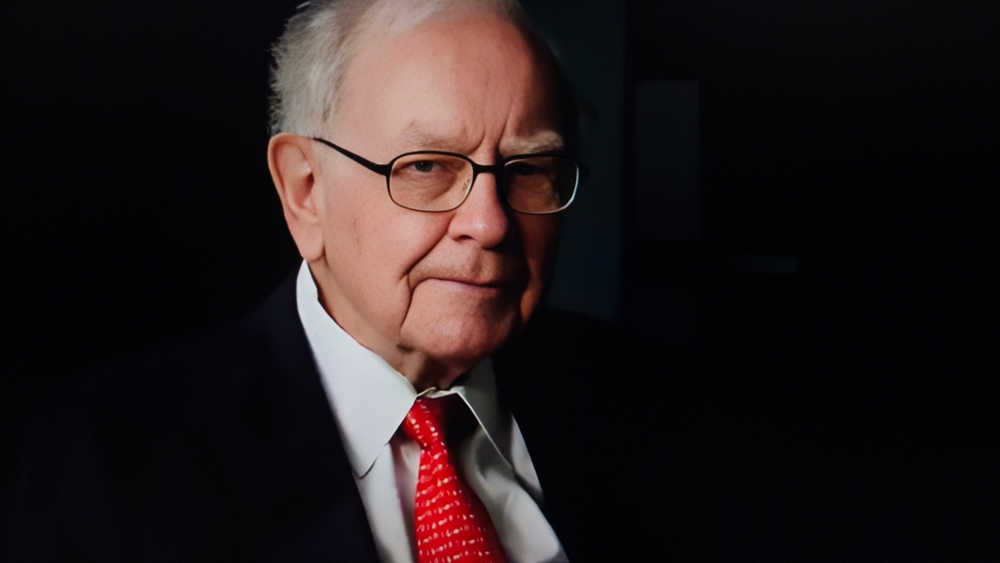
The world of billionaires often appears polished, controlled, and quietly coordinated behind closed doors, where relationships are built over decades and strengthened through shared influence, wealth, and ambition. Among the most recognizable partnerships in that world was the bond between Warren Buffett and Bill Gates, a relationship that extended far beyond business into philanthropy and public life. For years, they represented a rare alliance between two of the richest men alive who were not only focused on building fortunes but also on redistributing them in ways that shaped global health, education, and poverty reduction efforts. Their connection seemed steady, almost immune to the kinds of controversies that frequently disrupt powerful networks.
Contents
show
That perception has now shifted in a significant and very public way following the resurfacing of details tied to Jeffrey Epstein and his connections with high-profile individuals. In a moment that has drawn widespread attention, Buffett made it clear that his communication with Gates has completely stopped since new information came to light. The statement was direct and left little room for interpretation, signaling not just discomfort but a deliberate decision to create distance. In a world where silence often protects alliances, this kind of statement stands out, suggesting that the implications of the situation reach far beyond a private disagreement and into something much more serious.

A Friendship That Defined Modern Philanthropy
For decades, Warren Buffett and Bill Gates stood as examples of how wealth and influence could be redirected toward global good, with both men repeatedly emphasizing that money carried a responsibility beyond personal gain. Their collaboration was not symbolic or occasional, but deeply rooted in long-term commitments that influenced how other billionaires approached giving. When they worked together, it was often with a sense of shared purpose that resonated across industries and countries, reinforcing the idea that even the most powerful individuals could unite around collective impact.
One of their most significant joint efforts came in 2010 when they launched The Giving Pledge alongside Melinda Gates, encouraging the world’s wealthiest individuals to commit a large portion of their fortunes to charitable causes. This initiative quickly became one of the most influential philanthropic movements in modern history, attracting participation from billionaires across sectors. Buffett’s own contributions reflected that commitment tangibly, as he donated more than 43 billion dollars to the Gates Foundation over the years, making it one of the largest philanthropic collaborations ever recorded.
Their relationship was also visible in public appearances, interviews, and events where they often spoke about long-term global challenges and the role of private wealth in addressing them. Buffett frequently praised Gates for his intelligence and dedication, while Gates acknowledged Buffett’s consistency and generosity. This mutual respect created an image of stability and trust that made their partnership stand out in a landscape where rivalries and disagreements are far more common.
That long-standing foundation is what makes the current situation feel so striking, because it represents a shift not only in communication but in the perception of a relationship that once appeared unshakable.
The Epstein Files Resurface Old Associations
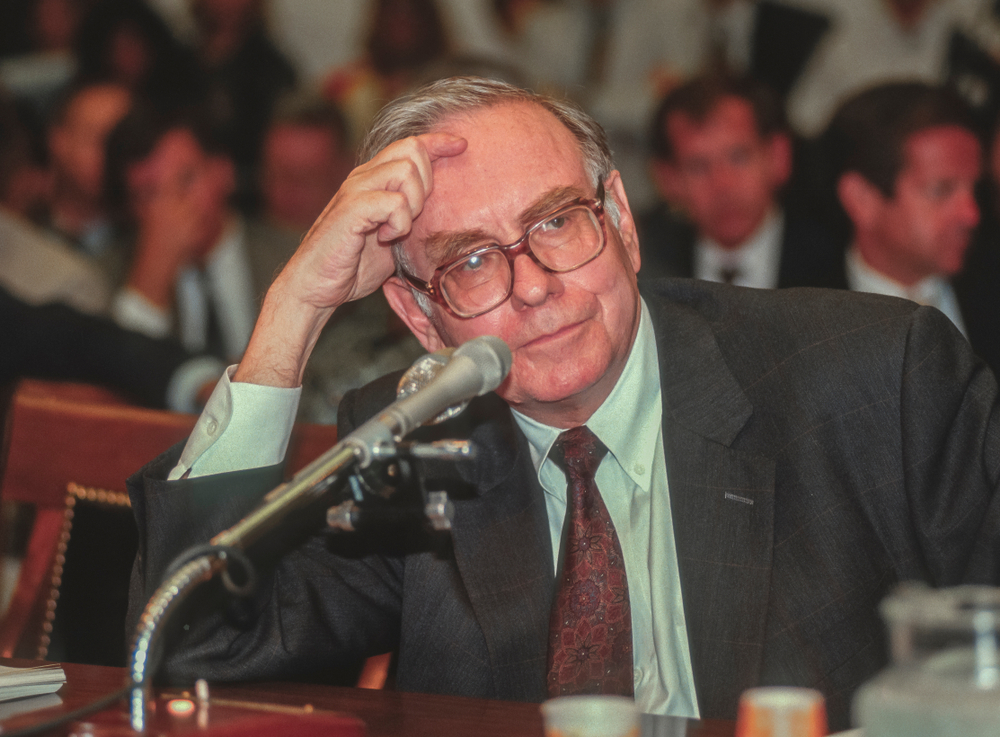
The release of documents connected to Jeffrey Epstein has once again brought attention to the network of relationships he maintained with influential figures, many of whom have faced renewed scrutiny as more details have emerged. Epstein, who had previously pleaded guilty in Florida state court to soliciting an underage girl for prostitution, remained connected to powerful individuals even after his conviction, raising ongoing questions about how those relationships were formed and maintained.
Newly revealed emails and photographs highlighted Bill Gates’ association with Epstein beginning in 2011, which was several years after Epstein’s legal troubles were already known. These details have led to increased public discussion about the nature of their interactions, the context in which they met, and what information may have been available at the time. As more material has surfaced, the situation has evolved from a past association into an active topic of investigation and public debate.
Gates has addressed the matter by stating, “I did nothing illicit. I saw nothing illicit,” while also acknowledging that his connection to Epstein was a mistake. Reports have indicated that he apologized to staff at the Gates Foundation for the association, reflecting an awareness of how the situation has affected both his personal reputation and the organization’s standing. At the same time, the complexity of the issue has made it difficult to separate personal accountability from broader public perception.
The renewed attention on these connections has not only impacted Gates but has also created ripple effects across individuals who were part of overlapping networks, bringing past interactions back into focus under a much more critical lens.

Buffett’s Clear and Calculated Distance
When asked directly about his relationship with Gates, Warren Buffett responded in a way that was both simple and revealing, making it clear that there has been no communication between them since the situation became public. He stated, “I haven’t talked to him at all since the whole thing was unveiled,” a remark that immediately signaled a complete pause in what had once been a close and consistent connection. The phrasing left no ambiguity and suggested that the decision was intentional rather than circumstantial.
Buffett went further by explaining his reasoning, emphasizing that his choice was tied not only to personal judgment but also to legal awareness. He said, “I don’t want to be in a position where I know things … to be called as a witness,” highlighting a concern about being drawn into potential investigations or legal proceedings. This perspective reflects a cautious approach that aligns with Buffett’s long-standing reputation for careful decision-making, particularly in situations that carry significant risk.
He also added, “I think until it gets cleared up, it doesn’t make sense to do a lot of talking,” reinforcing the idea that his silence is conditional but firm for now. This statement suggests that the distance is not necessarily permanent, but it is firmly in place until more clarity emerges. The emphasis on waiting for resolution indicates that Buffett is treating the situation as ongoing rather than settled.
Another remark that drew attention was his candid admission, “I don’t want to be under oath,” which underscored the seriousness of the circumstances and his desire to avoid any involvement that could place him in a formal legal setting. Taken together, these comments present a picture of a deliberate and carefully considered withdrawal rather than an emotional reaction.
A Scathing Assessment of Epstein
While Buffett remained measured in his comments about Gates, his description of Jeffrey Epstein was far more direct and critical, offering insight into how he views the broader situation. He stated, “It is astounding to me that anyone could be that successful as a con man,” expressing disbelief at the scale and effectiveness of Epstein’s actions. This remark reflects not only criticism but also a sense of shock at how widespread Epstein’s influence became.
Buffett continued by explaining how he believed Epstein operated, saying, “Men are going to like sex … and some of them are going to like not paying taxes, and he figured out their weaknesses,” which suggests that Epstein’s approach involved identifying and exploiting personal vulnerabilities. This perspective frames Epstein’s network not as a series of random connections but as the result of calculated behavior designed to gain leverage and trust.
He reinforced this view with another statement, “That guy must have been the con man of all time,” emphasizing the scale of deception involved. The repetition of this idea highlights how strongly Buffett feels about Epstein’s ability to manipulate people across different levels of power and influence. It also provides context for why associations with Epstein continue to carry such significant consequences.
Buffett also acknowledged that he could have been introduced to Epstein through Gates, but was not, stating that he was grateful for that outcome. This detail adds a personal dimension to his comments, illustrating how close certain connections may have come to forming and how different circumstances might have led to very different situations.

Gates Responds and Faces Scrutiny
Bill Gates has taken steps to address the growing scrutiny surrounding his past association with Epstein, though the situation remains complex and ongoing. In addition to his public statement denying wrongdoing, he has reportedly engaged internally with the Gates Foundation, acknowledging the impact that the controversy has had on the organization and its employees. This response indicates an awareness that the issue extends beyond personal reputation into institutional credibility.
He has also agreed to testify before the House Oversight Committee regarding his dealings with Epstein, a move that signals a willingness to participate in formal review processes. While the timing of that testimony has not been finalized, the decision to appear suggests that Gates is prepared to answer questions under official conditions. This step may play a significant role in shaping how the situation is understood moving forward.
Despite these efforts, the distinction between legal responsibility and public perception remains difficult to navigate. Even in cases where no wrongdoing is established, the existence of a connection can influence how individuals are viewed, particularly when the details continue to emerge over time. This dynamic has been a defining feature of the broader response to the Epstein files.
As more information becomes available, Gates’ responses and actions will likely continue to be examined closely, both in terms of their content and their timing.
The Broader Fallout of the Epstein Files
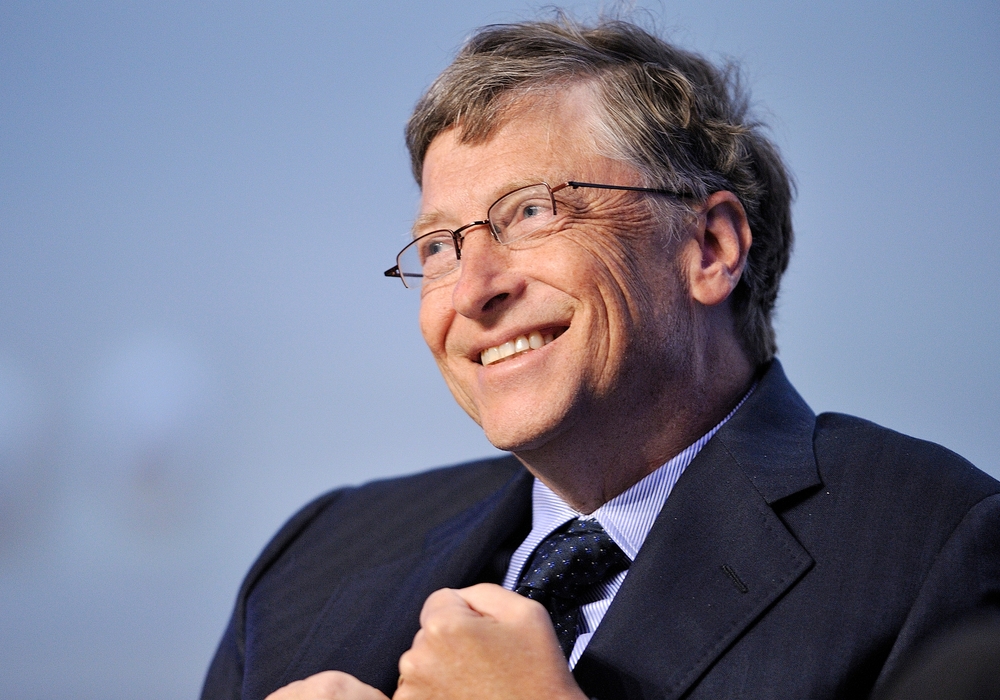
The impact of the Epstein files has extended well beyond any single individual, affecting a wide range of figures across business, politics, and public life. As documents have been released and reviewed, connections that were once private have become part of public discussion, leading to reassessments of past relationships and decisions. This process has created an environment where even indirect associations are subject to scrutiny.
One of the most significant aspects of this situation is the way it highlights the long-lasting consequences of personal and professional connections. Relationships that may have seemed routine at one point can take on new meaning when viewed through the lens of later events. This has prompted many individuals and organizations to reevaluate how they engage with networks of influence and how they assess potential risks.
The situation has also underscored the importance of transparency and accountability, particularly for those in positions of power. As more information becomes accessible, expectations around openness have increased, with the public demanding clearer explanations and more direct responses. This shift reflects a broader change in how authority and trust are understood in a highly connected world.
In this context, the reactions of figures like Buffett and Gates are not only personal decisions but also part of a larger narrative about how influence, responsibility, and reputation intersect.
A Friendship Paused or Permanently Changed
Although Buffett spoke respectfully about his past relationship with Gates, his decision to cut off communication suggests a significant shift that cannot be easily dismissed. The absence of contact is not framed as temporary in emotional terms, but rather as a necessary step given the current circumstances. This creates a situation where the future of their relationship remains uncertain.
Several factors could influence what happens next, including the outcome of ongoing reviews, the content of Gates’ testimony, and whether additional information comes to light. Each of these elements has the potential to reshape how the situation is understood and how individuals choose to respond to it. Until then, the lack of interaction serves as a clear indicator of the seriousness of the moment.
At the same time, Buffett’s acknowledgment of their history suggests that the connection has not been entirely erased on a personal level. This duality reflects the complexity of long-term relationships, where professional decisions and personal regard do not always align in straightforward ways.
The uncertainty surrounding this dynamic is part of what makes the story so compelling, as it leaves open the question of whether reconciliation is possible or whether the distance will become permanent.
Berkshire Hathaway, Bill Gates, billionaire news, breaking news, business news, celebrity news, controversy, Epstein files, Epstein scandal, finance news, Gates Foundation, global elites, high profile figures, investigations, Jeffrey Epstein, Philanthropy, public statements, The Giving Pledge, US news, Warren Buffett