
Your cart is currently empty!
What Pope Leo Said About ‘MAGA Jesus’ Is Dividing the Internet
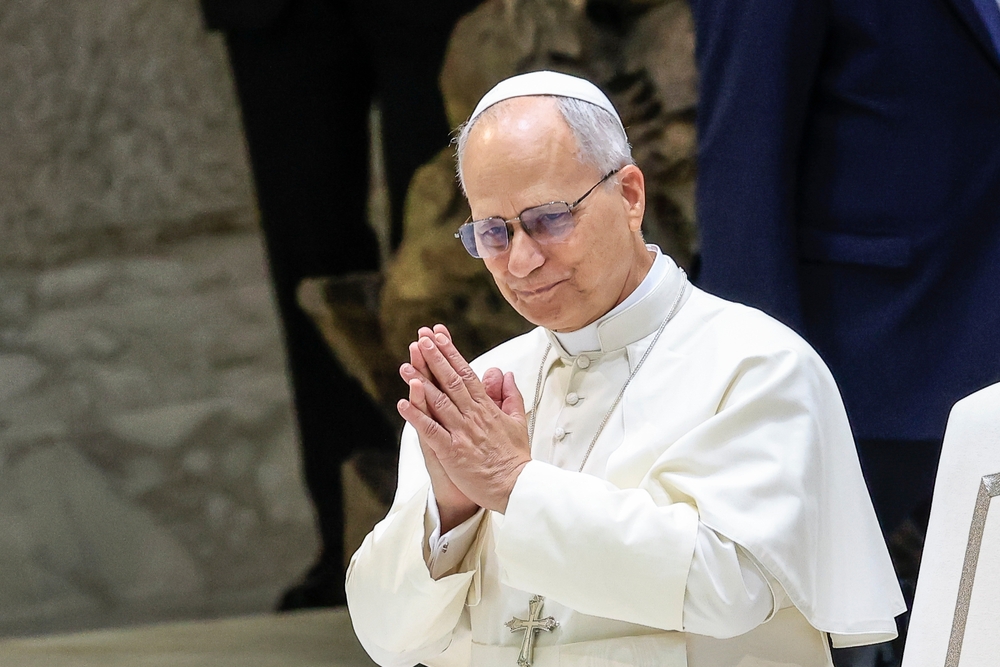
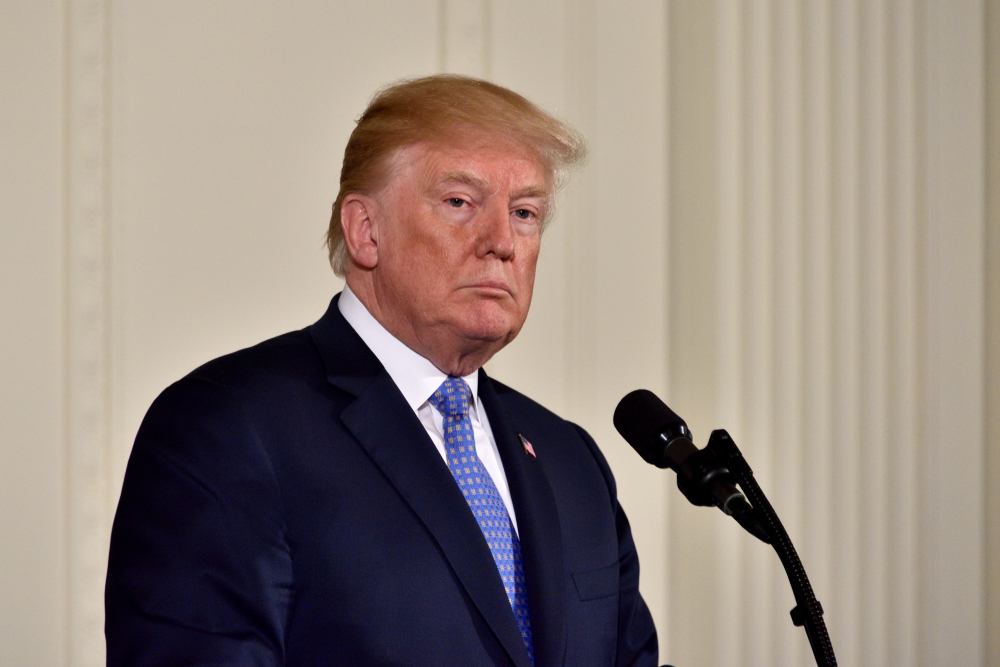
The clash between Pope Leo XIV and Donald Trump is not just another headline designed to dominate a single news cycle before fading into the background. It reflects a deeper and more consequential struggle that has been building for years beneath the surface of American political and religious life. What is unfolding is not simply a disagreement between a religious leader and a political figure, but a confrontation over the meaning of faith itself and how it should be expressed in moments of national and global tension. The stakes are far greater than personalities, and the outcome of this ideological tension could shape how millions of people understand Christianity in the modern world.
Contents
show
As geopolitical pressure grows, particularly with the looming threat of prolonged conflict involving Iran, this divide is becoming more visible and more urgent. Religion is no longer operating quietly in the background of political discourse but is being actively invoked, reshaped, and in some cases redefined to justify positions of power, war, and national identity. At the center of this moment is a profound question that cuts across politics, theology, and culture. It is not just about who is right or wrong, but about what Christianity represents today and whether its core message is being preserved or transformed into something entirely different.
The Rise of “MAGA Jesus”
In recent years, a powerful and controversial interpretation of Christianity has gained traction within segments of American political culture, often referred to by critics as “MAGA Jesus.” This version presents a striking departure from the traditional teachings many associate with the figure of Jesus Christ, shifting away from themes of humility, forgiveness, and compassion toward an image that emphasizes strength, dominance, and confrontation. It is not a subtle reinterpretation but a dramatic reimagining that aligns closely with political identity and nationalistic ideals.
This version of Christ draws heavily from the imagery found in the Book of Revelation, where Jesus is described with “eyes like ‘flames of fire’ and ‘a robe dipped in blood’ who leads the armies of heaven while riding a white horse.” This portrayal has been embraced in certain circles as a symbol of righteous القوة and divine authority in times of conflict, standing in stark contrast to the image taught in many churches of a nonviolent teacher who preached “blessed are the meek.” The difference between these two visions is not just theological but deeply cultural, reflecting competing ideas about leadership, morality, and purpose.
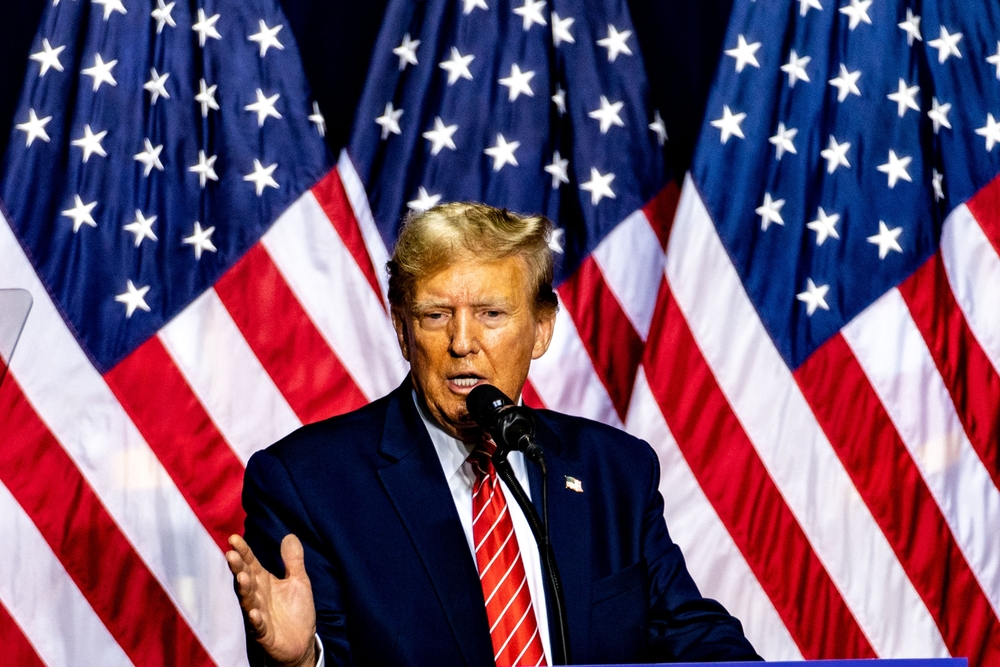
The imagery has moved beyond religious texts and into public political expression. At rallies and across social media, depictions of Jesus wearing a red MAGA hat have become a recognizable symbol, reinforcing the connection between faith and political allegiance. This narrative was echoed when Trump suggested that God supports America’s war with Iran, framing military action not just as strategic or necessary but as something aligned with divine will. Statements like these carry weight because they blend belief with policy, making it harder to separate spiritual conviction from political justification.
Critics have warned that this shift represents a significant departure from the ethical teachings traditionally associated with Christianity. Peter Wehner observed that such movements are “prying Christianity further and further away from the ethic and teachings of Jesus,” and argued that it has created a space where “the beatitudes are invoked on behalf of a political movement with authoritarian tendencies.” His critique reflects a broader concern that religious language is being reshaped to support power rather than challenge it.
When Politics Becomes Theology
What makes this movement particularly significant is how deeply it intertwines political identity with religious belief, creating a framework where the two are no longer easily separated. For many observers, MAGA has evolved into something that resembles a spiritual system as much as a political one, complete with its own symbols, narratives, and sense of purpose. This transformation changes how supporters engage with politics, turning it into something that feels morally and even spiritually charged.
Within this framework, Trump is sometimes described as a “chosen one,” while America is portrayed as a nation with a special divine role in global affairs. These ideas are reinforced through speeches, imagery, and shared narratives that give political events a sense of religious meaning. This creates a powerful emotional connection, making political support feel like participation in something larger than ordinary governance. It also raises the stakes of disagreement, as opposing views can be perceived not just as different opinions but as challenges to deeply held beliefs.
The influence of this perspective becomes even more pronounced when it intersects with global events. Some interpretations suggest that conflicts in the Middle East are not merely geopolitical struggles but part of a prophetic timeline leading to the return of Christ. Historian Diana Butler Bass highlighted this mindset, noting that some believe such tensions signal the “end times,” and describing a situation where “there’s almost a kind of spiritual eagerness for a war in the Middle East.” This kind of thinking can shape how people interpret and respond to international crises.
When political decisions are framed within a religious narrative of destiny or prophecy, compromise becomes more difficult and conflict can take on a heightened sense of inevitability. It shifts the conversation from practical outcomes to moral absolutes, where each side believes it is aligned with a higher purpose. This dynamic has the potential to deepen divisions both within the United States and on the global stage.
Pope Leo XIV’s Counter-Message
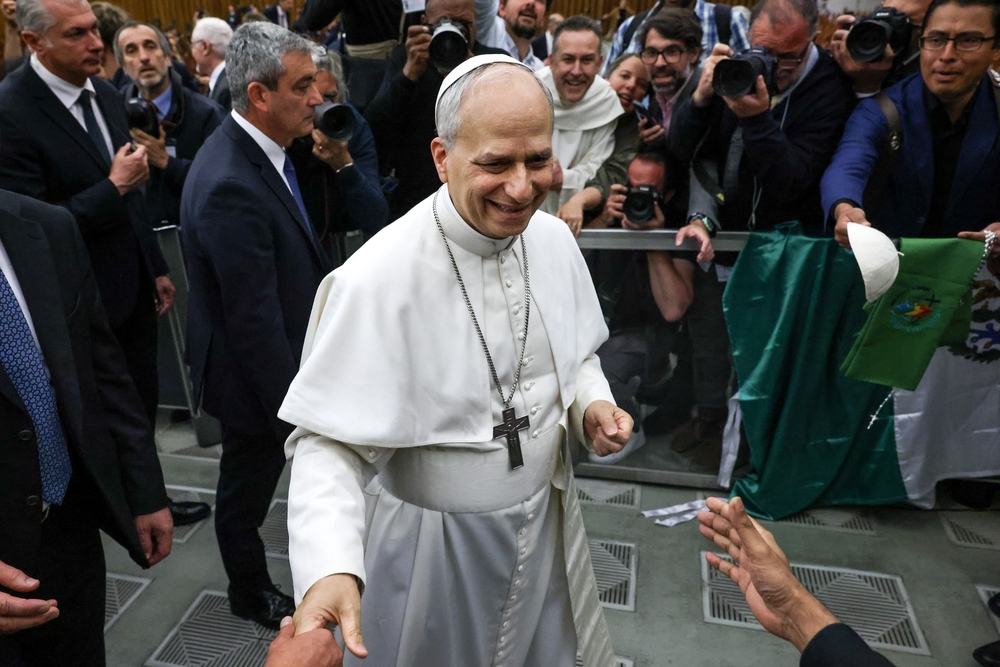
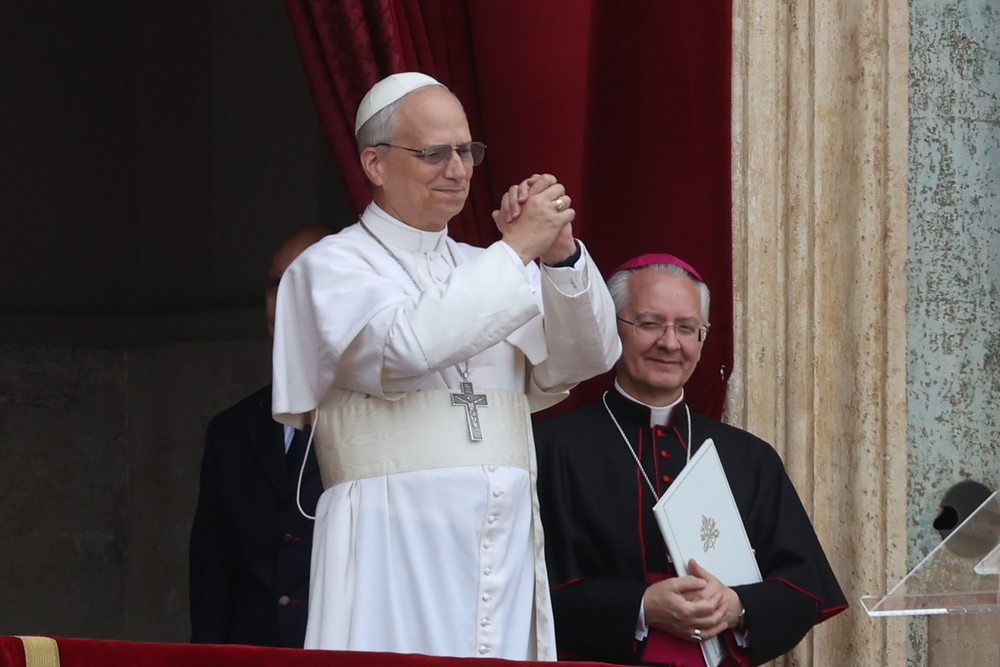
Against this backdrop, Pope Leo XIV has emerged as one of the most prominent figures challenging this reinterpretation of Christianity, offering a vision that is rooted in long-standing teachings centered on peace, compassion, and moral responsibility. His approach draws directly from the Gospels and broader Christian tradition, emphasizing a version of faith that prioritizes care for others and restraint in the face of conflict rather than القوة or domination.
He has described Jesus as the “King of Peace, who rejects war,” presenting a clear alternative to the more militant imagery associated with MAGA Jesus. This framing places emphasis on the moral obligations of believers to seek peace and protect the vulnerable, even in situations where conflict may seem justified. It is a message that challenges not only political leaders but also ordinary believers to reconsider how their faith informs their views on power and violence.
His criticism of the Iran war further illustrates this perspective. He stated that any disciple of Christ “is never on the side of those who once wielded the sword and today drop bombs,” a remark that directly confronts the idea that warfare can be easily aligned with Christian identity. This statement is not simply a political opinion but a theological stance that seeks to reclaim what he sees as the core message of Christianity.
What adds weight to his words is his background as the first American-born pope, which gives him a unique position within this debate. He cannot be easily dismissed as an outsider or someone unfamiliar with American culture and politics. Instead, he speaks from within the same context, making his critique more direct and harder to ignore.
The Historical Weight of Papal Influence
It is easy to underestimate the influence of religious leaders in a world dominated by fast-moving news and digital platforms, where attention shifts quickly and public discourse is often fragmented. However, history suggests that moral authority can have a lasting impact, even when it does not produce immediate or visible results. The role of the papacy has often extended beyond spiritual guidance into shaping broader cultural and political movements.
During the Cold War, Pope John Paul II played a significant role in influencing public sentiment in Eastern Europe, particularly through his visit to Poland in 1979. That moment has been described as a “psychological earthquake,” sparking a wave of awareness and resistance that contributed to the eventual decline of communist systems across the region. His influence was not based on political power but on the ability to inspire and mobilize people through shared values and belief.
While the current situation is very different, it highlights the potential for religious voices to shape how societies think about justice, conflict, and leadership over time. Influence does not always come through direct policy changes but through gradual shifts in perspective that alter how people interpret events and make decisions.
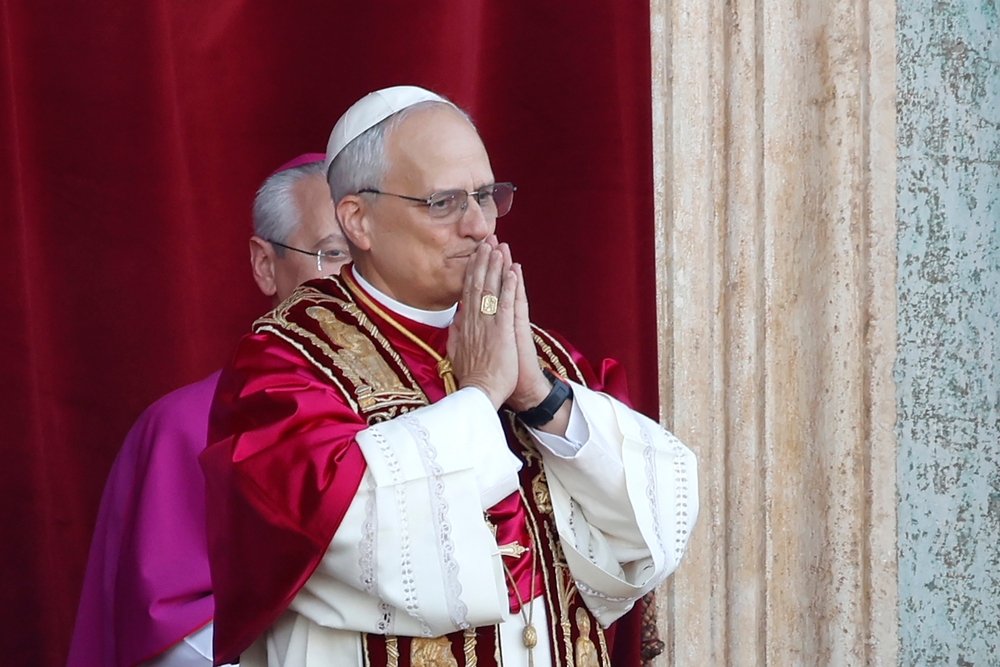
Pope Leo’s stance may not lead to immediate changes in political behavior, but it introduces a powerful counter-narrative into an already complex debate. Over time, such narratives can influence public discourse in ways that are not immediately obvious but deeply significant.
The Debate Over Just War
One of the most important yet underexplored aspects of this moment is the theological debate surrounding the concept of war and whether it can ever be justified within a Christian framework. Within Catholic teaching, the idea of a “Just War” provides a structured approach to evaluating when military action may be morally acceptable, offering guidelines that aim to balance the realities of conflict with ethical responsibility.
This framework includes several key principles that must all be considered before engaging in war. It requires that all peaceful options be exhausted first, ensuring that conflict is truly a last resort. It also emphasizes that war should be fought only in self-defense or to prevent greater harm, and that any response must be proportional to the threat faced. Crucially, it insists on the protection of civilians, highlighting the moral responsibility to avoid unnecessary suffering.
JD Vance challenged the Pope’s position by pointing to historical examples, asking, “Was God on the side of the Americans who liberated France from the Nazis?” and stating, “I certainly think the answer is yes.” His argument reflects a belief that certain conflicts can align with moral good, even within a religious framework.
Despite the significance of this debate, much of the public conversation has focused on short statements and viral moments rather than a deeper exploration of these principles. This has limited the opportunity for meaningful discussion about how faith should guide decisions in times of war.
Faith, Power, and the Road Ahead
The tension between Pope Leo XIV and Donald Trump highlights a broader struggle over how religion should influence political life and decision making. It raises questions that extend beyond individual leaders and into the foundations of how societies define morality, authority, and responsibility in a rapidly changing world.
As global tensions continue, particularly with the possibility of prolonged conflict involving Iran, these questions will become even more pressing. Different groups may continue to draw on their own interpretations of faith to justify their positions, leading to a situation where the same religious tradition is used to support opposing views on critical issues.
This moment challenges individuals and communities to think carefully about how beliefs are applied in real-world situations, especially when those situations involve conflict and human lives. It encourages reflection on whether faith is being used to promote understanding and compassion or to reinforce division and القوة.
A Defining Moment for Modern Christianity
What is unfolding may ultimately be remembered as a defining moment in how Christianity is understood and practiced in the modern era. On one side is a vision that emphasizes strength, identity, and confrontation, while on the other is a tradition rooted in humility, compassion, and restraint. These competing interpretations are not easily reconciled and reflect deeper differences in values and priorities.
The outcome of this tension will not be determined by a single event or statement but by the ongoing choices of leaders, communities, and individuals. It will depend on how messages are received, how they are interpreted, and how they influence actions over time.
In the end, the question is not just about politics or personalities but about meaning and direction. It is about what people believe their faith calls them to do and how those beliefs shape the world around them in moments of uncertainty and conflict.