
Your cart is currently empty!
What Returning a Shopping Cart Says About You
Some decisions are so ordinary that they often go unnoticed, yet they still carry meaning. Public spaces offer small moments where people choose whether to act with consideration or convenience. These moments might seem too minor to matter, but they often reflect something larger about the mindset behind them.
Contents
show
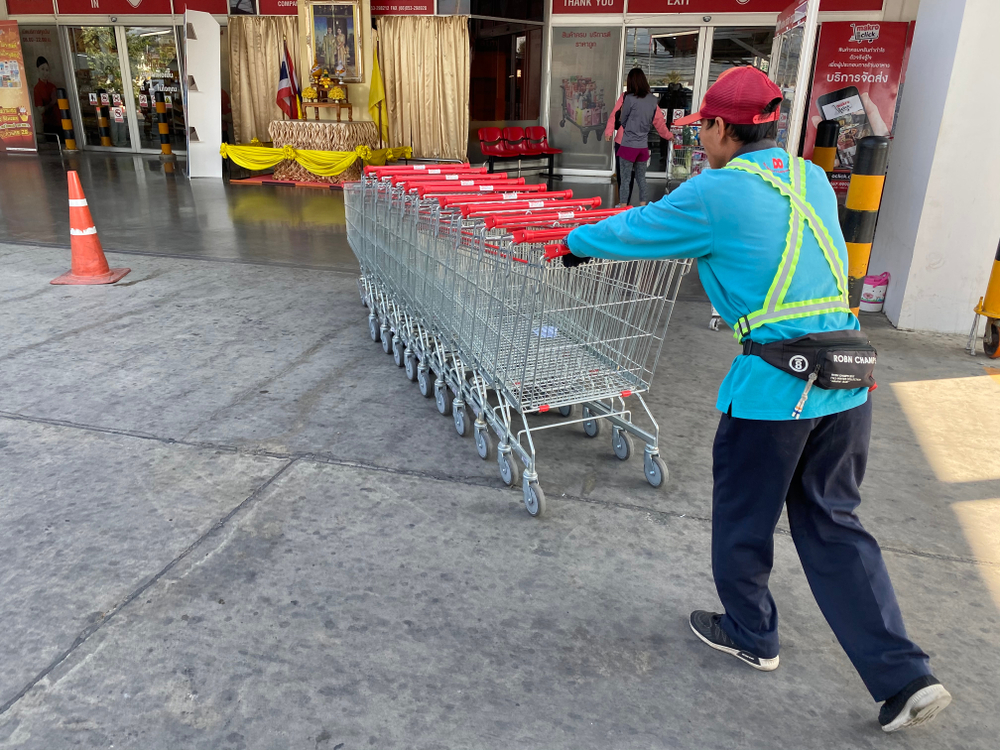
One such example is whether a person returns their shopping cart. There is no rule requiring it and no punishment for leaving it behind. Yet the choice can quietly illustrate how someone approaches responsibility when nothing is forcing their hand.
Why This Ordinary Habit Keeps Coming Up
Some behaviors stick in the public conversation because they are both relatable and revealing. Returning a shopping cart is one of those actions. It is simple, visible, and requires only a small effort. Yet it is increasingly used to talk about values like personal accountability, social awareness, and how we interact with shared spaces.
This behavior invites reflection not because of its scale, but because of what it represents. There is no real incentive to follow through and no consequence for walking away. That neutrality makes it a quiet but clear signal of how someone handles freedom and responsibility in small moments.
Instead of relying on rules or external feedback, it shows how people apply their own sense of order. The shopping cart becomes a test of whether someone treats common areas with care even when they do not have to. It is one habit that turns a routine errand into a measure of personal standards. If you happen to return a shopping cart after using it, you might have some of the following traits below.
1. Kindness
Returning a shopping cart may not take much effort, but it directly benefits others. It spares store employees from having to collect carts scattered across the lot and helps keep parking spaces clear and accessible. Though the impact is subtle, it improves shared spaces for everyone who comes after.
There is also evidence that kind acts like this can enhance both community function and personal well-being. A 2018 meta-analysis of 27 experimental studies found that people who performed small acts of kindness reported consistent increases in their own sense of happiness and satisfaction.

These gestures, while often unnoticed, contribute to a culture of helpfulness. When repeated by many, they help define the tone and cooperation level in shared environments. They show that kindness can be practiced quietly, without recognition, but still has lasting value.
2. Consideration for Others
The choice to return a shopping cart often signals awareness that public spaces are shared, and that small actions can either add to the order or disrupt it.
Research supports this pattern of thoughtfulness. A 2024 diary study found that people who regularly engaged in minor helpful behaviors reported stronger social ties and less loneliness. These habits do not need to be dramatic to matter. What counts is how often they are practiced.

The impact may be small, but over time, these moments of consideration help maintain shared spaces where people feel respected and seen. It reflects a broader mindset that values lightening the load for others.
3. Integrity
The act of returning a shopping cart when no one is around is a simple but strong indicator of how someone behaves without oversight. It does not bring reward or recognition, but people with a strong sense of integrity will do it anyway.
This behavior suggests that a person’s values are not situational. When choices are not dictated by rules or social pressure, they are guided by inner standards. That follow-through often extends to other areas of life, where being consistent matters more than being noticed.
Integrity tends to operate quietly, shaping how someone moves through the world. It can show up in something as small as a cart return and still point to a larger pattern of self-accountability.
4. Conscientiousness
People who return shopping carts usually take the time to complete the full arc of a task. They do not leave things half-finished, even if no one is watching. This kind of follow-through is part of a larger pattern of thoughtfulness and order.
Their approach to responsibilities tends to be deliberate. Rather than leave clutter behind or pass tasks to others, conscientious people act to keep systems working. They bring the same mindset to other aspects of life, whether it is meeting deadlines or managing shared responsibilities.

This reliability builds quiet trust. It shows a steady pattern of doing what is needed, not for praise, but because it is how they operate.
5. Responsibility
Returning a shopping cart is a small way of contributing to the order of a shared space. People who do it tend to see themselves as part of a wider system and act accordingly. They step in not because they have to, but because they believe it matters.
This behavior fits with findings from research on everyday moral actions. A study published in Science showed that people who regularly made prosocial choices in unmonitored settings were guided more by internal norms than by external pressure.
Responsibility in this context is not about rules or compliance. It is about deciding to do something helpful when no one is asking. That mindset extends far beyond shopping carts. It shows up in how people approach their neighborhoods, workplaces, and relationships. It influences how they respond to litter in a park, or whether they step in when something seems off. These repeated decisions, however small, help reinforce the sense that shared spaces belong to everyone and require care from all.
6. Patience
Returning a cart takes only a few seconds, but it still requires a pause. That small pause is a marker of patience, the kind that values completion over haste. While many might choose the quickest exit, some pause long enough to finish what they began.
Patience often reveals itself in how people handle minor disruptions. A cart return is a test of whether someone chooses to complete a task even when they are tired, distracted, or in a rush. That decision, though small, shows a comfort with waiting and an ability to resist the pull of convenience.

Over time, these repeated moments of pause reinforce habits that help people manage stress and move with more steadiness. It reflects a preference for calm intention rather than hurried impulse, which can benefit not only shared environments but also personal well-being.
Practicing Awareness When No One Is Watching
Many behaviors in public spaces come down to habit rather than intention. What makes actions like returning a cart worth examining is that they interrupt that automatic flow. They require a person to notice, decide, and act without prompts or oversight.
This ability to self-check and follow through without reminders is part of what defines functional independence. It suggests a person is paying attention, not just to their own needs, but to how their choices fit into a broader setting. They are not waiting for others to intervene or guide them. They recognize what needs doing and respond accordingly.
These habits of quiet observation and decision-making often transfer to other contexts. They appear in how someone navigates crowded sidewalks, shares space in a workplace, or maintains harmony in a household. Small tasks become subtle exercises in mindfulness and personal leadership.
Self-Discipline in Low-Stakes Situations
Unlike decisions tied to deadlines or consequences, returning a shopping cart requires internal motivation. There is no urgency, no authority overseeing the act. Choosing to do it consistently reflects the presence of self-discipline even when the stakes are minimal.
This type of behavior is often overlooked because it is not dramatic. Yet it plays an essential role in how someone handles their daily responsibilities. People who maintain small commitments tend to also meet larger ones. They develop a pattern of finishing tasks whether or not others are watching.
In this way, the cart return becomes more than a one-off moment. It is part of a larger rhythm of discipline that guides how someone moves through their day quietly, steadily, and with intention.
What These Small Acts Add Up To
There are not many areas of daily life where you can act without judgment, pressure, or attention. The parking lot is one of them. Returning a shopping cart is not about rules or rewards. It is about who someone chooses to be when no one else is involved. That choice, small as it may be, speaks to the character behind it.

What separates people who return their carts from those who do not is not knowledge or ability. It is mindset. It is whether they treat shared space with ownership or indifference. That mindset does not switch off when they leave the parking lot. It travels with them to their home, workplace, and relationships.
This is why the conversation around shopping cart behavior resonates. It is not because the act is important on its own, but because it represents so many other moments like it, which are moments where we quietly decide what kind of participant we are in the world we all share.