
Your cart is currently empty!
What Your Favorite Restaurant Seat Reveals About Your Inner World

Many of us walk into a restaurant believing we are simply choosing a place to sit, yet that small moment often holds more meaning than we give it credit for. The instant our eyes scan the room, we begin responding to the atmosphere in ways that reflect what we seek in our daily lives. Some gravitate toward open spaces filled with movement. Others feel naturally drawn to the soft shelter of a booth. These quiet impulses can reveal how we balance comfort, curiosity, and connection in unfamiliar settings.
Contents
show
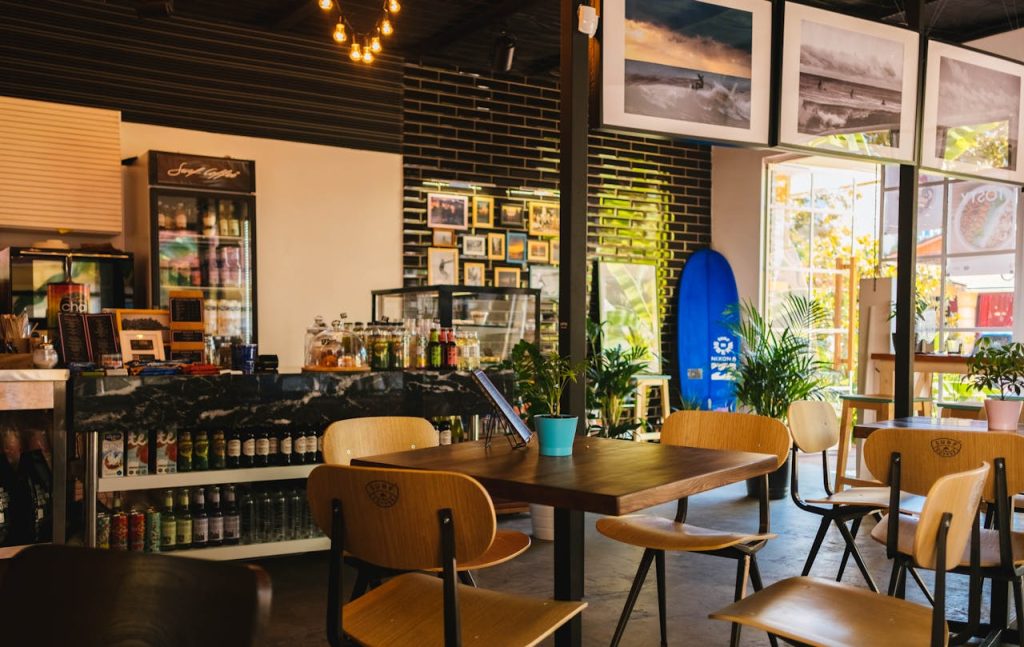
What makes this choice fascinating is how consistently it appears across different people and different types of restaurants. Seating is not only about convenience. It reflects an internal compass that guides how we interact with our surroundings. In psychology, even minor preferences can signal deeper patterns in how we protect our energy, navigate relationships, and create a sense of ease within public spaces. Understanding why you choose the spot you choose can offer surprising insight into the rhythms that shape your daily life.
1. You Savor Moments That Matter
For you, comfort is not a luxury, it is a necessity. You are drawn to the padded seats, soft lighting, and the quiet shelter that a booth provides because they mirror what you value most in life: peace, security, and a sense of calm. Comfort goes beyond the physical, encompassing emotional well-being and stability.
Psychologists suggest that those who seek comfortable spaces often have a well-developed sense of emotional intelligence. They know how to create conditions that promote balance, recovery, and focus. In many cases, you may be the person friends turn to for reassurance because your presence naturally offers ease.

Your love of comfort likely shows up at home too. You decorate thoughtfully, gravitate toward soothing colors, and take pride in making your space feel inviting. You do not view rest as weakness but as renewal, and that mindset allows you to move through life with composure and grace.
2. You Notice What Others Overlook
Booths provide a unique balance between being in the room and apart from it. They let you participate in social life without being consumed by it. That sense of quiet containment reflects how you handle relationships and interactions in general.
You are someone who listens more than you speak, who notices subtle cues that others overlook. You appreciate the pause before responding, the reflection before judgment. This depth of perception allows you to read situations clearly and maintain emotional integrity even in crowded or noisy environments.
Some environmental psychology research suggests that people may prefer quieter or more enclosed spaces when they want to conserve energy or reduce stimulation, particularly during periods of stress. Privacy functions as a means of emotional preservation and reflection rather than social withdrawal. You understand that boundaries are not walls but frameworks for genuine connection.
3. You Look For Spaces That Feel Steady
When you sit with your back to the wall, it is more than habit but instinct. It speaks to your desire to feel grounded and secure. You prefer predictability not because you fear the unknown, but because you thrive when life feels anchored.
Maslow’s hierarchy of needs positions safety as one of the most basic human drives, and you embody that awareness. Choosing a booth allows you to feel physically and emotionally supported, creating a buffer against overstimulation. This preference may mirror how you navigate challenges by building structure, anticipating outcomes, and planning for what lies ahead.
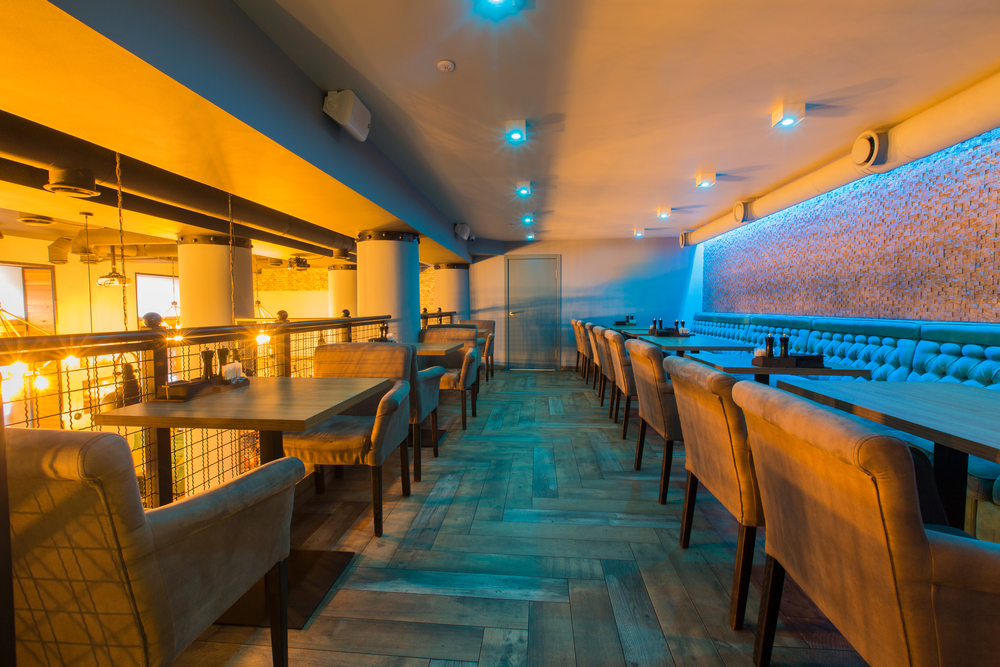
In relationships, you are the steady hand, the one who stays calm when others panic. You protect not only yourself but also those you care for by creating stability in shared spaces. Your booth preference, in essence, reveals your quiet leadership and your instinct to make environments feel safe.
4. You Prefer Time To Flow Rather Than Rush
Booths naturally slow the pace of dining. They invite conversation, reflection, and appreciation of small details. This inclination to linger suggests that you value mindfulness and depth in all areas of life.
You are not someone who rushes through experiences. You find joy in small rituals such as the first sip of coffee in the morning, the sound of rain against the window, and the comfort of unhurried company. You understand that meaning is often found in stillness rather than speed.

According to mindfulness research at the University of California, Berkeley, individuals who engage deeply with their sensory environment experience lower stress levels and greater overall happiness. By choosing the booth, you give yourself permission to be fully present. You embrace life as a collection of moments, not milestones.
5. You Carry Memories Into Present Moments
The classic booth evokes memories of family meals, laughter, and old-fashioned diners. Familiar surroundings serve as a source of emotional stability as well as aesthetic satisfaction. You treasure continuity, finding reassurance in traditions that connect past and present.
Your sense of nostalgia does not make you resistant to change; it makes you appreciative of roots. You see history not as something to escape but as something to carry forward. This is why you may find joy in rituals such as Sunday breakfasts, handwritten notes, or revisiting a favorite spot that reminds you of home.
Psychologists refer to this as emotional anchoring, a natural human tendency to return to familiar settings that provide a sense of safety and belonging. For you, the booth embodies this feeling perfectly, a constant in a world that moves too fast.
6. You Build Connections With Presence
Booths are designed for closeness, for leaning in rather than sitting apart. When you choose one, you are choosing connection. You value intimacy, laughter shared in hushed tones, and conversations that flow without distraction.
This trait suggests you are emotionally attuned and deeply relational. You prefer quality over quantity in your social life, building a few strong connections rather than many shallow ones. Friends and loved ones likely describe you as nurturing, empathetic, and genuine.
Research indicates that physical proximity fosters trust and emotional resonance. By naturally choosing spaces that bring people together, you demonstrate an intuitive understanding of what relationships need most, presence and attention.
7. You Stay True To What Feels Right
Preferring a booth may seem like a small act, but it reflects a confident independence. Even when a restaurant host gestures toward a table, you stand your ground politely but firmly. This quiet insistence reveals a person who knows what feels right and is not easily swayed by others.
You are likely someone who practices quiet defiance in other areas of life as well. You may reject societal pressures that do not align with your values, follow your own timeline for goals, and make decisions based on authenticity rather than approval.
This self-assuredness does not come from stubbornness but from trust in your own instincts. The booth stands for both comfort and autonomy. You live by the principle that honoring your preferences is an act of self-respect.
How You Read a Room Without Realizing It
Many people believe they make seating choices based only on comfort, yet a deeper layer often guides that instinct. When you walk into a crowded restaurant, your mind quickly scans the energy in the room and evaluates how different spaces might shape your experience. This intuitive reading of the environment is a form of social awareness that helps you create a sense of balance in unfamiliar settings.
Researchers studying environmental perception note that individuals often gravitate toward spaces that match their emotional needs in the moment. If you have had a stressful day, you may unconsciously choose a quieter booth to regain equilibrium. On lighter days, you might welcome the liveliness of a more open area. This subtle shift shows that your seating preference is not fixed but responsive, shaped by context and internal cues.
Understanding this pattern reveals something meaningful about how you navigate the world. You adjust your surroundings to support your emotional state, demonstrating a strong sense of self regulation and intuitive decision making. It is a reminder that even without speaking, you communicate your needs through the spaces you choose.
The Unspoken Symbolism of Your Favorite Seat
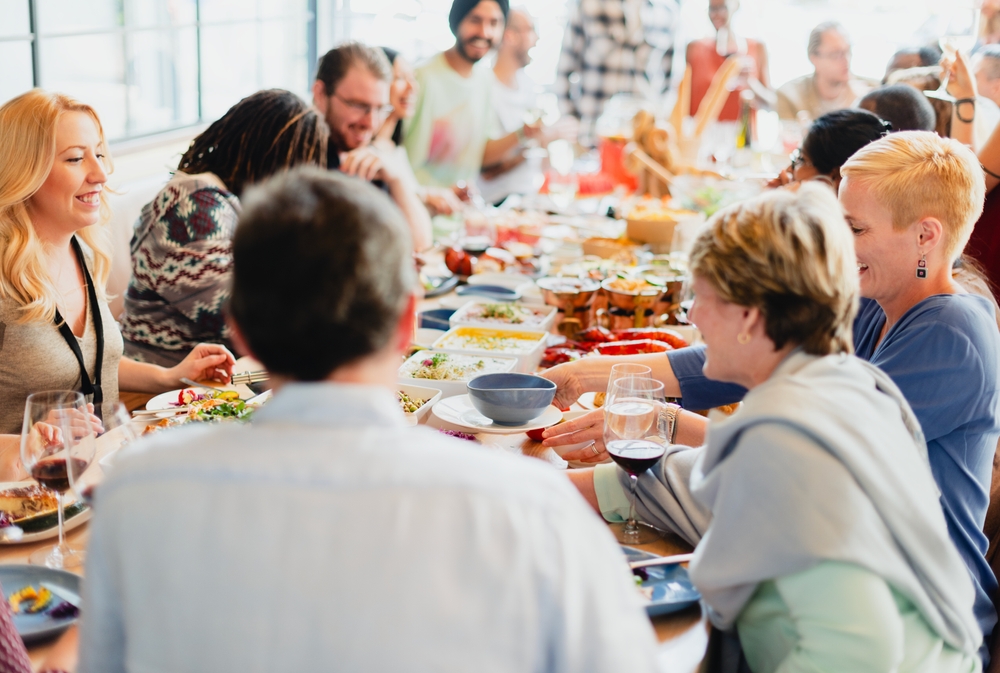
Everyday choices often reveal more about our inner world than we realize. The next time the host asks, “Booth or table?” think of it as more than a casual decision. That moment carries meaning because it mirrors how you move through life. It reflects the quiet preferences that shape your comfort, your pace, and your relationships with others.
Perhaps you choose the booth because you crave warmth and ease, or because it gives you space to think and feel without interruption. Maybe it offers a sense of safety, nostalgia, or belonging that helps you feel grounded. In a way, the booth becomes a personal metaphor, a reflection of your values and your relationship with the world around you.
So the next time you settle into that familiar seat, allow yourself to notice what it represents. This space serves as a reminder to value simple acts that foster peace, encourage self-connection, and reinforce personal identity.