
Your cart is currently empty!
Why More Adults Are Choosing the Single Path Later in Life

As people move through life and accumulate more experiences, many find themselves rethinking what happiness and fulfillment truly look like. Growing older often brings clarity and an appreciation for choices that may have once seemed unconventional or out of reach. Today, a growing number of adults are actively embracing the single life and discovering that it offers a sense of freedom, balance, and purpose that they never expected.
Contents
show
Rather than viewing singlehood as something to escape from, many are now seeing it as a lifestyle worth celebrating. Findings across health and wellness sources point to a changing perspective among older adults regarding independence. People are choosing themselves, cherishing their space, and finding meaning in their own company.
This article explores eight compelling reasons why more individuals are confidently choosing the single path, reimagining what it means to live well, grow wiser, and enjoy the journey ahead.

1. Freedom for Personal Growth
Growing older often brings an increased desire for self discovery. People begin to ask deeper questions about who they are, what they want, and how they wish to spend their days. The single life offers space for this exploration without compromise. Instead of navigating the expectations or pressure that can accompany relationships, individuals are able to embrace personal growth at their own pace.
According to ideas reflected in the various sources and general observations article, many older adults value the ability to invest in new passions or rediscover forgotten dreams. This freedom allows them to learn new skills, return to school, or simply spend more time understanding themselves. It becomes easier to take risks or change directions because no one else’s stability is dependent on those choices.
Additionally, prioritizing personal growth fosters confidence and emotional maturity. Many people discover that being single encourages a stronger sense of identity. Life becomes less about performing roles for others and more about embracing authentic self-expression. The result is a deeper and more grounded understanding of what brings joy and meaning.
2. Appreciating Peace
With age often comes a heightened appreciation for calm and stability. For many, relationships can introduce emotional turbulence, misunderstandings, or conflicts that disrupt their sense of peace. Living single allows individuals to build a tranquil environment that supports emotional wellbeing.
Insights echoed in the various sources and general observations article suggests that many older adults value a quiet home where they feel safe and relaxed. They no longer feel obligated to compromise their routines or preferences in order to maintain harmony with a partner. Instead, they create spaces where they can unwind without tension.
This pursuit of peace often influences daily habits. Whether it is waking up to a slow morning ritual, ending the day with a book, or spending weekends in restorative solitude, people find comfort in knowing their emotional stability is firmly within their control. A calmer lifestyle not only reduces stress but can also improve mental clarity and overall health.
3. Financial Control
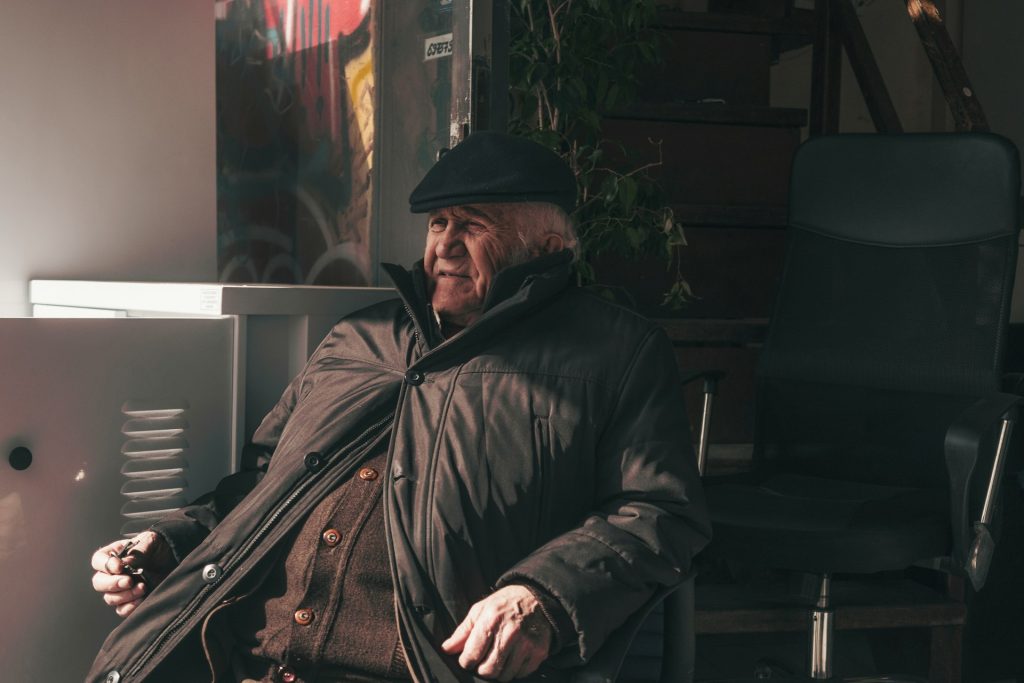
Another major reason people choose the single life is the financial autonomy it offers. Managing money independently can be empowering, especially for those who have experienced financial disagreements or imbalances in previous relationships. Being single means having complete authority over budgeting, spending, and long term planning.
As noted in ideas from various sources and general observations’ perspectives, financial independence allows individuals to invest in their future with confidence. They do not have to justify their choices or accommodate someone else’s priorities. This means they can focus on building savings, planning for retirement, or making large purchases on their own terms.
Moreover, managing finances independently often encourages better financial literacy and responsibility. Many older adults report feeling more secure and knowledgeable when they are in charge of their own economic decisions. The absence of shared financial stressors can also create a greater sense of stability and peace.

4. Personal Space
One of the most frequently celebrated aspects of single life is the abundance of personal space. As people grow older, they often develop stronger preferences around how their environment should look and feel. Living alone or independently allows them to shape their home without accommodating another person’s habits.
According to various sources and general observations, reflections on older adults choosing solo living, many find deep satisfaction in being able to arrange their space exactly the way they want. This includes everything from home decor to household routines to how they divide their time.
Personal space also fosters creativity and self reflection. Without the distractions of a shared environment, individuals can dive into hobbies, enjoy peaceful evenings, or simply relax without interruption. This freedom often leads to a heightened sense of comfort and confidence in one’s own company.
5. Embracing Independence
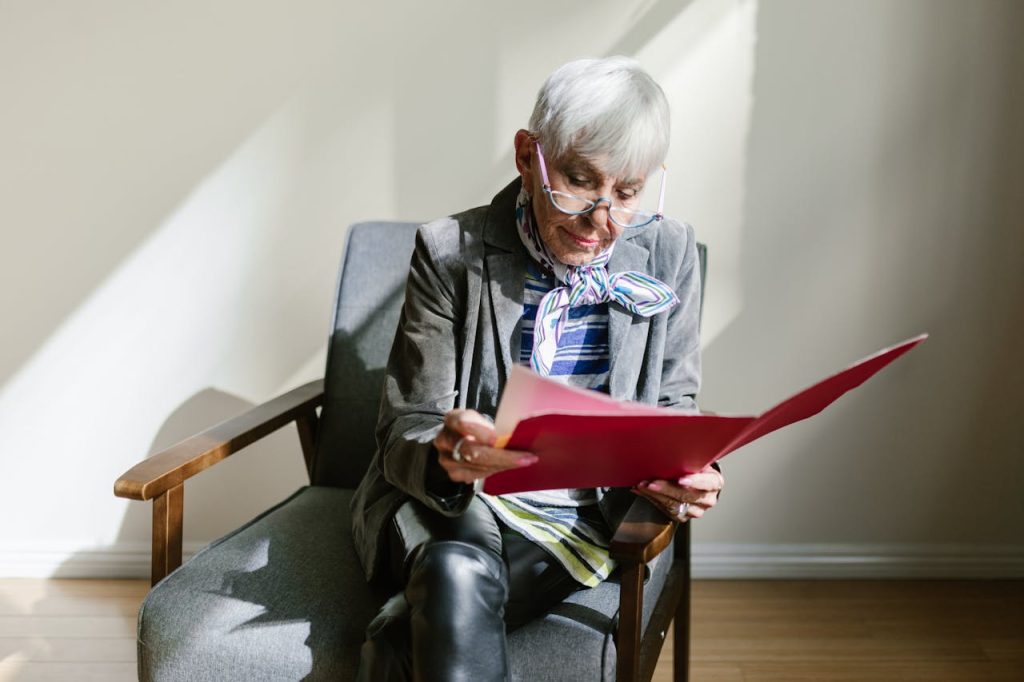
Independence becomes more valuable with age, especially for those who may have spent much of their life accommodating others. Many older adults find that single life allows them to reclaim and strengthen their sense of self reliance.
Ideas echoed in various sources emphasize that people often feel more capable and grounded when they are making decisions on their own. They learn to trust their instincts, manage their responsibilities, and navigate life with resilience.
This renewed independence can be empowering. People often discover that they enjoy cooking for themselves, traveling solo, or managing their schedules with complete flexibility. It becomes a reminder that life can be fulfilling without depending heavily on another person for emotional or practical support.
6. Meaningful Connections
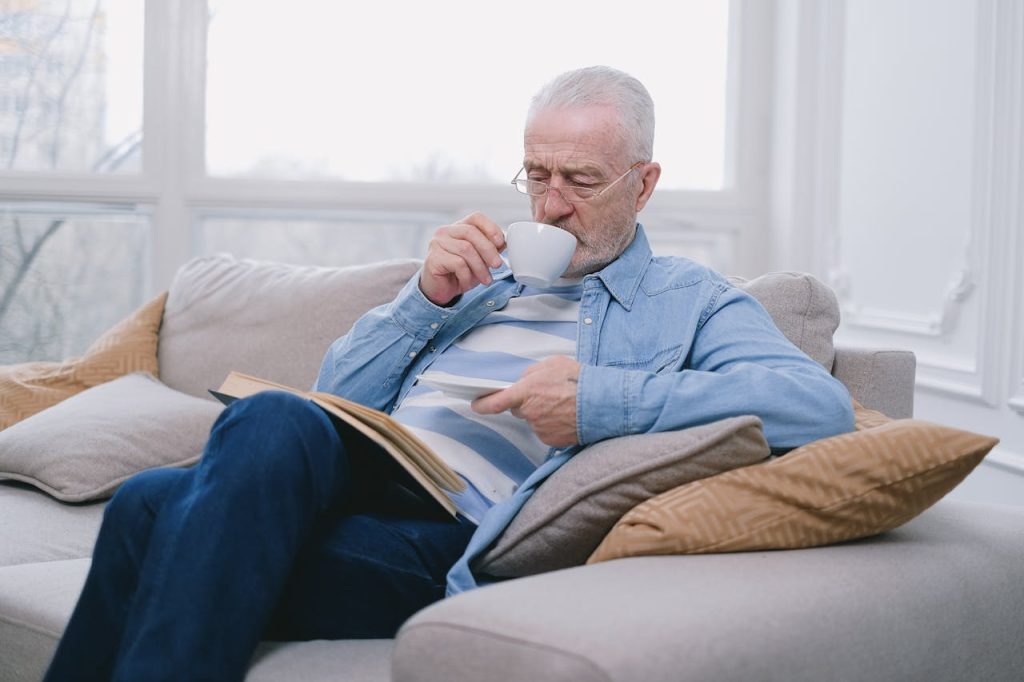
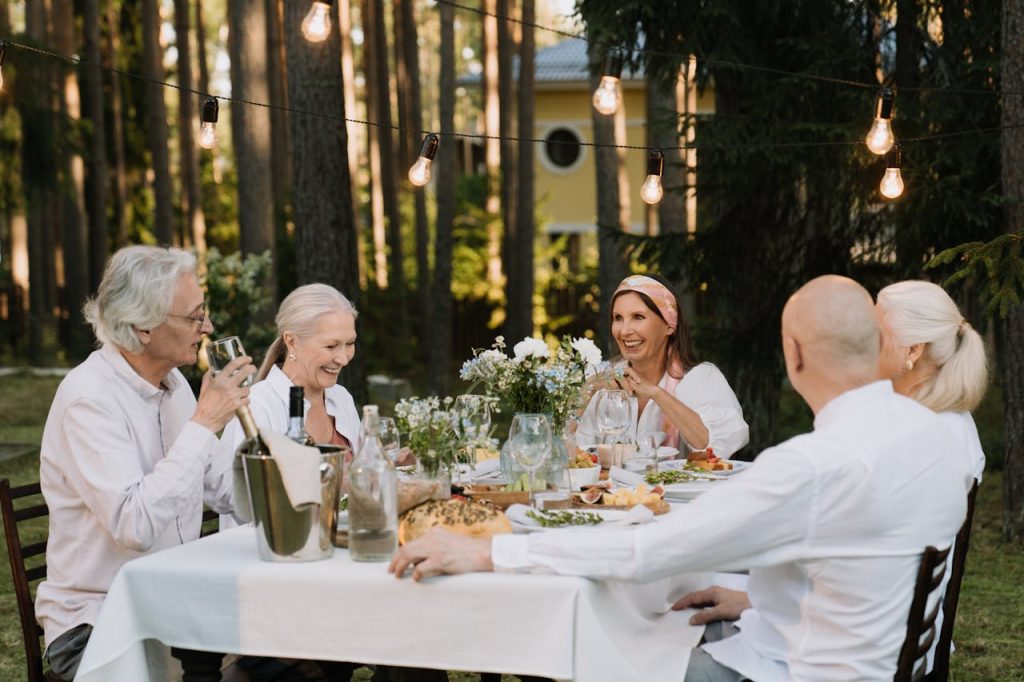
Contrary to the misconception that single people are lonely, many report that their social lives become richer and more intentional as they get older. Without the demands of a relationship, individuals have more time to nurture friendships, reconnect with family, or meet new people.
Observations’ commentary highlights that being single can lead to a deeper sense of community. People are more likely to invest in relationships that bring joy, inspiration, and genuine connection. They choose their social circle deliberately, preferring quality over quantity.
Additionally, single individuals often explore new communities based on hobbies, fitness, volunteering, or creative interests. These connections can be deeply fulfilling and support personal growth. Many find that their social lives feel more balanced and authentic when they center their time around people who appreciate and uplift them.
7. Time for Passions
Hobbies and passions often take a back seat in busy relationships. For many older adults, the single life offers the freedom to rediscover the activities that bring them joy. Whether it is gardening, painting, hiking, writing, or learning something completely new, there is an abundance of time to dive into personal interests.
Studies suggest that people often find renewed vitality when they invest in their passions. With fewer emotional or logistical obligations, individuals can explore their creativity without limitation.
This focus on personal fulfillment often leads to a richer and more vibrant lifestyle. People feel more productive, more inspired, and more aligned with their true selves. Engaging in passions also supports mental health, helping individuals stay motivated and energized.
8. Emotional Clarity
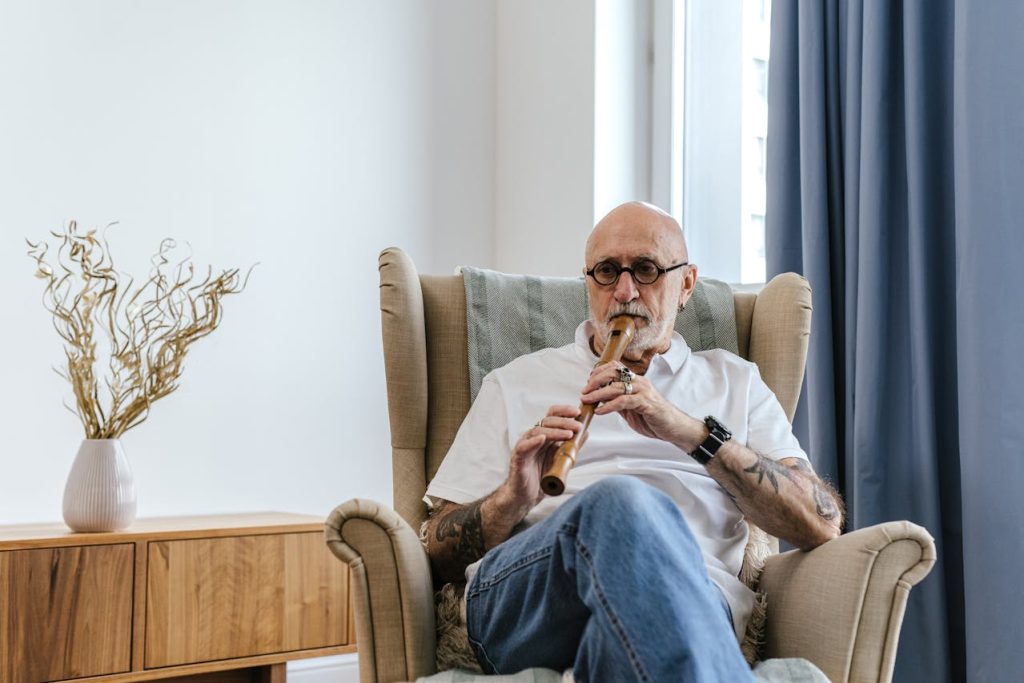
One of the most profound reasons people embrace single life as they get older is the emotional clarity it brings. Being alone allows individuals to reflect on past experiences, understand their own needs, and set healthier boundaries for future relationships.
The various sources and general observations article highlights how spending time alone helps people process their emotions more effectively. Without the constant emotional exchange of a partnership, individuals can prioritize their healing and growth.
This emotional clarity often results in a more peaceful and confident outlook on life. People learn to trust themselves, make decisions that align with their values, and recognize what truly matters to them. Over time, this strengthens resilience and enhances overall wellbeing.
Redefining Fulfillment Through Independence
Choosing the single life is no longer viewed as an unexpected detour or a temporary stage. For many older adults, it has become a meaningful and intentional lifestyle choice. With greater emotional clarity, more space for personal passions, and the freedom to live life on their own terms, people are discovering that independence can be deeply fulfilling.
Whether someone chooses to remain single for a season or a lifetime, the benefits of self discovery, peace, and authenticity are undeniable. The single life is not just about being alone. It is about embracing a path that brings value, stability, and joy.
For many, this path also represents a chance to rewrite their story in ways that feel more aligned with their identity and needs. The ability to prioritize wellbeing, expand personal horizons, and create a lifestyle rooted in intention becomes a powerful form of self respect. As more people recognize that fulfillment can come from within, the choice to live independently grows not only more accepted but more celebrated.