
Your cart is currently empty!
Why The Photographer Behind One Of The World’s Most Haunting Photos Never Tried To Rescue The Girl
Some photographs capture a single moment. Others become permanent reminders of a tragedy the world refuses to forget. One image taken during a catastrophic volcanic disaster in Colombia has done exactly that for nearly four decades, leaving generations of people asking the same painful question every time they see it: why wasn’t the young girl in the picture rescued?
Contents
show
The photograph, taken by French photojournalist Frank Fournier, shows 13-year-old Omayra Sánchez Garzón trapped in muddy floodwaters after the 1985 Nevado del Ruiz eruption. Her calm expression, despite the unimaginable circumstances, made the image one of the most recognizable disaster photographs ever published. Yet the picture also sparked years of criticism toward the photographer, with many believing he should have put down his camera and tried to save her.
13 yaşındaki küçük Omayra, Kolombiya’da patlayan yanardağı sonrası yıkıntılar arasında suya sıkıştı. Dünya onu kurtarma ekiplerinin çaresizliğini izlediği bu fotoğrafla tanıdı. Tam 3 gün boyunca bu suyun içinde hayata tutunmaya çalıştı ama kalbi daha fazla dayanmadı. pic.twitter.com/CJvrlRh4aM
— Mevzu (@mevzu360) July 23, 2026
A Volcano Turned An Entire Town Into A Disaster Zone
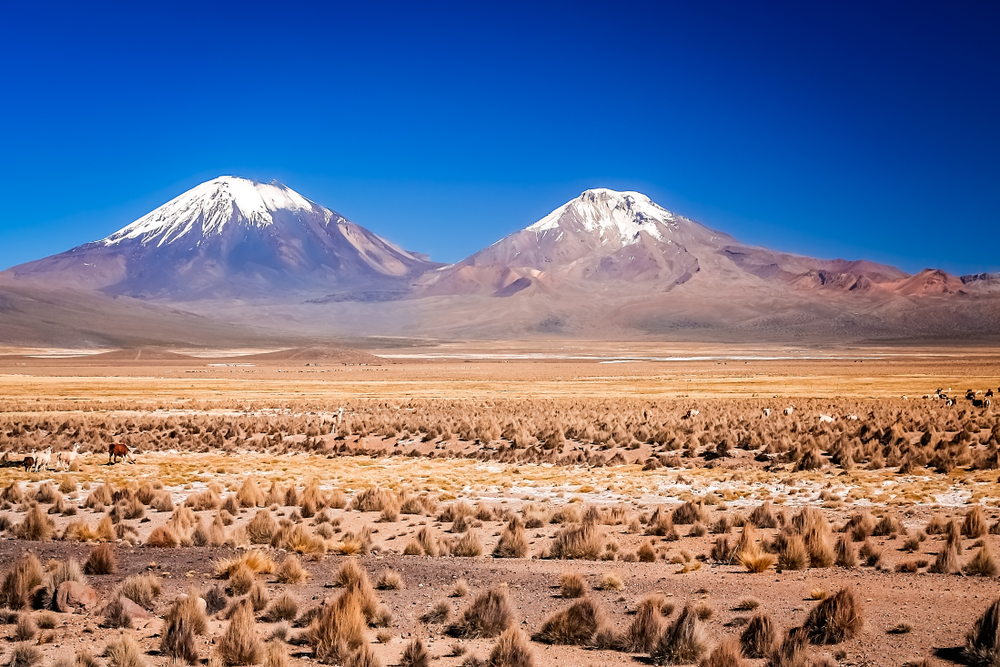
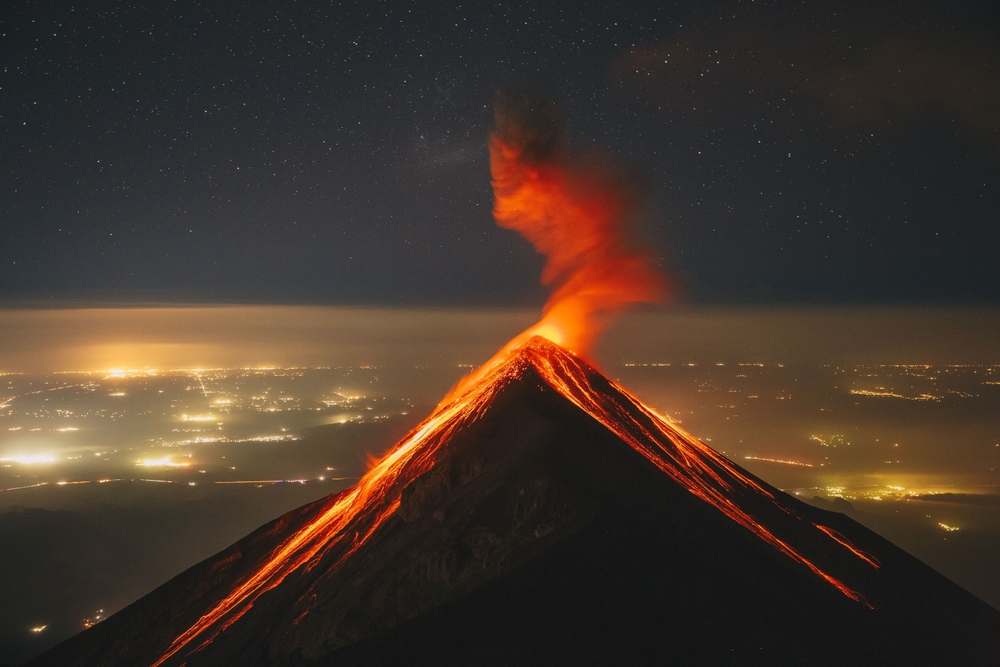
When Colombia’s Nevado del Ruiz volcano erupted in November 1985, it unleashed far more than ash and smoke. The heat from the eruption melted glaciers on the mountain, creating massive torrents of mud, volcanic debris, and water known as lahars. Those fast-moving flows raced down nearby valleys, swallowing everything in their path.
One of the communities hit hardest was Armero, where thousands of residents were caught with little warning during the night. Homes collapsed under the force of the mud, roads disappeared, and rescue teams struggled to reach survivors as the scale of the catastrophe became clear.
The disaster claimed an estimated 20,000 lives, making it one of the deadliest volcanic tragedies of the twentieth century. While many victims died almost instantly, others remained trapped beneath collapsed buildings and debris, waiting desperately for help that often could not arrive in time.
Among those survivors was 13-year-old Omayra Sánchez Garzón, whose ordeal would soon become known across the world.
Omayra’s Fight For Survival Lasted Nearly Three Days
Rescuers eventually located Omayra after noticing one of her hands emerging through the wreckage of her family’s destroyed home. She was alive, alert, and able to speak with the emergency workers surrounding her.
At first, many believed freeing her would only take a matter of hours. The reality proved far more devastating. Her legs had become pinned beneath heavy concrete and a brick door buried beneath the mud. According to rescue workers at the scene, additional debris beneath the surface made pulling her free impossible without specialized equipment.
Every attempt to lift her created another dangerous problem. Water rushed into the space around her body, increasing the risk that she would drown before she could be rescued. With few resources available and thousands of other victims spread across the disaster zone, crews were forced into an agonizing situation.
Unable to free her safely, they focused on keeping her alive while searching for another solution.
Rescue Workers Refused To Give Up
Throughout the ordeal, volunteers, journalists, Red Cross workers, and emergency responders remained by Omayra’s side. To stop her from slipping beneath the muddy water, they placed a tire around her body to help keep her afloat.
They brought her food whenever possible, offering sweets and soft drinks while trying to keep her comfortable. Those present later recalled how she remained remarkably composed for much of the time, speaking politely with the people around her despite the worsening conditions.
As the hours passed, exhaustion and exposure began taking their toll. During her final night, Omayra reportedly became disoriented and occasionally hallucinated, worrying aloud about missing school and falling behind on her lessons. Even then, rescue workers continued searching for any way to save her without causing injuries that medical teams on site could not treat.
The emotional weight of those final hours affected everyone present, including the journalists documenting the unfolding tragedy.
Frank Fournier Responded To The Criticism Years Later
Frank Fournier’s photograph of Omayra was published around the world and quickly became one of the defining images of the Armero disaster. While many people saw it as a powerful piece of journalism, others questioned why the photographer didn’t put down his camera and try to rescue the 13-year-old instead.
Years later, Fournier addressed those criticisms in an interview with the BBC. He explained that the reality on the ground was far different from what many people imagined after seeing the photograph. Rescue workers, volunteers, doctors, and journalists had already spent hours trying to free Omayra, but they all faced the same impossible obstacle. Without heavy machinery and medical support, there was simply no safe way to remove her from the collapsed debris.
Fournier said he felt “totally powerless” as he watched the teenager face death with remarkable courage. He believed the only thing he could do was document her story honestly so people around the world would understand the scale of the tragedy and the suffering experienced by those caught in it.
He also rejected the idea that photographing the moment meant he didn’t care. According to Fournier, failing to report what happened would not have changed Omayra’s fate. Instead, he hoped the image would encourage people to support survivors and demand accountability for the failures that had made the disaster so devastating.
The Photograph Became A Symbol Of A Larger Failure
For Fournier, the image represented far more than the heartbreaking loss of one young girl. He believed it exposed serious shortcomings in disaster preparedness and emergency planning before the volcano erupted.
Scientists had warned that Nevado del Ruiz posed a significant threat, yet evacuation plans were either inadequate or never fully implemented. When the deadly lahars swept through Armero during the night, thousands of residents had little chance to escape. Rescue teams arriving afterward found themselves overwhelmed by the scale of destruction and the lack of equipment needed to reach trapped survivors.
Fournier later said the worldwide attention generated by the photograph helped raise humanitarian aid for victims while also drawing international attention to the government’s response. In his view, the image forced difficult conversations about leadership and disaster management that may never have happened otherwise.
Even today, the photograph is frequently discussed in journalism schools and ethics debates because it raises difficult questions about the role of photographers during humanitarian crises and the responsibility of governments to protect vulnerable communities.
Key Facts About The Tragedy
The story behind the famous photograph includes several details that continue to shape discussions about one of history’s deadliest volcanic disasters.
- The eruption occurred in November 1985, when Nevado del Ruiz sent massive lahars into nearby towns.
- Armero was almost completely destroyed, with an estimated 20,000 people losing their lives.
- Omayra Sánchez was trapped for nearly 60 hours beneath the remains of her family’s home.
- Rescuers stayed with her throughout the ordeal, providing food, drinks, and comfort while searching for a way to free her.
- Frank Fournier’s photograph became one of the most recognizable news images ever taken, continuing to spark conversations decades later.
Why Omayra’s Story Continues To Be Remembered
Many photographs document tragedy, but only a handful remain deeply embedded in public memory for generations. Omayra Sánchez’s story has endured because it captures the devastating human cost of a natural disaster through the experience of one child whose courage touched millions of people.
Her final hours became a symbol of both resilience and heartbreak. Despite the fear and pain she experienced, many of the people who stayed beside her remembered her kindness, composure, and concern for those around her. Those memories have remained just as powerful as the photograph itself.
The image also continues to remind people that natural disasters often become far more deadly when warnings are ignored and emergency planning falls short. Long after the mud settled in Armero, the questions raised by Omayra’s story still influence conversations about disaster preparedness, journalism, and humanitarian responsibility.
Nearly four decades later, Frank Fournier believes the photograph’s greatest legacy is that the world still remembers the young girl at its center. Her story remains one of the most powerful reminders of the human lives behind history’s biggest tragedies.
Armero Colombia, Armero tragedy, BBC interview, Birds Advice, Colombia volcano disaster, disaster photography, famous photographs, Frank Fournier, Frank Fournier interview, haunting photograph, historic disasters, humanitarian disaster, iconic news photos, lahar disaster, Nevado del Ruiz eruption, Omayra Sánchez, Omayra Sanchez photo, Omayra Sánchez story, photojournalism, rescue efforts, tragedy, viral news, volcanic eruption, volcanic mudflow, world history