
Your cart is currently empty!
Why Using Your Phone on the Toilet Might Be Increasing Your Hemorrhoid Risk
Most of us treat the bathroom as one of the few places where life can’t quite reach us. It’s a small sanctuary where messages can be answered, feeds can be skimmed, and errands can be planned in peace. Smartphones have turned this quiet moment into a pocket-sized escape room, offering endless entertainment at a time when the world is otherwise demanding our attention. But the habit of scrolling in this intimate space-now so normalized it’s almost invisible-may be shaping our health in ways we rarely consider. New research presented at the Digestive Diseases Week (DDW) conference highlights a compelling and somewhat surprising association: using your phone while on the toilet may significantly increase the risk of developing hemorrhoids. The science isn’t meant to alarm, but it does invite reflection on how seemingly harmless behaviors can quietly affect our bodies.
Contents
show
Researchers found that people who use their phones on the toilet tend to stay seated far longer than necessary, and that extended time-rather than the p
hone itself-is what may be contributing to hemorrhoid development. While the findings do not claim causation, they offer a gentle but important reminder of how modern habits collide with physiology. In a world where constant connection feels unavoidable, reexamining even small routines can offer a profound opportunity to take better care of ourselves.
A Study That Challenges a Common Modern Habit
The study presented at DDW examined 125 individuals undergoing colonoscopies, each of whom answered detailed questions about their bathroom habits. Over 40 percent of participants had hemorrhoids, and an overwhelming 93 percent admitted to using their phone on the toilet at least once a week. While correlation does not confirm causation, the study found a notable association: those who used their phones in the bathroom faced a 46 percent increased risk of developing hemorrhoids. Even more striking, factors such as age, sex, body mass, exercise routines, and fiber intake did not seem to influence this relationship.
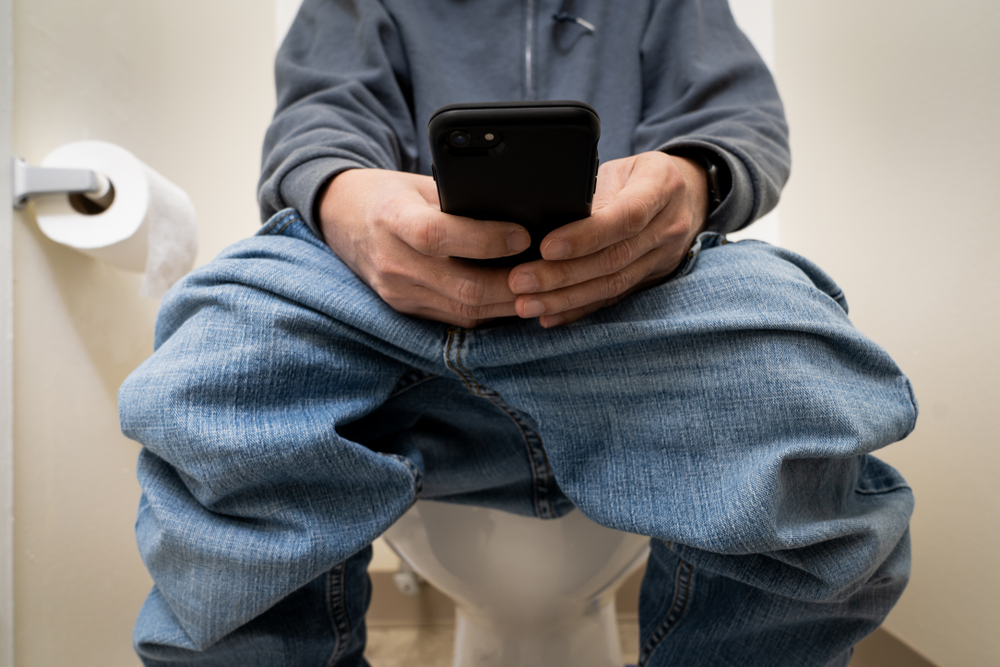
Participants commonly reported spending more time on the toilet specifically because of their phones. A significant number exceeded six minutes per trip, driven not by digestive difficulty but by the all-too-familiar pull of news updates, notifications, and the endless scroll. This extended sitting time is where experts believe the real issue lies, linking prolonged pressure on rectal veins with the increased likelihood of swelling.
The researchers emphasized that the findings suggest only an association, not a proven causal link. Still, the consistency of the data-combined with prior studies connecting long bathroom sessions to hemorrhoid development-makes the behavior worth examining. For many, changing this habit may be an easy and practical preventative step.

How Phone Use Affects Time on the Toilet
Before smartphones entered the picture, bathroom reading was already a ritual. People reached for newspapers, magazines, or even product labels to keep their minds engaged while waiting for nature to take its course. But smartphones changed the pace of this ritual entirely. Instead of a page or two of reading, we now access a river of information designed to keep us hooked for minutes at a time.
This difference matters physiologically. When we linger on the toilet, the seated position places increased pressure on the veins around the rectum and anus. Over time, and especially with habitual long sessions, this added pressure can cause veins to swell. The phone isn’t the cause-but the extra minutes it quietly tacks on to our bathroom routine can set the stage for discomfort.
In many ways, phones have blurred the boundary between necessary bathroom time and recreational sitting. The bathroom becomes a micro-break from the world, but the body doesn’t benefit from this mental reprieve. Understanding this tension between ease and anatomy can help us make more mindful choices about how we spend those few minutes each day.
Understanding Hemorrhoids and Why They Develop
Hemorrhoids remain one of the most common yet least openly discussed health issues. In the United States alone, nearly 4 million doctor and emergency department visits each year relate to hemorrhoids. Despite this, the last national survey on hemorrhoids dates back to 1989, which highlights just how little updated population-level data exists. Many people experience symptoms silently, either minimizing their discomfort or avoiding seeking care due to embarrassment.
Medically speaking, hemorrhoids are not abnormal growths but normal anatomical cushions composed of blood vessels, smooth muscle, and connective tissue. They play a vital role in maintaining continence and aiding smooth bowel movements. Hemorrhoids become problematic only when these tissues swell, bleed, or protrude, often causing pain or itching.
Experts generally attribute hemorrhoids to a combination of factors. Overstraining during bowel movements, chronic constipation, diarrhea, and frequent trips to the bathroom all contribute to increased pressure on rectal veins. Importantly, prolonged sitting-particularly on a toilet seat-can compound that strain. One study of 100 hemorrhoid patients found they spent significantly more time reading on the toilet than matched individuals without hemorrhoids, reinforcing the idea that duration matters.
Understanding these physiological dynamics doesn’t require panic-it simply offers a better foundation for prevention. When habits subtly add pressure to sensitive tissues, awareness becomes a valuable tool.

The Physiological Impact of Sitting Too Long
Prolonged toilet sitting creates a very specific kind of pressure on the body. Unlike sitting in a chair, where the hips and pelvis are evenly supported, toilet seats leave an opening that places uneven weight on the anal area. Gravity then encourages blood to pool in the lower rectal veins, and the longer this continues, the higher the risk of swelling.
In addition, the semi-seated posture typical on Western-style toilets angles the rectum in a way that can make bowel movements slightly less efficient. This inefficiency may subconsciously encourage people to push harder or sit longer, compounding the strain. While a few extra minutes occasionally won’t cause lasting harm, habitual extended sessions-especially those driven by digital distraction-may gradually take a toll.
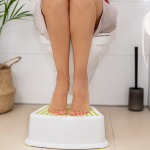
Researchers studying the mechanics of bowel movements suggest that improving posture can significantly reduce the time needed in the bathroom. A slight alteration, such as raising the feet on a small stool, can align the rectum more naturally, allowing for a quicker and more complete movement. This simple ergonomic shift highlights how small adjustments can support healthier habits.
Practical Ways to Protect Yourself
The encouraging news is that reducing your risk doesn’t require dramatic lifestyle changes. Instead, small, intentional habits can make a substantial difference.
Small Steps That Make a Big Impact
- Limiting toilet time to ten minutes-or three minutes if possible, can significantly reduce pressure on rectal veins.
- Leaving your phone outside the bathroom is one of the simplest ways to prevent unconscious extended sitting.
Beyond smartphone habits, keeping your digestive system functioning smoothly also matters. Ensuring adequate hydration, incorporating fiber-rich foods, and responding promptly to natural urges can prevent constipation and reduce strain. Many people unintentionally delay bowel movements due to schedules or distractions, but timely bathroom habits can help maintain rectal health.
Some individuals also find posture aids beneficial. Products that elevate the feet can improve the angle of the rectum, resulting in a quicker, more natural movement. Even without special tools, being mindful of how you sit can provide benefits.
Reflecting on a Habit We Rarely Question
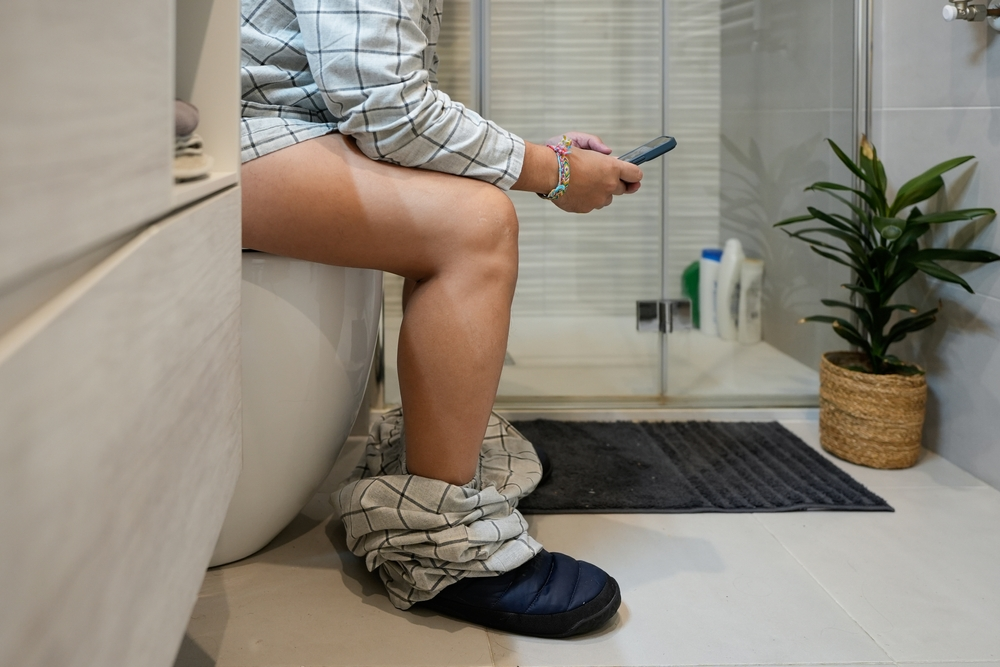
The idea that a phone could impact rectal health might initially sound amusing, but beneath that humor lies a meaningful message about the ways modern behaviors intersect with basic physiology. Our devices offer convenience and comfort, but they also shape our routines more than we realize. When a simple action-like checking messages on the toilet-extends a bathroom trip from two minutes to ten, the body responds accordingly.

Reevaluating habits has nothing to do with guilt and everything to do with awareness. By paying attention to small routines, we gain the power to care for ourselves in subtle but significant ways. Creating a screen-free bathroom space may seem like a minor change, but it can foster healthier patterns and reduce unnecessary discomfort.
Ultimately, the takeaway is simple: the bathroom is a place for brief, functional visits, not for catching up on news or scrolling through notifications. Your phone can wait, but your body will thank you for prioritizing its needs in those few quiet moments each day.