
Your cart is currently empty!
Why Walk Up Apartments Are Common in Europe but Rare in America

Walk up apartments are common across many European cities, where they shape the rhythm of daily life. They line narrow streets, sit above cafes and local shops, and create active pedestrian environments. Their modest height keeps neighborhoods human in scale and visually connected. In the United States, however, similar buildings are far less common outside of older urban cores.
Contents
show
What Walk Up Apartments Are

Walk up apartments are typically two to five stories tall and designed without elevators. Residents access upper floors by stairways, which keeps construction simpler and more compact. This structure reduces mechanical complexity while still allowing multiple households per building. The format balances efficiency with neighborhood scale.
These buildings often contain several housing units arranged vertically within one structure. They make effective use of limited urban land while preserving street front engagement. Ground floors may include small businesses, shared entryways, or residential units. This arrangement supports mixed use environments that encourage walking and local commerce.
In many European cities, this building type developed before modern zoning systems existed. Historic neighborhoods expanded gradually as population growth demanded additional housing. Streets were planned for pedestrians, carriages, and later public transit. Housing density evolved alongside commerce and public infrastructure.
In the United States, walk up apartments exist in older cities and dense downtown districts. Examples can be found in places such as New York, Chicago, and Boston. However, these buildings are far less common in suburban and low density zones. Local regulations often limit similar construction in residential neighborhoods.
How Zoning Laws Shape Housing
Zoning laws determine what types of structures can be built in specific areas. In many American jurisdictions, large portions of residential land are restricted to single family homes only. These rules prevent the construction of duplexes, triplexes, and small apartment buildings. As a result, overall density remains low in many communities.
These restrictions expanded throughout the twentieth century as cities adopted formal planning systems. Local governments used zoning to separate industrial activity from residential districts. The intention was often to improve health, safety, and land use organization. Over time, limits on density became embedded in many suburban codes.
Building a walk up apartment in such areas may require rezoning or special permissions. Developers can face lengthy review processes, community hearings, and regulatory evaluations. These procedures can extend project timelines significantly. Extended approval periods increase uncertainty for builders and investors.
Where zoning allows mid rise housing by default, outcomes differ substantially. Developers can pursue projects without requesting special exceptions. Predictable rules reduce financial risk and planning complexity. That stability often encourages a broader range of housing types within the same neighborhood.
Economic Factors and Development Decisions
Land prices strongly influence how developers design housing projects. When land is expensive, maximizing the number of units can improve financial viability. Higher density projects can spread land costs across more households. However, zoning restrictions may limit how many units fit on a lot.
Parking requirements also shape building design in many regions. Minimum parking mandates often require developers to allocate substantial space to vehicles. Parking structures increase construction costs and reduce available land for housing. This requirement can alter both the size and layout of a building.
Financing considerations further influence whether mid rise projects move forward. Projects that require extensive approvals carry additional risk for lenders. Financial institutions assess regulatory stability before committing funds. When approval processes are complex, some projects become less attractive.
European cities frequently developed before widespread automobile dependence. Their neighborhoods were designed around pedestrian movement and transit systems. This historical context supports compact buildings near streets and public squares. Housing patterns evolved in tandem with transportation infrastructure.
Cultural Expectations and Neighborhood Identity

Cultural preferences also play a role in shaping housing decisions. Many Americans associate homeownership with detached houses and private yards. This vision has influenced suburban development patterns for decades. Community feedback often reflects these expectations during planning discussions.
In contrast, apartment living is widely accepted in many European countries. Residents across different income levels live in mid rise buildings. Apartments are viewed as long term housing rather than temporary arrangements. This normalization supports walk up construction within established neighborhoods.
Preferences are not static and can change over time. Rising housing costs have prompted renewed interest in walkable communities. Younger generations often prioritize proximity to transit and amenities. These shifting attitudes may influence future zoning conversations.
As local governments evaluate reform options, debates continue. Communities consider how to balance growth with neighborhood character. Housing policy decisions involve economic, social, and cultural considerations. The built environment reflects those ongoing discussions.
Room for Everyone
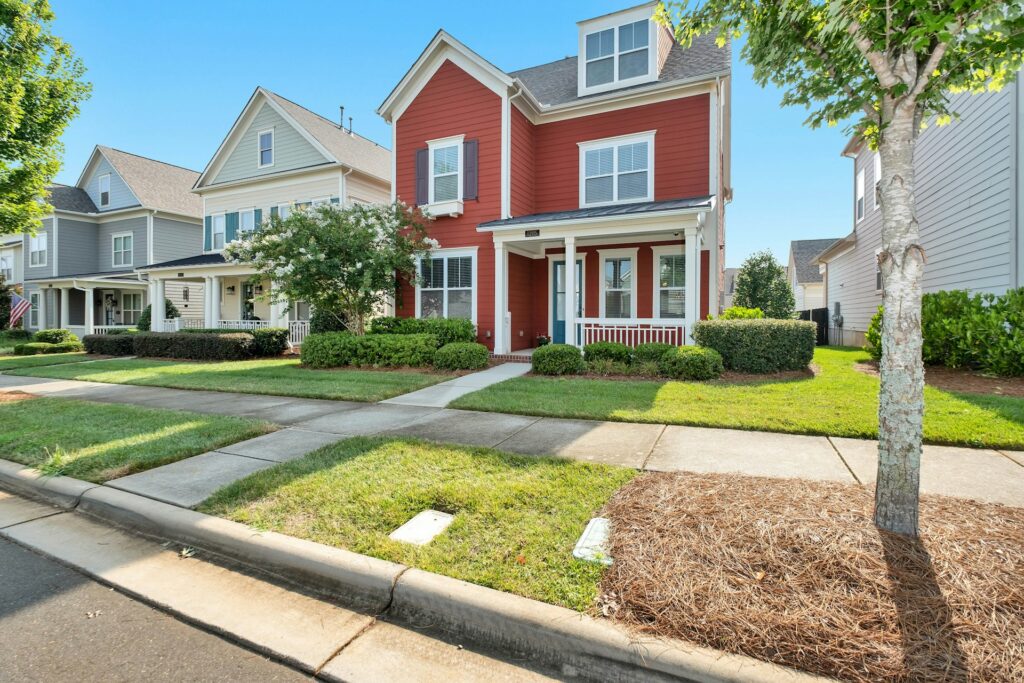
When we walk through an American neighborhood and notice a lack of those charming, mid-rise apartments so common in Europe, it’s rarely by accident. It’s not that we don’t like them; it’s usually because our local laws simply don’t allow them to exist. For decades, strict zoning rules have drawn invisible lines across our cities, legally reserving vast stretches of land for single-family homes only. These rules dictate not just what gets built, but how our communities feel—locking our cities into rigid patterns and squeezing new growth into a handful of crowded areas while leaving the rest untouched.
Updating these outdated rules is about more than just changing city codes—it’s about opening the door to more affordable, accessible ways of living. When we give neighborhoods the flexibility to build different types of homes, like a classic walk-up or a small apartment building, we make room for different types of people. It allows builders to create the kinds of spaces people actually need right now, supporting diverse communities where young professionals, growing families, and retirees can all find a place that fits their budget and lifestyle.
At the end of the day, the rules we choose will physically shape the places we call home. Change won’t happen overnight, but as communities begin to loosen these restrictions, our neighborhoods can gradually evolve into more welcoming, vibrant spaces. By simply rethinking what we allow to be built, we have the power to rewrite the story of our streets and build cities that truly have room for everyone.