
Your cart is currently empty!
Scientist Tastes Water Hidden Beneath Earth for Billions of Years

Three kilometers beneath the surface of a Canadian mine, scientists found water that had been sealed away longer than almost anyone thought possible.
Contents
show
It was older than dinosaurs. Older than forests. Older than complex life itself.
Then one of the geologists studying it dipped her finger into the ancient liquid and tasted it.
A Discovery Buried Deep Underground
The discovery happened inside the Kidd Creek Mine in Timmins, Ontario, where a team of geologists had been investigating deep underground water systems trapped within ancient rock formations.
At roughly 3 kilometers below the surface, researchers encountered flowing water moving through fractures in the rock. What initially looked like another sample from a deep geological system turned out to be something extraordinary.
Tests later revealed the water was between 1.5 billion and 2.64 billion years old.
That made it the oldest known water ever discovered on Earth.
Professor Barbara Sherwood Lollar, a geologist from the University of Toronto who led the research team, said many people imagine ancient water as tiny droplets trapped inside stone.
Instead, the water was actively flowing.
“When people think about this water, they assume it must be some tiny amount of water trapped within the rock,” Sherwood Lollar told BBC News. “But in fact it’s very much bubbling right up out at you.”
The team said the water flowed at rates of liters per minute, far more than researchers expected from a system isolated for billions of years.
That detail changed the scale of the discovery entirely.
Scientists were not looking at a microscopic relic. They were standing beside a massive underground system that had survived since a time when Earth looked completely different.
Earth Looked Nothing Like It Does Today
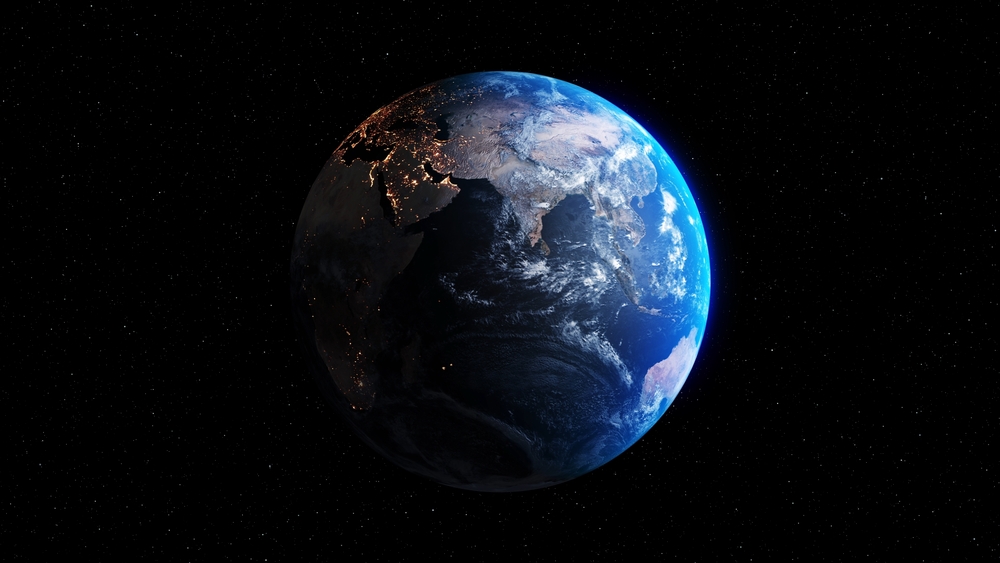
To understand how old this water really is, it helps to picture the world when it first became trapped underground.
At the younger end of estimates, 1.5 billion years ago, Earth was still dominated by microbial life. At the upper estimate of 2.6 billion years, the planet was almost unrecognizable.
There were no animals.
No trees.
No birds.
No humans.
The continents were arranged differently, the atmosphere contained far less oxygen, and much of life on Earth existed as simple microscopic organisms.
The water discovered in the mine may have been sealed underground before multicellular life had properly evolved.
That timeline is part of what stunned researchers.
Most groundwater systems are connected to rain, lakes, rivers, or oceans over long stretches of time. Water circulates through the environment constantly. It evaporates, freezes, falls back as rain, and filters through soil and rock.
This water did not.
It became isolated deep within the Earth’s crust and remained there for billions of years.
Scientists determined its age by studying noble gases dissolved inside the liquid. Elements like helium, neon, argon, and xenon build up in predictable ways over immense periods of time.
Researchers also examined isotopes within the water molecules themselves.
Together, those chemical signatures created a geological clock.
The numbers that emerged shocked the scientific community.
The Ancient Water Contained Signs Of Life

The age of the water alone would have made headlines.
What researchers discovered next made the finding even more important.
The underground water also appeared to contain chemical traces linked to ancient microbial life.
By studying sulfate compounds inside the water, the team identified what Sherwood Lollar described as a biological fingerprint.
“By looking at the sulphate in the water, we were able to see a fingerprint that’s indicative of the presence of life,” she explained.
The chemical evidence suggested microbes had once survived within the isolated environment for incredibly long periods of time.
“And we were able to indicate that the signal we are seeing in the fluids has to have been produced by microbiology and most importantly has to have been produced over a very long time scale,” Sherwood Lollar said.
“The microbes that produced this signature couldn’t have done it overnight.”
That statement carried enormous implications.
Life deep underground cannot rely on sunlight. There is no photosynthesis at those depths. Yet microbial communities still managed to survive.
Scientists believe the organisms used energy produced naturally through chemical reactions between rock and water.
Long Li, an assistant professor in the University of Alberta’s Department of Earth and Atmospheric Sciences, explained that the sulfate was not introduced from modern surface water.
Instead, it formed underground through ongoing reactions between minerals and trapped water.
“What this means is that the reaction will occur naturally and can persist for as long as the water and rock are in contact, potentially billions of years,” Li said.
That discovery added another layer to the story.
The underground system was not simply preserving ancient water. It may also have sustained life for geological timescales in complete darkness.
Why Scientists Suddenly Started Thinking About Mars
Discoveries like this do more than rewrite Earth’s geological history.
They also reshape how scientists think about life elsewhere in the universe.
For decades, many researchers assumed sunlight was essential for long-term survival. The ancient water discovery challenged that assumption.
If microbial life could survive underground on Earth using chemical energy from rocks and radiation, similar ecosystems might exist on other planets.
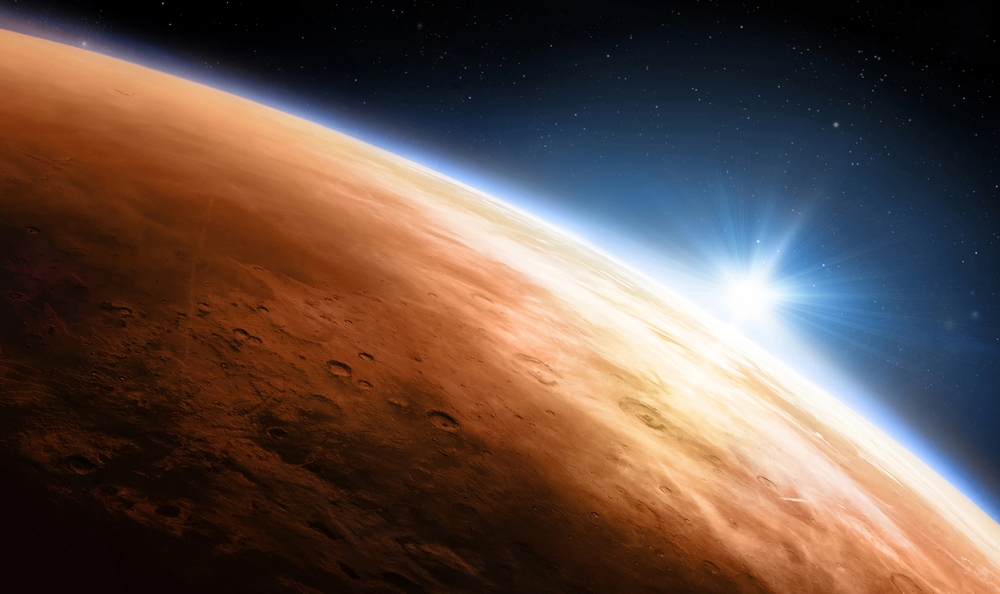
Mars immediately became part of the conversation.
Scientists believe ancient Mars once had rivers, lakes, and oceans on its surface. Over time, the planet lost much of its atmosphere and became cold and dry.
But underground pockets of water may still exist beneath the Martian crust.
Chris Ballentine, a geochemist from the University of Manchester and one of the senior researchers involved in the study, said the Canadian discovery opened a serious possibility.
“Any life that formed could have found its way into similar pockets of water in the Martian crust,” Ballentine explained.
The underground water systems could potentially protect microbial life long after a planet’s surface became hostile.
That idea transformed the Canadian mine into something larger than a geological curiosity.
It became a possible model for alien survival.
The implications stretched beyond Mars.
Scientists also began discussing icy moons like Europa and Enceladus, where hidden oceans may exist beneath frozen surfaces. If life only requires water, chemical energy, and enough time, then the universe may contain far more habitable environments than once believed.
The ancient water beneath Ontario suddenly became part of a much bigger question.
How difficult is it for life to survive?
Then Came The Question Everyone Wanted Answered
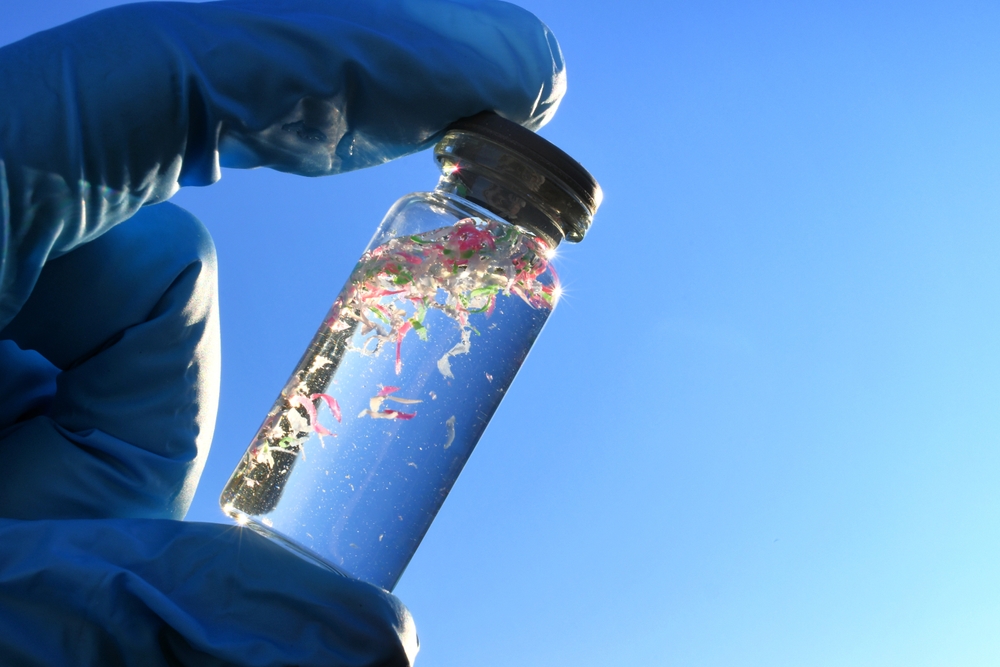
As news of the discovery spread online, public fascination shifted toward one strangely specific detail.
What would 2-billion-year-old water actually taste like?
The answer turned out to be surprisingly straightforward.
Sherwood Lollar had already tasted it.
The geologist later explained that tasting rocks and water samples is more common in geology than most people realize.
“If you’re a geologist who works with rocks, you’ve probably licked a lot of rocks,” she told CNN.
The process was not reckless curiosity.
In underground environments filled with multiple water fractures, salinity can provide an important clue. Older waters are often much saltier than younger ones.
Researchers already suspected the deepest, saltiest water might also be the oldest.
Sherwood Lollar did not drink a cup of the ancient liquid.
Instead, she dipped her finger into the water and briefly touched it to her tongue.
Her reaction became one of the most widely shared parts of the story.
The water was “very salty and bitter,” she said, and “much saltier than seawater.”
That description makes scientific sense.
Over billions of years, water trapped underground interacts continuously with surrounding minerals. As chemical reactions occur, dissolved salts and compounds accumulate.
The result is an intensely concentrated liquid carrying the chemical memory of ancient rock formations.
The water may have looked clear when it emerged from the fractures, but scientists stressed it was not safe to drink.
Ballentine admitted the crystal-clear appearance made it seem tempting.
Sherwood Lollar quickly pushed back on the idea of actually consuming it.
“It’s scientifically too valuable to waste like that,” she said.
The Mine Became A Window Into Another World

Researchers described the underground environment as hot, noisy, dusty, and extremely dark.
Yet beneath those difficult conditions, the mine provided access to one of the oldest isolated environments ever studied.
Sherwood Lollar compared mines to deep-sea submarines.
Without mining operations, humans would have no practical way to reach these ancient systems buried beneath the crust.
The water itself was not created by the mine.
It had already existed underground long before human beings arrived.
The mining tunnels simply exposed fractures where the ancient fluids escaped naturally.
Scientists had known about deep salty waters in places like Canada, South Africa, and Finland for generations. Mining reports from the 1880s even mentioned strange underground water systems.
For decades, however, few researchers fully understood what they represented.
That began changing after scientists studying similar systems in South African gold mines discovered microbial communities surviving deep underground.
Some of those organisms lived nearly 1.7 miles beneath the surface.
The Canadian mine became especially important because the surrounding rock formations are extraordinarily old.
That geology created ideal conditions for preserving ancient fluids.
Researchers working inside Kidd Creek encountered water bubbling out of fractures in the rock walls. Some samples emerged from boreholes drilled into deep formations.
What made the discovery remarkable was not simply the age of the water.
It was the fact that the system remained active.
The ancient fluids were still moving.
Still interacting chemically with the rock.
Possibly still supporting microbial life.
That changed how scientists viewed the deep Earth.
Instead of a lifeless geological shell, the underground crust began to look more like a hidden ecosystem operating slowly over incomprehensible timescales.
The Discovery Changed How Scientists Think About Survival
One of the most important lessons from the ancient water discovery is how adaptable life can be.
For years, many assumptions about habitability focused heavily on surface conditions. Researchers looked for sunlight, moderate temperatures, and environments similar to Earth’s surface ecosystems.
The Canadian mine told a different story.
Life may not need comfortable conditions.
It may simply need access to energy, water, and time.
The microbes associated with the underground fluids survived without sunlight for periods longer than complex life has existed on Earth.
That possibility dramatically expanded the kinds of environments scientists now consider potentially habitable.
The discovery also deepened interest in Earth’s “deep biosphere,” a hidden underground ecosystem that scientists are still trying to understand.
Researchers now believe vast numbers of microorganisms may live far beneath the surface, surviving in isolated environments humans rarely encounter.
Some scientists suspect the total mass of underground microbial life could rival or exceed life found on the surface.
That idea still sounds almost surreal.
An invisible world may exist beneath our feet, operating quietly over millions or billions of years.
The ancient Canadian water became one of the strongest pieces of evidence supporting that possibility.
The discovery also challenged assumptions about how water itself moves through the planet.
Researchers once believed deep groundwater systems eventually mixed back into broader hydrological cycles relatively quickly.
Finding water preserved for over 2 billion years suggested some pockets can remain isolated for astonishing stretches of time.
That realization may reshape geological models for years to come.
Why The Story Captured So Much Attention Online

Scientific discoveries become public headlines all the time.
Very few break into mainstream fascination the way this one did.
Part of that came from the sheer scale of the numbers involved.
Two billion years is almost impossible to picture.
Modern human civilization represents only a tiny fraction of that timeline. Even dinosaurs lived far more recently than the water trapped beneath the Canadian mine.
The story also combined massive scientific implications with one deeply human detail.
A geologist looked at the oldest water on Earth and immediately wondered what it tasted like.
That small moment made the discovery feel real.
People could suddenly imagine standing underground beside the rock fractures, watching ancient water bubble upward from a world that no longer exists.
The contrast between cutting-edge science and simple curiosity gave the story unusual staying power online.
It also reminded people how physical geology can be.
Scientists were not studying the ancient water through a telescope or computer simulation. They were standing inside a mine, collecting samples by hand in harsh underground conditions.
The work involved chemistry, physics, geology, microbiology, and a surprising amount of instinct built through years of field research.
Sherwood Lollar’s comments about geologists licking rocks became instantly memorable because they revealed how tactile the profession can be.
For many readers, that detail made the researchers feel less like distant scientists and more like explorers.
There May Be Even Older Water Waiting Underground
The discovery at Kidd Creek may not be the end of the story.
Scientists believe other ancient water systems likely exist deep within Earth’s crust.
Researchers are now studying underground environments across multiple continents to compare chemistry, age, and possible microbial activity.
Every new sample could help answer larger questions about the origins of life and the limits of survival.
There is also growing interest in understanding how these ancient systems formed in the first place.
Some researchers suspect underground fractures may have trapped water during ancient geological events tied to volcanic activity, shifting continents, or massive changes in the Earth’s crust.
Others are focused on the microbiology.
If life can survive in isolated underground pockets for geological timescales, it raises difficult questions about extinction and persistence.
Could some forms of life survive global catastrophes simply by retreating deep underground?
Could early microbial ecosystems have endured dramatic planetary changes hidden far beneath the surface?
Those questions remain unanswered.
What scientists know for certain is that the Earth still contains environments humanity barely understands.
Beneath modern cities, forests, and oceans, ancient systems continue operating in silence.
Some have been hidden since long before animals walked the planet.
And in one Canadian mine, a geologist touched a drop of that ancient world to her tongue and discovered it tasted far saltier than the sea.