
Your cart is currently empty!
Woman Turns Workplace Hair Ban Into Viral Wig Protest
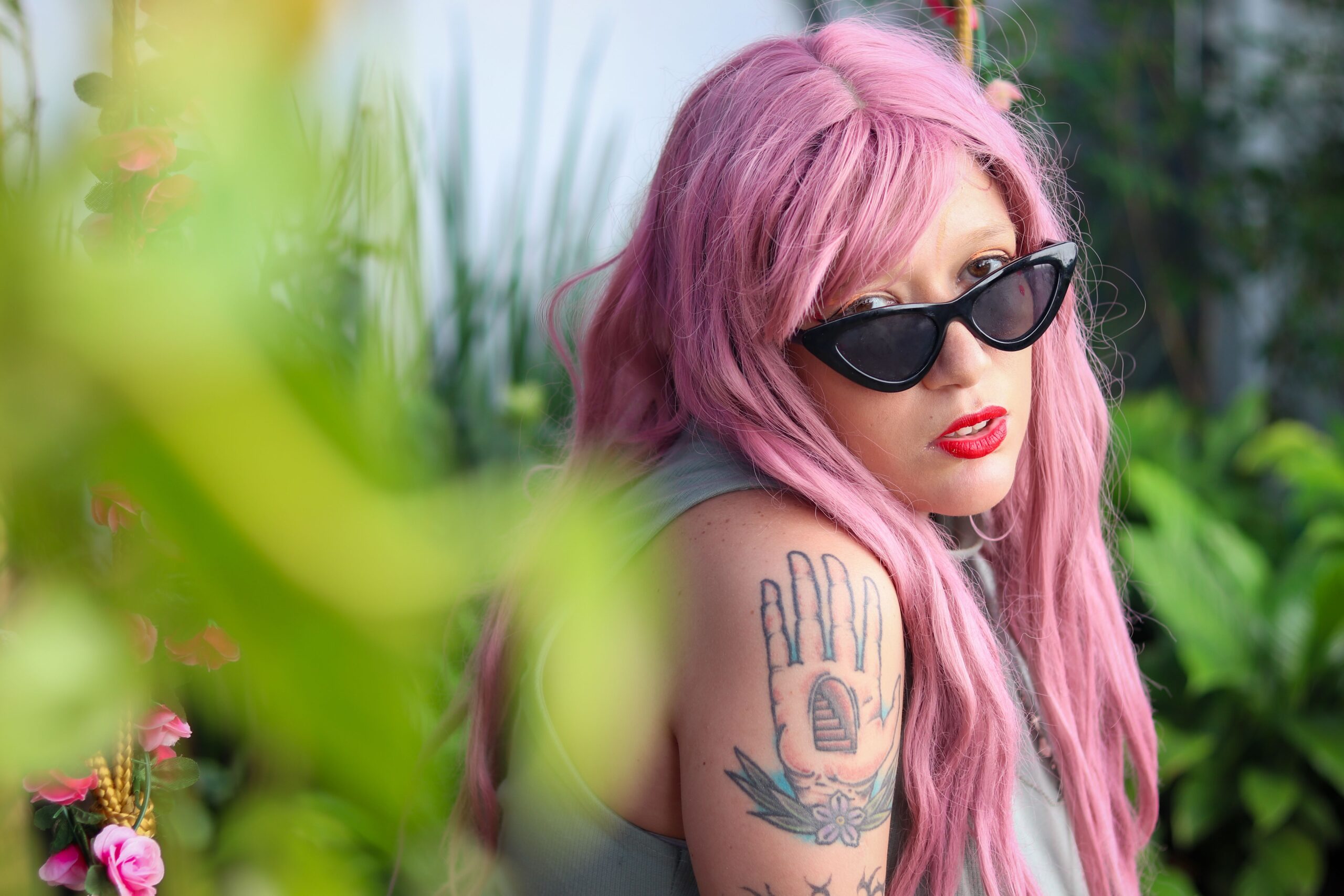
For plenty of people, changing your hair colour is no different from picking out an outfit. It is a form of self-expression that says something about your personality before you even speak. Yet in many workplaces, especially customer-facing roles, appearance policies continue to draw a line between what is considered “professional” and what is not.
Contents
show
That tension recently exploded into a viral conversation after a Georgia woman refused to give up the bright pink hair she loved for the sake of her new job. Instead of reaching for a bottle of hair dye, she reached for a collection of intentionally awful wigs, transforming what could have been a quiet compromise into one of TikTok’s most entertaining examples of malicious compliance.
A Job Offer Came With An Unexpected Catch
Emily Benschoter, 29, had accepted a front-of-house hospitality position after completing the hiring process without an in-person or video interview. Since her manager had never actually seen her, one important detail never came up before she was hired.
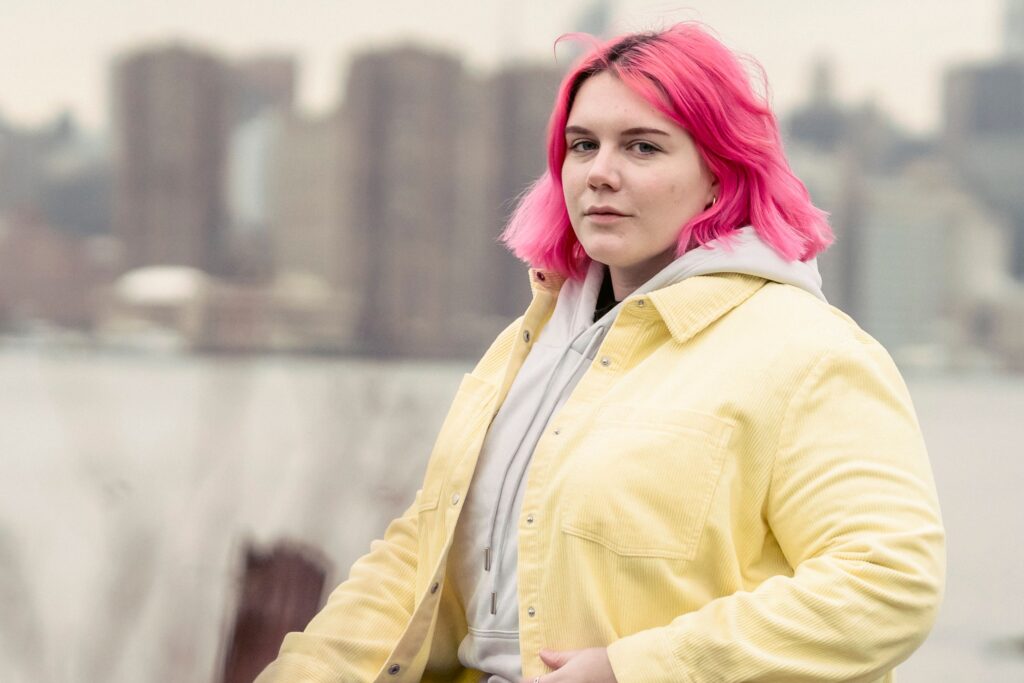
Her waist-length hair was dyed bright pink.
Before arriving for her first shift, Benschoter contacted her employer to make sure there would not be an issue. That conversation revealed the company’s appearance policy did not allow employees to have brightly coloured hair while working.
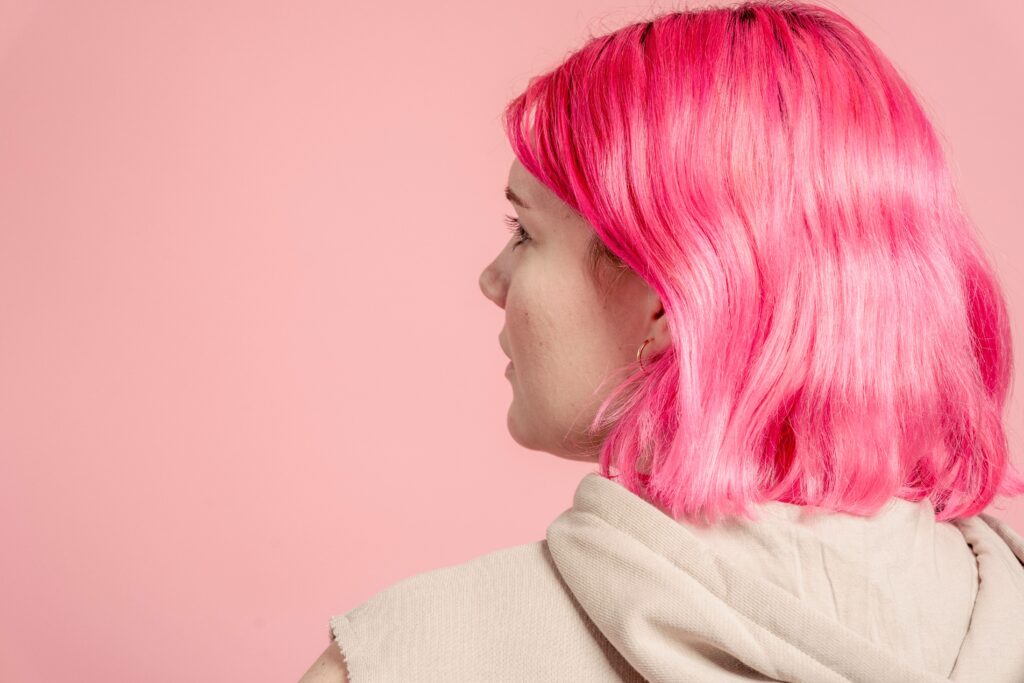
For many people, the easiest solution might have been to dye it back to a natural shade. Benschoter never seriously considered that option.
“Dying my hair for a job I work at for 40 hours per week wasn’t an option,” she told Newsweek. “I am a self-expressive person and I feel very confident with pink hair so I came up with a solution to keep the job and my hair.”
The employer offered an alternative. If she covered her pink hair with a natural-coloured wig, she could continue working in the role.
Technically, the problem had been solved.
In practice, Benschoter had something much more creative in mind.
She Followed The Rules. Just Not The Way Anyone Expected

Rather than investing in realistic wigs that would blend in with the company’s professional image, Benschoter deliberately searched for the strangest hairstyles she could find.
Messy blonde wigs.
Wild brown curls.
Unbrushed mullets.
Hairstyles that looked decades out of date.
Others appeared so oversized or oddly shaped that they immediately attracted attention from customers.
Her guiding principle soon became simple.
“The worse the wig, the better.”
Instead of hiding her individuality, the wigs often drew even more attention than her pink hair ever could.
The unusual approach perfectly captured the internet’s favourite form of protest known as malicious compliance. Rather than openly refusing an instruction, someone follows it exactly while exposing how unreasonable or impractical the rule may be.
In Benschoter’s case, she was complying with the workplace dress code. She simply was not doing it in the polished, understated way anyone probably imagined.
TikTok Couldn’t Get Enough
Benschoter began documenting each new wig on TikTok through her account, @emuhleeebee.
One of her earliest videos featured a shoulder-length blonde wig accompanied by text reading:
“When you have pink hair but corporate does not approve so you wear terrible wigs.”
The clip quickly exploded online, attracting more than 950,000 views and around 49,000 likes.
As more videos appeared, viewers became invested in seeing what bizarre hairstyle she would wear next.
Some wigs looked like they belonged in an old costume shop.
Others resembled hairstyles from entirely different eras.
Several followers even started purchasing wigs from her Amazon wishlist, helping expand her growing collection of deliberately ridiculous disguises.
What started as a practical workplace solution had evolved into an ongoing series that thousands of people eagerly followed.
Customers Became Part Of The Joke
The wigs were never just for social media.
Benschoter explained that they regularly sparked conversations with customers throughout her shifts.
“It is a way to open up the conversation with the customers who think it is insane that I have to cover my pink hair,” she told Newsweek.
Instead of avoiding attention, the exaggerated hairstyles encouraged people to ask questions about why she was wearing them.
Those conversations often led to discussions about workplace appearance rules, self-expression and whether hair colour should really matter when someone is doing their job well.
For Benschoter, the wigs became more than a workaround.
They became a conversation starter that challenged assumptions many people rarely stop to question.
She also admitted that she genuinely enjoys the humour of the situation.
“I prefer my pink hair, it’s me to my core. So now I purposely pick wacky wigs which is quite funny.”
More Than Just Hair Colour
While the wigs have entertained millions online, Benschoter has repeatedly said the issue goes much deeper than fashion.
“It’s dehumanising that I can’t be accepted at face value because my hair is a non-traditional colour,” she told Newsweek. “It’s so superficial that my hair colour is an obstacle.”
Her comments touched on a broader debate that has existed for years across many industries.
Should appearance standards focus solely on maintaining a professional image?
Or should employees have greater freedom to express themselves when those choices have no impact on their ability to perform their work?
Many employers have gradually relaxed rules around tattoos, piercings and coloured hair over the past decade, particularly as younger generations have entered the workforce.
Others continue to enforce traditional dress codes, especially in customer-facing positions where appearance is viewed as part of the brand.
The result is an ongoing clash between corporate image and personal identity, with employees often finding themselves caught somewhere in the middle.
For Benschoter, wearing ridiculous wigs allowed her to keep both her job and the hair colour that she says represents who she is.
Whether her employer expected that particular solution is another matter entirely.
Online Viewers Saw More Than A Funny Protest
It did not take long for Benschoter’s videos to fill with comments from people who found both the wigs and the policy difficult to understand.
Many viewers questioned why a company would object to pink hair while accepting wigs that often looked far more distracting.
“They think this is better?” one TikTok user wrote.
Another joked that Benschoter should make the contrast even more obvious.
“Please tell me that the SECOND you clock out, you’re carrying your wig in your hand to make it SO CLEAR.”
Others immediately recognised what she was doing.
The phrase “malicious compliance” appeared repeatedly throughout the comment section, with many praising her for technically following the rules while drawing attention to what they viewed as an outdated policy.
The discussion soon expanded beyond one employee and one workplace. Thousands of people began sharing stories about their own experiences with appearance rules that they felt made little sense.
One commenter recalled having to hide blue hair while working at Applebee’s.
“I had to cover my blue hair at Applebee’s so I wore a jheri curl wig.”
Another described a similar policy at a local hospital.
“Our local hospital has this rule. My friends wear Karen wigs that match. It’s unhingedly hilarious.”
Someone else remembered a supervisor who found an unusual way around tattoo restrictions.
“We aren’t allowed to show our tattoos at work. My boss had a small, beautiful one she covered with a SpongeBob bandaid every day.”
The comments revealed that Benschoter’s experience was far from unique. While every workplace has its own standards, many employees have found creative ways to comply without sacrificing their sense of identity.
Why Some Companies Still Restrict Hair Colour

Although brightly coloured hair has become increasingly common, appearance policies remain in place across many customer-facing industries.
Hospitality, luxury retail, finance and some healthcare organisations often maintain grooming standards designed to present a consistent brand image.
Supporters of these policies argue that businesses have the right to establish expectations for employees representing the company. They believe a uniform appearance helps create a professional environment and reassures customers who expect a certain level of presentation.
Critics see the issue differently.
Organisational psychologist Gena Cox told Newsweek that appearance standards are often influenced by long-standing assumptions about what professionalism should look like.
“Companies focus disproportionately on employees’ visual characteristics when they have a preconceived notion of what the ‘ideal employee’ looks like and when they believe their clients and customers share that bias.”
She argued that those assumptions deserve closer examination.
“The bottom line is, rejection of employees’ coloured hair is a form of bias and a sign that the workplace is not inclusive.”
That perspective reflects a broader shift taking place across many industries as employers reconsider policies that were once treated as standard practice.
Workplace Appearance Rules Have Been Slowly Changing
The debate surrounding personal appearance at work has been evolving for decades.
Hair colour is only one part of a much larger conversation that has included tattoos, piercings, facial hair and natural hairstyles.
Many companies that once enforced strict grooming rules have gradually relaxed them as workplace culture has changed.
One well-known example came in 2012 when Disney Parks in the United States ended a rule that had prohibited male cast members from growing beards for around 60 years.
Changes like that reflected growing recognition that personal appearance does not necessarily affect professionalism, customer service or job performance.
Even so, not every workplace has moved at the same pace.
Many employers continue to believe traditional grooming policies remain important, particularly in industries where staff members interact directly with customers throughout the day.
That leaves employees balancing company expectations with personal identity, sometimes resulting in unusual compromises like Benschoter’s growing collection of wigs.

Why The CROWN Act Does Not Apply Here
As the discussion spread online, some viewers wondered whether legal protections against hair discrimination might apply.
In this case, they do not.
The CROWN Act, short for Create a Respectful and Open World for Natural Hair, was first passed in California in 2019 before similar legislation was introduced in other states.
The law was designed to protect people from discrimination based on race-related hairstyles and natural hair textures.
That includes styles such as braids, locs, twists and knots that have historically been the subject of workplace discrimination.
The legislation represented a significant milestone for employees whose natural hairstyles had previously been labelled unprofessional or inappropriate.
Benschoter’s situation is different because her hair is dyed pink rather than reflecting a protected natural hairstyle.
While many people sympathised with her position, the legal protections created under the CROWN Act do not extend to fashion colours such as pink, blue or purple.
That distinction highlights how workplace appearance policies can still vary widely depending on what aspect of someone’s appearance is involved.
A Personal Decision Turned Into A Much Bigger Conversation
For Benschoter, the decision to wear increasingly outrageous wigs was never simply about making people laugh online.
She has consistently described it as a way of staying true to herself while keeping a job she enjoys.
Rather than quietly accepting a rule she disagreed with, she found a way to comply without abandoning the bright pink hair that she considers part of her identity.
The unexpected result was a social media following of more than 34,000 people, countless viral videos and a conversation that extended well beyond one workplace.
Her story has encouraged people to reflect on what professionalism really means and whether appearance policies should evolve alongside changing social attitudes.
The answer will likely differ from one employer to another.
Some businesses will continue enforcing traditional grooming standards because they believe customers expect them.
Others may conclude that performance, attitude and customer service matter far more than hair colour.
For now, Benschoter appears happy with the compromise she created for herself.
Her pink hair remains untouched beneath each wig, while every new hairstyle gives customers and millions of online viewers something unexpected to talk about.
Ironically, the policy designed to make her appearance less noticeable ended up making her one of the internet’s most recognisable employees.