
Your cart is currently empty!
When Politics Becomes the New Love Language
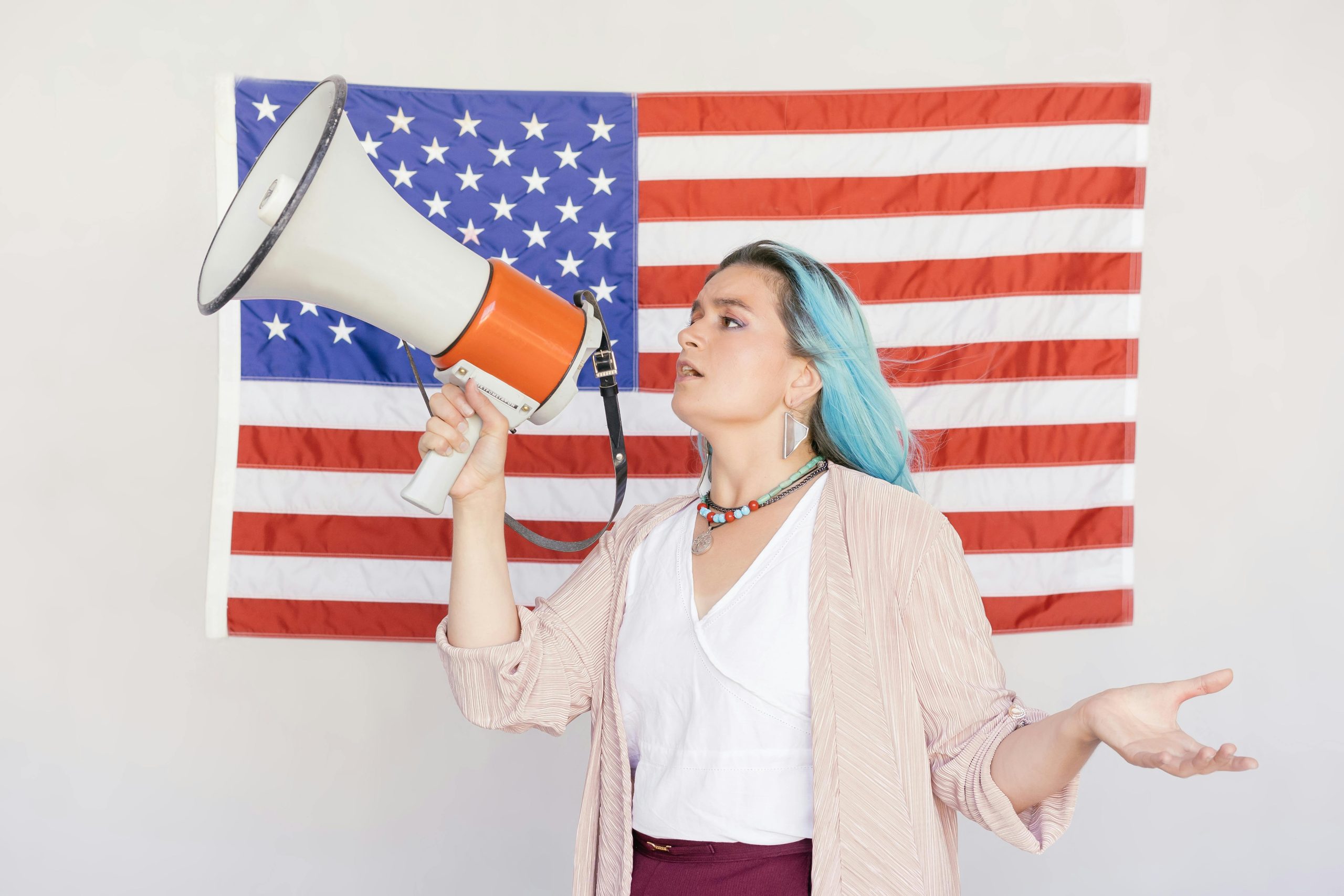
Love, as the old saying goes, is blind but in 2025, it’s squinting through a political lens. A new wave of research suggests that when it comes to romance, women aren’t just looking for chemistry or charm anymore. They’re looking for alignment not just of hearts, but of values. In an era where politics have become a kind of moral shorthand, who you vote for, what causes you support, and how you define fairness have all become dealbreakers. For many women, dating across political lines no longer feels adventurous or romantic; it feels incompatible. The issue extends beyond political affiliation to the deeper question of who aligns with one’s worldview, ethics, and vision of justice. Love, it turns out, is no longer apolitical.
Contents
show
According to a series of studies and surveys from OkCupid’s user data to global academic research by the University of Göttingen and the University of Jena women around the world are choosing political compatibility over partnership itself. Nearly half of left-leaning women and over 40 percent of right-leaning women said they would rather stay single than date someone whose beliefs clash with their own. Among moderate women, that number drops to about 22 percent, suggesting that while centrists are more open to difference, the majority of women see ideological alignment as the cornerstone of intimacy. It’s a seismic shift from the days when politics was just a lively dinner-table topic. Today, politics has become a reflection of morality, empathy, and identity and that reflection determines whether someone gets a second date.
The Rise of Political Compatibility in Modern Dating
The notion that love could transcend politics once felt romantic. Movies and novels painted opposites-attract stories as timeless proof that affection could bridge any divide. But the modern dating landscape tells a different story. Apps like OkCupid have found that more than 1.2 million U.S. users now include political badges such as “I’m Pro-Choice” on their profiles. Seventy percent of women and forty-two percent of men say they wouldn’t date someone who isn’t pro-choice. Among non-binary daters, that number soars to ninety-three percent. The data paints a clear picture: shared values have replaced shared hobbies as the new foundation of attraction.
It’s not just reproductive rights shaping this shift. Support for movements like #MeToo and gender equality has become another major dating filter. Over three-quarters of women and more than half of men won’t date someone who doesn’t support the #MeToo movement.
Meanwhile, 86% of women and 67% of men say they couldn’t date someone who doesn’t back gender equality. Even racial equality has entered the conversation: more than half of women say speaking out on such issues is essential. Silent agreement isn’t enough anymore people want partners who participate, not just empathize.
This trend reflects a broader generational movement. Gen Z and millennials are more politically active and socially conscious than any generation before them, and their dating choices mirror that activism. According to Tufts University’s Public Opinion Lab, 77% of married or cohabiting couples in the U.S. now share the same political party affiliation. Compatibility isn’t measured only in romance anymore. It’s tested in politics, ethics, and worldview.
Why Politics Has Become a Proxy for Morality
So why are politics suddenly so central to romance? The answer lies in the growing fusion between personal identity and political identity. Laura Nelson, a sociologist at the University of British Columbia, notes that the left-right divide stems as much from contrasting moral frameworks as from policy disagreements. When someone says they’re progressive or conservative, they’re really signaling a deeper set of ethical values how they view justice, compassion, and respect. Dating someone with opposing politics, then, can feel like dating someone with a completely different moral compass.
For many women, especially, political beliefs are seen as an extension of empathy. Can someone who opposes gender equality truly respect women? Can a partner who dismisses climate change share your sense of responsibility for the future? These questions go beyond politics; they touch on trust, safety, and shared worldview. This shift doesn’t reflect greater judgment among women but a deeper discernment about the meaning of shared values.
Pete Hatemi, a political scientist at Penn State, notes that couples today “assort on politics more than any other trait.” That means people are more likely to match on political ideology than religion, education, or even income level. The political spectrum has effectively become the new compatibility scale, revealing how people interpret kindness, fairness, and community. Love, in this sense, is less about opposites attracting and more about finding someone whose moral GPS points in the same direction.
The Empowerment of Singlehood Over Compromise

One of the most fascinating outcomes of this shift is the rise of singlehood by choice. Women are no longer staying single because they can’t find love. They’re staying single because they won’t settle for values that clash with their own. Researchers from the University of Göttingen found that singlehood has become a form of empowerment. It’s not about rejecting intimacy but reclaiming autonomy.
Psychologist Alexandra Solomon calls this “relational self-awareness” the idea that solitude can help people better understand their own needs and principles. When women choose to remain single rather than compromise on political beliefs, they’re exercising agency over the most intimate part of their lives. It’s a declaration that alignment matters more than approval.
This trend also reflects broader social and economic changes. With women achieving higher levels of education and financial independence than ever before, marriage is no longer a necessity for stability. Pew Research data shows that nearly half of women under 50 now believe marriage isn’t essential to happiness. For many, being single has stopped feeling like a shortcoming and started feeling like self-respect in action.
How Dating Apps Are Reinforcing Ideological Bubbles

Technology has played a pivotal role in amplifying this political sorting. Dating apps now allow users to filter potential matches by political beliefs, effectively turning ideology into another checkbox on the compatibility list. On one hand, this helps users avoid friction and wasted time; on the other, it creates ideological echo chambers. Dartmouth political scientist Sean Westwood argues that partisanship today has evolved beyond politics, it’s now a lifestyle identity. What media you consume, what causes you support, and even what brands you buy can all reveal your political alignment.
This means that dating someone with opposing political views can feel like dating someone from another world. Algorithms, designed to show us more of what we already agree with, reinforce these silos. The same psychological safety people seek online is now extending into their romantic choices. For some, that’s comforting, a way to ensure shared values from the start. For others, it raises concerns about the loss of empathy and open-mindedness in dating culture.
Ironically, by filtering out ideological difference, many singles may also be filtering out opportunities for growth. Love, historically, has been one of the few spaces where people could bridge divides and learn from one another. But when every potential match must pass a moral litmus test, the dating pool shrinks and with it, the potential for cross-political understanding.
Generational Shifts: From Activism to Attraction
The generational divide in romantic expectations is perhaps the clearest indicator of this transformation. Baby boomers often viewed political differences as manageable quirks; Gen Z sees them as moral incompatibilities. Movements like #MeToo, Black Lives Matter, and climate activism have profoundly shaped the political consciousness of younger women. For them, politics represents not merely a set of opinions but a reflection of empathy and responsibility.
A 2024 NPR/PBS poll found that six in ten Americans under 45 consider political alignment essential in a partner, compared to just one-third of baby boomers. That gap underscores a deeper cultural evolution. Younger generations are growing up in an era where social media activism and identity politics are interwoven. They’re accustomed to expressing values publicly and they expect their partners to do the same. The old advice to “never talk politics or religion on a first date” feels downright outdated.
This shift also reflects changing definitions of attraction. Emotional intelligence, ethical awareness, and social consciousness now rank higher than traditional markers like wealth or physical appeal. Politics, in a way, has become the new chemistry. When someone’s beliefs align with yours, it signals not just compatibility, but shared purpose.
The Double-Edged Sword of Ideological Loyalty
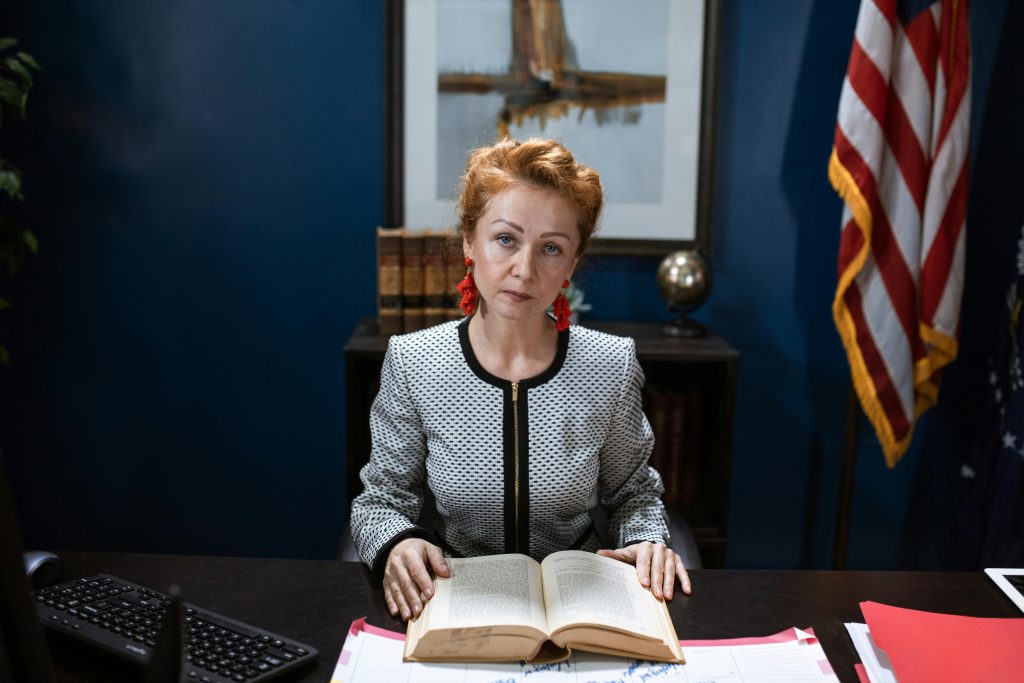
While political alignment may bring comfort and clarity, it also carries risks. If everyone dates within their ideological bubble, society risks deepening its divisions. Researchers warn that the merging of moral and political identity can make disagreement feel like betrayal. Love thrives on empathy and curiosity, but these qualities wither in echo chambers.
Couples who share political leanings do tend to report higher satisfaction and fewer conflicts. They interpret the world through similar frameworks, reducing friction. But the danger lies in mistaking comfort for connection. Relationships built on identical worldviews can sometimes lack the challenge that fosters growth. As political identity becomes a prerequisite for intimacy, it may also limit the diversity of thought that enriches relationships.
Still, this is the world we live in, one where conviction often trumps compromise. The challenge moving forward may be to find a balance: to hold firm in one’s values while staying open to human complexity. After all, ideological alignment might make love easier, but empathy makes it meaningful.
The Future of Love in a Politicized World
As women continue to redefine the rules of romance, one truth stands out: the personal is now unmistakably political. Choosing shared beliefs over simple companionship is less about cynicism and more about integrity. It’s a sign that love, in the modern era, has matured that it now demands not just affection, but alignment.
The implications stretch beyond dating apps and dinner dates. This shift reveals a generation seeking authenticity in every corner of life. They’re unwilling to separate how they vote from how they love, or what they believe from who they build a life with. And while that may narrow the field, it raises the bar for depth and honesty in relationships.
Ultimately, the rise of politically filtered love tells us something profound about our times. As societies grow more polarized, individuals are responding not with apathy but with discernment. They’re defining love not as the art of compromise, but as the pursuit of shared conviction. Whether this leads to greater unity or further fragmentation remains to be seen. But one thing is certain: in 2025, love isn’t blind, it’s wide awake, politically engaged, and unapologetically opinionated.