
Your cart is currently empty!
Yellowstone’s Largest Acidic Geyser Awakens After Six Years of Dormancy
Yellowstone National Park is full of geothermal surprises, but every now and then something unusual catches scientists off guard. After years of silence, a rare geyser in the park has suddenly begun erupting again, sending bursts of warm water into the air and raising new questions about what might be happening beneath the surface.
Contents
show
A Rare Kind of Geyser Hidden in Yellowstone
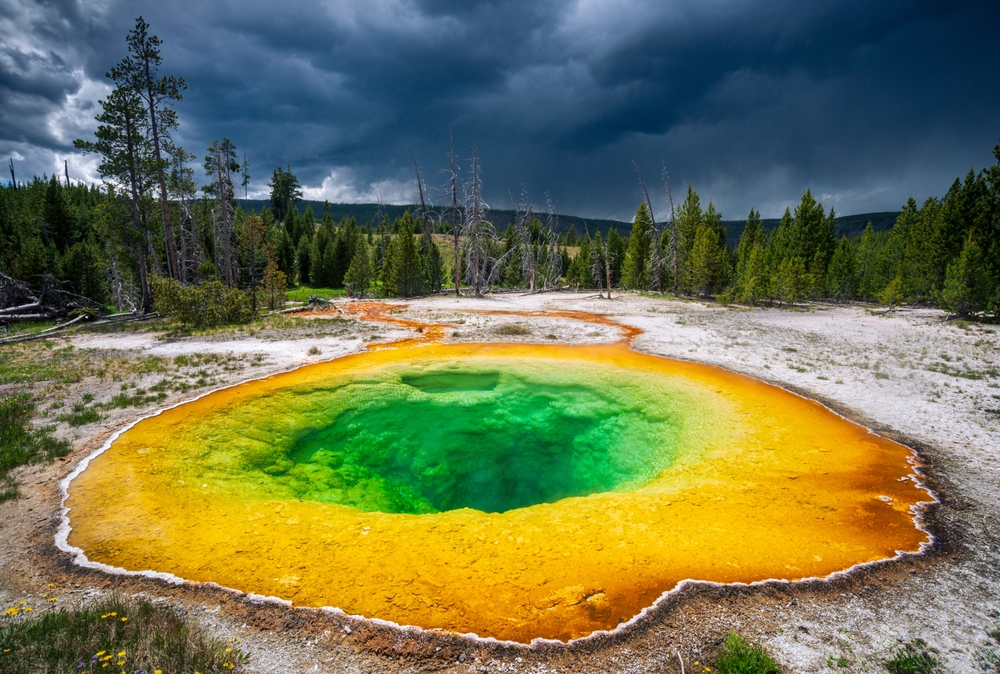
Yellowstone contains more geysers than any other place on Earth. Scientists estimate that the park has between 500 and 700 active geysers, which is more than half of all the geysers found worldwide.
These natural fountains form when groundwater travels deep underground and gets heated by hot rock and magma. As the water heats up, pressure builds inside narrow underground channels. Eventually the pressure becomes strong enough to force the water upward, creating the dramatic eruptions visitors see.
Echinus Geyser stands out from most others because its water is slightly acidic. That small chemical difference makes it one of the rarest geysers in the park.
The geyser sits in Norris Geyser Basin, the hottest and most active geothermal area in Yellowstone. The pool itself is about 20 meters (roughly 60 feet) across and is surrounded by reddish mineral deposits. These colors come from elements such as iron, aluminum, and arsenic found in the water.
Even though the water is described as acidic, scientists say it is not dangerously strong. According to the U.S. Geological Survey, its acidity is similar to everyday liquids like vinegar or orange juice.
Why Acidic Geysers Are So Uncommon
Most geysers depend on underground rock channels that allow water to move, heat up, and build pressure. If the water becomes too acidic, it can slowly dissolve the rock that forms these channels.
Over time, that damage can destroy the underground plumbing that makes eruptions possible. This is one reason acidic geysers are rarely able to last for long periods of time.
Echinus Geyser is different because its chemistry is balanced. The acidity comes from gases rising underground that mix with neutral groundwater. The result is slightly acidic water that changes the minerals around it but is not strong enough to break apart the rock.
This unique chemistry also creates the spiny, silica-covered rocks that surround the geyser pool. When mineralogist Albert Charles Peale visited the area in 1878, he thought the rocks looked like sea urchins. Because sea urchins belong to a group of animals called echinoderms, the geyser was given the name Echinus.
From Crowd Favorite to Long Silence
Echinus Geyser was not always quiet. During the second half of the twentieth century, it was one of the most reliable geysers in Yellowstone.
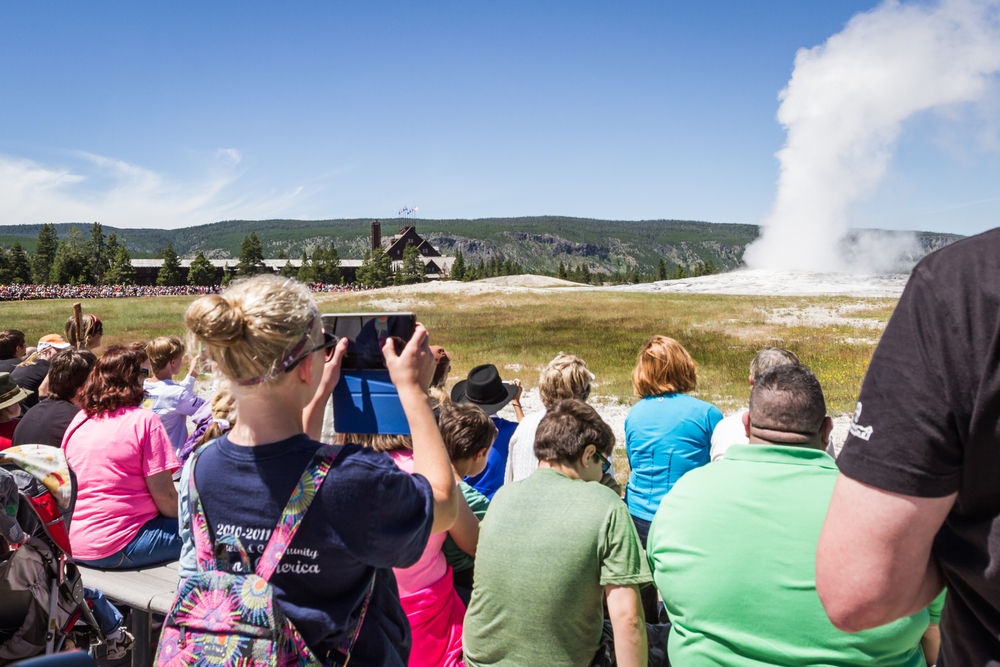
In the 1970s, eruptions often happened every 40 to 80 minutes. Visitors could sit on nearby benches and watch the geyser shoot water high into the air.
Some eruptions were small, while others were powerful enough to reach about 75 feet (23 meters) high. At times the eruptions lasted more than 90 minutes. Water sometimes sprayed sideways as well as straight up, occasionally soaking people standing nearby.
Because eruptions happened so regularly, park staff could sometimes estimate when the next one might occur. Viewing platforms were even built around the geyser so visitors could safely watch the display.
However, things began to change in the early 2000s. The eruptions slowly became less frequent, and the once reliable geyser began entering long quiet periods.
Scientists Begin Monitoring the Sleeping Geyser
To better understand what was happening underground, scientists installed a temperature monitoring system in 2010 in the geyser’s outflow channel.
The system helps researchers track activity that cannot be seen from the surface. Changes in temperature can reveal when hot water is moving through the geyser’s underground plumbing.
Smaller temperature spikes often mean the geyser pool is surging and pushing hot water down the channel. Larger spikes, especially those reaching around 70°C (158°F), usually indicate that an eruption has taken place.
The monitoring system recorded several eruptions between October 2010 and January 2011. After that short burst of activity, the geyser once again grew quiet.
Then something unexpected happened in 2017. Sensors detected repeated surges from the geyser pool, followed by a sudden return of eruptions. For a few weeks in October and November that year, Echinus erupted roughly every two to three hours.
Just as suddenly as it began, the activity stopped again.
The 2026 Awakening
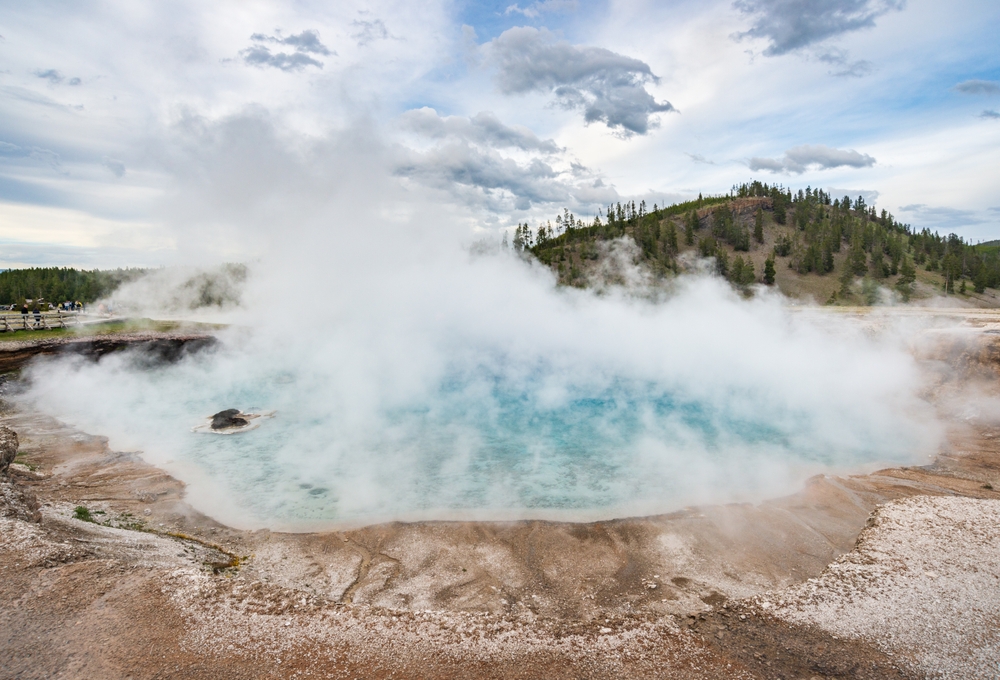
Early February 2026 brought another surprise.
Scientists noticed new surges in the geyser pool, which suggested pressure was building underground again. Soon afterward, on February 7, Echinus erupted for the first time in six years.
More eruptions followed over the next several days. By mid‑February, the geyser had settled into a repeating pattern that looked similar to the activity seen in 2017.
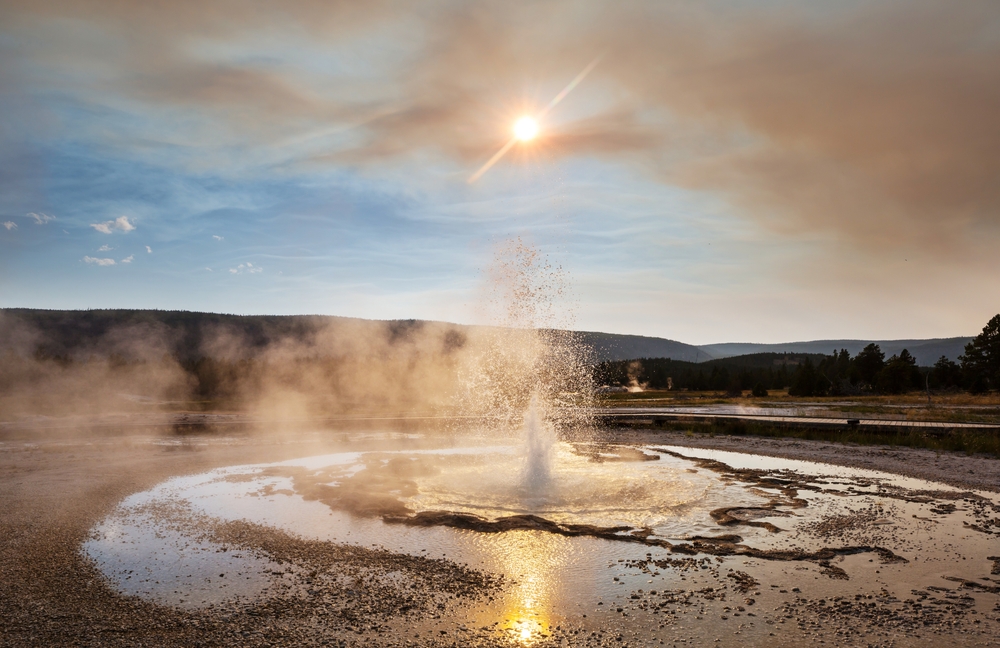
Recent eruptions have been smaller than those seen decades ago, but they are still impressive. The blasts send water about 20 to 30 feet into the air and usually last two to three minutes.
After each eruption, the water level inside the geyser pool drops noticeably before slowly filling back up again over the next hour.
Why Geysers Turn On and Off
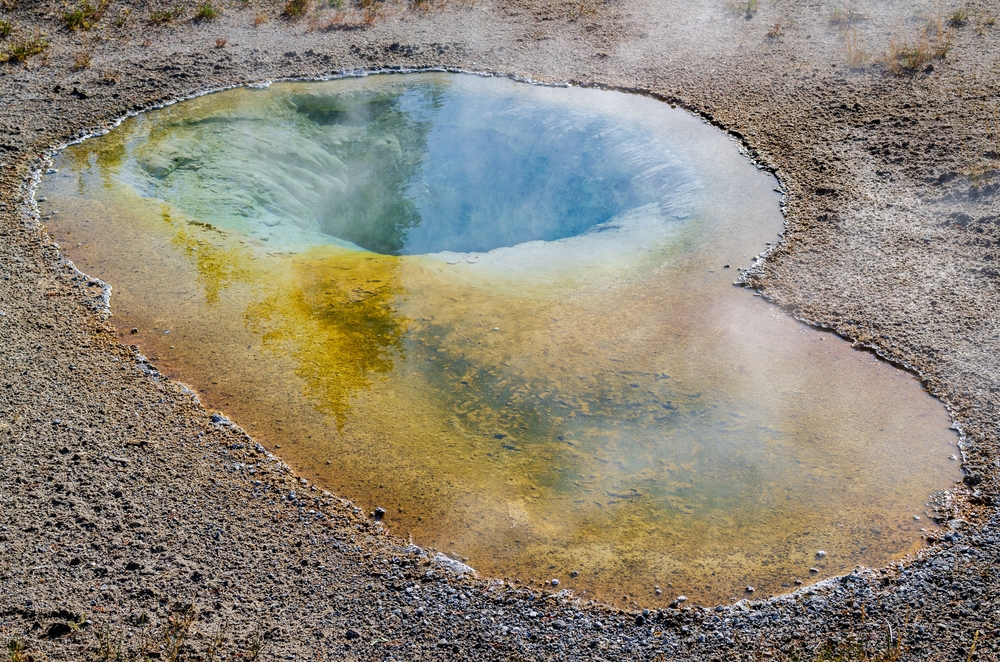
It may seem strange that a geyser can suddenly wake up after years of silence. In reality, this kind of behavior is common in geothermal areas.
Geysers rely on complicated underground systems made of narrow channels and water reservoirs. Small changes underground can affect how pressure builds and moves through these systems.
Several small changes underground can affect geysers over time, such as:
- Mineral buildup that slowly clogs underground channels
- Small earthquakes that shift rock pathways
- Changes in groundwater levels that affect pressure
Any of these factors may alter how a geyser behaves.
That is why scientists often say geysers naturally “turn on and off.” In a place as active as Yellowstone, the landscape is constantly adjusting.
A Reminder of Yellowstone’s Powerful Geology
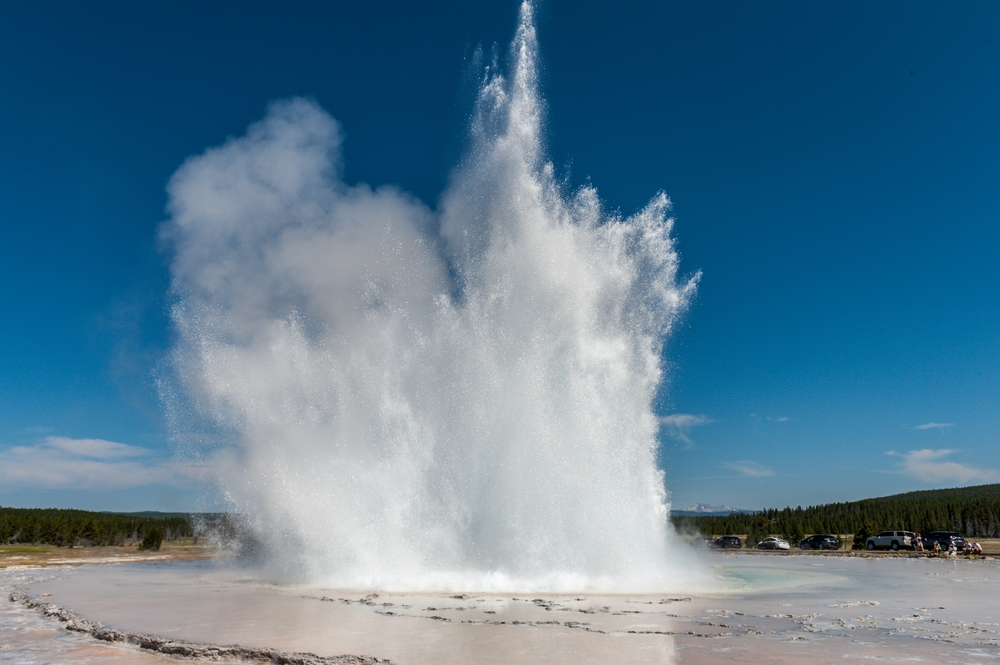
Echinus Geyser is only one feature in Yellowstone’s massive geothermal system. The heat that powers these eruptions comes from a huge volcanic system buried beneath the park.
That underground heat warms groundwater and creates many different geothermal features across Yellowstone, including:
- Geysers that erupt hot water and steam
- Hot springs known for their bright mineral colors
- Mud pots where acidic water turns rock into bubbling mud
- Fumaroles which release powerful jets of steam
Norris Geyser Basin, where Echinus is located, is the hottest and most dynamic of these areas. It is also home to Steamboat Geyser, the tallest active geyser in the world.
Scientists closely watch this basin because changes there can help them better understand how Yellowstone’s geothermal system works.
Will the Show Continue?
For visitors hoping to see Echinus erupt, the timing is uncertain. Researchers say the geyser often becomes active for a short period before going quiet again.
Recent observations suggest the current activity might already be slowing down, although geothermal systems can change quickly.
If conditions underground remain favorable, the eruptions could continue for a while longer. But it is just as possible that the geyser may slip back into dormancy.
A Landscape That Is Always Changing
The return of Echinus Geyser is a reminder that Yellowstone is constantly evolving. Even well‑known features can change behavior over time as underground forces shift.
For scientists, each eruption offers new clues about how geothermal systems work beneath the Earth’s surface.
For visitors, it is another reason why Yellowstone continues to amaze people year after year. In this landscape shaped by heat, water, and pressure, the next natural spectacle may appear when it is least expected.