
Your cart is currently empty!
Your Cat’s Strange Habit Of Bringing Dead Animals Home Has A Much More Practical Explanation
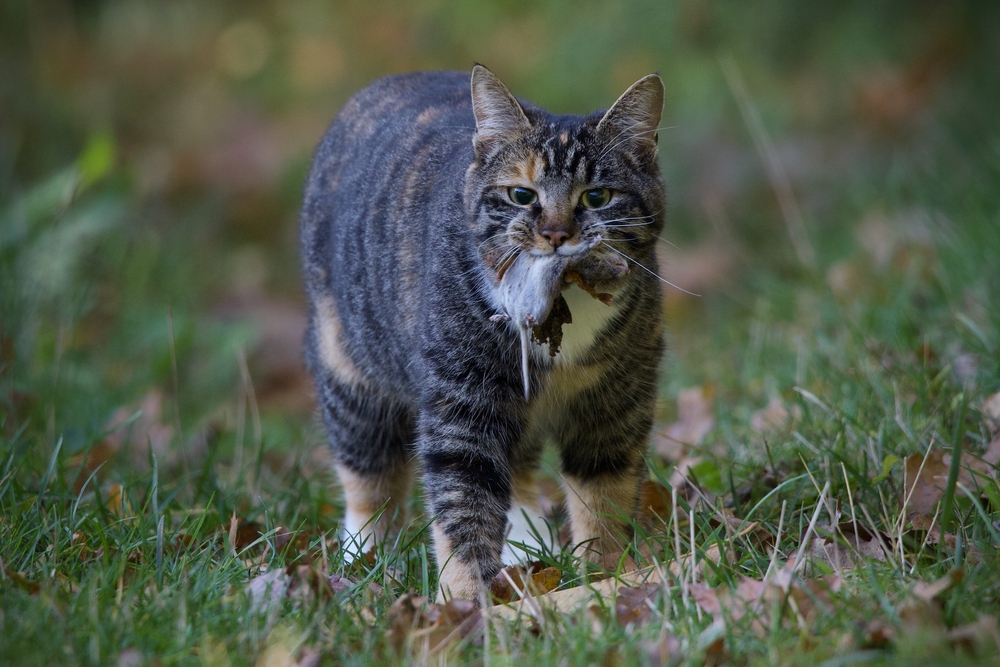
Finding a dead mouse on your doorstep is hardly the kind of surprise most cat owners want to wake up to. Yet for people with outdoor cats, these unwanted deliveries can become a regular occurrence, ranging from tiny mice and dead spiders to rabbits and squirrels. The strangest part is that many of these cats have perfectly good food waiting for them at home, leaving their owners wondering why they continue hunting when they have no obvious reason to do so.
Contents
show
There are several popular explanations for this behavior, including the idea that cats bring dead animals home as gifts for the people they love. However, the explanation offered by Purina’s pet expert team points toward something much more instinctive. Cats remain natural predators despite thousands of years of domestication, and bringing their prey into familiar surroundings may have more to do with territory and safety than any deliberate attempt to show affection.
The Real Reason Cats Bring Dead Animals Home
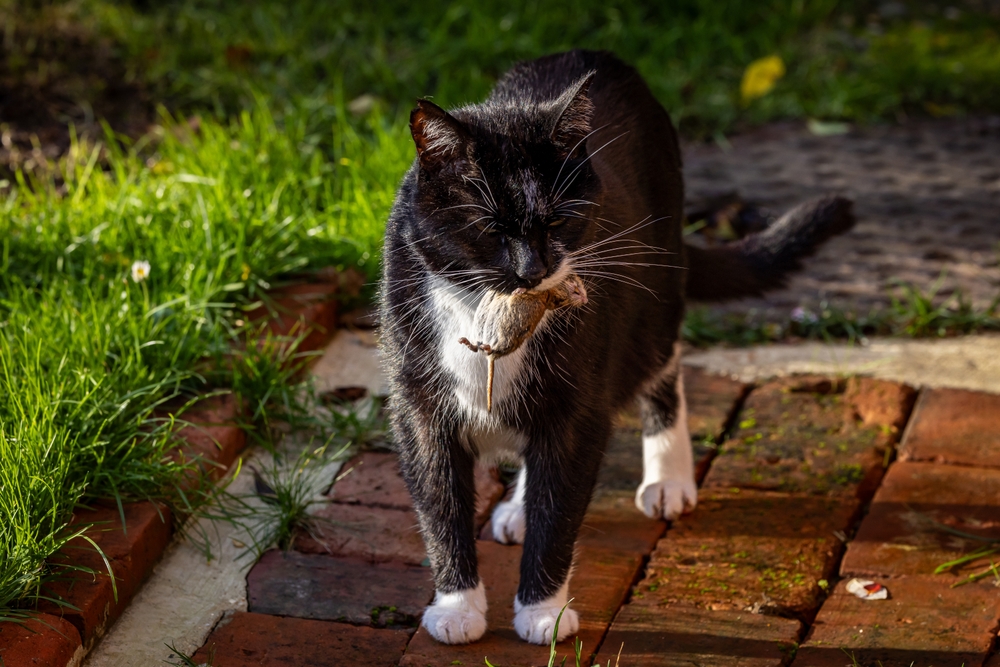
Cats have lived alongside humans for thousands of years, but domestication has not erased their natural hunting instincts. Even a well-fed pet can feel compelled to stalk, chase, catch and kill small animals, regardless of whether it needs the food. According to Purina’s pet expert team, cats with access to the outdoors may bring home everything from mice and spiders to larger prey such as rabbits and squirrels. The behavior can seem baffling to owners who provide regular meals, but hunting and eating are separate parts of a cat’s natural behavior.
The explanation may also have something to do with where cats feel safest. Purina suggests that cats may carry their prey back to their core territory, where they can eat it or leave it for later. For an outdoor cat, that familiar territory often includes the house and the spaces shared with its owner. What looks like an unwanted present to a human may simply be a catch being brought into a familiar environment. This does not mean the cat is deliberately trying to upset anyone, even if its choice of delivery location leaves its owner horrified.
Why A Full Food Bowl Does Not Stop The Hunting
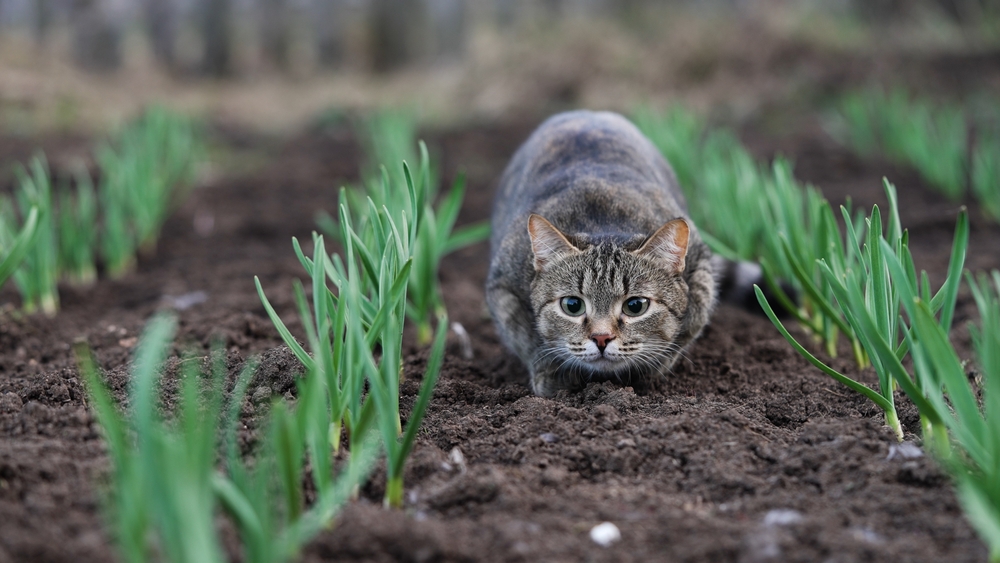
A cat’s instinct to hunt can remain strong even when food is readily available. The movement of a mouse or bird may trigger a chase before hunger has anything to do with the situation. Cats are built for stalking and pouncing, and these behaviors begin developing when they are young. Kittens often practice hunting movements during play, learning to follow moving objects and launch themselves at potential targets. These instincts can remain throughout adulthood, meaning that a cat can finish a meal and still spend the next hour hunting in the garden.
Do Cats Really Bring Dead Animals As Gifts?
One of the most familiar explanations for this behavior is that cats bring their catches home as gifts for their owners. Some people interpret the habit as a sign of affection, while others joke that their pets believe humans are terrible hunters and need help finding food. Although these interpretations have become popular among cat owners, the supplied Purina guidance points toward territorial behavior as a more practical explanation. Cats may prefer to bring prey into a familiar place where they can eat or store it, rather than leaving it wherever they happened to catch it.
That does not mean cats are incapable of forming strong bonds with their owners. It simply means a dead mouse should not automatically be interpreted as proof of affection. Cats can enjoy human company, seek attention and develop familiar routines while retaining the same instincts that drive their hunting behavior. Understanding the distinction can help owners respond more effectively. Rather than trying to decipher an emotional message from every animal left by the door, they can focus on reducing opportunities for hunting and providing their pets with appropriate activities.
How Kittens Develop Their Natural Hunting Instincts
Hunting behavior begins early in a cat’s life, long before an animal needs to catch food independently. In the wild, mother cats teach their kittens survival skills that include finding food and learning how to handle prey. Young kittens also practice stalking, chasing and pouncing through play, gradually developing the movements associated with hunting. These behaviors are part of normal feline development, which helps explain why an adult cat can continue showing an interest in hunting even when its owner provides everything it needs.
Domestic cats may never have to depend on hunting for survival, but their instincts remain. Spaying and neutering can prevent cats from reproducing, yet these procedures do not remove the natural drive to stalk and catch prey. A cat that has never needed to hunt for a meal may still react quickly when it spots a mouse moving through the grass. This is why owners cannot necessarily stop the behavior simply by providing more food or attempting to discourage a cat after it has already caught an animal.
Four Ways To Reduce Your Cat’s Hunting Success
Although hunting is natural feline behavior, owners can take steps to reduce the number of animals their cats catch. Purina recommends limiting opportunities for successful hunts while giving cats suitable ways to exercise their instincts. These changes may not eliminate hunting entirely, particularly for cats accustomed to roaming outdoors, but they can make a meaningful difference to the number of unwanted deliveries that arrive at home.
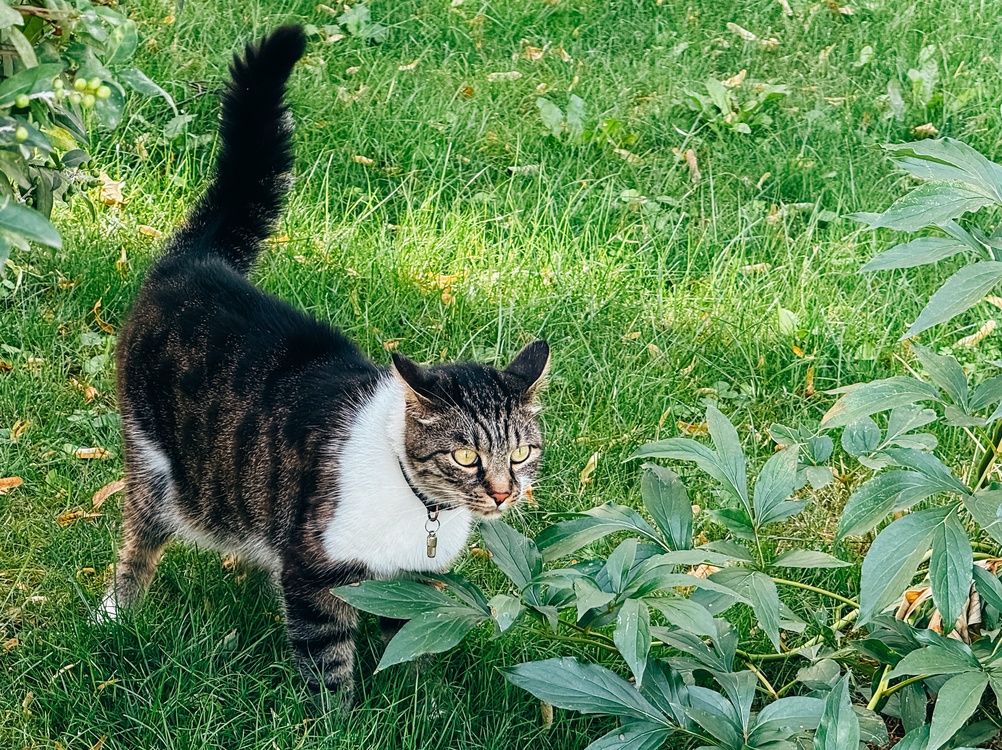
- Use a quick-release collar with a bell: A bell can alert birds and small mammals to an approaching cat, potentially giving them time to escape. Always choose a properly fitted quick-release collar designed to open if it becomes caught on something.
- Reconsider garden bird feeders: Feeders can attract birds into areas where cats have easy access to them. Keep feeding stations away from places where cats can hide or launch an attack, and consider removing them if your cat is a skilled climber.
- Limit outdoor access at vulnerable times: Dawn, dusk and nighttime can offer opportunities for cats to encounter wildlife. Keeping cats indoors during these periods may reduce hunting opportunities, although changing an established routine can take patience.
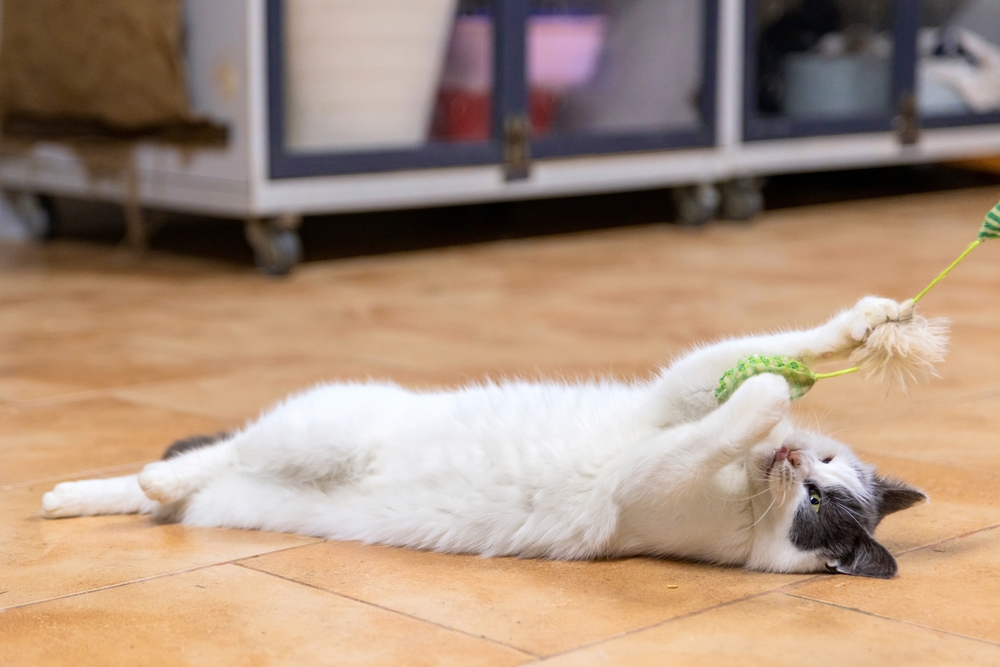
- Provide interactive hunting games: Wand toys, moving toys and food-dispensing puzzles give cats opportunities to stalk, chase and pounce. Regular play can also provide exercise and strengthen the bond between a cat and its owner.
Why Interactive Play Can Help
Giving a cat a toy is not always enough to satisfy its interest in hunting. Many cats respond best to activities that encourage them to follow moving objects, hide, chase and pounce. Toys attached to wands can imitate some of the movements that attract a cat’s attention, while unpredictable moving toys can provide additional stimulation. Food-dispensing toys offer another way to make mealtimes more engaging by allowing cats to work for portions of their usual food.
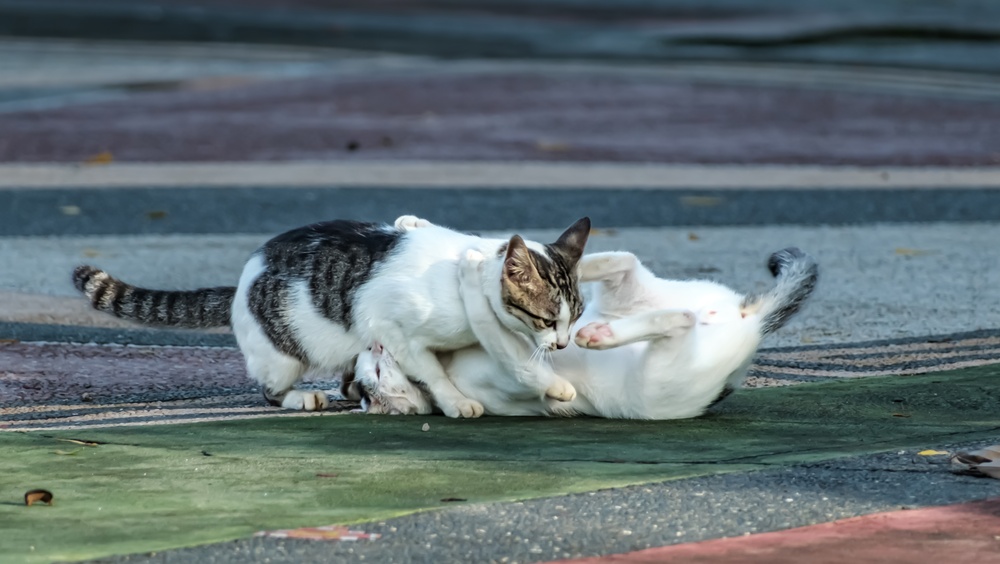
Owners can also improve their cats’ environment with climbing structures, lookout spots, hiding places and scratching posts. These features allow cats to explore and engage in normal behaviors without relying entirely on outdoor hunting. A varied environment combined with regular interactive play can help provide stimulation throughout the day, although individual cats may respond differently to these changes.
A Catio Could Give Outdoor Cats A Safer Alternative
For owners who want their cats to enjoy the outdoors without roaming freely, Purina recommends considering a catio. These enclosed outdoor spaces allow cats to experience fresh air, outdoor sounds and changing surroundings while restricting their access to neighborhood wildlife. Depending on the design, a catio can be attached to a house and accessed through a suitable cat door, giving the animal a controlled outdoor area without requiring unrestricted access to the garden or surrounding streets.
A well-designed enclosure can include platforms, climbing structures, hiding places and comfortable resting spots. Owners should also provide appropriate shade, shelter and water, while making sure the enclosure is secure enough to prevent escapes. Cats are capable climbers, so the structure needs to account for their ability to jump and explore. For pets accustomed to spending long periods outside, a catio can provide an alternative that allows outdoor enrichment while reducing opportunities to hunt local wildlife.
What To Do If Your Cat Still Catches Wildlife
Even with changes to its routine, a cat may occasionally catch a mouse or another small animal. Owners should understand that no collar, toy or change in schedule guarantees that hunting will stop completely. However, reducing unsupervised outdoor access and providing more opportunities for indoor play can help limit encounters with wildlife. These changes can also reduce some of the other risks associated with roaming, including encounters with traffic and unfamiliar animals.
Purina also advises owners to keep up with flea and worm treatments when their cats continue hunting outdoors. Hunting can expose cats to parasites, and fleas may move from captured animals onto a pet. Owners should ask their veterinarian about an appropriate prevention plan based on their cat’s lifestyle and local risks. Any dead animal should be handled carefully, with direct contact avoided and hands washed afterward.
Your Cat’s Instincts Explain More Than Its Deliveries
A dead mouse beside the back door may look like an unwanted present, but the behavior has a practical explanation. Cats retain their natural hunting instincts, and familiar territory can provide a place to bring their catches. Their behavior does not necessarily indicate hunger or an attempt to express affection. It can simply reflect the instincts that remain even after thousands of years alongside humans.
For owners, the most useful response is to work with those instincts rather than expect them to disappear. Regular interactive play, a more stimulating indoor environment and a secure outdoor enclosure can give cats safer ways to exercise their natural behaviors. The next time a cat arrives home carrying its latest catch, the focus can shift from guessing what the delivery means to making the next hunt less likely.
Sources:
- Cecchetti, M., Crowley, S. L., Goodwin, C. E. D., & McDonald, R. A. (2021). Provision of high meat content food and object play reduce predation of wild animals by domestic cats Felis catus. Current Biology, 31(5), 1107–1111.e5. https://doi.org/10.1016/j.cub.2020.12.044
- Castañeda, I., Forin-Wiart, M.-A., Pisanu, B., & de Bouillane de Lacoste, N. (2023). Spatiotemporal and individual patterns of domestic cat (Felis catus) hunting behaviour in France. Animals, 13(22), Article 3507. https://doi.org/10.3390/ani13223507