
Your cart is currently empty!
Your Everyday Fruit And Vegetables Could Be Losing Vital Nutrients, Scientists Warn
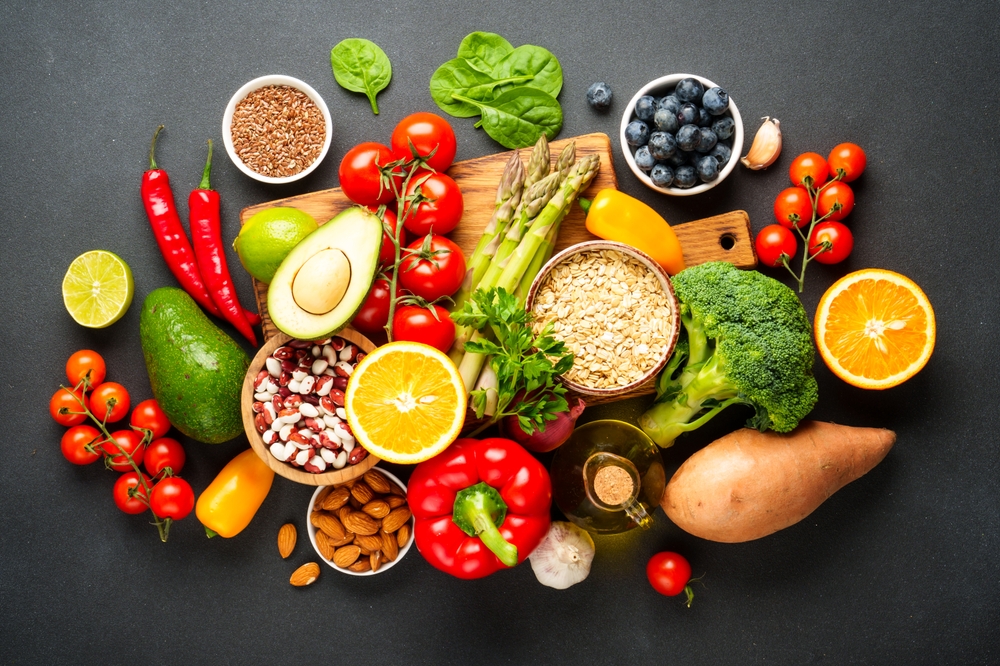
The carrots on your dinner plate and the apples in your fruit bowl may look just as healthy as they did decades ago, but researchers are raising concerns about what lies beneath the surface. Some of Britain’s most familiar crops could contain significantly lower concentrations of essential nutrients than they once did, potentially making it harder for people to obtain the minerals their bodies need from everyday foods.
Contents
show
A report by Deep Science Ventures suggests that certain crops have lost between 20% and 50% of key nutrients since the 1960s, including iron, potassium, selenium and zinc. Researchers believe declining soil quality and agricultural practices focused on maximising crop yields could be contributing to the problem, raising fresh questions about whether the food system is delivering the nutritional quality people expect from the produce they eat.
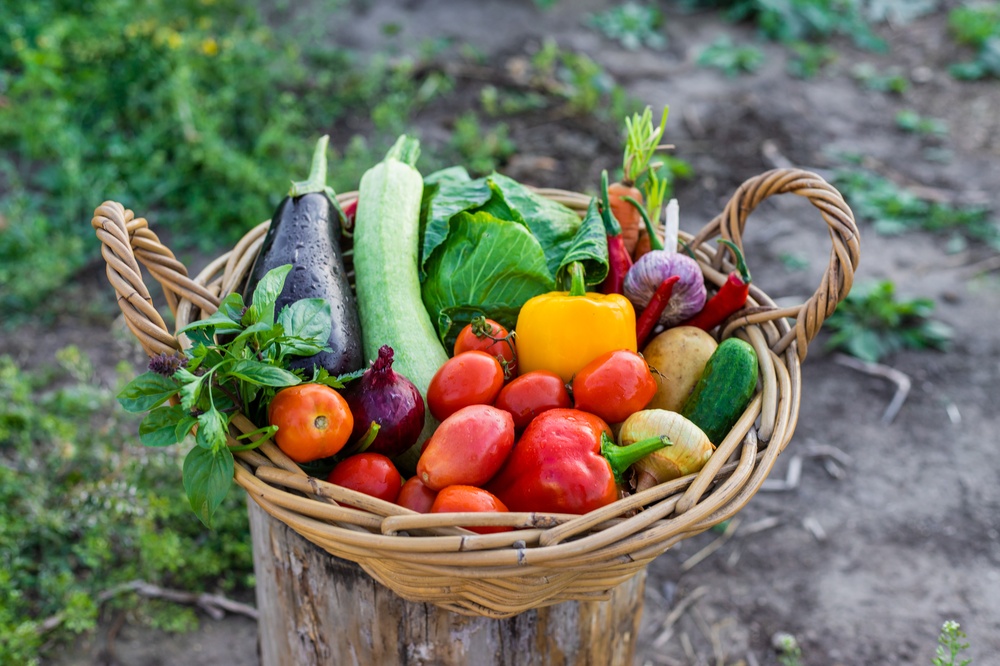
Scientists Warn That Familiar Foods Could Be Less Nutritious
The report, titled Hollow Harvests, examines how the nutritional composition of crops may have changed over several decades as farming methods evolved and agricultural production increased. Wheat, carrots, apples and other everyday foods feature in the analysis, with researchers identifying declines in the concentration of certain essential minerals. The findings vary according to the crop and nutrient involved, meaning they should not be interpreted as evidence that every fruit and vegetable has lost the same proportion of its nutritional value.
One of the most striking examples concerns carrots and potassium. If a carrot contains half as much potassium as an equivalent carrot did decades ago, a person would theoretically need to eat twice as many to obtain the same amount of that mineral from the crop. The report uses this comparison to illustrate how declining nutrient density could affect everyday diets, particularly among people who already struggle to consume enough essential nutrients.
Researchers also warn that the implications could extend beyond individual meals. Their modelling suggests that around five million working-age adults in the UK could fall below key micronutrient adequacy thresholds under a scenario involving further declines in crop nutrient density and increased use of certain weight-loss medications. This is a projection based on specific assumptions, rather than evidence that five million people are already deficient because of changes in the nutritional composition of crops.
The findings raise concerns about how food security is measured. Agricultural production has increased substantially since the 1960s, but the quantity of food produced does not automatically reveal how much iron, zinc, selenium or potassium it supplies. Researchers argue that nutritional quality deserves greater attention alongside crop yields, particularly as governments and agricultural industries work to ensure that food supplies meet people’s dietary needs.
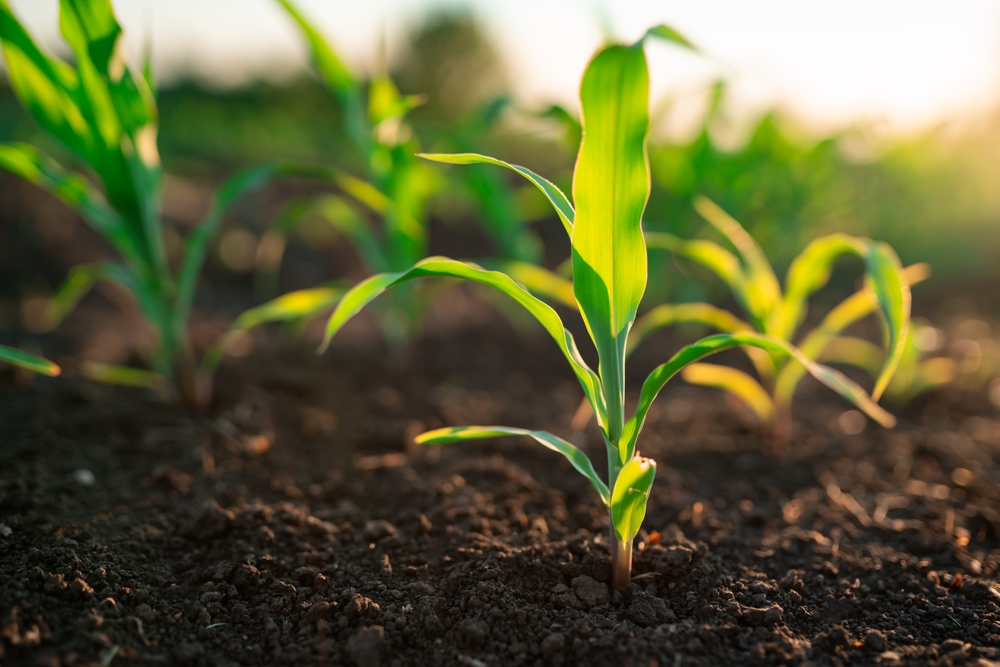
Why Modern Farming Could Be Contributing To The Problem
For decades, agricultural development has concentrated on increasing the amount of food farmers can produce from a given area of land. Higher-yielding crop varieties, improved farming techniques and advances in agricultural technology have helped expand food production, supporting populations that have grown considerably over the same period. However, researchers argue that selecting crops primarily for productivity may have left nutritional quality receiving less attention than it deserves.
The Deep Science Ventures report highlights a contrast between rising agricultural yields and declining concentrations of certain nutrients in some crops. It states that cereal yields per hectare have increased by 215% since the 1960s, while the concentration of particular minerals has fallen in some varieties. These figures do not mean that every crop has experienced the same changes, but they illustrate the concern that producing more food does not necessarily mean producing food with a proportionately greater nutritional value.
Soil quality is another important part of the discussion. Plants obtain essential minerals from the soil through their roots, and the condition of the growing environment can influence how effectively they access those nutrients. Researchers identify soil degradation as one potential contributor to declining nutrient density, alongside crop breeding decisions and other changes in agricultural production. The relationship is complex, however, and soil conditions alone cannot explain every reported change in crop composition.
The report also raises questions about the long-term priorities of food production. If agricultural success is measured mainly through tonnes harvested and calories supplied, changes in the concentration of essential minerals may receive less attention. Researchers believe that including nutritional measurements in agricultural research and crop development could help farmers maintain high yields while also improving the quality of the food reaching consumers.

Four Essential Nutrients That Deserve Attention
The report focuses on several minerals that perform essential functions throughout the human body. Although the amount required varies between nutrients, consistently inadequate intake can affect normal bodily functions and contribute to health problems. The potential effects also depend on a person’s overall diet, existing nutritional status and ability to absorb nutrients from food.

Selenium Supports The Immune System And Thyroid
Selenium helps the body produce antioxidant enzymes and supports normal immune and thyroid function. The mineral is needed in relatively small quantities, but insufficient intake can affect several important processes. Wholegrains and Brazil nuts are among its dietary sources, although the amount available varies according to the food and growing conditions.
The report raises concerns about declining selenium concentrations in wheat and the implications for people who rely heavily on grain-based foods. Its analysis suggests that changes in the nutrient content of familiar staples could make it harder to obtain the same amount from an unchanged diet. However, individual selenium intake depends on the full range of foods consumed, rather than bread or wheat products alone.
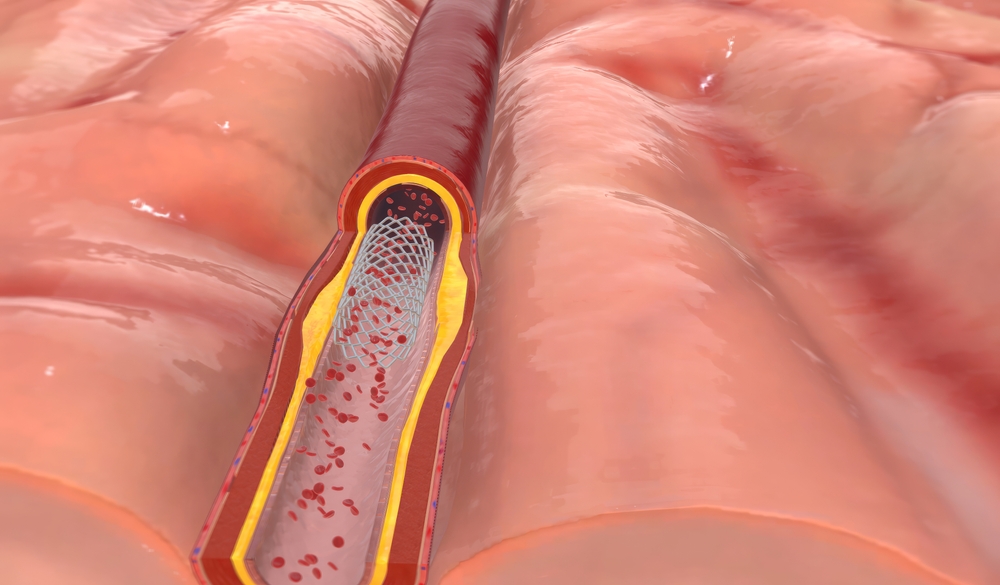
Iron Helps Red Blood Cells Carry Oxygen
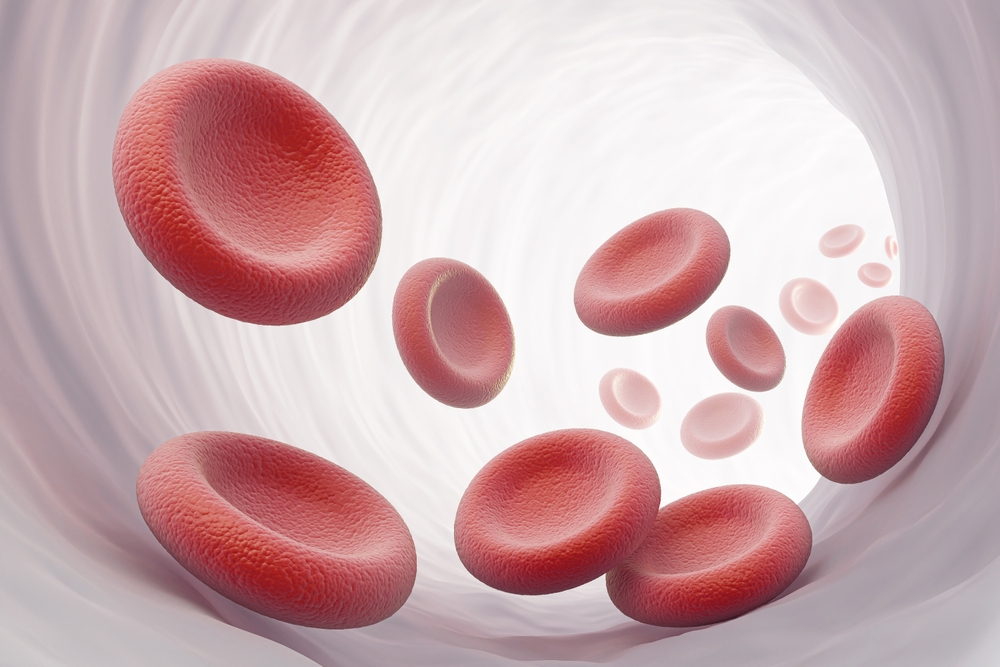
Iron is essential for producing haemoglobin, the protein in red blood cells responsible for carrying oxygen around the body. When iron levels become too low, a person can develop iron-deficiency anaemia, which may cause fatigue, weakness and difficulty concentrating. Severe or prolonged deficiency can affect health more broadly, making adequate iron intake particularly important.
Women who menstruate face a higher risk of iron deficiency because they lose iron through monthly bleeding. Beans, lentils, dark leafy vegetables and meat can contribute to dietary iron intake, although the body generally absorbs iron from animal foods more readily than iron from plant sources. If iron concentrations decline in certain crops, people who rely heavily on those foods could find it harder to meet their requirements without making changes elsewhere in their diets.
Potassium Helps Maintain Healthy Blood Pressure
Potassium plays an important role in regulating blood pressure, supporting normal muscle contractions and maintaining healthy nerve function. Potatoes, bananas, beans and leafy green vegetables are among the foods that provide this mineral. The report warns that declining potassium concentrations in some crops could make adequate intake more difficult for people whose diets already contain too little.
The concern is particularly relevant because potassium intake depends on the overall pattern of eating. Someone who regularly consumes potatoes and other vegetables may obtain potassium from several sources, while a person with a limited diet could have fewer opportunities to compensate for lower concentrations in individual foods. The reported crop changes do not establish that everyone needs to eat twice as much produce, but they highlight the importance of understanding how nutritional composition affects dietary intake.
Zinc Supports Immunity And Tissue Repair
Zinc contributes to immune function, wound healing, normal growth and numerous cellular processes. Wholegrains, legumes, nuts, seeds and animal foods can all supply zinc, making dietary variety useful for people trying to meet their requirements. Inadequate intake can affect normal bodily functions, particularly when a person’s diet is limited or nutritional needs are higher.
The DSV report identifies concerns about zinc concentrations in wheat varieties developed over recent decades. It states that fewer than one-third of bread-wheat varieties released since the 1960s meet the recommended zinc target used in its analysis. This finding points to a potential opportunity for crop breeders to give nutritional quality greater consideration when developing future varieties.
Why Declining Nutrient Density Could Affect Public Health
People can consume enough calories to meet their energy needs while still failing to obtain sufficient quantities of particular vitamins and minerals. This problem is often described as hidden hunger because it can develop without the obvious signs associated with inadequate food intake. A diet may provide enough energy while remaining low in nutrients required for normal immune function, oxygen transport and other essential bodily processes.
The report argues that declining nutrient density could add pressure to an existing nutritional challenge. Its analysis considers the potential effects on people who already have difficulty meeting recommended intakes, rather than suggesting that every person eating modern produce will develop a deficiency. People with restricted diets or higher nutritional requirements may face greater challenges if the foods they depend on provide lower concentrations of certain minerals.
The consequences vary according to the nutrient involved and the severity of any deficiency. Iron deficiency can contribute to anaemia, while inadequate selenium intake can affect normal thyroid and immune function. Potassium is important for muscle and nerve activity, and zinc supports immune responses and tissue repair. These functions explain why researchers are concerned about the long-term implications of nutritional changes across commonly consumed crops.
Better information about the nutritional composition of food could help researchers and policymakers understand the scale of the problem. Food composition databases need reliable measurements to estimate how much of each nutrient people obtain through their diets. More consistent monitoring of crops could help identify which varieties are losing particular nutrients and where changes in agricultural practices might make the greatest difference.
Weight-Loss Medications Could Add Another Nutritional Challenge
The report also examines the potential effects of GLP-1 weight-loss medications, including Ozempic and Mounjaro. These medicines can reduce appetite and food intake, which may make it harder for some people to obtain enough essential nutrients if they consume substantially less food without paying attention to its nutritional composition. The concern is especially relevant when reduced calorie intake coincides with a diet that already provides insufficient amounts of particular minerals.
Deep Science Ventures models a scenario in which 15% of adults use GLP-1 medications while crop nutrient density declines by a further 15%. Under those assumptions, around five million working-age adults in the UK could fall below key micronutrient adequacy thresholds. This is a modelled outcome based on the conditions specified in the report, not a confirmed count of people who will develop nutritional deficiencies.
The findings do not establish that weight-loss medications inevitably cause deficiencies or that people should stop taking prescribed treatments. Instead, they highlight the importance of considering nutritional quality when food intake decreases. People consuming smaller portions may benefit from paying closer attention to the range of nutrients their meals provide, particularly when they have additional dietary restrictions or existing nutritional concerns.
Anyone taking a weight-loss medication can discuss their nutritional needs with their healthcare professional, especially if they experience persistent fatigue or other symptoms that concern them. A balanced eating pattern remains important during weight management, and symptoms alone cannot establish whether someone has a specific nutrient deficiency. The report’s wider argument is that food quality deserves greater attention when people have fewer opportunities to obtain nutrients through their diets.
How Farmers Could Help Restore Nutrients In Everyday Food
The researchers believe that declining nutrient density can be addressed through changes to crop breeding, soil management and agricultural research. One proposed approach is to select new crop varieties for their nutritional composition alongside their yield, helping farmers produce large harvests without overlooking the minerals that consumers need. This could allow agricultural development to focus on both the amount of food produced and the nutrients available within it.
Improving soil health is another proposed measure. Healthier soil can support plant growth and help crops access the minerals available in their growing environment, although the results depend on the soil, crop and farming conditions involved. Researchers also argue that measuring nutrient concentrations more consistently would give agricultural scientists a clearer understanding of how different varieties perform. Better data could help identify crops that combine strong yields with higher levels of essential nutrients.
The report highlights several approaches that could contribute to better nutritional quality:
- Crop breeding: Developing varieties that retain higher concentrations of essential minerals alongside strong yields.
- Soil management: Improving soil health and supporting the conditions plants need to access nutrients.
- Nutritional monitoring: Measuring nutrient concentrations alongside the amount of food harvested.
- Better food composition data: Updating information used to estimate how much of each nutrient people obtain through their diets.
- Agricultural investment: Supporting research and farming practices that prioritise nutritional quality as well as productivity.
The report suggests that increasing crop nutrient density by more than 30% could offset the dietary effects of GLP-1 medications in its model and roughly halve several existing UK deficiency rates. These figures represent the report’s analysis rather than guaranteed outcomes, and the effects would depend on which nutrients are increased and how those changes influence people’s diets. Improving crop nutrition would also complement efforts to encourage a varied diet containing vegetables, fruit, wholegrains, pulses and other nutrient-rich foods.
What The Findings Mean For Your Everyday Diet
The findings do not mean people should stop buying carrots, apples or other fresh produce. Fruit and vegetables continue to contribute valuable nutrients to a balanced diet, and the report does not establish that every crop has become less nutritious by the same amount. The comparison suggesting that people might need twice as much food applies to a specific theoretical example in which a crop contains half as much of a particular nutrient.
Eating a varied range of foods remains a practical way to obtain a wider mix of essential nutrients. People can include different sources of iron, zinc, selenium and potassium rather than relying on a single crop to meet all their dietary needs. Beans, lentils, nuts, seeds, wholegrains, potatoes and leafy green vegetables can all contribute useful nutrients, while other foods may provide more readily absorbed forms of particular minerals.
It is also worth distinguishing between a reported decline in nutrient concentration and a diagnosed deficiency. Someone’s nutritional status depends on their overall diet, health, absorption of nutrients and individual requirements. Persistent fatigue or weakness can have several causes, so anyone concerned about a possible deficiency should seek appropriate medical advice rather than assuming that declining crop nutrients explain their symptoms.
Consumers have limited control over the mineral content of the crops available in supermarkets. They can choose a varied diet, but they cannot easily determine how much selenium or zinc a particular carrot or loaf of bread contains. This is why researchers are calling for changes at the agricultural level, where crop breeding, soil management and better nutritional monitoring could help improve the quality of food before it reaches the supermarket shelf.
Food Production Needs To Measure More Than Calories
Agriculture has made major progress in producing food for growing populations, but the findings from Deep Science Ventures raise questions about whether nutritional quality has kept pace with that progress. Higher yields can increase the amount of food available, yet the nutritional value of individual crops remains an important part of what makes that food useful to the people eating it. Understanding the difference requires reliable measurements rather than assumptions about every crop.
The next step is to establish where nutrient declines are occurring, how much they affect actual diets and which agricultural changes can reverse them. Better crop varieties, healthier soils and consistent nutritional monitoring could help researchers and farmers address the issue while maintaining productive harvests. Consumers can continue building varied diets, but improving the nutritional quality of the food supply will also require attention from the people who grow and develop the crops.
A full supermarket shelf does not tell the whole story about the food it contains. Measuring the nutrients in each harvest, as well as the tonnes produced, could help ensure that agricultural progress delivers food that is both plentiful and nutritionally valuable.